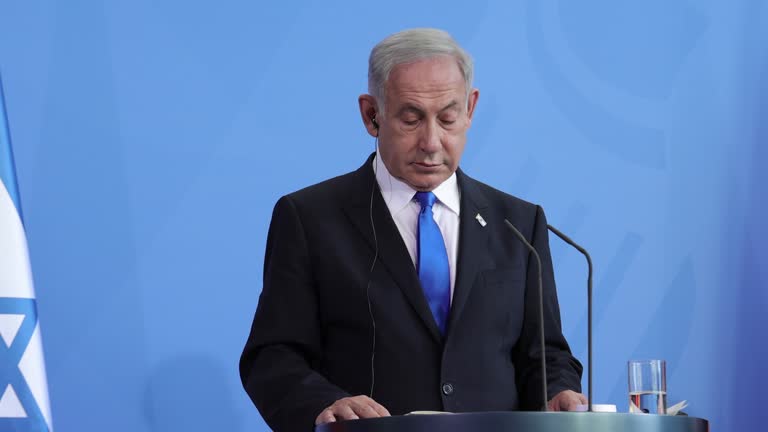
Jerusalem — Israeli Prime Minister Benjamin Netanyahu has outlined stringent conditions for ending the ongoing conflict in the Gaza Strip, demanding the release of all Israeli hostages, demilitarization of the enclave, and the removal of Hamas leadership from the territory.
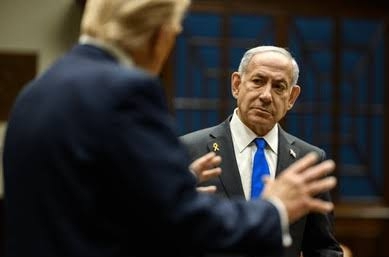
In a press conference, Netanyahu emphasized his readiness to end the war only on terms that ensure Israel’s security. “All hostages will return home safely, Hamas will lay down its arms, relinquish power, and its leadership will be expelled from Gaza. The territory will be completely demilitarized,” he stated.
Netanyahu also stressed the importance of implementing the peace plan proposed by former U.S. President Donald Trump, describing it as a “precise and revolutionary” framework. “It includes a simple premise: residents of Gaza who wish to leave will be allowed to do so,” he said.


The Prime Minister criticized international calls for ending hostilities on terms he described as favoring Hamas. “Those demanding Israel to cease its operations are, in effect, supporting Hamas’s continued rule in Gaza,” he added.
The announcement comes amid an intensification of Israeli military operations in Gaza, which began last week under the codename “Operation Gideon.” Israeli officials claim the offensive aims to decisively weaken Hamas.
Read Also: Pakistani Architect Yasmeen Lari Rejects Israeli Award Over Gaza Genocide






Parallel to these military efforts, mediation talks are ongoing in Qatar, focusing on a ceasefire agreement and the release of Israeli hostages.
The renewed violence follows Israel’s resumption of attacks on Gaza starting March 18, after Hamas reportedly rejected the U.S.-brokered ceasefire extension, which had expired on March 1. Earlier in March, Israel cut electricity supply to Gaza and blocked humanitarian aid convoys, exacerbating the humanitarian crisis.
Context and Impact
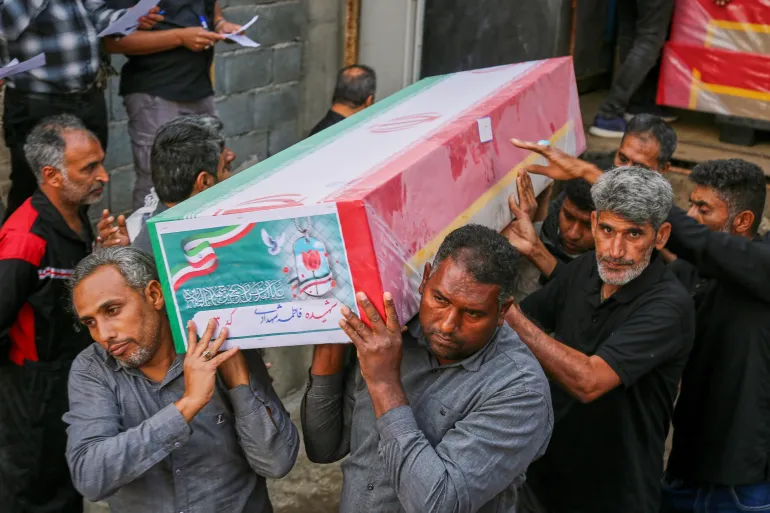
The escalating conflict in Gaza has led to significant civilian suffering and heightened regional tensions. Independent observers and humanitarian organizations have repeatedly called for restraint and urgent humanitarian access to the affected population.

As the situation remains fluid, the international community watches closely, urging dialogue alongside efforts to protect civilian lives and uphold human rights.