More than 300 United States troops have been wounded in the ongoing war with Iran, highlighting the growing human cost of the conflict and raising concerns about further regional escalation.
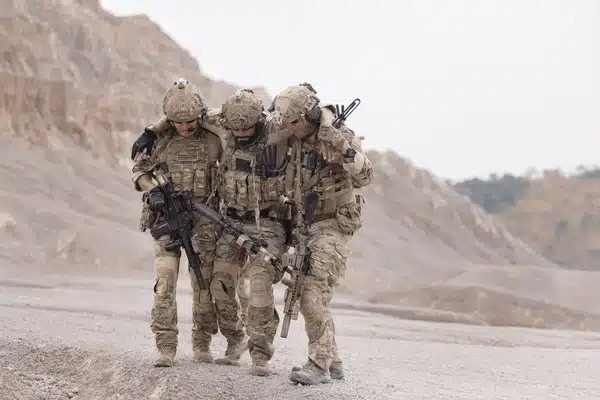
According to a report cited by ABC News, at least 303 American service members have sustained injuries since the start of hostilities, with 10 reported in critical condition while the majority have returned to duty after treatment.
Officials familiar with the matter said many of the injuries were linked to traumatic brain injuries (TBI) caused by nearby explosions, particularly from one-way attack drones and explosive munitions used during the conflict.


The conflict intensified after a joint military operation launched on 28 February 2026, when the United States and Israel carried out coordinated strikes on Iranian targets, significantly escalating tensions across the Middle East.
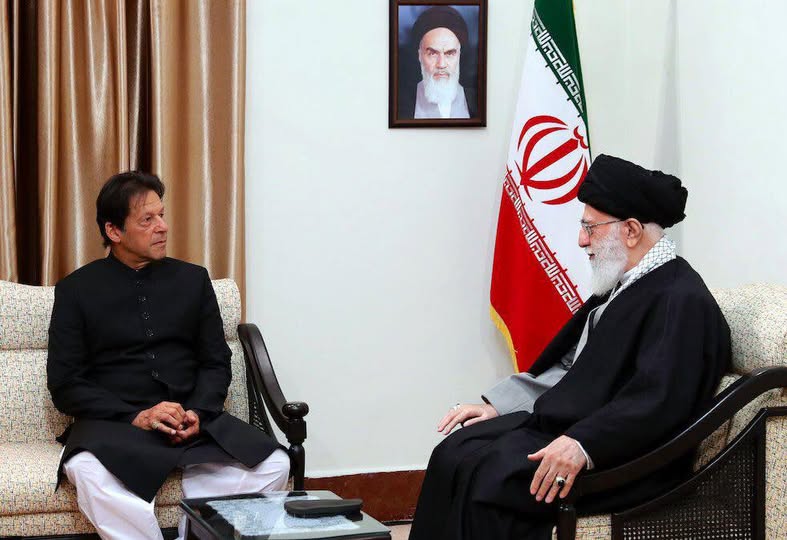
Reports indicate the attacks resulted in large-scale casualties and major geopolitical repercussions, including the killing of Iran’s Supreme Leader Ali Khamenei during the initial wave of strikes.
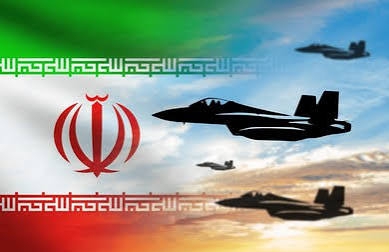
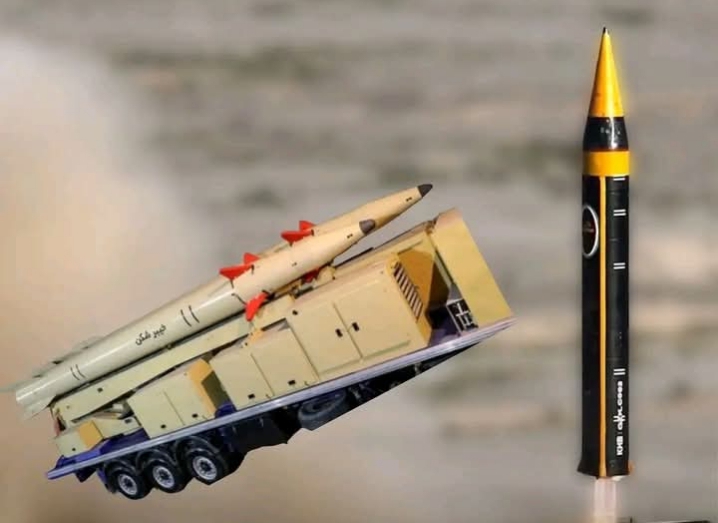
Since then, Iran has launched retaliatory drone and missile strikes targeting locations linked to US military assets across the region, including sites in Israel, Iraq and Gulf countries.




Security analysts warn that continued escalation could further destabilize the Middle East, affecting global energy markets, aviation routes and international trade corridors. Oil price volatility and disruptions to strategic shipping lanes have already been reported amid fears of prolonged conflict.
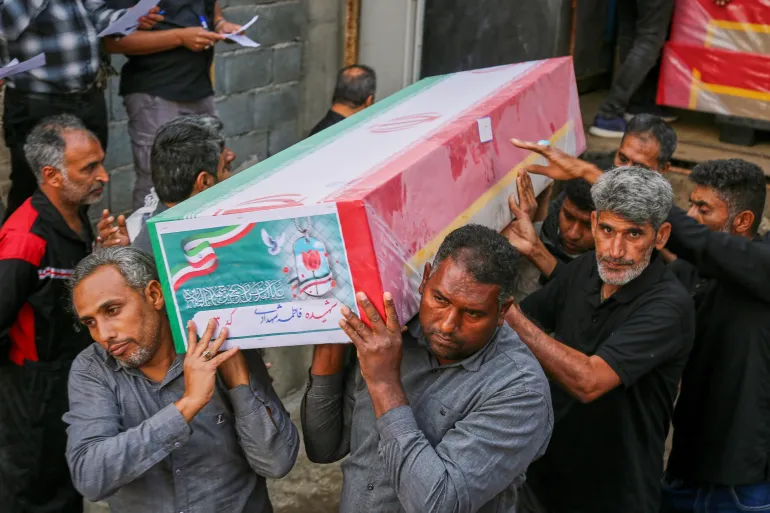
The rising number of casualties among military personnel on multiple sides underscores the expanding scope of the conflict, which observers say could have long-term consequences for regional stability and global security dynamics.
Global diplomatic circles have increasingly called for restraint and de-escalation, warning that continued military confrontation risks widening the conflict beyond its current geographic scope.

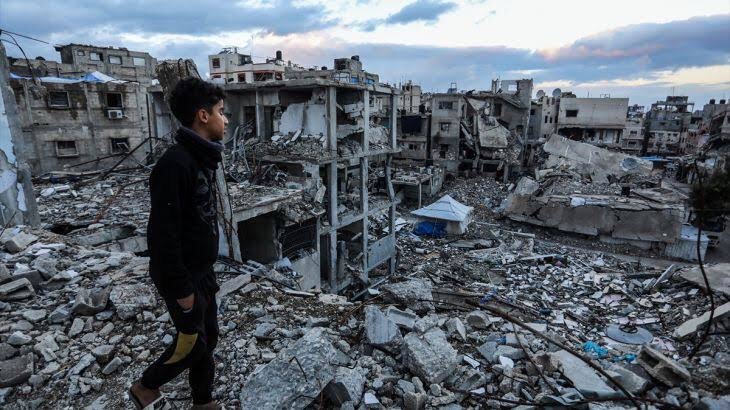
Analysts note that modern warfare involving drones, cyber capabilities and precision strikes has increased the risk of casualties even in limited engagements, contributing to growing humanitarian and political concerns worldwide.
Further developments are expected as the situation continues to evolve.