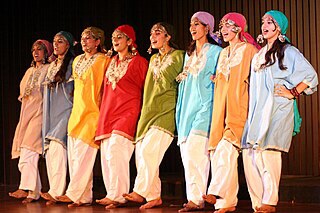


The leather craftsmanship in Kashmir dates back to the Mughal era when the region gained fame for its high-quality leather products.
In an age of modernization, declining demand, and the increasing preference for alternatives, Kashmiri artisans are striving to keep the leather industry alive.
Once a thriving trade, this industry is now in decline. Historically, it provided employment to hundreds of skilled artisans, but today, it faces significant challenges.
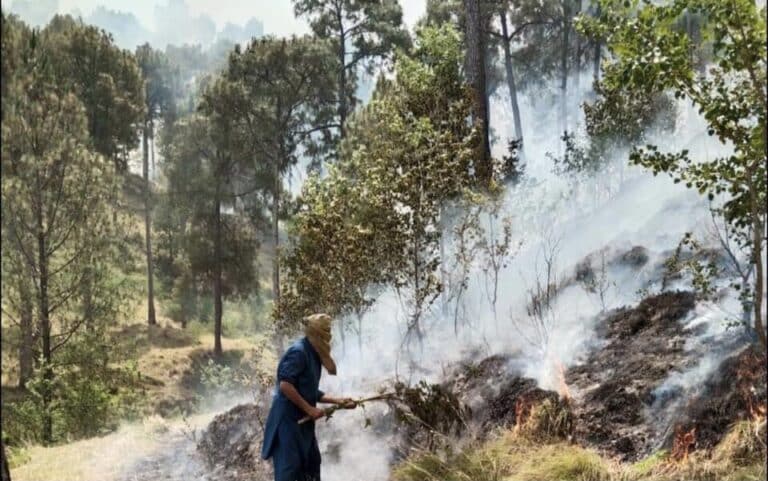
Forest Fire Erupts in Samahni, Community Mobilizes to Control the Blaze
The Azadi Times
No state grants. No corporate lobby. Just ground‑truth reporting from Kashmir & beyond
You make this possible.
Kashmir’s leather craftsmanship began during the Mughal era, a time when the region was renowned for its premium leather products.
From shoes, bags, and belts to traditional items like Gurgabi (Kashmiri leather shoes), every product reflects intricate craftsmanship and cultural pride.
The process involves labor-intensive techniques that are passed down orally or through apprenticeships.



Artisans meticulously prepare raw hides, using natural dyes and shaping the leather into various forms.
A leather craftsman, Ghulam Nabi, told Independent Urdu, “Our market is not doing well this time, and we earn only a small profit, just enough to make a living.”
Ghulam Nabi further explained, “We used to buy leather from Madras, but the Indian government shut down those factories. Some are still operating, but most leather factories have closed.”

Azad Kashmir High Court accepts writ petition on access to information
He added, “There are around 12,000 leather artisans in Jammu and Kashmir who survive on this limited work, but business is very slow.”
“This work is deteriorating day by day. Market prices are dropping, and the decline in work is destroying our livelihoods,” he lamented.
Despite all the challenges, the hard work and creativity of Kashmiri artisans highlight their unwavering commitment to preserving this heritage.