

By Ansar Hussain Naqvi
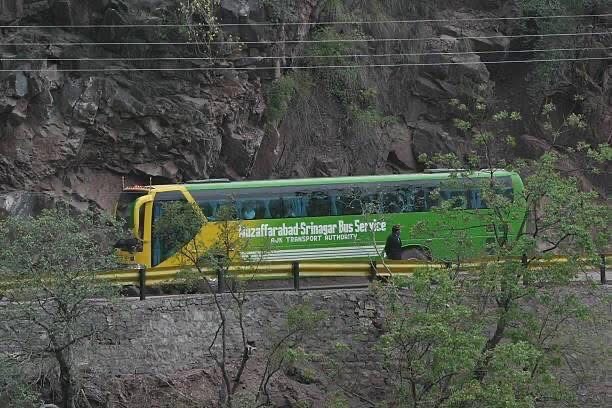
Twenty years ago today, on April 7, 2005, a historic journey began across the Line of Control (LoC), the de facto border dividing Kashmir between India and Pakistan. The Srinagar-Muzaffarabad bus service, hailed as the “Caravan of Peace,” offered a rare glimmer of hope to thousands of Kashmiri families torn apart by decades of conflict. For many, it was not just a bus route it was a bridge between fractured hearts, a chance to reunite with loved ones last seen in childhood, and a fragile symbol of humanity amid a 75-year-old political stalemate.
A Dream Realized, Then Lost
The bus service, connecting Srinagar in Indian-administered Kashmir to Muzaffarabad in Pakistani-administered Kashmir, was the result of a rare diplomatic thaw between arch-rivals India and Pakistan. Then-Pakistani President Pervez Musharraf and Indian Prime Minister Manmohan Singh, in a moment of statesmanship, greenlit this “people’s initiative” to ease the suffering of divided families. For Kashmiris, it was a lifeline.
As someone born into a divided Kashmiri family my grandfather’s roots lie in Chinari my maternal family hails from Baramulla this bus service was deeply personal.

For generations, families like mine have carried the trauma of separation. Weddings missed, funerals unattended, and lifetimes spent clutching faded photographs or letters from “the other side.” The bus promised to turn whispers of memory into embraces.
Tears at the Crossroads
When the first bus rolled out in 2005, emotional scenes unfolded at the LoC terminals. Elderly parents, their hands trembling with age and anticipation, reunited with children they had not held since Partition in 1947. Sisters who had become grandmothers met brothers they last saw as teenagers.
One poignant story still echoes: an elderly father, clutching his son’s childhood photograph for six decades, collapsed into silent tears when they finally met at the bus stop. No words were needed their embrace spoke of decades of longing.
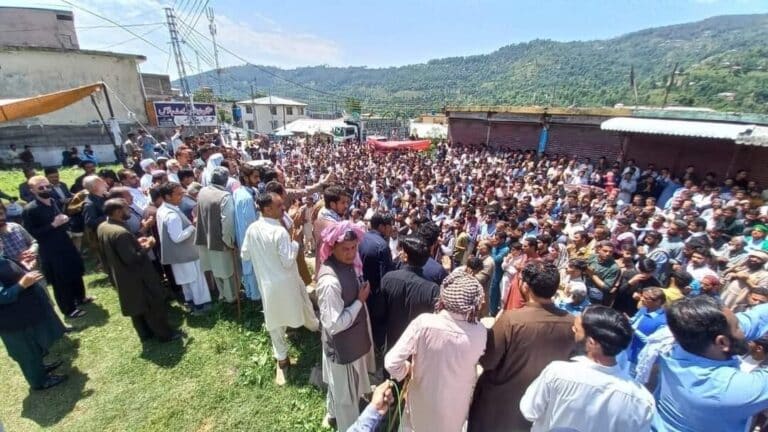
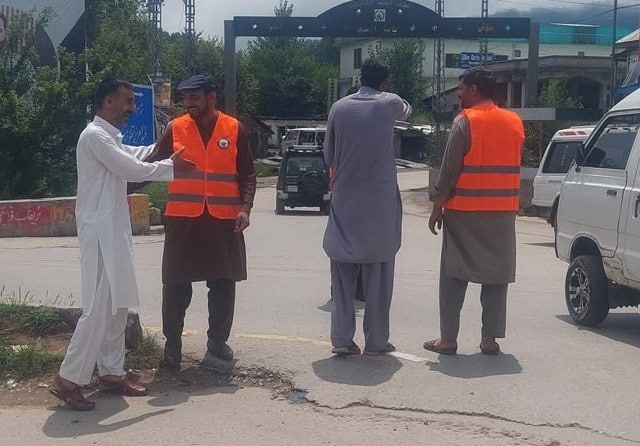
For years, every Thursday, the bus carried stories of resilience. It became a symbol of Kashmir’s shared pain and humanity, transcending politics. Passengers often described crossing the LoC as “stepping into a dream,” where barbed wire gave way to tearful reunions.
The Silence Returns
Today, that dream lies suspended. The bus service, halted in recent years amid renewed India-Pakistan tensions, has left families stranded once again. The LoC, once briefly porous, has reverted to a hardened boundary. Eyes that once scanned the horizon every Thursday for the bus now brim with helplessness. For thousands, the closure is not just a logistical barrier—it is the resurgence of an emotional iron curtain.
“This wasn’t just a bus it was our heartbeat,” said Rubina Akhtar (name changed), whose aging mother in Muzaffarabad has not met her Srinagar-based daughter in eight years. “We’re back to counting days that may never come.”


The Unanswered Question
The suspension underscores the fragility of peace efforts in Kashmir, where geopolitics routinely override human suffering. While both India and Pakistan cite “security concerns” and diplomatic discord, families accuse their governments of weaponizing their pain. “They opened our wounds to show the world they could heal them, only to let them fester again,” said a Srinagar-based activist.
International human rights organizations have long advocated for cross-LoC initiatives, emphasizing family reunification as a basic right. Yet, as tensions persist, Kashmiris feel abandoned by global rhetoric. “Our suffering is reduced to hashtags,” remarked a student in Muzaffarabad, referencing social media campaigns like #ReopenTheBusRoute and #KashmirDivided.
A Flicker of Hope?
Despite the gloom, divided families cling to hope. Many appeal to Indian Prime Minister Narendra Modi and Pakistani leaders to reignite the “Caravan of Peace.” Others urge third-party mediation or UN intervention to prioritize humanitarian corridors over political deadlock.
As Kashmir marks this bittersweet anniversary, the lesson is clear: while roads may close, the hunger for connection endures. For Kashmiris, the bus service was more than transport—it was validation that their voices, their tears, and their right to love could still pierce the cacophony of conflict.
The world may have moved on, but in Kashmiri homes, the question lingers: “When will we cross that bridge again?”