
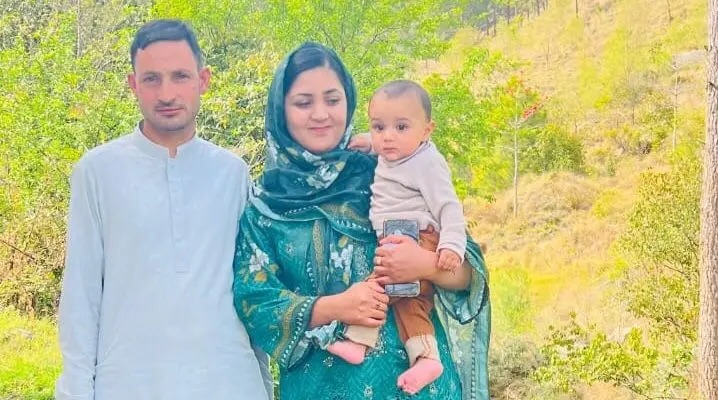

Explore the devastating impact of the recent India-Pakistan border skirmishes in Kashmir. Discover the stories of civilians who lost their lives during the missile and artillery exchanges. Despite the ceasefire, the human toll is immeasurable, highlighting the ongoing conflict in Kashmir.
Srinagar/Muzaffarabad: The region of Kashmir, a conflict-ridden land, has long been a symbol of geopolitical tensions between India and Pakistan. The Line of Control (LoC), which divides the region between India-administered Kashmir and Pakistan-administered Kashmir, has witnessed frequent skirmishes, but the most recent escalation that occurred between May 7 and May 11, 2025, has been particularly devastating for the civilian population.
During these intense days of artillery exchanges, missile strikes, and rocket bombardments, numerous lives were tragically lost. The civilian casualties continue to rise as a result of cross-border shelling, drone attacks, and rocket explosions. In this article, we dive deep into the personal stories of loss, grief, and survival in Kashmir amidst the backdrop of the ongoing India-Pakistan conflict.
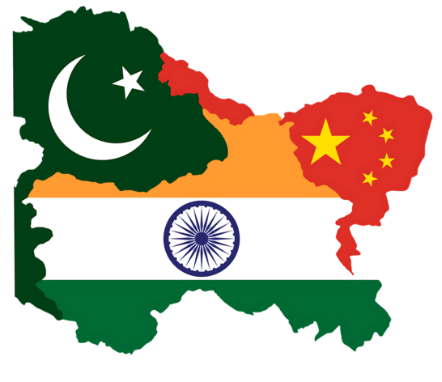
Kashmir Under Fire: The Recent India-Pakistan Border Skirmishes
On May 7, 2025, tensions between India and Pakistan escalated once again. India’s military launched a series of missile strikes on Pakistan-administered Kashmir in retaliation for an earlier missile attack on India-administered Kashmir. While the political leaders on both sides may have announced a ceasefire on May 13, the human cost of the conflict has been significant, with civilians paying the heaviest price.
India’s missile strikes targeted key locations in the Pakistani-administered parts of Kashmir, including Muzaffarabad, the capital of Pakistan-administered Kashmir, and the districts of Kotli, Bagh, and Rawalakot. The bombardment continued for several days, causing massive destruction, loss of life, and widespread injury. Within these areas, more than 70 civilians were killed, including women, children, and elderly people.


At the same time, the Indian-administered regions of Poonch, Rajouri, and Uri along the LoC faced an onslaught of mortar and artillery fire. As a result, at least 40 civilians were confirmed dead, including three young children and several elderly individuals. With both sides blaming each other for the attacks, the immediate political response was to call for a ceasefire. But the devastating toll on civilians—especially families caught in the line of fire—remained unaddressed.
Stories from Kashmir: The Heartbreaking Accounts of Civilians Caught in the Crossfire
Kashmir, often described as the paradise on Earth, has witnessed unspeakable tragedy over the years due to the region’s military conflict. With over 70 civilians confirmed dead and more than 200 injured in just a few days of fighting, these recent escalations have further highlighted the urgent need for peace and stability in the region.


One particularly heart-wrenching story comes from Sardar Javed Razaq, a resident of Kotli, who lost his wife and daughter during the missile strikes. The attack occurred in the early morning hours of May 9, 2025. According to Sardar’s brother, Sardar Tahir Razaq, the family had taken shelter in the basement of their home when the attack occurred. While the family had hoped to ride out the violence in safety, the force of the explosion was too great. Sardar’s wife was killed instantly by a rocket-propelled grenade that struck the basement, while his young daughter was critically injured by shrapnel.
In an interview, Sardar Tahir recalled his brother’s grief-stricken state, unable to believe that his wife was gone and his daughter would never recover from her injuries. “Our world was torn apart that day,” Tahir said. “There are no words to describe what we feel, only an emptiness that can’t be filled.”
Another heartbreaking account comes from the village of Dhudhniyal in Poonch. Here, a young family of four was directly impacted by the artillery shelling that began on May 8. Usama, a newly married 22-year-old man, had just celebrated his wedding with his wife, Shazia, only a few days before the attack.
Tragically, on May 8, Usama and Shazia were resting inside their home when a shell exploded nearby, causing massive damage to their house. The force of the explosion killed Usama instantly and severely injured Shazia, who later succumbed to her injuries in the hospital. Their families were left in complete shock, their hopes for a peaceful life together shattered.
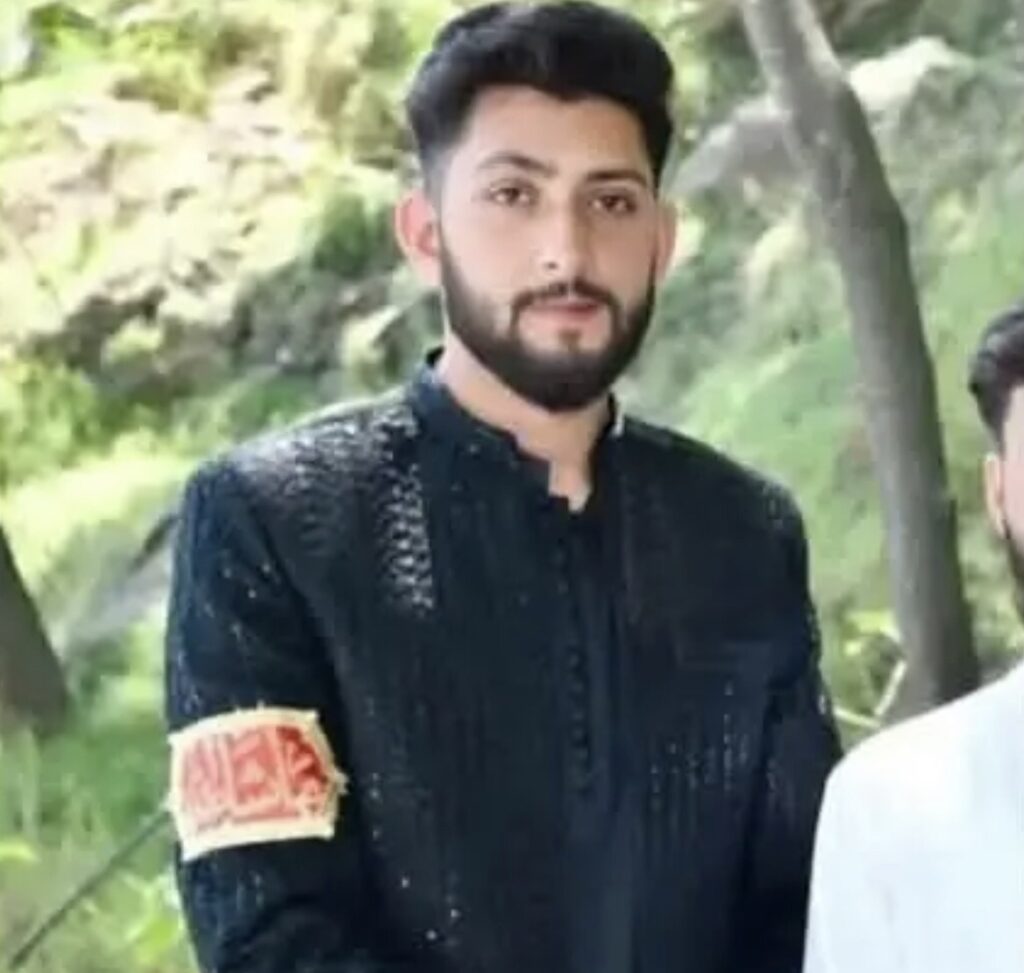
Shakila Ishrat, Usama’s mother, said, “We had been preparing for his wedding for months. We never imagined that we would be burying our son just days after he had celebrated his marriage. This loss has broken our hearts, and I don’t think we’ll ever recover from it.”
The Psychological Toll: Kashmir’s Children in Peril
Perhaps the most tragic aspect of this conflict is the effect it has had on Kashmir’s children. The sounds of artillery and explosions have become a haunting daily reality for many young residents of the region. In the districts of Poonch and Rajouri, at least 12 children were killed in the first few days of the conflict. Many more children were left orphaned or critically injured.
One such story is that of twin siblings, Sarah and Imran, who were just eight years old when they were killed in a mortar attack on May 8. Their father, Jameel Ahmed, was away at the time of the attack and was horrified when he learned of their deaths. “I spoke to my children just a few hours before the attack. They were laughing and playing, and now they are gone,” Jameel said, fighting back tears. “This is the second time I’ve lost my children. The first time was during the 2016 clashes. This time, I was powerless to stop it.”

The mental trauma of witnessing such devastation has left deep scars on the children who survive. Many young survivors suffer from PTSD, experiencing flashbacks and nightmares as the sounds of bombings and artillery fire continue to haunt their sleep. There are increasing reports of anxiety, depression, and social withdrawal among children in these border areas.
The Ongoing Crisis
Despite the ceasefire announced on May 13, 2025, the humanitarian situation in Kashmir remains dire. Thousands of civilians are living in constant fear, uncertain whether they will survive the next round of attacks. The damage to homes, schools, and infrastructure has left many families displaced, with no clear path to rebuilding their lives.
In addition to the physical toll, the emotional and psychological damage is staggering. Experts warn that the trauma experienced by civilians, especially children, will have lasting effects on the community. Many of the survivors are now suffering from chronic anxiety and depression, with no clear path to receiving adequate mental health support. Local hospitals and clinics are overwhelmed, with limited resources available to treat the increasing number of injured civilians.
International Attention and Humanitarian Efforts: Time for Action
While the governments of India and Pakistan must work to ensure the protection of civilians and a peaceful resolution to the conflict, the international community also has a critical role to play. Humanitarian aid is desperately needed in the affected regions, especially for the families who have lost loved ones, the displaced, and the injured. Organizations such as the International Committee of the Red Cross (ICRC) and UNICEF must ramp up their efforts to provide relief to those affected by the ongoing conflict.
However, political leaders must prioritize peace and diplomacy over further escalation. Both India and Pakistan must commit to a comprehensive peace plan that focuses on de-escalation and long-term conflict resolution. The voices of Kashmiri civilians, who are most affected by this conflict, must be heard. Kashmiris on both sides of the LoC deserve peace, stability, and an end to the senseless violence that has torn apart their lives for decades.
The Urgent Need for Peace and Accountability
The recent border clashes between India and Pakistan have underscored the ongoing human suffering in Kashmir. As missile strikes, rocket explosions, and artillery fire continue to ravage the region, the civilians caught in the crossfire are paying the heaviest price. In these dark times, the international community must step up to provide aid and support, while both India and Pakistan must work toward a long-term solution that brings lasting peace to Kashmir.
The people of Kashmir, whose lives have been shattered by years of violence, deserve nothing less than peace and dignity. They deserve a future where they can rebuild their lives, free from the threat of war. As the region continues to recover from this latest wave of violence, we must all recognize the importance of standing with Kashmir’s civilians—who continue to suffer, yet remain hopeful for a better tomorrow.