

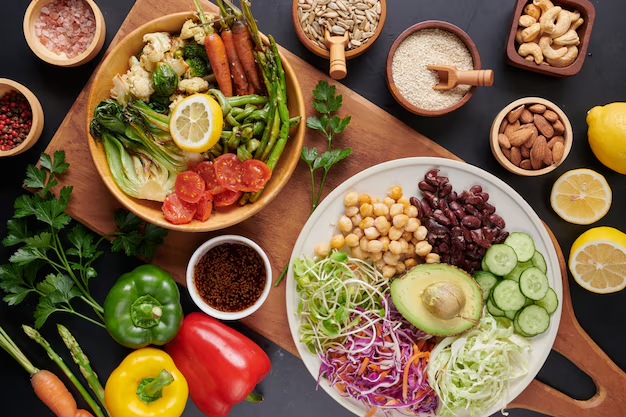

A well-formulated and balanced diet exerts profound influence over human health, extending far beyond mere caloric intake. Proper nutrition not only fuels the body and optimizes digestive function but also enhances mood, strengthens the immune system, and accelerates recovery from illness, establishing a foundation for enduring wellness.
In a recent social media briefing, Dr. Alicia Rohnelt, a renowned endocrinologist, provided an in-depth insight into the three essential foods she integrates into her daily regimen to maintain hormonal equilibrium, metabolic efficiency, and glycemic stability. Emphasizing evidence-based dietary choices over transient trends, Dr. Rohnelt underlined that these foods are integral to long-term endocrine and metabolic health, rather than being mere “superfood fads.”
1. Frozen Wild Blueberries: Antioxidant-Rich Phytochemicals for Metabolic Support
Wild blueberries, distinguished from conventional blueberries by their smaller size and higher skin-to-pulp ratio, are exceptionally rich in anthocyanins — bioactive flavonoids with multiple documented health benefits. These compounds have been shown to:

The Azadi Times
No state grants. No corporate lobby. Just ground‑truth reporting from Kashmir & beyond
You make this possible.
Enhance insulin sensitivity, aiding in blood sugar regulation
Support neurocognitive function, including memory and neuroplasticity
Attenuate systemic inflammation, a key contributor to chronic metabolic disorders



Dr. Rohnelt highlights that wild blueberries are typically frozen at peak ripeness, ensuring maximal nutrient retention. This process preserves their bioactive profile and makes them available year-round, providing a convenient and potent dietary option for glycemic and metabolic support.
2. Red or Purple Cabbage: Fiber and Polyphenols for Hormonal and Gut Health
Red cabbage contains an array of dietary fiber, polyphenols, and naturally occurring bioactive compounds that exert a positive influence on both gut microbiota and endocrine function. According to Dr. Rohnelt, regular consumption of this cruciferous vegetable:
Promotes healthy gut microbiome composition, directly impacting digestion and immune function
Modulates estrogen metabolism, contributing to hormonal balance
Reduces chronic inflammation, mitigating risks associated with metabolic syndrome
Enhances insulin sensitivity, supporting blood sugar stabilization
Dr. Rohnelt notes that red cabbage is a particularly undervalued nutritional asset, capable of exerting systemic benefits on both metabolic and hormonal pathways, making it a staple for daily consumption.
3. Extra Virgin Olive Oil: Healthy Fats for Glycemic and Inflammatory Modulation
Extra virgin olive oil is a cornerstone of Dr. Rohnelt’s daily dietary approach, particularly when consumed alongside meals. Its monounsaturated fats and polyphenolic content have been consistently linked to:
Reduction of postprandial blood glucose spikes
Improvement in insulin sensitivity and glycemic control
Attenuation of systemic inflammation, supporting cardiovascular and metabolic health
By slowing the absorption of glucose from meals, olive oil provides a simple yet highly effective mechanism to prevent abrupt elevations in blood sugar, a strategy often overlooked in conventional dietary practices.
Additional Nutritional Essentials
In further guidance, Dr. Rohnelt identified five grocery staples that she prioritizes for optimal metabolic health:
Red cabbage – for fiber, phytonutrients, and hormonal support
Avocado – rich in monounsaturated fats and micronutrients
Baby spinach – for magnesium, folate, and antioxidant support
Frozen wild blueberries – for anthocyanin-rich antioxidant activity
Wild-caught albacore tuna – a lean protein source with omega-3 fatty acids
She emphasizes that these foods collectively contribute to reduced systemic inflammation, balanced hormones, and stabilized blood glucose, forming a foundation for sustainable metabolic wellness.
Expert Recommendations
Dr. Rohnelt’s approach underscores the importance of routine, evidence-based dietary practices. Integrating these foods into daily meals can:
Promote long-term hormonal equilibrium
Enhance metabolic efficiency and energy utilization
Stabilize blood glucose, mitigating risks of insulin resistance and type 2 diabetes
Support overall cardiovascular and neurocognitive health
Her insights serve as a reminder that metabolic and endocrine well-being is rooted in consistent, nutrient-dense dietary choices, rather than episodic “superfood” trends or fads.
Key Takeaways for Health-Conscious Readers
Focus on bioactive, nutrient-dense foods like wild blueberries and cruciferous vegetables
Include healthy fats such as extra virgin olive oil to regulate glycemia and inflammation
Prioritize daily, sustainable dietary habits over temporary or trend-driven nutrition strategies
Maintain balanced portion sizes and integrate light physical activity to complement dietary interventions
By adhering to these principles, individuals can cultivate resilient metabolic and endocrine health, improving both short-term energy levels and long-term wellness outcomes.