



Kotli, Pakistan-administered Kashmir — The guns have fallen silent along the Line of Control (LoC), but for thousands of Kashmiris living in border villages, the echoes of recent shelling still haunt their daily lives. While a U.S.-brokered ceasefire between India and Pakistan has officially halted hostilities, the devastation left behind tells a different story—one of loss, displacement, and lingering fear.
A Fragile Peace Amidst Ruins
In early May, intense cross-border shelling between Indian and Pakistani forces shattered a four-year period of relative calm. Villages like Poonch, Uri, and Rajouri bore the brunt of the violence, with at least 13 civilians killed and 59 injured in Poonch alone, according to the Indian Ministry of External Affairs . Homes were reduced to rubble, livestock perished, and essential infrastructure was decimated.
Residents who had once found solace in the ceasefire agreement of 2021 now find themselves grappling with the trauma of renewed conflict. “We thought the worst was behind us,” said Abdul Ahad, a local from Gurez. “But now, we’re back to living in fear, with no shelters and no support.”(Precious Kashmir)

Help us expose the truth
The Azadi Times is funded by readers like you. No corporate sponsors. No government influence. Just fearless reporting.
Lives Disrupted and Dreams Deferred
The shelling not only claimed lives but also disrupted the socio-economic fabric of these communities. In the village of Gingal, near Uri, residents recounted nights spent huddled in cowsheds, praying for safety as shells rained down . Families fled their homes in the dead of night, seeking refuge in neighboring towns, only to return to scenes of devastation.
Educational institutions have been closed indefinitely, and the local economy—already fragile—has taken a significant hit. Agricultural activities have come to a standstill, and the destruction of marketplaces has left many without a source of income.
The Psychological Toll
Beyond the physical destruction, the psychological impact on residents is profound. The constant threat of unexploded ordnance, the loss of loved ones, and the uncertainty of the future have left deep scars. “Every loud sound makes us jump,” shared Nasreena Begum from Salamabad. “We live in constant anxiety, not knowing if peace will last.”

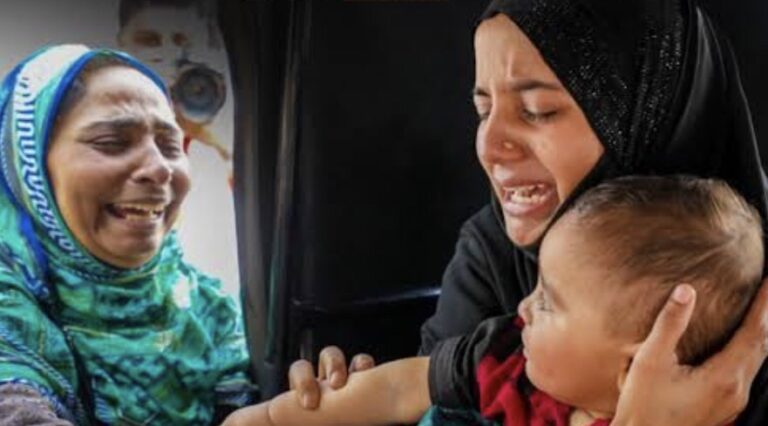
Mental health services are scarce, and the stigma associated with seeking psychological help further exacerbates the issue. Community leaders have called for increased support and the establishment of counseling centers to aid in the healing process.
Calls for Accountability and Long-Term Solutions
As both India and Pakistan tout their military achievements, the civilians caught in the crossfire demand accountability and lasting solutions. Human rights organizations have urged both governments to prioritize the safety and well-being of border communities, emphasizing the need for transparent investigations into the shelling incidents and adequate compensation for victims .(Al Jazeera)
“Peace cannot be achieved through temporary ceasefires,” stated a representative from the Jammu Kashmir Liberation Front. “We need a comprehensive approach that addresses the root causes of the conflict and involves the voices of the Kashmiri people.”(Precious Kashmir)

The Road Ahead
While the current ceasefire offers a respite from active hostilities, the path to lasting peace remains fraught with challenges. The resilience of Kashmir’s border communities is evident, but without sustained support, infrastructure rebuilding, and genuine political dialogue, the cycle of violence may continue.
For now, the people of Kashmir cling to hope, even as they navigate the ruins of their homes and the memories of a peace that proved all too fleeting.


