
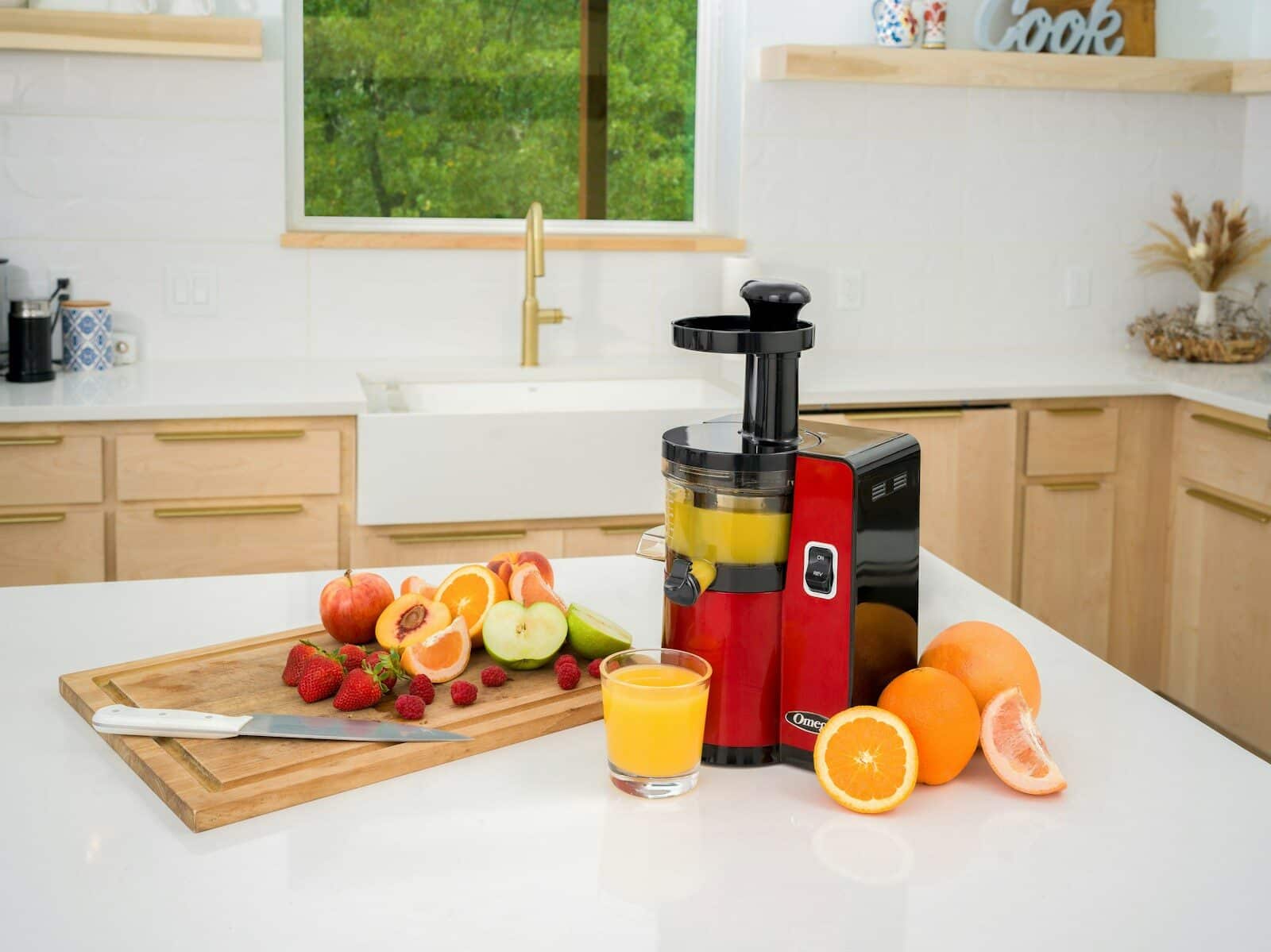

The global juicing appliance market has transformed dramatically over the past 18 months. What began as a pandemic-era wellness trend has evolved into a permanent fixture of modern kitchens, with manufacturers now offering increasingly sophisticated machines that blur the lines between juicing, blending, and food processing. Yet for consumers, this abundance of choice presents a fundamental dilemma: should you invest in a dedicated juicer machine, a versatile blender, or a combination appliance that promises to do both?
This comprehensive guide examines the technical distinctions, nutritional implications, and economic realities of juicer machines and blenders in 2025. Whether you’re a health enthusiast seeking maximum nutrient extraction or a busy professional prioritizing convenience, we provide the data-driven insights necessary to make an informed investment.
The fundamental difference between juicers and blenders lies in their mechanical approach to processing produce. A juicer machine operates as an extraction device, separating liquid from solid matter through either centrifugal force or mechanical pressing. This process removes insoluble fiber, resulting in a nutrient-dense liquid that requires minimal digestive effort
.
Blenders function as emulsification devices, pulverizing entire fruits and vegetables—including seeds, skin, and pulp—into a homogeneous mixture. The resulting beverage retains all dietary fiber, creating a thicker consistency that promotes satiety and sustained energy release

.
Nutritional Implications
Research indicates that both methods offer distinct metabolic advantages. Juicing delivers concentrated micronutrients directly to the bloodstream, with studies suggesting absorption rates up to 50% higher for certain vitamins compared to whole-food consumption.
This makes juicer machines particularly valuable for individuals with compromised digestive systems or those seeking rapid nutritional supplementation.
Conversely, blending preserves the complete fiber matrix of produce, which regulates glucose absorption and supports gut microbiome diversity. The soluble fiber in blended beverages forms a gel-like substance that binds to cholesterol and supports cardiovascular health—a benefit absent in strained juices.
Juicer Machine Types: Centrifugal vs. Cold Press
The juicer machine category bifurcates into two primary technologies, each with distinct operational characteristics and price points.
Centrifugal Juicers: Speed and Accessibility
Centrifugal juicers utilize high-speed spinning blades—typically operating between 3,000 and 16,000 RPM—to shred produce against a mesh filter. The centrifugal force separates juice from pulp, directing liquid into a collection container while ejecting dry pulp into a separate chamber.

Advantages:
- Processing Speed: Most centrifugal juicer machines extract juice within 5-10 seconds of feeding produce
- Whole-Fruit Capacity: Wide-mouth chutes (3 inches or larger) accommodate uncut apples and oranges, minimizing preparation time


Limitations:
- Heat Generation: High-speed friction creates temperatures up to 40°F above ambient, potentially degrading heat-sensitive enzymes and vitamins
- Efficiency: Wet pulp indicates incomplete extraction, particularly with leafy greens like kale and spinach


Cold Press (Masticating) Juicers: Precision and Preservation
Cold press juicer machines employ slow-turning augers (40-120 RPM) to crush and press produce, mimicking traditional hydraulic pressing methods. This gentle extraction minimizes heat buildup and oxidation, preserving enzyme activity and extending shelf life to 72 hours
.
Advantages:
- Nutrient Retention: Independent testing demonstrates up to 50% higher vitamin preservation compared to centrifugal methods
- Yield Efficiency: Drier pulp indicates superior extraction, with premium models achieving up to 99% juice recovery from fibrous vegetables
- Versatility: Effective processing of wheatgrass, leafy greens, nuts for milk alternatives, and even frozen ingredients for sorbets
Limitations:
- Time Investment: Complete juicing cycles require 5-10 minutes for standard recipes
- Financial Barrier: Quality cold press juicer machines range from $200 (Omega, Sana) to $700+ (Kuvings Auto10, Nama J2)
- Spatial Requirements: Vertical designs often exceed 18 inches in height, challenging under-cabinet storage
The Blender Alternative: Fiber-Intact Nutrition
High-performance blenders represent a distinct category from juicer machines, offering capabilities that extend far beyond beverage preparation. Premium models from Vitamix, Breville, and Ninja generate sufficient power to heat soups through friction, process nut butters, and mill grains
.
Key Differentiators:
| Feature | Premium Blender | Juicer Machine |
|---|---|---|
| Fiber Retention | 100% | 0% (insoluble fiber removed) |
| Prep Time | Moderate (peeling required) | Minimal (whole fruits accepted) |
| Cleanup | Simple (fewer components) | Complex (multiple parts) |
| Versatility | Soups, nut butters, flours | Juice only (with rare exceptions) |
| Price Range | $150-$700 | $50-$700+ |
The primary constraint of blenders involves ingredient compatibility. Root vegetables like beets and carrots produce chalky, bitter results when blended raw, whereas juicer machines extract their sweetness efficiently.
Conversely, blenders excel with frozen fruits, ice, and additives like protein powders—applications where juicer machines prove ineffective.
Recognizing market demand for versatility, manufacturers have developed combination appliances that integrate both functions. These systems typically utilize a shared motor base with interchangeable juicing and blending attachments, reducing countertop footprint and capital expenditure compared to separate purchases
.
Notable 2025 Models:
Hamilton Beach Juice & Blend 2-in-1 (Model 67970)
- Price: Approximately $80-$120
- Configuration: 800W centrifugal juicer with detachable 20oz blending jar
- Target User: Space-constrained beginners seeking dual functionality without premium investmentBreville 3X Bluicer Pro
- Price: Approximately $400-$450
- Configuration: 1000W centrifugal juicer with integrated 34oz blender pitcher
- Differentiation: Smart presets for juice-blending combinations, ice crushing capability, and space-efficient vertical design
Nama C2 Blender and Juicer
- Price: Approximately $550-$600
- Configuration: 200W cold press juicer attachment + 1000W blender base
- Differentiation: Premium cold press extraction with Vitamix-competitive blending performance, 15-year warranty
Performance Assessment: Independent testing suggests that combination units generally match 85-90% of dedicated appliance performance for standard applications. However, serious enthusiasts may notice reduced juice yield compared to standalone cold press juicer machines, particularly with challenging ingredients like wheatgrass
The juicer machine market exhibits significant price stratification based on technology and build quality:
Budget Tier ($50-$150)
- Representative Models: Hamilton Beach Big Mouth, Black & Decker JE2200B, Nutribullet Juicer Pro
- Technology: Centrifugal exclusively
- Best For: Occasional users, hard fruits and vegetables, entry-level experimentation
- Trade-offs: Reduced nutrient preservation, shorter appliance lifespan (2-4 years), limited leafy green efficiency
Mid-Range Tier ($150-$350)
- Representative Models: Ninja NeverClog Cold Press, Omega VSJ843RR, Breville Juice Fountain Plus
- Technology: Entry-level cold press or premium centrifugal
- Best For: Regular juicers seeking improved yield without premium investment
- Value Proposition: 5-10 year operational lifespan, moderate noise levels, acceptable nutrient retentionPremium Tier ($350-$700+)
- Representative Models: Nama J2/J3, Kuvings Auto10, Hurom H320, Tribest Slowstar AI
- Technology: Advanced cold press with batch processing, AI speed modulation, or hands-free operation
- Best For: Daily juicers, wellness professionals, maximum nutrient preservation priorities
- Longevity: 10-15 year warranties, commercial-grade motors, superior extraction efficiency
Decision Framework: Which Appliance Suits Your Profile?
Choose a Centrifugal Juicer Machine If:
- Your primary goal is quick morning juice preparation
- Budget constraints limit spending to under $150
- You predominantly juice hard fruits (apples, carrots) and citrus
- Immediate consumption is standard practice (no batch preparation)
Choose a Cold Press Juicer Machine If:
- Nutrient preservation is your highest priority
- You regularly consume leafy greens, wheatgrass, or celery
- Batch juicing (48+ hours supply) fits your lifestyle
- You’re willing to invest $300+ for 10+ years of service
Choose a High-Performance Blender If:
- You prefer fiber-rich smoothies over strained juice
- Culinary applications (soups, nut butters, dough) interest you
- Post-workout protein shakes are a daily requirement
- Cleanup convenience outweighs extraction efficiency priorities
Choose a Juicer Blender Combo If:
- Kitchen storage space is severely limited
- You want both capabilities without purchasing two appliances
- Usage frequency doesn’t justify premium dedicated units
- Budget flexibility allows $200-$500 investment for moderate performance in both categories
Consumer reporting indicates that maintenance requirements significantly impact long-term satisfaction with juicer machines. Centrifugal models typically feature 4-6 removable components requiring immediate cleaning to prevent pulp hardening—a process consuming 3-5 minutes post-use.
Cold press juicer machines present greater complexity, with augers, screens, and pulp ejection systems demanding thorough brushing to prevent fiber accumulation. However, premium models like the Hurom H400 and Nama series incorporate tool-free disassembly and specialized cleaning brushes that reduce maintenance time by approximately 40% compared to entry-level alternatives.
Blender maintenance proves simplest, with most models offering dishwasher-safe jars and blade assemblies. The primary failure point involves blade dulling after 3-5 years of regular ice crushing, though high-end models utilize hardened steel blades warrantied for decade-long performance.
Final Verdict: Maximizing Your Investment
The “best” juicer machine or blender remains contingent upon individual usage patterns and nutritional priorities. For the majority of consumers in 2025, a mid-range cold press juicer machine ($200-$350) offers optimal balance of nutrient preservation, yield efficiency, and longevity. The Ninja NeverClog and Omega VSJ843RR represent standout values in this category, providing 90% of premium performance at 50% of flagship pricing.
However, space-constrained users should seriously evaluate combination appliances. The Nama C2 specifically demonstrates that hybrid designs need not compromise performance, matching dedicated Vitamix blending while delivering cold press extraction previously unavailable in combo units.
For those prioritizing maximum affordability, the Hamilton Beach Juice & Blend 2-in-1 provides genuine dual functionality under $100—acceptable for intermittent use despite centrifugal technology limitations.
Ultimately, the juicer machine market rewards informed investment. While $50 entry-level units suffice for experimentation, daily users will achieve superior long-term value through mid-tier or premium cold press systems that reduce produce waste, maximize nutrient delivery, and endure years of service.
This guide contains no affiliate links or sponsored content. Product recommendations derive solely from independent research and consumer testing data.