
Sam Pabuwal: The Engineer-Turned-Mortgage-Visionary Redefining American Homeownership Through Data, Discipline, and Uncompromising Client Advocacy

In an era where the American mortgage industry is frequently characterized by opaque pricing structures, impersonal call centers, and transactional relationships that end at the closing table, Sam Pabuwal has built something remarkably different. As the founder, president, and supervising broker of New American Lending — a full-service mortgage brokerage headquartered in West Hollywood, California — Pabuwal has spent more than two decades proving that the path to sustainable success in financial services is paved not with aggressive sales tactics, but with engineering precision, radical transparency, and an unwavering commitment to putting the client’s interests above all else. Pabuwal is not your typical mortgage broker. A graduate of the State University of New York at Binghamton with a Bachelor of Science in Industrial and Systems Engineering, he approaches the complexities of mortgage origination, real estate transactions, and capital markets with the analytical rigor of an engineer and the relational depth of a trusted advisor. This dual identity — part quantitative strategist, part empathetic guide — has propelled him into the upper echelons of the American mortgage profession. In 2019, he was ranked among the top 150 loan officers nationwide out of more than 300,000 licensed professionals, and by 2020, he had closed $50.6 million in mortgage volume — figures that reflect not merely sales acumen, but the trust of hundreds of families who chose to work with him, and then chose to recommend him to everyone they knew. “Our business is completely based upon referrals,” Pabuwal says. “That is not a marketing strategy. That is a consequence of doing right by people, every single time.”
Internet Restored in Muzaffarabad After 53-Day Shutdown Ahead of Bilawal Bhutto Visit, Prompting Questions Over Timing

MUZAFFARABAD, Jammu & Kashmir — Mobile internet services were restored in parts of Muzaffarabad, the capital of Pakistan-administered Jammu and Kashmir, on Wednesday after a 53-day shutdown, hours after Pakistan Peoples Party (PPP) Chairman Bilawal Bhutto Zardari publicly called for the restoration of internet services during a media interaction in the city.
The restoration came a day before Bilawal Bhutto’s scheduled public rally in Muzaffarabad, prompting debate among residents who questioned whether the easing of restrictions was linked to the upcoming political event rather than a broader policy decision.
As of publication, authorities had not issued an official statement explaining why internet services were restored after nearly two months of disruption or whether the restoration would remain in effect following the rally.
Internet Returns After Nearly Two Months
Mobile internet services across much of Pakistan-administered Jammu and Kashmir have remained disrupted since early June, when authorities imposed communication restrictions amid widespread protests and political unrest linked to the ongoing Long March movement.
The prolonged shutdown affected residents, journalists, businesses, students, emergency communication, and digital services, with repeated calls from civil society groups and political leaders for unrestricted internet access.
On Wednesday, connectivity was restored in Muzaffarabad, marking the first time in 53 days that many users were able to access mobile internet services.
The restoration occurred shortly after Bilawal Bhutto Zardari addressed journalists at the residence of senior Kashmiri politician Chaudhry Latif Akbar, where he urged authorities to reopen internet services in the region.
While the sequence of events has attracted public attention, The Azadi Times has not independently verified whether the restoration was directly linked to Bilawal Bhutto’s remarks.
Residents Question the Timing
The timing of the restoration quickly became a subject of discussion across Muzaffarabad.
Several residents interviewed by The Azadi Times welcomed the return of internet access but questioned why communication services appeared to resume only ahead of a major political gathering.
“If internet access can be restored today, many people are asking why it remained suspended for nearly two months,” one resident said.
Others argued that communication services should remain available to the public regardless of political events, describing internet access as an essential service rather than a temporary administrative measure.
Local journalists also noted that the return of connectivity would allow reporters and media organizations to communicate more effectively after weeks of restrictions that complicated news gathering and public information.
Similar Pattern Reported in Mirpur
The latest development follows a similar episode reported in Mirpur last week.
Ahead of a political rally organized by the Pakistan Muslim League (Nawaz) (PML-N), residents said mobile internet services were temporarily restored across parts of the city.
However, according to local residents and journalists, the services were suspended again shortly after the event concluded.
Authorities did not publicly explain either the temporary restoration or the subsequent suspension.
The recurrence of similar developments in two separate cities has led some residents to question whether communication restrictions are being eased selectively during major political events.
Communication Restrictions and Public Concerns
Internet shutdowns have become an increasingly significant issue in Pakistan-administered Jammu and Kashmir over recent months, particularly during periods of political tension and public demonstrations.
Digital rights advocates have consistently argued that prolonged communication restrictions affect far more than access to social media. Extended shutdowns disrupt education, online businesses, banking services, journalism, emergency communication, and the public’s ability to obtain and share information.
International human rights organizations have also repeatedly emphasized that restrictions on internet access should be lawful, proportionate, transparent, and limited in duration.
Authorities in Pakistan have generally cited security considerations when communication restrictions have been imposed in different parts of the country, although detailed explanations regarding specific shutdowns are not always made public.
Uncertainty Over Future Access
By Wednesday evening, mobile internet services remained operational in Muzaffarabad.
However, uncertainty persists over whether connectivity will continue after Thursday’s political rally.
Several residents expressed concern that the restoration could prove temporary, pointing to the reported suspension of services in Mirpur following last week’s political gathering.
At the time of publication, no official announcement had clarified whether internet services had been permanently restored or temporarily reactivated.
Editorial Note
This report is based on information gathered by The Azadi Times through local journalists, residents, and publicly available statements made during Bilawal Bhutto Zardari’s visit to Muzaffarabad. While the restoration of mobile internet services has been independently confirmed, the reasons behind the decision have not been officially explained.
Forces Continue Operation Against Long March in Pakistan-Administered Jammu and Kashmir; At Least 37 Civilians Reportedly Killed in Two Days
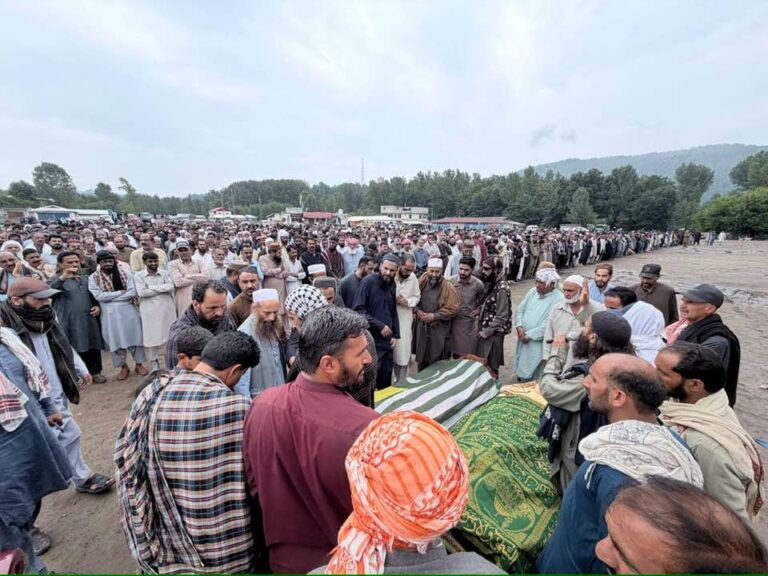
RAWALAKOT, Pakistan-administered Jammu & Kashmir — Security forces continued operations for a second consecutive day on Tuesday to prevent participants of an ongoing Long March from advancing through several parts of Pakistan-administered Jammu and Kashmir, as reports from local sources indicated a sharp rise in civilian casualties.
According to information compiled by The Azadi Times from eyewitnesses, local journalists, hospital officials, civil society representatives, and community members, at least 37 civilians were reportedly killed across Rawalakot and Mirpur during two days of clashes, while more than 100 others were injured.
Independent verification of all casualty figures remains difficult because of restrictions on media access, disruptions in communication, and the absence of a consolidated official casualty list.
The latest violence marks one of the deadliest episodes since protests began on June 5, when demonstrations emerged over political grievances and expanded into a wider movement calling for institutional reforms, accountability, and broader public demands across Pakistan-administered Jammu and Kashmir.
Protesters Attempt to Enter Rawalakot
On Tuesday, demonstrators participating in the Long March attempted to enter Rawalakot through three major routes—Baldiya Adda, Kharak Road, and D-Chowk.
Witnesses said large contingents of security personnel blocked each entry point before protesters reached the city centre.
Residents told The Azadi Times that security forces repeatedly fired live ammunition and tear gas in an effort to disperse crowds. Intermittent firing and shelling reportedly continued until around midnight, leaving several parts of the city under heavy security presence.
Local medical workers confirmed receiving dozens of casualties throughout the day.
Hospital sources and local volunteers confirmed that 13 civilians were killed on Tuesday in Rawalakot, although several residents expressed concern that the final number could increase as additional victims were being identified.
Authorities had not issued a comprehensive official statement regarding the reported deaths at the time of publication.
Death Toll Climbs to 37
Local sources reported that 22 civilians had already lost their lives during Monday’s clashes in Rawalakot.
With Tuesday’s reported fatalities, the number of civilians killed in Rawalakot over two days rose to 35, according to local community representatives.
Separate incidents in Mirpur resulted in two additional confirmed civilian deaths, bringing the combined reported death toll across the two districts to 37.
Medical sources estimated that well over 100 people sustained injuries during the two days of unrest, many of them suffering gunshot wounds, injuries from tear-gas projectiles, or blunt-force trauma sustained during the confrontations.
Emergency departments in Rawalakot remained under pressure as ambulances continued transporting injured protesters throughout Tuesday evening.
Reported Civilian Deaths Since June
According to organizers associated with the protest movement and local monitoring groups, 82 civilians have reportedly been killed between June 5 and July 28 during demonstrations and security operations across Pakistan-administered Jammu and Kashmir.
Those figures have not been independently verified by international human rights organizations, and no official cumulative casualty figures have been released by authorities.
Nevertheless, rights advocates say the reported toll reflects a significant escalation in the confrontation between protesters and security forces over the past several weeks.
Victims Identified in Tuesday’s Violence
Local community representatives identified those reportedly killed in Rawalakot on Tuesday as:
- Osama Jameel (Mang, Sudhnoti)
- Roman Mahmood (Birota Pachhiot, Rawalakot)
- Abrar Hasrat (Horna Meera, Rawalakot)
- Sardar Shehbaz (Tahliyan, Sudhnoti)
- Qari Abdul Basit (Nar Kothian, Thorar)
- Javed Yasin (Mang, Sudhnoti)
- Shaukat Hayat (Matial Meera, Rawalakot)
- Abdul Razzaq, son of Ishaq (Dhingron, Mang)
- Rizwan Aslam (Mang, Sudhnoti)
- Muhammad Aziz Khan (Rawalakot)
- Shehbaz Mushtaq (Kharak, Rawalakot)
- Husam Banaras (Darek, Rawalakot)
Community members also confirmed the death of Farukh Aziz, who had sustained critical injuries during Monday’s clashes and later succumbed to his wounds.
Family members and residents gathered in several towns to receive the bodies of those killed, while funeral prayers were held in their respective hometowns under heightened security.
Some relatives told local journalists that delays in the release and transportation of bodies added to the difficulties faced by grieving families.
Mirpur Protest Turns Deadly as Security Forces Open Fire
While violence continued in Rawalakot, a separate protest in Mirpur also ended in bloodshed on Tuesday after security forces reportedly opened fire on demonstrators near Ban Kharman.
According to local residents and community representatives, protesters had gathered to express solidarity with participants of the Long March and to condemn the ongoing security operation in Rawalakot.
Local sources confirmed that two civilians were killed during the incident:
- Raja Tauqeer Alam, a resident of Ban Kharman, Mirpur.
- Imam Inayatullah, a mosque imam from Kharian in Pakistan’s Punjab province who was reportedly present during the protest.
Witnesses told The Azadi Times that dozens of people sustained injuries after security personnel fired at demonstrators.
Several local sources claimed that the death toll in Mirpur could be as high as six, though The Azadi Times has not been able to independently verify those claims, and no official confirmation had been issued at the time of publication.
Hospitals Receive More Than 100 Casualties
Hospitals across Rawalakot remained overwhelmed as ambulances and private vehicles continued transporting wounded protesters throughout Tuesday.
Medical personnel told The Azadi Times that emergency wards were operating under significant pressure due to the continuous arrival of casualties.
According to hospital sources, more than 100 people have been injured during the two days of violence, while over 50 of those injuries were reported on Tuesday alone.
Among those admitted to hospitals on Tuesday were:
- Munir, son of Rashid (Baldiya Adda, Rawalakot)
- Wajid Arif (Dhingron, Mang)
- Haider Raza, son of Amjad (Taitri Note, Poonch)
- Ruwail Zareen
- Najeeb, son of Razzaq (Sardi Bhalgran, Thorar)
- Abdul Faisal, son of Afzal (Thorar)
- Ejaz, son of Sawalat (Mang)
- Taimoor Parvez (Patan Sher Khan)
- Amjad Shabbir (Patan Sher Khan)
- Afzal Makhan (Thorar)
- Taimoor Fazal (Sardi Bhalgran)
- Abdul Razzaq (Khoi Ratta)
- Muneeb (Patan Sher Khan)
- Afzal (Sardi Bhalgran)
- Aqib Talib (Dar)
- Muhammad Farooq Khan (Mang)
Medical workers said many patients suffered gunshot wounds, while others sustained injuries caused by tear gas projectiles, stampedes, or physical confrontations during attempts to disperse crowds.
Several critically injured patients were referred to larger medical facilities due to the severity of their wounds.
Demonstrations Spread to Neelum Valley
The unrest also spread beyond Poonch district on Tuesday.
Residents in Neelum Valley attempted to join the Long March by travelling toward Muzaffarabad, but were reportedly stopped by security forces before reaching the capital.
Local residents reported that security personnel used force to disperse demonstrators, including firing and tear gas shelling.
Multiple injuries were reported, although no official casualty figures were immediately available.
Community sources further claimed that Khawaja Mujtaba Bande, a core member of the Joint Awami Action Committee (JAAC), sustained a gunshot wound during the confrontation.
The organization had not released a detailed medical update regarding his condition by the time this report was published.
Protests Continue Across Kotli District
Solidarity demonstrations were also reported in Khoi Ratta and Charhoi, two subdivisions of Kotli district.
Participants condemned the reported killings in Rawalakot and demanded an end to the security crackdown.
Witnesses said protesters carried banners, chanted slogans, and called for accountability over the reported civilian deaths.
No major violence was reported from those demonstrations, although security remained heightened throughout the district.
Monday’s Victims Identified
Local community representatives identified the civilians reportedly killed during Monday’s violence in Rawalakot as:
- Osman Nazir (Rawalakot), younger brother of Umar Nazir Kashmiri
- Naeem Butt (Kotli)
- Nisar Shaheen (Pakhonar, Baloch)
- Kashif Yaqoob (Rawalakot)
- Sardar Fida Hussain (Garala, Tarar Khal)
- Muzammil Ishaq (Ali Sojal)
- Basit Shah (Hajira)
- Faheem Afzal (Chhota Gala)
- Kamran Mushtaq (Hajira)
- Zargham Khalil (Darek, Rawalakot)
- Saqib Hanif (Rerh Ban, Rawalakot)
- Saqib Ishaq (Namb Gawara, Pallandri)
- Areel Asghar (Tatta Pani)
- Osman Gul (Darek Dhoke, Rawalakot)
- Jaffir Pehlwan (Pappay Nar, Tarar Khal)
- Ali Hussain (Khari Sharif)
- Khawaja Abrar Latif Dar (Khurshidabad, Haveli)
- Kamran Hafeez (Kahuta, Haveli)
- Faisal Sabir (Namnota, Rawalakot)
- Suhail Maqbool (Bai Bheekh, Rawalakot)
- Tabish Qayyum (Chhota Gala)
- Farukh Aziz (Aniyari, Rawalakot)
Families continued funeral arrangements across several towns on Tuesday, while local residents reported large gatherings despite an increased security presence.
Relatives in some areas alleged delays in receiving the bodies of those who had been killed, though authorities had not publicly commented on those claims.
The mounting civilian casualties have intensified concerns among local communities, rights advocates, and political observers as the confrontation between protesters and security forces enters another critical phase.
Political Tensions Deepen Amid Mirpur Division Elections
The security crackdown unfolded against the backdrop of a politically charged election in Mirpur Division, further intensifying tensions across Pakistan-administered Jammu and Kashmir.
The Election Commission and the Pakistan Muslim League (Nawaz) (PML-N) stated that voter turnout exceeded 50 percent and announced that the ruling party had secured nine of the thirteen seats contested in the division.
However, the Pakistan Peoples Party (PPP) rejected the official results, claiming that voter turnout remained below 25 percent and alleging widespread electoral irregularities, including the casting of fraudulent votes. Party leaders called for an independent review of the electoral process and questioned the credibility of the announced results.
Election authorities had not publicly responded in detail to the allegations at the time of publication.
Political analysts noted that the election dispute has added another layer of instability to an already volatile situation, as public demonstrations over governance and civil rights continue across several districts.
Rights Activists Prevented from Entering the Region
Separately, former Pakistani Senator Mushtaq Ahmad, accompanied by members of the Pakistan Rights Movement, attempted to travel from Islamabad to Rawalakot on Tuesday to express solidarity with protesters and visit affected families.
According to members of the delegation, police stopped their convoy at Azad Pattan, one of the main entry points into Pakistan-administered Jammu and Kashmir, and prevented them from proceeding further.
Officials reportedly informed the group that they would not be permitted to enter the region.
Authorities had not publicly explained the reasons for restricting the delegation’s entry by the time this report was published.
Funeral Prayers Held Across Multiple Districts
As the violence subsided late Tuesday, funeral prayers were held across Rawalakot, Sudhnoti, Haveli, Hajira, and other parts of the region for those who had lost their lives during the two-day confrontation.
Large numbers of mourners attended funeral processions in several towns and villages despite heightened security.
Local residents told The Azadi Times that some families experienced delays in receiving the bodies of their relatives, while others said transportation restrictions complicated funeral arrangements.
Community members described an atmosphere of grief and uncertainty as families buried those killed during the unrest.
Protest Movement Continues Despite Crackdown
Despite the reported casualties, organizers indicated that the broader protest movement remains active.
Demonstrations continued in multiple districts, with participants reiterating demands related to governance, accountability, and political reforms.
Community representatives said the Long March has evolved into one of the largest protest movements witnessed in Pakistan-administered Jammu and Kashmir in recent years, drawing participants from Poonch, Mirpur, Kotli, Muzaffarabad, Neelum Valley, Bagh, Haveli, and surrounding areas.
Local observers cautioned that continued confrontation between protesters and security forces could further escalate tensions unless meaningful dialogue takes place.
Growing Calls for Independent Investigation
Human rights advocates and members of civil society have called for an independent investigation into the reported use of force during the protests.
Several local organizations urged authorities to ensure accountability, protect civilians, and allow independent journalists and humanitarian observers unrestricted access to affected areas.
Legal experts also emphasized the importance of transparent investigations into every reported civilian death and injury in accordance with domestic law and international human rights standards.
At the time of publication, no announcement had been made regarding the establishment of an independent inquiry.
Information Restrictions Complicate Verification
The evolving situation has made independent verification particularly challenging.
Journalists, local residents, and rights groups cited communication disruptions, movement restrictions, and limited access to affected locations as major obstacles to documenting developments on the ground.
As a result, some casualty figures and eyewitness accounts remain subject to further verification.
The Azadi Times will continue to update this report as additional information becomes available from official authorities, medical institutions, independent observers, and local sources.
Editorial Note
This report has been compiled by The Azadi Times using information obtained from local journalists, eyewitnesses, hospital personnel, community representatives, and civil society organizations across Pakistan-administered Jammu and Kashmir.
Andrew Theodorou: From Boardroom Strategy to AI-Driven Social Impact — A 25-Year Journey in Digital Transformation, Cybersecurity, and Mission-Driven Innovation

In an era where artificial intelligence is reshaping industries and cybersecurity threats continue to evolve, the professionals who thrive are those who refuse to specialize in isolation. Andrew Theodorou stands as an example of this multidisciplinary approach — a design consultant, project management expert, and certified AI and cybersecurity specialist whose career spans more than 25 years across the UK finance, property, technology, and business development sectors.
But what distinguishes Theodorou from many consultants navigating today’s digital landscape is not merely the breadth of his expertise. It is the deliberate, values-driven trajectory of his career — one that has evolved from optimizing corporate infrastructure to building technology platforms designed to protect the most vulnerable members of society, while maintaining a firm commitment to privacy, confidentiality, and ethical responsibility.
Bridging Strategy and Technology: A Career Built on Practical Experience
Theodorou’s professional foundation was laid in the United Kingdom’s financial and business sectors. Early in his career, he served within the UK financial sector at Morgan Stanley Dean Witter, where he worked in B2B direct client acquisition — a role that demanded strategic acumen and the ability to build trust at institutional levels. This experience provided him with an understanding of how large organizations operate, scale, and protect their interests.
His trajectory then led him to Ernst & Young (EY), where his focus shifted toward robust data security protocols. At EY, Theodorou developed a sophisticated understanding of enterprise-level cybersecurity frameworks — knowledge that would later become central to his professional identity as the digital threat landscape intensified.
The technology sector came next, with a role at CTI Data Solutions that exposed him to carrier-grade software solutions, e-billing platforms, advanced analytics, cloud-based interaction recording, and call logging infrastructure. This period was formative: it taught Theodorou how to evaluate, implement, and optimize complex technology stacks — skills that would prove invaluable as businesses began their digital transformation journeys.
An early adopter in the property technology space, Theodorou also coordinated a holiday letting management business in the South East of England, demonstrating his ability to apply digital strategy to traditional industries. As a lead consultant for The Harley Group, he oversaw end-to-end project coordination, transforming business concepts into fully branded, high-functioning market contenders. His portfolio scaling methodology included maximizing ROI through strategic acquisition and optimized operational models, building custom CRM systems and site architecture from the ground up, and executing comprehensive marketing and brand promotion strategies.
Alongside his consulting work, Theodorou spent over two decades managing property portfolios — handling contracts, lettings, refurbishments, and full renovations. This work ran parallel to his other roles and provided a steady education in long-term operational management.
His earliest business education, however, came even earlier. As a teenager, he worked in his father’s souvenir business in central London, managing stock, coordinating staff, and learning the rhythms of day-to-day operations. “It was an education in time management and people skills,” he reflects. “You learn quickly that business is about people first.”
“What I’ve learned over 25 years is that technology is only as powerful as the strategy behind it,” Theodorou notes. “Every system, every platform, every AI model — they all need a human-centered purpose. Without that, you’re just building faster ways to solve problems that don’t matter.”
Certified Expertise in the Age of AI and Cybersecurity
As the global economy pivoted toward artificial intelligence and cybersecurity became a boardroom priority, Theodorou made a deliberate choice: he would not merely observe these transformations from the sidelines. He would retrain, recertify, and reposition himself at their intersection.
Today, Theodorou holds multiple industry-recognized certifications that reflect both the depth and currency of his expertise. He is certified in Agentic AI — the emerging field focused on autonomous AI systems capable of independent decision-making and task execution. He holds credentials in Generative AI for Cybersecurity, positioning him to leverage AI not just as a tool for efficiency, but as a proactive defense mechanism against evolving digital threats.
His AI leadership certifications include AI Agents for Leaders and OpenAI Custom Assistant Development, enabling him to design and deploy bespoke AI solutions tailored to executive workflows and organizational needs. Complementing this is his specialist training in Cybersecurity & Data Privacy, with advanced data protection expertise applicable across multiple industries.
Currently, Theodorou is completing the IBM Ethical Hacking Professional Certificate — a rigorous program that equips professionals with the skills to identify, analyze, and neutralize cybersecurity threats from an offensive security perspective. This white-hat ethical hacking credential represents a comprehensive skill set that bridges strategic leadership with hands-on technical capability.
“The AI revolution hasn’t just changed the tools we use — it’s changed the threats we face,” Theodorou explains. “Organizations now need people who understand both sides: how to deploy AI for growth, and how to defend against those who would use it for harm. That’s the space I operate in.”
From Corporate Consulting to Social Impact Technology
While many seasoned consultants might view their late-career years as an opportunity to consolidate, Theodorou has taken a different approach. He is currently transitioning from independent contract work into a more structured professional phase — one that aligns his decades of expertise with a mission-driven purpose, while remaining firmly behind the scenes.
At the center of this transition are two ambitious technology initiatives that reflect Theodorou’s commitment to what he calls “solution-driven innovation.”
MyHaVn: Technology as a Shield Against Domestic Violence
The flagship project, MyHaVn (pronounced “My Haven”), is a social impact platform focused on improving personal safety — particularly for women and individuals affected by domestic violence. The platform is being developed in collaboration with survivors, researchers, and healthcare professionals to create evidence-based safety solutions supported by modern technology.
The name itself carries symbolic weight: “haven” represents a safe place, and the project embodies Theodorou’s belief that technology should serve humanity’s most pressing needs. MyHaVn is not merely a tech product; it is the culmination of years of research, survivor testimony, and cross-disciplinary collaboration aimed at creating practical, scalable solutions to a global crisis.
“Domestic violence is not just a social issue — it’s a public health emergency,” Theodorou states. “Technology has the power to provide early warning systems, secure communication channels, and evidence-based safety protocols that can literally save lives. That’s what MyHaVn is designed to do.”
However, Theodorou is quick to emphasize that this work operates under strict constraints. Due to the sensitive nature of domestic violence prevention and UK safeguarding requirements, much of the project remains confidential. Privacy and anonymity are not optional features — they are foundational principles. The team operates under strict non-disclosure agreements and confidentiality protocols to protect survivors, contributors, and all parties involved.
“Privacy is not a feature for us,” Theodorou states firmly. “It is the foundation. The people we are trying to help have already had their safety compromised. We will not compromise it again.”
The platform is currently in development and testing, with the team navigating complex legal and regulatory requirements inherent to personal safety technology. Theodorou and his collaborators are actively seeking investment to bring the platform to market, viewing funding as the catalyst that will enable years of research and development to reach those who need it most.
A Partnership Built on Complementary Strengths
While Theodorou prefers to remain behind the scenes, his business partner Dr. Tara Quinn-Cirillo serves as the public-facing specialist and media representative for their collaborative work. A respected expert in her field, Dr. Quinn-Cirillo brings clinical authority, public visibility, and media presence to their shared mission.
“She is the voice,” Theodorou says simply. “I am the architecture. That is how it should be.”
Their partnership reflects a clear division of labor: Dr. Quinn-Cirillo handles public engagement, interviews, and media representation, while Theodorou focuses on research and development, technical architecture, project management, and implementation. It is an arrangement built on mutual respect, shared ethical standards, and the understanding that not everyone needs to be in the spotlight to be essential to the mission.
Due to the sensitive nature of their work and UK safeguarding laws, any public mention of Dr. Quinn-Cirillo in relation to these projects is carefully reviewed and approved in advance. “Confidentiality in this area is of paramount importance,” Theodorou emphasizes. “We do not move forward with anything that could put her work or the people we serve at risk.”
MyJourney: Personal Development Through Technology
Complementing MyHaVn is MyJourney, a technology-driven initiative designed to support personal development, autonomy, and long-term positive social impact. While details remain under development, the project reflects Theodorou’s broader philosophy: that technology should empower individuals to grow, adapt, and contribute meaningfully to society.
Together, MyHaVn and MyJourney represent a pivot that many mid-career professionals contemplate but few execute — the deliberate channeling of corporate-honed skills toward social good, without sacrificing the ethical standards and privacy protections that the work demands.
A Philosophy of Continuous Evolution
Theodorou’s career trajectory offers a study in professional adaptability. Having witnessed the rise of the internet, the mobile revolution, the cloud computing era, and now the AI transformation, he has consistently positioned himself at the intersection of emerging technology and practical business application.
His educational background — a degree in Global Marketing and International Tourism — provided the commercial foundation upon which he built his technical expertise. But it is his commitment to continuous learning that has defined his longevity. In an industry where skills can become obsolete in months, Theodorou has made reinvention a core competency.
“Losing work after decades of experience, watching AI take over roles I once performed — it was a wake-up call,” he admits. “But it also clarified my purpose. I don’t want to just keep up with technology. I want to direct it toward problems that matter.”
This philosophy extends to his professional values: Innovation, Integrity, Continuous Learning, Leadership, Trust, Collaboration, Digital Excellence, Social Impact, and Long-Term Sustainability. These are not corporate buzzwords for Theodorou; they are the operational principles that guide his project selection, his client relationships, and his vision for the future.
He maintains a strong preference for working behind the scenes, prioritizing project integrity, ethical responsibility, and the privacy of those involved over personal recognition. “I have always been the person others rely on behind the scenes,” he says. “If I find myself the most experienced person in the room, I know it is time to find another room.”
Positioning for the Future: Business Development, AI Leadership, and Strategic Partnerships
As Theodorou re-enters the structured job market after years of independent consulting, he brings with him a rare combination of attributes: decades of cross-sector experience, cutting-edge technical certifications, a proven track record of project delivery, and a portfolio of mission-driven technology initiatives.
He is actively seeking collaborations with organizations, startups, investors, and businesses that share his vision of combining modern technology with practical business strategy. His ideal partnerships are those that recognize the competitive advantage of integrating AI, cybersecurity, and digital transformation into their core operations — while maintaining the ethical frameworks and privacy standards necessary for sustainable growth.
“The organizations that will thrive in the next decade are those that understand AI isn’t a replacement for human judgment — it’s an amplifier of it,” Theodorou argues. “My role is to help leadership teams navigate that transition without losing sight of their core mission or their ethical obligations.”
For investors and venture capital firms, Theodorou offers a seasoned operator with deep technical credentials who can bridge the gap between technical teams and executive leadership. For startups, he offers the strategic guidance of someone who has scaled businesses across multiple industries. For established organizations, he provides the cybersecurity and AI integration expertise necessary to remain competitive in an increasingly digital economy.
Conclusion: A Model for the Modern Professional
Andrew Theodorou’s career offers a perspective for professionals navigating the uncertain terrain of the AI era. His story demonstrates that expertise is not static — it must be continuously renewed, expanded, and redirected toward emerging challenges. It shows that technical skills, no matter how advanced, are most powerful when paired with strategic vision and ethical purpose. And it demonstrates that even after decades in the corporate world, it is possible — and necessary — to pivot toward mission-driven work.
As businesses worldwide grapple with AI integration, cybersecurity threats, and digital transformation imperatives, they need leaders who can operate across disciplines, think strategically, and execute with precision — while respecting the privacy and dignity of those they serve. Andrew Theodorou has spent 25 years becoming exactly that kind of professional.
Whether advising on AI implementation, strengthening cybersecurity frameworks, or building technology platforms that protect the vulnerable, Theodorou represents a professional approach that will only grow in demand: the multidisciplinary strategist who combines deep expertise with genuine social purpose, and who understands that the most important structures are often the ones you never see.
About Andrew Theodorou
Andrew Theodorou is a British multidisciplinary Design Consultant, Project Management Expert, and Innovation Specialist with over 25 years of experience across the UK finance, property, technology, and business development sectors. He holds certifications in Agentic AI, Generative AI for Cybersecurity, AI Agents for Leaders, and OpenAI Custom Assistant Development, and is currently completing the IBM Ethical Hacking Professional Certificate. He is the founder of MyHaVn (www.myHaVn.co.uk), a social impact platform focused on personal safety, and MyJourney, a technology-driven initiative for personal development.
Theodorou operates primarily behind the scenes, focusing on research and development, strategic architecture, and practical implementation. His business partner, Dr. Tara Quinn-Cirillo, serves as the public-facing specialist for their collaborative work. Due to the sensitive nature of his projects in domestic violence prevention and personal safety, Theodorou maintains strict professional confidentiality and operates under non-disclosure agreements and UK safeguarding protocols.
For media inquiries, partnership opportunities, or consulting engagements, contact through the official channels linked above.
The Quiet Architect Reshaping Germany’s Rust Belt Real Estate
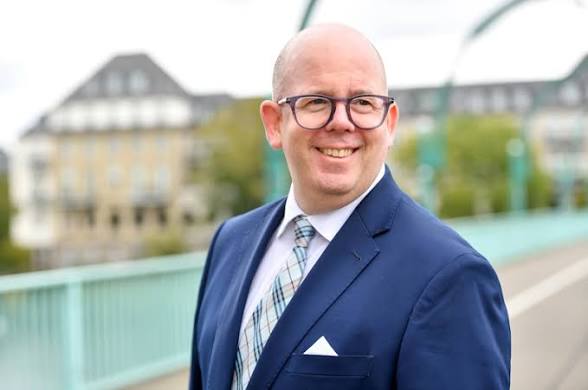
How Marcus Wellhöner is rebuilding Germany’s industrial heartland, one relationship at a time.
The Ruhr Valley doesn’t make global headlines. It is a region of steel mills and coal mines, defined more by its industrial decline than its modern renaissance. But walk through Mülheim an der Ruhr today, past the green bridges over the Ruhr River, and you’ll find a quiet revolution in real estate—led by a man who doesn’t want to be famous.
His name is Marcus Wellhöner. If you haven’t heard of him, that is very much on purpose.
“I never wanted to be the face on a billboard,” Wellhöner tells me, sitting in his modest Mülheim office. It looks more like a craftsman’s workshop than a corporate headquarters. “Real estate is about relationships. You can’t automate trust.”
At 52, Wellhöner is the managing partner of the Wellhöner Group, a four-division real estate services company. Since founding the firm in 1993, he has turned a one-man operation into one of the most respected names in Germany’s property market, handling everything from residential sales to commercial management.
But here is what makes his story relevant in 2026: he is not just surviving in a traditional industry; he is actively reshaping it with a mix of old-school values and futuristic thinking.
The Apprentice Who Built an Empire
Wellhöner didn’t study business at a top university. He trained as a certified real estate agent (Immobilienkaufmann) from the ground up.
“I worked through every role,” he says. “Management of residential properties, commercial buildings, retail spaces. I saw what worked and what didn’t. The big firms treated clients like numbers. I wanted to do the opposite.”
That philosophy led to a unique corporate structure. In 2017, rather than keeping everything under one roof, he split the company into four independent limited partnerships. Each vertical serves a specific need:
· Wellhöner Immobilienmanagement: Brokerage and property management.
· Wellhöner Consulting: Advisory services.
· Wellhöner Facility Services: Maintenance and technical services.
· Wellhöner Immobilienvermittlung: Sales and leasing.
“A residential tenant has different needs than a commercial investor,” he explains. “Specialization lets us serve each client properly.”
The Certification No One Asked For (But Everyone Needs)
In an industry where anyone can call themselves a broker, Wellhöner pursued a formal certification: DIN EN 15733, a quality standard for real estate services.
“Clients don’t always ask for it,” Wellhöner admits. “But when they see it, they understand: this isn’t a side hustle. This is a profession.”
That professionalism extends to his digital infrastructure. The group uses Pricehubble for AI-assisted valuations, offers 360-degree virtual tours, and uses paperless administration.
But Wellhöner insists technology is a tool, not a replacement.
“AI can tell you what a property is worth today,” he says. “It can’t tell you whether the seller is going through a divorce and needs to close fast. That requires a human being who listens.”
Leading the Industry Forward
In July 2021, the Bundesverband für die Immobilienwirtschaft (BVFI) —Germany’s leading professional real estate association—appointed Wellhöner as its Regional Director for Mülheim an der Ruhr.
In this role, he acts as the primary liaison between the property sector and local government, advocating on issues from rent controls to zoning regulations.
“People expect me to know what I’m talking about,” he says. “I take that seriously.”
The AI Revolution Nobody Saw Coming
Ask Wellhöner about artificial intelligence, and you don’t get polite nodding. You get a detailed analysis.
He notes that job postings requiring AI competencies in real estate have surged by 277 percent within a single year.
“That’s structural transformation,” he says. “For an industry long considered innovation-averse, that’s a clear signal.”
He is excited about AI-driven valuations and predictive maintenance, but he also sees a shift in how clients find properties.
“People aren’t just searching Google,” he explains. “They ask AI assistants directly: ‘What’s a fair price for a three-bedroom apartment?’ The recommendation comes as a single answer—not a list of search results.”
The Wellhöner Group has adapted, optimizing their digital strategy for these AI-driven platforms—a move that sets them apart from older, slower competitors.
Sustainability as Economics
If AI is Wellhöner’s forward-looking obsession, sustainability is his moral conviction—and, he argues, his business case.
“The building sector is responsible for a massive share of CO2 emissions,” he says. “Anyone ignoring sustainability will struggle to find financing.”
But he frames it as an opportunity.
“A well-insulated building costs less to operate and commands higher rents. That’s not idealism. That’s economics.”
His facility services division now offers energy audits and “green” renovation consulting, helping clients improve both environmental performance and asset value.
The “Trust” Equation
Spend time with Wellhöner, and he returns to three words: Vertrauen (trust), Zuverlässigkeit (reliability), and Mensch (human being).
“Trust doesn’t happen overnight,” he says. “It has to be built and maintained.”
That philosophy has built a client roster that includes private individuals, family offices, and publicly listed property holders. The common thread is the expectation of personal attention.
“We’re a family-run business,” Wellhöner says. “The owners work actively in the company and are personally accessible. That’s not marketing speak. That’s how we operate.”
The Future
As our conversation winds down, I ask Wellhöner about the future.
“The real estate industry is at an inflection point,” he says. “Demographics are shifting. Energy requirements are tightening. Technology is accelerating. The firms that survive will adapt without losing their humanity.”
Outside his window, the Ruhr River flows past, green and steady. The bridges arch overhead. In the distance, a train rumbles by—the sound of an industrial region refusing to be defined by its past.
Marcus Wellhöner stands at the window, watching. The quiet architect of Germany’s rust belt real estate renaissance.
Still building. Still listening. Still doing the work.
About the Author: This article was reported from Mülheim an der Ruhr, Germany, with additional research from industry publications and public records.
For more information: marcus-wellhoener.de | wellhoener.immobilien
Jhonny Be Good: An Independent DJ Exploring the Global Sounds of Afro House and Latin House
Las Vegas, Nevada — Independent DJ and music producer Jhonny Be Good is developing his career through a blend of Afro House and Latin House, combining rhythmic percussion, melodic arrangements, and modern electronic production. Originally from Mexico City, Mexico, and now based in Las Vegas, Nevada, he continues to release music while expanding his presence on digital streaming platforms.
Music has remained at the center of Jhonny Be Good’s creative journey. Drawing inspiration from internationally recognized artists such as Black Coffee, Caiiro, Maz, Juno, and Francis Mercier, he has cultivated a production style that reflects both African-inspired grooves and Latin musical influences. His work focuses on creating energetic, melodic tracks designed for both club environments and digital audiences.
As an independent artist, Jhonny Be Good manages his musical development while embracing the flexibility that comes with releasing music through online streaming services. This approach allows him to connect directly with listeners and continue refining his artistic identity without being limited to traditional music industry pathways.
His available releases include the 2023 single “Pop That Thang Baby,” which introduced listeners to his production style, followed by his featured appearance on “16BARZ” (2026). These releases contribute to his growing digital catalog and reflect his ongoing commitment to electronic music production.
Based in Las Vegas—one of the world’s most recognized entertainment destinations—Jhonny Be Good continues to explore new creative opportunities while expanding his musical portfolio. His productions emphasize groove, atmosphere, and melodic storytelling, characteristics commonly associated with contemporary Afro House and Latin House.
The rise of digital music platforms has enabled independent producers to reach audiences across different countries, and Jhonny Be Good is part of this evolving landscape. Through streaming services, listeners can access his music and follow his artistic development as he continues creating new material.
With a foundation rooted in electronic dance music and a focus on continuous artistic growth, Jhonny Be Good represents a new generation of independent producers building their careers through creativity, consistency, and digital distribution.
Discography
Pop That Thang Baby (Single, 2023)
16BARZ (featuring Johnny Be Good) (2026)
Music Platform
Apple Music Artist Profile:
https://music.apple.com/us/artist/johnny-be-good/1697824467
42 Lives Lost: Families Across Pakistan-administered Kashmir Mourn Victims as JKJAAC Protest Movement Enters Its Deadliest Phase
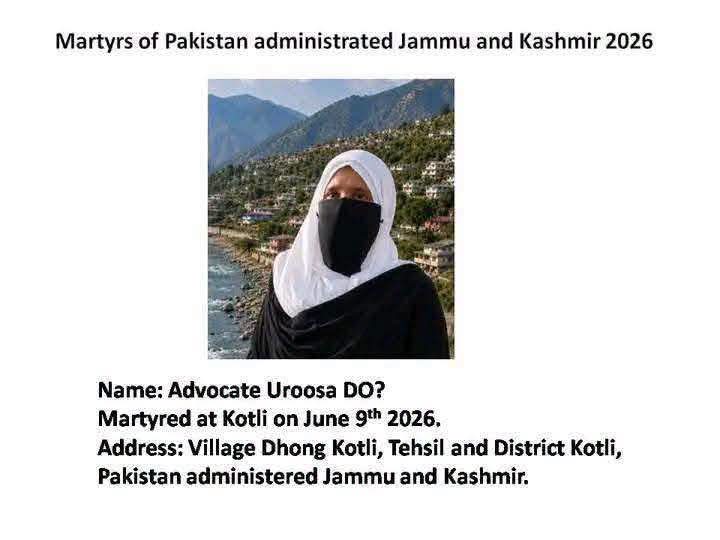
From Rawalakot to Kotli, Mirpur and Bagh, months of demonstrations have left dozens dead, deepening the political and humanitarian crisis across Pakistan-administered Kashmir.
The Azadi Times documents 42 reported protest-related deaths linked to the JACC movement across Pakistan-administered Kashmir, tracing the timeline, regional impact, and growing calls for accountability.
42 Reported Deaths Mark the Deadliest Phase of the Protest Movement
MUZAFFARABAD — Forty-two people have reportedly lost their lives in protest-related incidents across Pakistan-administered Kashmir since early June, making the ongoing Joint Awami Action Committee (JACC) movement one of the deadliest episodes in the region in recent years, according to information compiled by The Azadi Times.
The protests, which initially focused on governance, public rights and accountability, rapidly expanded into a region-wide movement involving thousands of people. Demonstrations spread from Rawalakot to Kotli, Mirpur, Bagh, Plandri and Sudhnoti, drawing support from communities throughout the region and among members of the Kashmiri diaspora.
For many families, the movement is no longer defined only by political demands but by the loss of loved ones whose deaths have profoundly affected their communities.
How the Crisis Escalated
According to information gathered by The Azadi Times, tensions sharply escalated after the death of Shazeb Habib in Rawalakot on 5 June 2026. Local activists described him as a close associate of JACC leader Umar Nazir Kashmiri.
A region-wide protest had originally been announced for 9 June, but following the events in Rawalakot, demonstrations intensified several days earlier and quickly spread across multiple districts.
Over the following weeks, reports of casualties continued to emerge from Kotli, Mirpur, Bagh, Plandri and Sudhnoti as confrontations and unrest persisted.
Communities Continue to Bear the Human Cost
The reported fatalities span nearly every major district of Pakistan-administered Kashmir.
According to documentation compiled by The Azadi Times, the reported victims include:
- Rawalakot: 11
- Kotli: 10
- Sudhnoti (Halqa Baloch): 9
- Bagh: 4
- Mirpur: 4
- Plandri: 4
Behind every number is a family whose life has been permanently changed. Many relatives continue to demand independent investigations, accountability and justice.
Diaspora Mobilisation
As the protests continued inside Pakistan-administered Kashmir, solidarity demonstrations were also organised by Kashmiri communities living abroad. Protest gatherings were reported in several countries, where participants called for greater international attention to developments in the region.
Despite these demonstrations, activists argue that the crisis has received limited international attention compared with other regional conflicts.
Human rights advocates have continued to urge respect for the rights to peaceful assembly, freedom of expression and due process while calling for transparent investigations into all reported deaths.
Calls for Accountability
Families of those killed, civil society representatives and protest organisers continue to demand impartial investigations into every reported death.
Legal experts and rights advocates say accountability remains essential for restoring public confidence and preventing further violence.
They have also called for protection of journalists, medical workers and peaceful demonstrators during periods of political unrest.
A Region Searching for Answers
More than six weeks after the first reported fatality, grief continues to shape communities across Pakistan-administered Kashmir.
Whether through memorial gatherings, funeral processions or peaceful demonstrations, families say the memories of those who died continue to drive demands for truth, accountability and justice.
8 More Killed in Poonch Division as Clashes Escalate; Several Injured, Three Critical, Situation Remains Tense
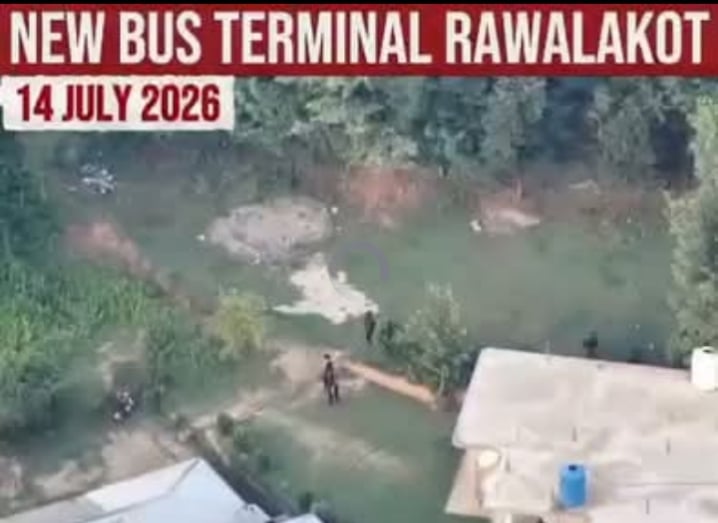
8 More Killed in Poonch Division as Clashes Escalate; Several Injured, Three Critical, Situation Remains Tense
RAWALAKOT / BALOCH / TARARKHAL — At least five people were killed and several others injured in multiple clashes that erupted overnight between Monday and Tuesday, and continued into Tuesday morning across Poonch Division of Pakistan-administered Jammu and Kashmir.
The incidents occurred as security forces advanced toward protest sit-ins in Baloch tehsil of Sudhnoti district and at the Rawalakot bus terminal. While no official confirmation has been issued by government authorities, local sources reported that a convoy of forces marching from Kotli Sarsawa toward Baloch was intercepted by residents in Saran and Baloch. When locals attempted to block their passage, forces allegedly opened fire on the protesters.
According to local sources, the firing resulted in the on-spot deaths of Zahid Yaseen, an aspiring member of the Legislative Assembly, along with Zafar Mughal, Arslan Kabir, and Ehsanullah, all succumbing to bullet wounds. Multiple others were injured in the incident, including Raqeeb Abid and Ijaz, both critically wounded. Raqeeb Abid, who sustained two bullet injuries, has been referred to Rawalpindi for treatment.
A separate incident occurred during a security operation at the ongoing protest sit-in at the Rawalakot bus terminal. Local sources stated that Wajid Hayat, a resident of Soon Topa, was injured by gunfire during the forces’ action and later succumbed to his wounds. According to official sources, one Rangers personnel was also killed in the exchange of fire.
Residents reported that heavy and light weapons were used alongside tear gas shelling, injuring two young men. One of the injured youths, Nasir, was reportedly shifted to Pallandri Hospital after receiving initial medical aid.
Meanwhile, clashes between forces and civilians continue in Bethak Awanabad, where reports so far indicate two deaths and seven injuries. The deceased have been identified as Mansoor, a resident of Qillan Manshaabad, and Adeel Rafiq, a young man from Poth Bazaar. Adeel Rafiq is reported to be 17 years old.
Bethak Awanabad is located approximately 15 kilometers from Baloch Bazaar, the headquarters of Baloch tehsil, in the direction of Tararkhal. Forces are reportedly attempting to move from Baloch toward Tararkhal or beyond the Poonch sit-in to Banjonsa and Khai Gala. Following the Baloch incident, residents have blocked roads in Bethak Awanabad and surrounding markets to obstruct the forces’ advance, while shelling and firing in Bethak Awanabad continue.
The situation across Poonch Division remains extremely tense following these incidents. No official information is being released by government authorities; however, local sources report that curfew has been imposed in Tararkhal. Road blockades have been erected at various locations, security forces are patrolling urban areas, and traffic movement has been severely disrupted in several regions.
To date, no formal confirmation or detailed statement regarding the killings or other incidents has been issued by the government, district administration, or relevant security institutions.
It is noteworthy that the Jammu and Kashmir Joint Public Action Committee has announced a Long March toward Muzaffarabad on July 15.
Chandler Carson: From Family Values to Multi-Industry Entrepreneurship and Creative Innovation
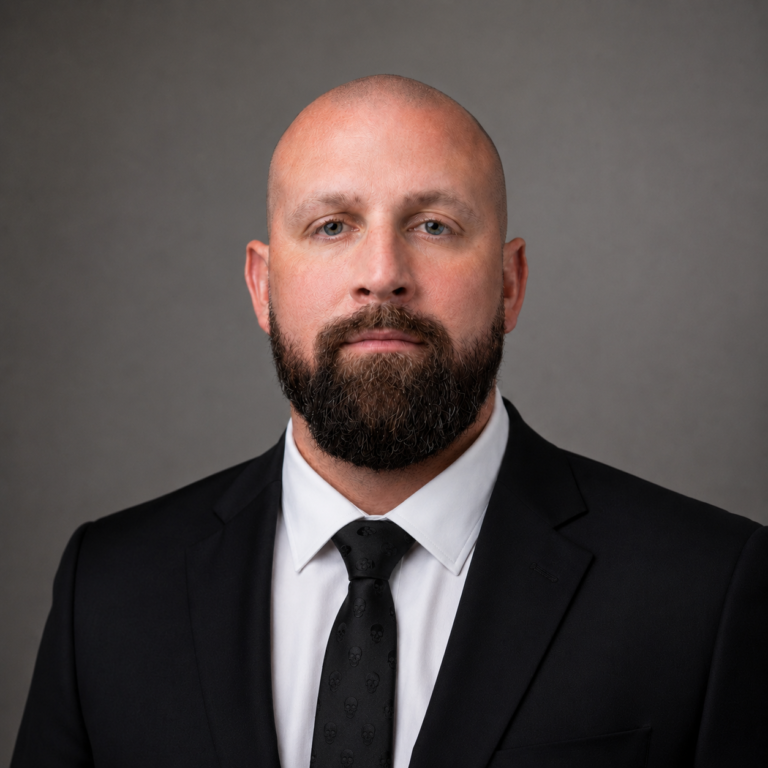
In an era where many entrepreneurs focus on a single industry, Chandler Carson has chosen a different path—building businesses while pursuing creativity, all grounded in the values he learned growing up in Provo, Utah.
Born on May 5, 1994, Carson’s story is one of perseverance, family influence, and entrepreneurial ambition. From helping shape a modern car wash company to launching an automotive performance brand and releasing original music, his journey reflects the growing trend of entrepreneurs who combine business leadership with creative expression.
A Foundation Built at Home
Carson often credits his upbringing as the driving force behind his career. Raised in a family where discipline, integrity, and compassion were everyday principles, he developed an appreciation for hard work at an early age.
His father spent years in the car wash industry, introducing him to customer service, business operations, and the importance of earning trust through consistent work. Those experiences became the foundation for Carson’s own entrepreneurial mindset.
Equally influential was his mother, whom he describes as both caring and firm. She emphasized honesty, respect, humility, and treating others with dignity—qualities Carson says continue to guide his decisions in business and life.
Growing up alongside his sister, Estelle, also helped shape his outlook. Carson has frequently acknowledged her intelligence and support, describing his family as the greatest source of motivation throughout his life.
Education and Early Interests
Carson attended West Ridge Academy, where he continued developing leadership skills and a strong work ethic. Public records also show his participation in school athletics during his time at the academy, reflecting an early commitment to teamwork and discipline.
Even during his school years, Carson remained interested in the automotive service industry that surrounded his childhood.
Building Velocity Carwash
In 2019, Carson and his business partners founded Velocity Carwash, transforming years of industry knowledge into a modern customer-focused business.
Rather than viewing the company simply as another commercial venture, Carson considers it the continuation of a family legacy.
According to those familiar with his leadership philosophy, customer satisfaction, employee development, and operational excellence remain central to the company’s vision.
His approach emphasizes creating businesses that not only generate economic growth but also contribute positively to their local communities.
Expanding into Automotive Manufacturing
Carson later expanded beyond the car wash industry by launching Carson Racing, a company producing performance wheels and automotive products designed for sports cars and trucks.
The business reflects another lifelong passion—performance vehicles and automotive engineering.
By combining practical experience with enthusiasm for automotive innovation, Carson has continued diversifying his entrepreneurial portfolio.
Music Beyond Business
Away from entrepreneurship, Carson expresses his creativity through music.
Recording under the artist name Toonskull, he releases original music on major streaming platforms including Spotify and Apple Music.
While business remains his primary professional focus, music offers another avenue for storytelling and artistic expression, illustrating a balance between commerce and creativity.
Leadership Through Character
Those who have worked alongside Carson frequently describe his leadership style as approachable, disciplined, and people-centered.
Rather than measuring success solely through revenue or expansion, Carson believes organizations should create opportunities for employees, support customers, and strengthen the communities they serve.
Among the principles he consistently highlights are:
- Integrity in business decisions.
- Respect for customers and employees.
- Continuous personal improvement.
- Long-term thinking over short-term gains.
- Generosity and community service.
These values, according to Carson, represent the true definition of sustainable success.
Looking Ahead
As Carson continues expanding his business interests across automotive services, manufacturing, and creative industries, he remains committed to the principles established during childhood.
His long-term vision extends beyond financial achievement, focusing instead on building organizations that create lasting value for employees, customers, and future generations.
For Carson, entrepreneurship is ultimately about service—serving customers through quality businesses, serving communities through responsible leadership, and inspiring others to pursue meaningful work with honesty and determination.
In an increasingly competitive business environment, Chandler Carson’s journey demonstrates how family values, entrepreneurial vision, and creative ambition can intersect to build a career that reaches beyond a single industry.
Whether through business innovation, automotive entrepreneurship, or music, Carson continues working toward a legacy defined not simply by success, but by positive impact.
JAAC Leader Alleges Excessive Force, Civilian Killings During Kotteri Operation in Pakistan-administered Kashmir
Muzaffarabad | July 10, 2026 — A senior leader of the Joint Awami Action Committee (JAAC) has accused Pakistani security forces and local police of using excessive force during the Kotteri incident, alleging that three civilians were killed and several homes were raided during a security operation.
In a statement, Sardar Umar Nazeer Kashmiri alleged that personnel from the Pakistan Rangers, Frontier Corps (FC), Pakistan Constabulary (PC), Islamabad Police, and Azad Kashmir Police carried out operations against what he described as peaceful protesters. He further claimed that three young men—identified as Mustafa Rahim, Nasir Nazeer of Makhyala, and Siddiq of Barah Bari—were killed during the operation.
The Azadi Times has not independently verified these allegations.
Allegations of Property Damage and Raids
Kashmiri also alleged that security personnel conducted raids on several homes, including those belonging to Nasir Khurshid, Haris Haroon, and members of their families. According to his statement, valuables including cash and a laptop were taken during the raids, while other household property was allegedly damaged.
He further claimed that the homes of Adil Kabir and a neighboring widow were also searched during the operation.
These allegations could not be independently verified, and no official investigation confirming the claims has been made public at the time of publication.
Calls for Accountability
The JAAC leader accused senior administrative and police officials, including the Inspector General of Police, the Deputy Inspector General, and the Commissioner of Poonch Division, of authorizing the operation. He called for those responsible to be held accountable and demanded an independent and transparent investigation into the incident.
“Our movement is peaceful, and we will continue to expose what we believe are human rights violations,” Kashmiri said in his statement.
No Official Response Yet
At the time of publication, Pakistani authorities had not publicly responded to the latest allegations made by Sardar Umar Nazeer Kashmiri regarding the Kotteri incident. The Azadi Times has sought official comment and will update this story if a response is received.
Why This Story Matters
The allegations come amid heightened political tensions and an ongoing security crackdown following recent protests in Pakistan-administered Kashmir. Human rights organizations have repeatedly stressed that allegations involving the use of force, civilian deaths, or damage to private property should be subject to prompt, impartial, and independent investigations in accordance with international human rights standards.