Saturday, March 28, 2026
17.4 C
Srinagar
Home Blog Page 52

Kashmir’s Rural Crisis: Barbed Wire, Apple Orchards, and the Erosion of Farmers’ Rights

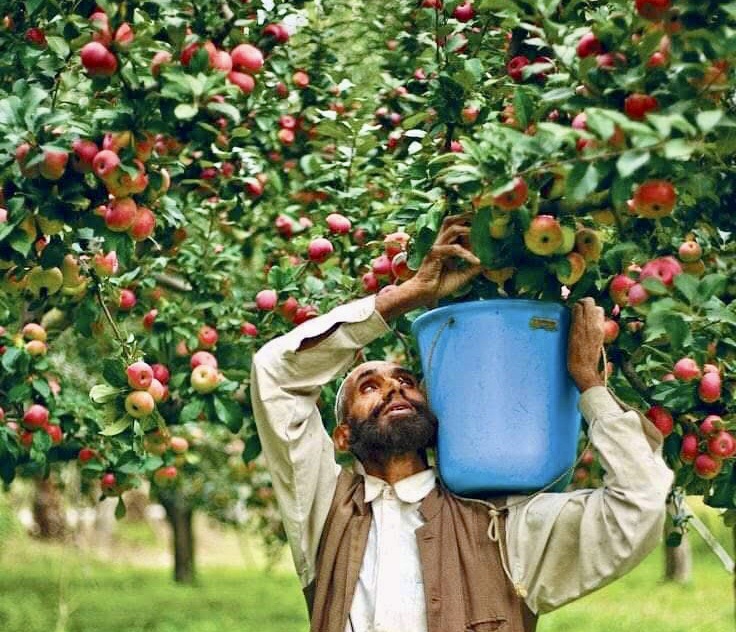
In the lush, scenic valleys of Kashmir, where paddy fields once rippled alongside the seasons, an invisible transformation is reshaping the countryside. Traditional rice fields are increasingly being replaced by lucrative apple orchards, often enclosed by barbed wire fences. Hidden within these fences, isolated pockets of rice land now stand as symbols of loss, deprivation, and legal helplessness. This is not just a story of changing land use, but a profound crisis affecting farmers’ livelihoods, economic independence, and fundamental land rights.

The Silent Spread of Apple Orchards in Kashmir

Over the past two decades, Kashmir’s apple economy has witnessed unprecedented growth. Driven by market profits, government subsidies, and soaring land values, many landowners have shifted from growing rice to cultivating apple orchards. While agricultural diversification is often seen as a positive trend, the widespread fencing of these orchards with barbed wire is creating a new rural crisis.

Barbed Wire Fences: Cutting Off Farmers from Their Own Land

Imagine a farmer with a small rice plot once connected to open rural pathways. Now, as neighbors convert their fields into orchards and fence them off, old access routes disappear. To reach his own field, the farmer must take long detours, navigate barbed wire, or trespass on someone else’s property, risking social conflict and legal trouble. What was once a shared landscape is now a patchwork of exclusion.

The Destruction of Kashmir’s Traditional Irrigation Network

Rice cultivation in Kashmir has always depended on koohl, traditional irrigation channels that carried glacial water to distant fields, maintained by a collective community effort. Today, many of these channels are either locked inside fenced orchards or diverted to prioritize the needs of apple trees. As a result, rice fields dry up, not due to drought, but because human-made barriers block the water. With no official records of these ancient channels, farmers are often denied the right to maintain or access them.

Legal Irony: Land Ownership Without Access

At the heart of this crisis is a striking legal paradox: farmers may own their land, but often cannot reach it. This is not only a violation of the Indian Easements Act of 1882—which guarantees a right of way for landlocked property—but also contravenes basic principles of natural justice. In rural Kashmir, most traditional paths were never formally recorded, making it nearly impossible for farmers to prove their rights in court. Without detailed land surveys (“Tatima Shajra”), government officials often refuse to acknowledge these access routes, pushing farmers into costly and uncertain legal battles.

Failure of Government and Local Administration

The revenue department, responsible for safeguarding land access rights, often turns a blind eye. Local officials rarely investigate or document the blocking of paths and irrigation channels, and courts frequently dismiss such cases as “civil matters,” leaving farmers powerless. As land use changes rapidly, legal and administrative protections have not kept pace—further marginalizing small landholders.

Social Breakdown and Erosion of Rural Community

This crisis is not just about land or water—it strikes at the heart of Kashmir’s rural social fabric. For centuries, village life revolved around shared responsibility: maintaining irrigation channels, providing access routes, and supporting each other through collective effort. Barbed wire fences have shattered these traditions, replacing cooperation with conflict. Minor disputes over water or access now escalate to police complaints and long-standing feuds, fracturing once-close communities.

A Roadmap for Solutions: Restoring Rights and Justice

This agricultural crisis in Kashmir is not inevitable. With timely, sensitive, and locally-driven interventions, the damage can be reversed. Key steps include:

  • Mapping and Recording Traditional Routes: All rural pathways and irrigation channels should be officially surveyed and entered into government records, ensuring no land is made inaccessible.
  • Legal Recognition of Historical Access: Where traditional access existed, authorities must formally acknowledge easement rights, as per the law.
  • Restoration of Traditional Irrigation Channels: Departments of irrigation and local governance should work together to reopen blocked channels and prevent future closures.
  • Regulation of Barbed Wire Fences: Local governments should prohibit any fencing that blocks another’s access to their own land.
  • Legal Awareness and Free Assistance: Farmers should be educated about their rights, and given access to free legal help to defend them.

Why Land, Water, and Access Rights Must Be Protected in Kashmir

While apple cultivation has brought prosperity and growth to some, it cannot come at the expense of basic human and legal rights. The right to farm, to water, and to access one’s land are fundamental and non-negotiable. Ignoring these rights risks not only the last remaining rice fields, but also the very roots of Kashmir’s rural society. True progress must be inclusive, just, and rooted in the protection of all especially the most vulnerable.


Kashmir’s future depends on restoring the balance between development and justice, where economic growth does not erase the rights, traditions, and dignity of its farmers. Land, water, and access are not privileges, but rights that must be protected for generations to come.

HIV Cases Reported in Kashmir: Health Department Mobilizes, Free Treatment Available at AIMS

Muzaffarabad (The Azadi Times | Pakistan Administered Kashmir): Following the confirmation of six new HIV cases in Azad Jammu & Kashmir, the region’s Health Department has launched an immediate response. The patients were identified during routine medical testing in various hospitals across Muzaffarabad,, the capital of Pakistan administered Kashmir.

Health Minister Nisar Ansar Abdali, speaking to the media, confirmed that action was initiated under direct instructions from the Prime Minister of Azad Kashmir and with the consensus of the cabinet.

“We are treating this issue with utmost seriousness,” said Abdali, adding that emergency meetings have been held with top health officials, and a visit to AIMS Muzaffarabad (Azad Institute of Medical Sciences) was conducted to assess the situation firsthand.

Free HIV Treatment Now Available at AIMS Muzaffarabad

In a significant move, the minister announced that free HIV testing and treatment services are now available at AIMS Muzaffarabad. Citizens are encouraged to come forward without fear or stigma.

“We are ensuring full confidentiality for patients,” Abdali stated. “No one should hesitate to seek help.”

WHO & NIH Actively Involved

The Azad Kashmir Health Department is working closely with the World Health Organization (WHO) and the National Institute of Health (NIH) to implement a strategic, science-based response to contain and manage the cases.

Task Force Formed, SOPs in Progress

A high-level task force has been established to address the crisis. The team includes:

  • Dr. Bushra Shams – WHO Representative

  • Dr. Murtaza – AIMS Muzaffarabad

  • Dr. Sardar Idrees, Dr. Naveed Ahmed (Deputy Director, RBC)

  • Dr. Sajjad Haider Awan, Dr. Ahmad Junaid, and Dr. Sardar Maroof (Dialysis Center In-Charge)

Currently, 60 patients are already receiving regular HIV treatment at AIMS.

The committee’s objective is to ensure the safety and hygiene of all medical units including dental departments, surgical rooms, blood transfusion centers, and dialysis units.

Additionally, the Health Department is extending its safety efforts beyond hospitals. Strict Standard Operating Procedures (SOPs) are being introduced for high-risk sectors such as:

  • Barbershops

  • Ear and nose piercing outlets

  • Tattoo and body modification providers

“These hidden transmission points must also be regulated to effectively stop the spread of infectious diseases,” said Minister Abdali.

Public Cooperation Key to Success

The Health Minister urged the public to support the government’s awareness and prevention efforts.

“When the government and citizens work together, success is not just possible — it’s guaranteed.”

Poor Internet Services Trigger Outrage in Kashmir: Protesters Shut Down Mobile Tower

Muzaffarabad (The Azadi Times): Frustrated by persistent internet connectivity issues, residents of Saidpur (Battal Bashah) in Muzaffarabad, Pakistan-administered Kashmir, took a bold stand on Monday by surrounding a jointly operated Zong and Telenor mobile tower and shutting it down in protest. The action comes after prolonged dissatisfaction with poor service quality and rising mobile package costs.

The protest, which gathered momentum over the past several days, reflects growing anger among citizens who rely heavily on mobile internet, particularly the thousands of freelancers, students, and online workers in the region.

“Our internet is barely usable, and yet we pay premium prices,” said one protester. “This is digital oppression. We will not remain silent.”

Locals have called on the Jammu Kashmir Joint Awami Action Committee to include the issue of poor mobile and internet service in their official charter of demands. They say the digital divide is not just a technological inconvenience—it’s a barrier to employment, education, and basic communication.

Despite four days having passed since the initial disruption, the affected tower remains offline, leaving the area in a digital blackout. Locals report that even emergency communication has become difficult.

In an even stronger statement, some protesters warned that if mobile companies fail to restore and improve services immediately, they will escalate the movement across the region.

“If the companies do not act, we will dismantle these towers ourselves,” warned a community leader. “This is not just about speed—this is about dignity.”

Background: A Region Digitally Isolated

Pakistan-administered Kashmir has long suffered from substandard digital infrastructure. Despite the increase in mobile penetration, consistent and high-speed internet remains a luxury in many areas. With frequent power outages, lack of fiber connectivity, and a lack of accountability from telecom companies, frustration has reached a tipping point.

Weather Compounding the Crisis

A government advisory issued earlier this week also warned of incoming storms and wind activity in several parts of Azad Kashmir. Local residents fear that if mobile towers are not fully functional before the storm, they could be completely cut off from communication during emergencies.

Top AJK Police Officer Removed After Arresting PM Secretariat Official – Politics or Justice?

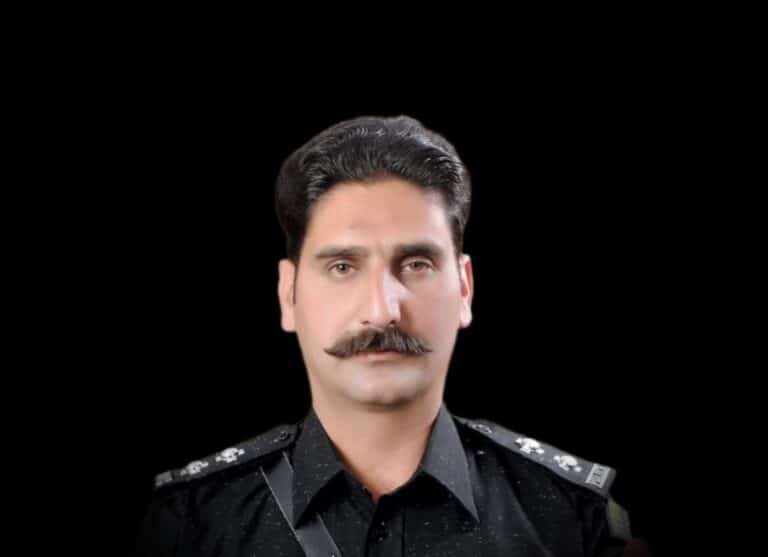
Muzaffarabad, AJK (Pakistan administrated Kashmir) — Investigation Desk: In a surprising move that has sparked debate across social and political circles in Pakistan administrated Kashmir Azad Jammu & Kashmir (AJK), the Station House Officer (SHO) of Police Station Secretariat Muzaffarabad, Inspector Raja Sohail Ahmed, was relieved of his duties and designated as Officer on Special Duty (OSD). The decision comes amid growing controversy surrounding recent high-profile arrests and allegations of misconduct within the police department.

Official Reason: ‘Weak Command & Control’

According to an official police order, Inspector Raja Sohail has been removed due to “inadequate command and control” following complaints of corruption and custodial misconduct involving his subordinate officers. A departmental investigation was triggered after a written complaint dated 21 June 2025, in which a citizen, Muhammad Aamir Chughtai of Kothi Muzaffarabad, accused ASI Tanzeel Siddique of demanding a bribe in return for facilitating bail for a detained individual—District Council Member Faisal Javed of Hattian Bala, Jhelum Valley.

When the bribe of PKR 5 lakh was allegedly refused and negotiated down to PKR 2 lakh but still not paid, ASI Siddique reportedly subjected the detainee to torture. The accused officer was suspended and referred to the Anti-Corruption Department for action under the misuse of authority provisions.

In the wake of this scandal, SHO Raja Sohail was removed by the orders of the Inspector General of Police, reportedly for his failure to exercise effective oversight of his subordinates.

Backstory: Arrests that Challenged Power Structures

However, observers say the official narrative may not tell the full story. In the weeks leading up to his removal, SHO Raja Sohail was involved in a series of high-profile arrests, including the detention of a Deputy Secretary from the Prime Minister’s Secretariat in a sexual misconduct case. That same case later saw the arrest of an official from the AJK Department of Information.

These arrests, according to civil society and independent journalists, struck at the heart of powerful political and bureaucratic interests. Multiple sources allege that efforts were made behind the scenes—including ministerial involvement—to secure the release of the detainees, pressure which Raja Sohail reportedly resisted.

The Incident That May Have Sealed His Fate

On 23 June 2025, police from the Secretariat Station intercepted a suspicious vehicle late at night. Inside were Faisal Javed (the same council member) and another individual, Tariq Khan, reportedly under the influence of alcohol and transporting liquor in a non-custom paid vehicle with fake license plates.

Subsequently, accusations surfaced that police demanded PKR 5 lakh in bribes and used excessive force. The matter took a more political turn when Jamal Dewan, son of sitting Minister Sardar Dewan Chughtai, was allegedly involved in an altercation at the SSP Office. While police have not officially confirmed Jamal Dewan’s involvement, sources claim he appeared at the station in connection with the arrest and was involved in a verbal and physical confrontation.

This series of volatile events culminated today in the abrupt transfer of SHO Raja Sohail, who has now been directed to report to Central Police Office, Muzaffarabad.

Public Outcry and Divided Opinion

While the official police stance emphasizes procedural shortcomings, a growing chorus of civil society voices, journalists, and social media commentators is portraying the move as a reprisal against upright policing. Critics argue that Raja Sohail’s real “fault” was upholding the rule of law in the face of political interference and refusing to compromise investigations involving influential individuals.

Some commentators have gone so far as to call his removal “a blow to police integrity” and a sign that honest officers risk isolation when they refuse to bow to political pressures.

What Comes Next?

The incident has left pressing questions in its wake:

  • Will the allegations of bribery and torture be investigated transparently?
  • Was Raja Sohail genuinely dismissed for poor oversight, or was this a politically motivated move?
  • Will the government authorize an independent inquiry to restore public trust?

In a region where institutional accountability remains a contested subject, this case could be a litmus test for how far the AJK administration is willing to go to protect justice over political convenience.

Until an impartial investigation is launched, the story of Raja Sohail remains not just about one officer’s career — but about the larger struggle for rule of law, police independence, and public confidence in AJK’s justice system.

Tensions Soar as Iran Strikes U.S. Military Base in Qatar Amid Escalating Regional Conflict

Doha, Qatar | Explosions shook areas near the U.S. military installation at Al-Udeid Air Base in Qatar on Monday, as Iranian state media announced the start of a retaliatory operation against American forces in the Gulf. The strike follows a sharp escalation in regional tensions after a series of U.S. attacks on Iranian nuclear facilities over the weekend.

The U.S. Embassy in Qatar swiftly issued a shelter-in-place advisory for American nationals, warning of a “developing security situation.” The extent of the damage and any potential casualties at the base, which houses roughly 10,000 U.S. personnel and serves as a strategic command hub for operations across the Middle East, remains unclear.

Qatar’s Foreign Ministry confirmed it had closed national airspace and suspended commercial flights as a “precautionary measure” amid fears that the violence could spiral into a broader regional war.

The airstrike marks a significant turning point, with direct confrontation between Tehran and Washington now unfolding beyond proxy engagements. Iran’s retaliatory move came just hours after Israel launched what its Defense Ministry described as a “historic and expansive” wave of airstrikes on strategic Iranian sites. The coordinated assaults have raised concerns of a full-scale war that could draw in multiple regional actors and disrupt global energy supplies.

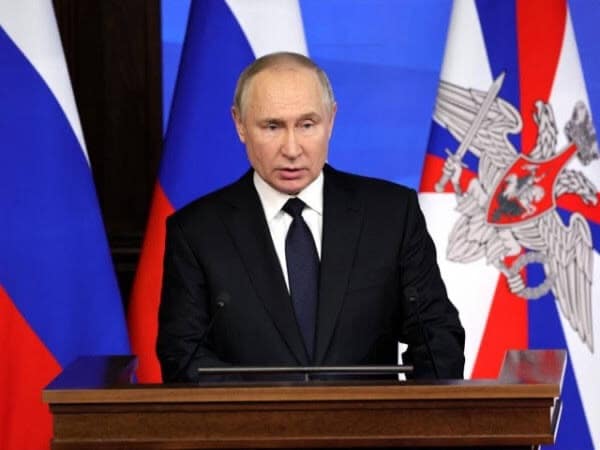
In a parallel diplomatic development, Russian President Vladimir Putin met with Iran’s foreign minister in Moscow, where he called for urgent negotiations to prevent further escalation. “The path forward must be de-escalation and dialogue,” Putin said, while also reaffirming Russia’s strategic partnership with Iran.

Analysts warn that continued tit-for-tat attacks could destabilize the already fragile balance of power in the region. “This is a dangerous moment,” said Lina Khoury, a regional affairs expert based in Amman. “If cooler heads don’t prevail, we could be looking at a military conflict unlike any the region has seen in decades.”

This is a developing story. Updates will follow as more information becomes available.

The Shimla Agreement: A Peace Accord or a Diplomatic Straitjacket for Kashmir?

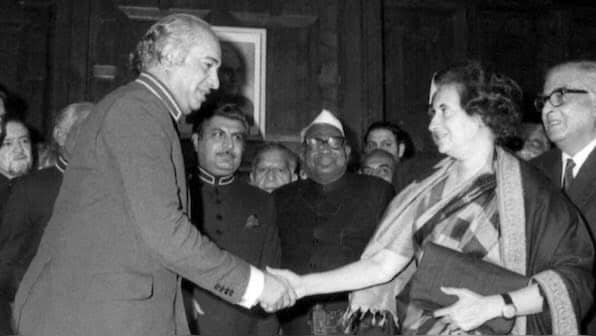
Over five decades have passed since the Shimla Agreement was signed on July 2, 1972, between the Prime Ministers of India and Pakistan, Indira Gandhi and Zulfikar Ali Bhutto, following the 1971 Indo-Pak war. While hailed by some as a diplomatic triumph for peace, others see it as a political trap—particularly from the perspective of the disputed territory of Jammu and Kashmir, whose people were not represented during its negotiation or implementation.

This report examines the Shimla Agreement in detail—its clauses, context, contested interpretations, and its long-lasting impact on Kashmir’s political future, with a focus on the perspective of the people of Jammu & Kashmir, especially those living under Pakistani and Indian administrations.

Historical Background

The Shimla Agreement came in the aftermath of a devastating war in 1971 between India and Pakistan, which led to the creation of Bangladesh. Pakistan had suffered a humiliating defeat, with over 90,000 of its soldiers taken as prisoners of war (POWs). Under immense political and military pressure, the then Prime Minister Zulfikar Ali Bhutto sought a deal with India to secure the return of the POWs and prevent further territorial losses.

India, led by Indira Gandhi, used this moment of leverage to negotiate what would later become a cornerstone of India’s Kashmir policy—an agreement that emphasized bilateralism over international mediation.

Key Provisions of the Shimla Agreement

The Shimla Agreement consists of several key commitments made by both countries:

  1. Bilateral Resolution of Disputes:
    All disputes, including Jammu & Kashmir, will be resolved bilaterally through peaceful means, without involving any third party.
  2. Respect for the Line of Control (LoC):
    Both sides agreed to respect the ceasefire line, now renamed the Line of Control, and not to alter it unilaterally, despite not recognizing it as an international border.
  3. Non-Use of Force:
    Both nations committed to renounce the use of force and seek peaceful coexistence.
  4. Withdrawal and Normalization:
    The agreement also laid the groundwork for the withdrawal of forces and resumption of diplomatic relations and trade.

India’s Interpretation and Strategic Use

India considers the Shimla Agreement as a binding bilateral treaty, effectively sidelining UN involvement in the Kashmir issue. Over the years, successive Indian governments have used it to:

  • Reject third-party mediation, including from the United Nations, the United States, or the Organisation of Islamic Cooperation (OIC).
  • Argue that all prior UN Security Council Resolutions are now obsolete.
  • Legitimize the status quo in Kashmir, even as it takes unilateral actions like the abrogation of Article 370 in August 2019.

For India, the Shimla Agreement essentially closes the door to any international forum addressing the Kashmir dispute, positioning it strictly as an India-Pakistan bilateral issue.

Pakistan’s Position and Strategic Concessions

While Pakistan initially signed the Shimla Agreement under strategic duress, over time, it has taken a more flexible and sometimes contradictory stance:

  • Pakistan insists that the agreement does not invalidate earlier UN resolutions, particularly the ones guaranteeing the right to self-determination for Kashmiris.
  • Yet, Pakistan also uses the agreement to support peace talks with India on Kashmir, invoking it to justify diplomatic overtures and track-II dialogues.

Critics argue that Pakistan, under Bhutto, compromised the international status of the Kashmir dispute by accepting bilateralism at a time of extreme national vulnerability.

The Kashmir Perspective: Silenced in Shimla

Perhaps the most significant omission from the Shimla Agreement was the complete absence of Kashmiri representation.

The fate of over 20 million people across Jammu & Kashmir—from Srinagar to Skardu, Poonch to Gilgit—was debated and decided by two states, neither of which consulted the principal stakeholders: the people of Kashmir.

This exclusion has led many Kashmiris—particularly in pro-independence and rights-based movements—to reject the legitimacy of the Shimla Agreement. From the JKLF to newer grassroots coalitions, a common sentiment is that Kashmir cannot be treated as a bilateral issue, because it is fundamentally a question of people’s rights, identity, and sovereignty.

Impacts on Kashmir’s Struggle and Regional Politics

1. Marginalization of International Forums

The Shimla Agreement served as a tool to sideline international efforts, particularly those rooted in UN resolutions calling for a plebiscite.

2. Stalling the Peace Process

Despite over 50 years of the agreement, no durable resolution has emerged. Bilateral talks have repeatedly collapsed, and both countries have fought multiple skirmishes and full-scale wars since.

3. Undermining Kashmiri Autonomy

India’s abrogation of Article 370 and 35A in 2019—which removed the special status of Jammu & Kashmir—has been widely criticized as a violation of the Shimla Agreement, which commits to not making unilateral changes affecting Kashmir.

4. Political Exploitation

Both countries have used the agreement to serve state interests. Where India uses it to fend off global scrutiny, Pakistan uses it to justify temporary ceasefires or diplomatic resets, often without meaningful gains for Kashmiris.

Legal and Ethical Questions

  • Does the Shimla Agreement override UN resolutions?
    From a legal standpoint, UNSC resolutions cannot be nullified by bilateral agreements, unless both parties officially withdraw from them.
  • Is it binding on Kashmiris who were not party to it?
    Ethically and legally, no political agreement is valid without the informed consent of the people it most directly affects.
  • Has it contributed to peace?
    While the agreement may have prevented large-scale wars in some cases, it has not provided a sustainable framework for peace or justice, especially in Kashmir.

Conclusion: A Diplomatic Mirage or a Foundation for Peace?

The Shimla Agreement remains a controversial landmark in South Asian diplomacy. For India, it’s a cornerstone of its Kashmir policy. For Pakistan, a historical compromise. But for the people of Kashmir—particularly those seeking self-determination or autonomy—it is seen as a betrayal, or at best, a blind alley that has failed to deliver justice, dignity, or resolution.

If peace in the region is ever to be meaningful, it cannot be built on exclusive bilateralism that ignores the voices of Kashmir’s people. A just and lasting resolution requires renewed international engagement, acknowledgment of Kashmiris as central stakeholders, and a rethinking of policies that treat the region as a bargaining chip rather than a homeland.

Protests Continue in Hunza as Gilgit-Baltistan Awami Action Committee Demands Release of Detained Leaders

    0

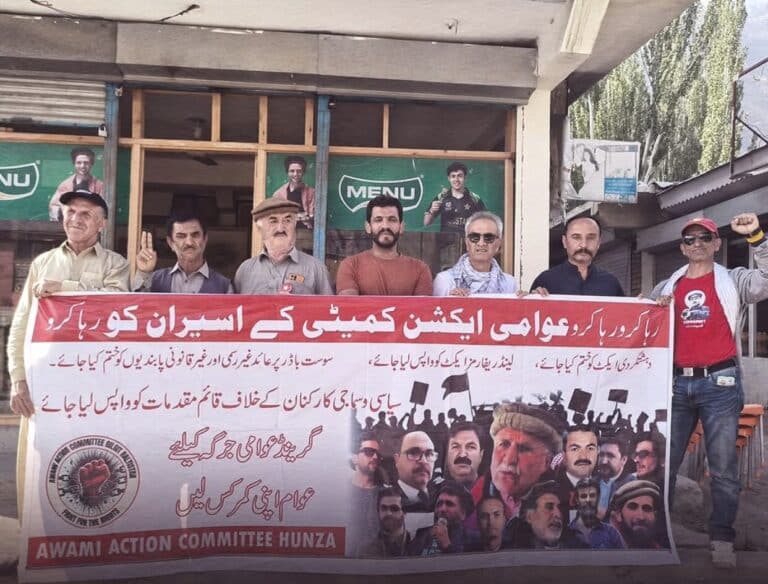
    Hunza, Gilgit-Baltistan, Pak administered Kashmir: A protest camp organized by the Gilgit-Baltistan Awami Action Committee (GBAAC) continues for the third consecutive day in Hunza, as part of a growing region-wide movement demanding the immediate release of detained committee leaders. According to The Azadi Times, demonstrations have been ongoing across Gilgit-Baltistan for several days, but the Hunza protest has emerged as a key focal point, drawing attention to the worsening political unrest in the region.

    The demonstrators allege that several prominent leaders of the GBAAC have been held in custody for over a month without due legal process. Protesters in Hunza describe the sit-in as a “resistance-based” action, reflecting growing public frustration over what they describe as the political suppression of voices calling for democratic and socio-economic rights within Gilgit-Baltistan.

    “We will not back down until our leaders are released,” said one protestor in Hunza. “These arrests are politically motivated, and we are peacefully resisting this injustice.”

    In a show of regional solidarity, protests were also reportedly held in Rawalakot, a city in Pakistan-administered Kashmir, where local citizens expressed support for the demands of the Awami Action Committee. Protesters there condemned the continued incarceration of GBAAC leaders and called on Pakistani authorities to respect democratic freedoms and civil rights.

    The Gilgit-Baltistan Awami Action Committee has long advocated for constitutional rights, local governance reforms, and economic justice in the region. Observers note that tensions have escalated in recent months following a wave of arrests targeting activists and civil society leaders associated with the movement.

    No official statement has yet been issued by the Pakistani government regarding the charges or legal status of the detained leaders, leading to increased criticism from human rights advocates who are calling for transparency and judicial accountability.

    “These continued detentions raise serious questions about freedom of expression and the right to peaceful assembly in Gilgit-Baltistan,” said a rights monitor based in Muzaffarabad.

    As the Hunza protest enters its third day, demonstrators vow to continue their peaceful sit-ins until their demands are met. The situation remains tense, and rights organizations are urging authorities to engage in dialogue and resolve the matter through legal and democratic means.

    This is a developing story and will be updated as more information becomes available.

    Renowned Kashmiri Singer Asif Hashmi Reported Missing from Rawalpindi After Alleging Threats

    Rawalpindi, Pakistan – June 23, 2025:
    Concerns are mounting over the reported disappearance of prominent Kashmiri revolutionary singer Asif Hashmi, who has allegedly gone missing from Rawalpindi under mysterious circumstances. The artist, known for his politically charged anthems advocating for the rights and autonomy of the people of Jammu and Kashmir, has not been in contact with his family since yesterday.

    Hashmi, who hails from Bagh district in Pakistani administered Kashmir and is ideologically affiliated with the Jammu Kashmir Liberation Front (JKLF), had recently expressed concerns about potential threats to his safety. Just a day prior to his disappearance, he posted on his social media accounts, warning of possible abduction by unknown individuals. His wife Nusrat Qureshi also echoed these concerns in separate social media statements, indicating heightened fear for his safety.

    The circumstances surrounding Hashmi’s disappearance remain unclear. Some speculate that he may have been forcibly taken, while others suggest he may have gone into hiding voluntarily. However, his family’s complete loss of contact with him has raised serious alarm among his supporters and human rights advocates.

    Human rights defenders have condemned what they describe as a possible case of enforced disappearance. “If there are any legal allegations against Asif Hashmi, he should be brought before a court of law, not disappeared in this manner,” said a family associate who requested anonymity. “This practice not only undermines the rule of law but spreads fear among voices advocating for Kashmiri self-determination.”

    Asif Hashmi is a well-known figure in Kashmiri cultural circles, recognized for his music that reflects the region’s aspirations and grievances. His association with the pro-independence JKLF has often placed him under scrutiny, though he has publicly maintained that his work is non-violent and cultural in nature.

    No official statement has yet been released by Pakistani authorities regarding his whereabouts. Independent observers and rights groups are calling for transparency and an immediate investigation into the case.

    The incident comes amid growing concerns over restrictions on freedom of expression in Pakistan-administered Kashmir and among Kashmiri activists. Many see Hashmi’s disappearance as part of a broader pattern targeting dissenting voices.

    International human rights organizations have previously raised alarms about the use of enforced disappearances in Pakistan, urging authorities to ensure due process and protect civil liberties.

    This is a developing story. Updates will follow as more information becomes available.

    Russia Condemns US Strikes on Iranian Nuclear Facilities, Calls for UN Action

    Moscow, Russia– Russia’s Foreign Ministry has strongly condemned recent U.S. missile and air strikes on Iranian nuclear facilities following Israel’s attacks, calling the move a blatant violation of international law and United Nations Security Council resolutions.

    In a sharply worded statement, the ministry accused the U.S. of undermining global security and escalating tensions in the already volatile Middle East.

    Violation of International Law

    The Russian Foreign Ministry stated that the attacks on Iran’s sovereign territory, regardless of justification, constitute a clear breach of the UN Charter and relevant Security Council resolutions.

    “The UN has consistently and unequivocally condemned such actions, especially given that these strikes were carried out by a permanent member of the Security Council,” the statement read.

    Risk of Further Instability

    The ministry warned that the consequences of the strikes—including potential radiological effects—remain uncertain and could severely destabilize regional and global security.

    “This attack significantly increases the risk of a major conflict in the Middle East, a region already grappling with multiple crises,” the statement emphasized.

    Blow to Non-Proliferation Efforts

    Russia argued that the strikes have dealt a severe blow to the global nuclear non-proliferation regime, particularly the Treaty on the Non-Proliferation of Nuclear Weapons (NPT).

    “These actions have significantly damaged the credibility of the NPT and the integrity of the International Atomic Energy Agency (IAEA)’s monitoring and verification mechanisms,” the statement said.

    Moscow called on the IAEA to respond “promptly, professionally, and transparently,” urging Director General Rafael Grossi to provide an “impartial and objective report” for discussion at an upcoming emergency IAEA meeting.

    Call for UN Security Council Action

    Russia demanded that the UN Security Council take a firm stance, collectively rejecting U.S. and Israeli actions that fuel conflict and instability.

    “We call for an immediate end to aggression and intensified efforts to bring the situation back to a peaceful diplomatic path,” the ministry declared.

    Escalating Tensions

    The strikes come amid heightened tensions between Iran and Israel, with fears of a broader regional war. Russia’s condemnation signals growing frustration with Western military interventions, further complicating diplomatic efforts in the Middle East.

    As international bodies assess the fallout, the world watches to see whether the UN and IAEA will take decisive action in response to what Moscow describes as a dangerous escalation.

    Live Updates: U.S. Airstrikes on Iran – Timeline, Global Reactions & Escalation

      0

      World Condemns U.S. Airstrikes on Iran — Global Leaders Call for Restraint

      Following the United States’ confirmed airstrikes on multiple Iranian nuclear sites, world leaders and international organizations have issued strong condemnations and warnings against further escalation:

      • United Nations Secretary-General António Guterres called the attack “a grave threat to international peace,” urging all parties to return to diplomacy immediately.
      • France, Germany, and the European Union described the strikes as “a dangerous and irresponsible escalation” that risks igniting a broader conflict in the Middle East.
      • Turkey condemned the strike as “illegal and deeply destabilizing,” with President Erdoğan warning it could trigger chaos across the region.
      • Russia and China both denounced the U.S. move as a violation of international law. Russia’s foreign ministry stated the strike “undermines global non-proliferation efforts,” while China called for “maximum restraint.”
      • Pakistan reiterated its condemnation, stating that such actions threaten the fragile regional balance and could impact the security of South Asia.
      • India’s Prime Minister Narendra Modi urged both Washington and Tehran to “de-escalate through dialogue,” warning that the situation could spiral out of control.
      • The United Kingdom, under Prime Minister Keir Starmer, released a cautious statement emphasizing “peace through diplomacy” and support for non-proliferation treaties.
      • Middle Eastern nations including Saudi Arabia, UAE, Iraq, Qatar, and Oman expressed “deep concern” and called for emergency regional talks.
      • In Latin America, Venezuela, Cuba, and Chile condemned the strikes as “imperialist aggression,” while Argentina offered partial support to the U.S. position.

      The wave of condemnations from both Western allies and regional powers highlights the international anxiety over the fallout from these airstrikes. With Tehran vowing retaliation and global oil markets already reacting, diplomatic efforts are now underway to contain what could become one of the most dangerous crises of the decade.

      Iran Submits Official Complaint to UN Security Council

      The Iranian Foreign Ministry has formally lodged a complaint with the UN, calling the U.S. strikes a “grave breach of sovereignty” and urging the international community to take action.

      U.S. confirms airstrikes early Sunday morning targeting three Iranian nuclear sites in Fordow, Natanz, and Isfahan, aiming to disable Iran’s enrichment capabilities. President Trump declares the mission a “very successful and spectacular military success.”

      UN Calls Emergency Meeting

      UN Secretary-General António Guterres has called for an emergency session to discuss the consequences of the attack. He described the incident as “a dangerous turn in an already fragile region.”

      Iran Places Military on Full Alert

      Iranian President Masoud Pezeshkian has ordered the Revolutionary Guard and regular armed forces to move to full combat readiness.

      Pentagon Issues Statement: “Mission Was Limited and Precise”

      U.S. defense officials clarified that the airstrikes were designed to “minimize civilian casualties” and focused solely on nuclear sites. No American casualties were reported.

      U.S. Confirms Airstrikes on Fordow, Natanz, and Isfahan

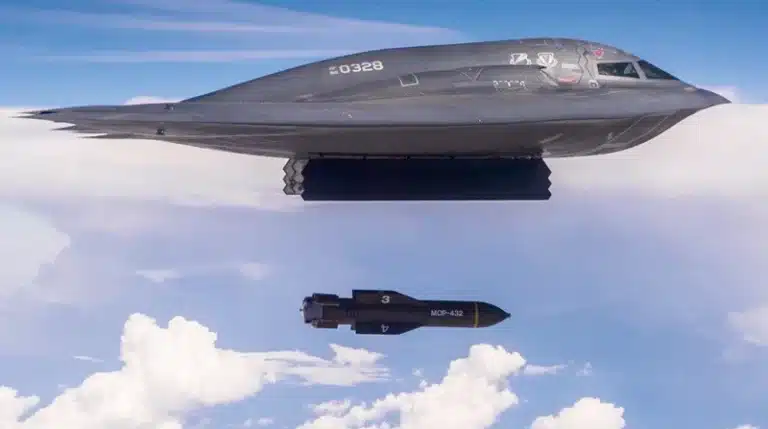
      The U.S. Department of Defense released satellite images and details of precision strikes on three major Iranian nuclear enrichment sites, using bunker-busting bombs delivered by B-2 bombers.