Sunday, March 29, 2026
17.5 C
Srinagar
Home Blog Page 56

Trump to Host Pakistan’s Army Chief As Israel-Iran Tensions Continue

0

WASHINGTON, D.C. — Former U.S. President and Republican front-runner Donald Trump is slated to receive Pakistan’s Chief of Army Staff (COAS), General Asim Munir, at the White House on Wednesday afternoon, in what marks a rare high-level meeting amid international pressure over the Israel-Iran conflict and South Asian regional dynamics.

According to Trump’s publicly available schedule, the closed-door gathering is set for 1 p.m. Washington time in the Cabinet Room. The summit comes as the U.S. weighs possible military backing for Israeli strikes against Iran—an uptick in regional volatility that has prompted Islamabad to position itself as a potential mediator.

Pakistan’s Foreign Minister Ishaq Dar recently conveyed to parliament that Iran had expressed openness to renewed diplomacy—provided Israel refrains from further attacks. “Our intention was always to see successful negotiations between the United States and Iran,” Dar emphasized, underscoring Islamabad’s role in bridge-building.

Decades-Old Nuclear Links

The fate of South Asia’s nuclear equation carries added resonance in this encounter. Pakistan’s nuclear program, spearheaded by Abdul Qadeer Khan, remains tied to Iran’s ambitions—allegedly having supplied centrifuge designs and technology decades ago, as reported by the International Atomic Energy Agency.

Message of Solidarity and Condemnation

Back home, Prime Minister Shehbaz Sharif posted on social media over the weekend that he had spoken with Iran’s president to affirm “Pakistan’s unwavering solidarity with the brotherly people of Iran” in the wake of what he condemned as “unprovoked aggression” by Israel. At a cabinet briefing on Wednesday, Sharif called for immediate global intervention to halt the war, urging world leaders to take decisive action.

A First-Ever Diplomatic Gesture

Political analyst Hassan Askari Rizvi has noted the exceptional nature of the forthcoming meeting:

“It’s extraordinary—this is the first time a sitting Pakistani army chief will meet a U.S. president at the White House. It shows the symbolic weight Washington is placing on General Munir.”

Munir is also expected to hold discussions with Secretary of State Marco Rubio and Defense Secretary Pete Hegseth during his unpublicized visit.

Ripple Effects in South Asia

The timing of the visit is drawing attention in neighboring India, especially following a serious air skirmish between India and Pakistan earlier this month—the worst in years—prompted by a cross-border terrorist attack in Indian-administered Kashmir that left 26 tourists dead on April 22. Islamabad has firmly denied involvement.

Trump claims he applied “trade pressure” to help broker a short-lived ceasefire—an assertion supported by Pakistan but denied by New Delhi.

India-U.S. Diplomatic Chess

At the G7 summit in Canada, a planned meeting between Trump and Indian Prime Minister Narendra Modi was cancelled when Trump returned to Washington earlier than scheduled, citing Middle East security issues. Modi did participate in a brief 35-minute phone call with Trump on Tuesday evening, during which U.S.-India trade and Pakistan talks were reportedly not discussed, says India’s foreign secretary Vikram Misri.

Why It Matters

  1. Historic Visit – It’s unprecedented for a sitting army chief from Pakistan to be received at the White House.

  2. Middle East Linkages – The U.S. is seeking Pakistan’s influence to mediate Iran-Israel tensions.

  3. South Asia Dynamics – Pakistan’s engagement with Washington, and India’s response, may influence future partnerships and security alignments.

The Azadi Times will continue to monitor developments from Washington and Islamabad as Pakistan’s military and political elite navigate these delicate geopolitical waters.

Portions of this article have been sourced from a report by Bloomberg News. Full credit to the original publisher.


Gilgit-Baltistan Hotel Fined Over Sewage Dumping Into Attabad Lake Amid Outcry by Foreign Tourist

HUNZA, Gilgit-Baltistan — Authorities in Gilgit-Baltistan, a region within the disputed territory of Jammu and Kashmir administered by Pakistan, have fined a hotel Rs1.5 million and sealed a portion of its premises following allegations of sewage dumping into Attabad Lake, a major tourist attraction in the mountainous valley of Hunza.

The action came after George Buckley, a foreign tourist and environmental vlogger, shared a viral video on Instagram, claiming that the hotel was pumping untreated wastewater directly into the lake.

“We found out some information through a local that the sewage is actually being pumped into the water,” Buckley says in the video, standing at the lakeside, pointing to murky water mixing with the lake’s otherwise turquoise flow.

The video rapidly gained traction across social media platforms, triggering widespread outrage among environmental advocates and tourists, and prompting the Gilgit-Baltistan administration to initiate an immediate investigation.

Hotel Denies Allegation, Cites Natural Runoff

The hotel in question rejected the claims in a social media post, stating that the murky water seen near its site was a natural confluence of glacial streams with high turbidity.

“To dump sewage water into the lake would be like desecrating our own house. We have never, nor will we ever, dump a single litre of wastewater into Attabad Lake,” the hotel’s statement read.

They claimed that the video misrepresented the situation and that the muddy appearance was caused by nearby natural streams depositing mud, rocks, and minerals into the lake—an occurrence known as “confluence.”

Tourist Demands Transparency

Buckley, however, was not convinced. Responding in the comment section of the hotel’s post, he wrote:

“The only document you have provided… was from July 2021. I’ve asked three times to see an inspection report conducted after that date… yet nothing has been shared over the last 17 hours.”

He also alleged the presence of a strong sewage odor at the property, which he said could not have resulted from natural runoff alone.

Administration Confirms Pollution, Seals Hotel Section

Speaking to Dawn.com, GB Environment Department Director Khadim Hussain confirmed that the foreign tourist’s complaint triggered immediate administrative action.

A 15-member inspection team was dispatched to Attabad Lake, and following their investigation, pollution was confirmed. Hussain stated:

“There is evidence that human waste from the hotel entered the lake. While the hotel was repairing its sewage line, negligence led to waste leaking into the water.”

As a result, 30 rooms of the hotel were sealed, and a fine of Rs1.5 million was imposed.

Hussain added that a detailed report will be sent to the GB Chief Secretary and that legal proceedings are likely to follow in a magistrate’s court.

Previous Complaints and Inaction Alleged

Local journalist Alamgir Hussain told Dawn that this was not the first time the hotel had come under scrutiny for environmental violations.

“Locals have protested several times against the hotel for causing severe pollution in the lake,” he said, accusing the administration of inaction due to the hotel’s influence.

He also stated that construction of hotels on the lake’s banks violates environmental laws.

“If foreign tourists had not pointed it out, there would have been no action,” he alleged.

Broader Context: Environment and Geopolitics in Disputed Kashmir

The incident has renewed conversations around environmental governance in Gilgit-Baltistan, a region that lies at the heart of the long-standing Kashmir conflict between India and Pakistan.

While administered by Pakistan, Gilgit-Baltistan is internationally recognized as part of the broader disputed territory of Jammu and Kashmir. This complicates regulatory oversight and long-term environmental planning, especially as the region opens up to foreign tourism and investment.

Environmentalists argue that tourism in fragile ecosystems such as Attabad Lake—formed by a massive landslide in 2010—must be balanced with rigorous environmental safeguards, which are often lacking or poorly enforced.

A Wake-Up Call for Sustainable Tourism?

The viral nature of the incident underscores how digital platforms are giving travelers—and ordinary citizens—a powerful voice in demanding accountability and transparency in tourism-heavy regions.

The episode serves as a warning for other hospitality businesses in Gilgit-Baltistan and throughout the Himalayas: the era of silent pollution is over, especially in territories that attract both geopolitical interest and environmental concern.

As legal proceedings move forward, activists and local residents are urging the GB administration to tighten environmental regulations, enforce construction bans on lakefronts, and publish inspection reports transparently.

Careem to Cease Ride-Hailing Operations in Pakistan After a Decade

KARACHI – Ride-hailing pioneer Careem has announced it will suspend its services in Pakistan from July 18, 2025, ending a transformative 10-year presence that reshaped urban mobility in one of South Asia’s largest markets.

In a statement shared on LinkedIn, Careem CEO Mudassir Sheikha described the decision as “incredibly difficult”, citing macroeconomic instability, intensifying competition, and global capital reallocation as key drivers behind the company’s exit.

“It’s the end of an iconic chapter – one built with purpose, grit and a ton of relentless hustle,” Sheikha wrote.

A Decade of Disruption and Innovation

Launched in 2015, Careem was a first mover in Pakistan’s then-nascent ride-hailing industry. The Dubai-based company rapidly scaled across major cities including Karachi, Lahore, Islamabad, and beyond, providing affordable, app-based transport in a country where public mobility options have long been limited.

Over the years, Careem has not only helped millions of users commute daily, but also created thousands of flexible income opportunities for drivers—locally referred to as “Captains.”

Sheikha reflected on the early days of skepticism, particularly over cultural and gender norms, where the idea of women commuting alone or using smartphones for daily mobility met resistance.

“They [Careem Pakistan team] did not just build a service… they delivered public goods: digital infrastructure, trust, regulation, capability, and confidence,” he said.

Economic Headwinds and Shrinking Capital

The announcement comes against the backdrop of a broader crisis in Pakistan’s tech and startup ecosystem, which has been under stress since 2022. That year marked a sharp downturn in venture capital flows, soaring inflation (peaking at a record 38%) and a significant drop in consumer spending.

Prominent startups such as Airlift, Swvl, VavaCars, and Truck It In have either shut down or drastically scaled back operations amid these conditions.

Careem’s exit mirrors that of its parent company Uber, which ceased operations in Pakistan in 2022. Globally, mobility firms like Uber, Lyft, and Grab have retrenched from markets where profitability proved elusive, choosing instead to focus on adjacent sectors like food delivery, digital payments, and logistics.

Changing Priorities in Emerging Markets

As digital transformation accelerates worldwide, emerging markets face a double burden: the pressure of scaling infrastructure and the need to absorb global shocks like funding freezes and currency volatility.

For Careem, which was acquired by Uber in 2020, the strategic shift away from unprofitable markets aligns with broader trends in the tech mobility sector — prioritizing leaner operations, sustainable growth, and market consolidation.

Uber still maintains its presence in parts of the Middle East and North Africa, but has pulled out of other South Asian and African regions where returns have been marginal.

What’s Next for Digital Mobility in Pakistan?

Careem’s withdrawal raises new questions about the future of ride-hailing and digital entrepreneurship in Pakistan. While the company is suspending ride-hailing, its super app operations — which include food and parcel delivery services — remain unaffected as of now, though their future is also uncertain.

The void left by Careem may create space for local players or new entrants to innovate, albeit in a much tougher economic environment. It also signals a need for regulatory support and public-private partnerships to build long-term resilience in the country’s digital economy.

Massive Blaze Destroys Over 250 Shops at Karachi’s Millennium Mall, Millions in Losses Reported

0

Karachi, Pakistan: A devastating fire broke out early Wednesday morning at the Millennium Mall on Rashid Minhas Road in Karachi, reducing over 250 shops to ashes and causing millions of rupees in financial losses, according to rescue officials.

Emergency response teams fought the flames for several hours before managing to bring the fire under control. By then, the multi-story commercial complex had suffered extensive structural and economic damage.

Cause Linked to Electrical Fault

The fire reportedly erupted around 4:06 AM, originating on the third floor of the building. According to Rescue 1122 Incharge Hassan, a short circuit in the mall’s Control and Surveillance Room triggered a minor explosion, which quickly escalated into a full-blown blaze.

“We received the alert early and responded immediately,” Hassan said. “A security guard on duty informed us of the initial explosion.”

Investigations are underway, but early findings indicate serious negligence on the part of the mall’s management.

No Active Firefighting System

Firefighting efforts were severely hindered by the mall’s non-functional fire suppression systems. Hassan confirmed that the building’s firefighting infrastructure was inactive and highlighted additional critical safety violations.

“There was no proper fire exit. The entire mall had only one operational entry and exit, which made both evacuation and firefighting extremely difficult,” he said.

He further noted that the boilers and chillers on the upper floors were in dangerous condition, and the presence of chemical materials stored there intensified the blaze.

Financial and Human Impact

Though no fatalities were immediately reported, the financial toll has been significant. Dozens of small business owners are believed to have lost their entire inventories, and many have called for government assistance.

Eyewitnesses described scenes of panic as thick plumes of smoke engulfed the building. “We watched helplessly as everything burned,” said one local shopkeeper.

Authorities have yet to issue an official estimate, but business groups suggest that tens of millions of rupees worth of goods were destroyed.

Safety Oversight Under Scrutiny

The incident has prompted renewed scrutiny of building safety standards in one of Pakistan’s largest commercial cities. Karachi has seen multiple high-profile fires in recent years, often linked to poor enforcement of fire safety regulations.

Civil society groups and urban planning experts have long warned of the consequences of lax oversight in public commercial infrastructure.

A formal inquiry has been launched to determine liability and whether legal action will be taken against the management of Millennium Mall.

China Signs Treaty to Deepen Ties with Central Asia Amid Global Power Shifts

    0

    BEIJING – Chinese President Xi Jinping on Tuesday signed a landmark treaty aimed at strengthening ties with Central Asian nations, as Beijing intensifies efforts to expand its influence in the strategically vital and resource-rich region.

    At a regional summit held in Astana, the capital of Kazakhstan, President Xi and the leaders of Kazakhstan, Kyrgyzstan, Tajikistan, Turkmenistan, and Uzbekistan signed a treaty of “permanent good-neighbourliness and friendly cooperation,” according to China’s official Xinhua News Agency.

    The treaty marks a significant diplomatic milestone as China seeks to boost cooperation on trade, energy, and infrastructure with the five Central Asian republics—countries that have historically fallen within Russia’s sphere of influence.

    Geopolitical Shift and Strategic Engagement

    The summit in Astana was the second of its kind, following an inaugural gathering held in northwest China in 2023. Notably, both summits were timed alongside meetings of G7 leaders, signaling China’s growing ambition to assert itself as a central player on the world stage.

    “At present, the world is undergoing accelerating changes unseen in a century, entering a new period of turbulence and transformation,” Xi said at the summit, according to Xinhua.

    In a veiled reference to the United States, Xi criticized what he called “trade wars and tariff wars,” adding that “unilateralism, protectionism, and hegemonism are bound to harm both others and oneself.”

    He stressed China’s readiness to work with Central Asian partners to “safeguard international justice, oppose hegemonism and power politics.”

    Economic Cooperation and Aid

    During the summit, President Xi pledged 1.5 billion yuan ($208.86 million) in grant assistance to Central Asian countries for livelihood and development projects in 2025.

    Xi also called for enhanced cooperation in trade, mineral extraction, and agriculture, reflecting Beijing’s aim to deepen its economic footprint in the region.

    According to Xinhua, China’s two-way trade with the five Central Asian nations reached 286.42 billion yuan in the first five months of this year—a 10.4% increase compared to the same period in 2024.

    Among these nations, Turkmenistan remains the only country to enjoy a trade surplus with China, due in large part to its natural gas exports. Conversely, Kazakhstan and Kyrgyzstan face significant trade deficits, reportedly in the tens of billions.

    Energy and Infrastructure Links

    In bilateral meetings during the summit, Xi Jinping emphasized the importance of cooperation in natural gas, mineral development, international railway connectivity, and law enforcement.

    He urged progress on the long-discussed China-Kyrgyzstan-Uzbekistan railway, a key overland route that bypasses Russia. Initially proposed in the 1990s, the project has gained renewed urgency as sanctions on Moscow have led shippers between China and Europe to seek alternatives to the Russian corridor.

    A Strategic Buffer

    The five former Soviet republics of Central Asia are increasingly seen as a strategic buffer for China—providing alternative routes for energy and food supplies in the event of global disruptions.

    As Russia’s influence wanes due to its entanglement in Ukraine and growing isolation from the West, China is stepping in to fill the vacuum, leveraging economic incentives and infrastructure projects to deepen its presence in the heart of Eurasia.

    Washington Post Warns: Israel’s Missile Defense Could Last Only 10–12 Days in Prolonged Conflict with Iran

    Tehran – As regional tensions continue to mount, a recent report by the Washington Post has raised concerns over the sustainability of Israel’s missile defense systems in the event of continued Iranian missile attacks.

    Citing U.S. defense analysts, the report suggests that Israel’s defense capability could be exhausted in 10 to 12 days under the strain of sustained missile barrages from Iran—even with support from the United States.

    According to the article, operating costs for Israel’s air defense systems could reach approximately $285 million per night during intensive conflict. These estimates reflect the high financial and operational burden associated with intercepting hundreds of incoming projectiles using systems such as Iron Dome, David’s Sling, and Arrow 3.

    “Israel’s Defense Has Its Limits”

    Military experts quoted in the Washington Post report warn that despite Israel’s advanced technology, its defense capacity has finite logistical and financial limits. The report highlights that:

    • Israel could run out of interceptors and defense resources in less than two weeks if subjected to an intense, round-the-clock missile campaign.

    • Even with accelerated U.S. military aid, replenishing depleted missile stocks and maintaining a constant defense posture would be extremely difficult.

    • Israeli defense systems were not designed for prolonged, high-volume missile warfare with a state actor like Iran.

    Strategic Implications

    The revelations come amid growing fears that the long-standing shadow conflict between Israel and Iran could escalate into a direct, multi-front war, especially in the wake of recent regional provocations and military incidents.

    If Iranian missile strikes were to intensify, Israel’s defense forces would have to prioritize critical infrastructure and urban centers, possibly leaving peripheral regions more vulnerable. This scenario raises the stakes for civilian safety and military planning, both in Israel and among its allies.

    The Cost of Defense vs. Offense

    The economics of war are also central to the Washington Post’s analysis. While Iran’s offensive capabilities rely heavily on relatively low-cost ballistic and cruise missiles, Israel’s defense relies on high-cost interception technologies. This asymmetry in cost and sustainability poses long-term challenges for Israeli defense strategy.

    A Race Against Time?

    The takeaway from the Washington Post’s analysis is clear: In a prolonged conflict, Israel may be racing against time and resources, even with international support. As both Iran and Israel calibrate their next moves, the international community is urged to de-escalate tensions before the region plunges into a broader and more dangerous war.

    The Azadi Times will continue monitoring developments and provide verified updates as new details emerge.

    For in-depth coverage on the Middle East, defense analysis, and diplomacy, follow our international news section.

    Best CRM for Charities in 2025: Top Nonprofit Solutions Compared for Donor Management & Fundraising Success

    In today’s digital era, charities and nonprofit organizations face unique challenges, ranging from managing donor relationships to streamlining fundraising efforts and improving volunteer engagement. One of the most effective solutions to these challenges is adopting a robust Customer Relationship Management (CRM) system. But with the abundance of options available, what is the best CRM for charities in 2025? This comprehensive article explores top CRM solutions for charities, their features, benefits, and how to choose the perfect fit for your organization. Whether you’re a small grassroots nonprofit or a large international charity, this guide is designed to help you make an informed, impactful decision.

    1. What Is a CRM and Why Do Charities Need One?

    Customer Relationship Management (CRM) software is a tool that helps organizations maintain and optimize relationships with their donors, volunteers, and other stakeholders. For charities, a CRM can track donations, manage communication, organize events, and analyze data for better decision-making.

    Why Charities Need a CRM

    • Donor Management: Keep detailed records of donors, their giving history, preferences, and communications.
    • Fundraising: Automate campaigns, track progress, and segment donors for targeted appeals.
    • Volunteer Coordination: Manage volunteer information, schedules, and engagement.
    • Reporting & Analytics: Generate reports to assess campaign effectiveness and improve strategies.
    • Compliance: Track consent and meet data protection requirements (e.g., GDPR, CCPA).
    • Efficiency: Reduce manual work, minimize errors, and scale impact with fewer resources.

    2. Key Features Charities Should Look for in a CRM

    When choosing a CRM for your charity, look for these essential features:

    • Donor and Contact Management: Store and organize donor profiles, giving history, and communication logs.
    • Fundraising Tools: Online donation forms, campaign tracking, peer-to-peer fundraising, and recurring gifts.
    • Email & Communication: Bulk emailing, personalized messages, and integration with popular email services.
    • Event Management: Register attendees, sell tickets, and manage logistics.
    • Volunteer Management: Track volunteer hours, interests, and assignments.
    • Reporting & Analytics: Customizable dashboards, real-time insights, and data export features.
    • Integrations: Compatibility with accounting software, payment gateways, and other nonprofit tools.
    • Mobile Access: Cloud-based or mobile-friendly platforms for on-the-go management.
    • Security & Compliance: Data encryption, user permissions, and compliance tracking.

    3. Top CRM Platforms for Charities in 2025

    Let’s explore the best CRM solutions for charities, their strengths, and what makes them stand out in 2025:

    Salesforce Nonprofit Cloud

    • Overview: Salesforce’s Nonprofit Cloud is a customizable and scalable CRM designed specifically for charities and NGOs.
    • Key Features: Donor management, grant tracking, program management, AI-powered analytics, extensive integrations.
    • Strengths: Highly customizable, strong reporting, free licenses for eligible nonprofits.
    • Considerations: Requires training and initial setup can be complex.

    Bloomerang

    • Overview: Bloomerang is popular among small and mid-sized nonprofits for its user-friendly interface and donor retention focus.
    • Key Features: Donor engagement tracking, email marketing, reporting, integration with fundraising tools.
    • Strengths: Excellent support, intuitive dashboards, retention-focused insights.
    • Considerations: Limited customization compared to larger platforms.

    DonorPerfect

    • Overview: DonorPerfect offers a comprehensive set of fundraising and donor management tools.
    • Key Features: Donation management, grant tracking, event management, mobile app.
    • Strengths: Flexible pricing, scalable for growing charities, strong customer support.
    • Considerations: Reporting interface may feel dated.

    Kindful

    • Overview: Kindful, now part of Bloomerang, offers seamless integrations and an easy-to-use donor management system.
    • Key Features: Donor tracking, fundraising, event management, integrations with QuickBooks, Mailchimp, and more.
    • Strengths: Clean interface, powerful integrations, great for small to mid-sized organizations.
    • Considerations: May lack enterprise-level features.

    Neon CRM

    • Overview: Neon CRM is known for its robust feature set tailored for nonprofits of all sizes.
    • Key Features: Constituent management, fundraising, memberships, volunteer tracking, event management.
    • Strengths: All-in-one solution, highly customizable, strong event management tools.
    • Considerations: Learning curve for new users.

    HubSpot for Nonprofits

    • Overview: HubSpot offers a free CRM with nonprofit-specific customization and discounted premium tiers.
    • Key Features: Contact management, email marketing, automation, reporting, integrations.
    • Strengths: Free tier is generous, great for digital marketing and communications, easy to use.
    • Considerations: Nonprofit features may require premium upgrades.

    Little Green Light

    • Overview: Little Green Light is an affordable and flexible CRM for small charities.
    • Key Features: Donor management, event registration, mail merges, reporting.
    • Strengths: Simple pricing, easy onboarding, good value for small teams.
    • Considerations: Not as scalable for larger organizations.

    CiviCRM (Open Source)

    • Overview: CiviCRM is a free, open-source CRM for nonprofits, offering complete control and customization.
    • Key Features: Contact management, fundraising, memberships, case management, multilingual support.
    • Strengths: No licensing fees, highly customizable, strong global community.
    • Considerations: Requires technical expertise for setup and maintenance.

    Zoho CRM

    • Overview: Zoho CRM offers affordable cloud-based solutions with nonprofit discounts.
    • Key Features: Contact management, workflow automation, analytics, integrations.
    • Strengths: Affordable, modular, mobile-friendly.
    • Considerations: Some nonprofit-specific features are add-ons.

    Monday.com for Nonprofits

    • Overview: Monday.com is a flexible work OS with nonprofit discounts and powerful CRM templates.
    • Key Features: Donor and volunteer tracking, fundraising workflows, collaboration tools.
    • Strengths: Highly customizable, visual project management, automation.
    • Considerations: Requires customization to serve as a full CRM.

    4. Comparative Analysis: Pricing, Pros & Cons

    CRM PlatformStarting Price*Best ForProsCons
    Salesforce NonprofitFree/DiscountedLarge charitiesCustomizable, robust, AI-poweredComplexity, setup time
    Bloomerang$99/moSmall/midsizeRetention tools, support, ease of useLimited advanced features
    DonorPerfect$99/moGrowing nonprofitsScalable, flexible, mobile appDated interface
    Kindful$100/moSmall/midsizeIntegrations, intuitiveLacks enterprise features
    Neon CRM$99/moAll sizesAll-in-one, customizableSteeper learning curve
    HubSpotFree+Digital-firstFree tier, marketing focusNonprofit tools extra
    Little Green Light$45/moSmall charitiesAffordable, simpleNot for large orgs
    CiviCRMFreeTech-savvy orgsOpen source, no license feesTechnical setup required
    Zoho CRM$12/user/moBudget-consciousModular, mobile, affordableAdd-ons for nonprofit tools
    Monday.comDiscountedCustomization seekersVisual, flexible, automationDIY setup for CRM functions

    *Pricing as of 2025; may vary by region and organization size.

    5. How to Choose the Right CRM for Your Charity

    Selecting the best CRM for your nonprofit involves more than just comparing features and price. Consider the following steps:

    1. Assess Your Needs: List must-have features (e.g., donor management, event tracking) and nice-to-haves.
    2. Set a Budget: Factor in not just software cost, but also training, setup, and support.
    3. Evaluate Ease of Use: Choose a user-friendly CRM to encourage adoption by your team.
    4. Check Integrations: Ensure the CRM connects with your existing tools (email, accounting, donation platforms).
    5. Consider Scalability: Will the CRM grow with your organization?
    6. Test with a Free Trial: Most CRM providers offer demos or free trials—test with real data and workflows.
    7. Read Reviews: Seek feedback from similar organizations and independent review sites.
    8. Ask About Support: Reliable customer support is critical, especially during onboarding and campaigns.

    6. Implementation Tips and Best Practices

    • Start Small: Roll out the CRM with a core group before full adoption.
    • Train Your Team: Invest in training and create easy-to-follow guides.
    • Clean Your Data: Before migrating, remove duplicates and outdated records.
    • Set KPIs: Define clear goals (e.g., increase donor retention by 10%) to measure CRM impact.
    • Automate Where Possible: Use automation for thank-you notes, donation receipts, and campaign reminders.
    • Review Regularly: Schedule check-ins to assess usage and troubleshoot issues.
    • Stay Secure: Limit access, require strong passwords, and back up data regularly.

    7. Future Trends: CRM and Nonprofit Technology in 2025

    • AI & Predictive Analytics: Modern CRMs now leverage AI to predict donor behavior, optimize campaigns, and personalize outreach.
    • Mobile & Cloud-First: Cloud-based CRMs and mobile apps empower teams on the go.
    • Automation: Automation reduces manual work, allowing charities to focus on mission-critical tasks.
    • Data Privacy: With increasing regulations, CRMs offer enhanced compliance tools.
    • Integration Ecosystems: CRMs that work seamlessly with fundraising, email, and accounting tools are in high demand.
    • Virtual Engagement: Tools for virtual events, peer-to-peer fundraising, and digital campaigns are essential.

    8. Frequently Asked Questions

    Q1: What is the most affordable CRM for small charities?
    A: Little Green Light, CiviCRM, and Zoho CRM are budget-friendly options, with CiviCRM being free and open source.

    Q2: Can I migrate data from Excel or other CRMs?
    A: Yes, most modern CRMs offer import tools for spreadsheets and migration support.

    Q3: Is data privacy a concern with cloud-based CRMs?
    A: Leading CRMs use encryption and comply with international data protection laws, but always ask about security features.

    Q4: Do I need IT staff to manage a CRM?
    A: Many CRMs are user-friendly, but open-source solutions like CiviCRM may require technical expertise.

    Q5: How quickly can a CRM be implemented?
    A: Implementation can take from a few days (for simple setups) to several weeks (for complex migrations).

    9. Conclusion

    Selecting the best CRM for charities is a strategic decision that can transform your nonprofit’s impact in 2025 and beyond. By evaluating your needs, comparing top solutions, and following best practices for implementation, your organization can boost fundraising, strengthen relationships, and operate more efficiently. Remember, the most effective CRM is the one your team will use and that grows with your mission. Invest wisely—and empower your charity to make an even greater difference in the world.

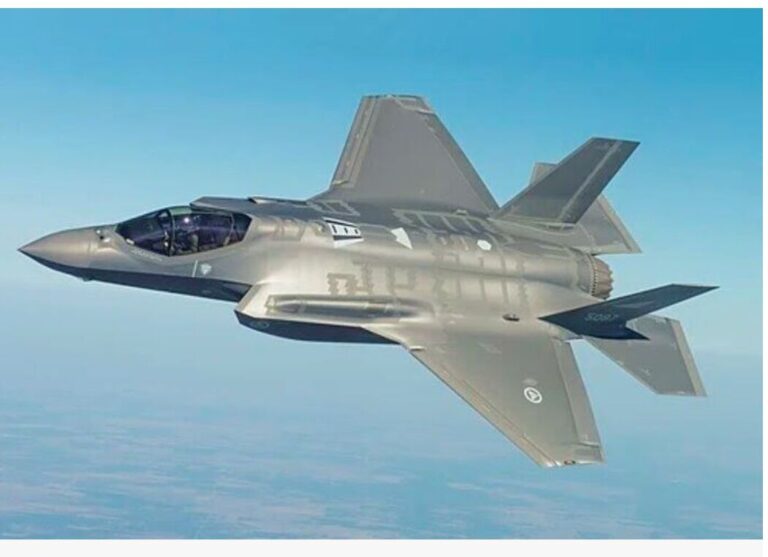
    Israeli F-35 Fighter Reportedly Shot Down Near Varamin, Iran

    Varamin, Iran – In a development that could escalate already tense regional dynamics, Iranian air defense forces have reportedly shot down an Israeli F-35 fighter jet near the city of Varamin, southeast of Tehran.

    According to a statement by Hussein Abbasi, the regional commissioner of Varamin, the aircraft—belonging to the Israeli military—was intercepted and destroyed in the outskirts of the city early Wednesday.

    “An F-35 fighter jet belonging to the Zionist occupying regime was shot down by Iranian forces near the outskirts of Varamin,” Abbasi told IRNA, Iran’s official news agency. He added that security and military teams are currently investigating the incident, and that more information will be shared with the public as it becomes available.

    The commissioner also issued a public advisory, urging residents to report any suspicious objects or activity to local authorities immediately.

    The downing of a stealth F-35 aircraft, if confirmed, would mark a significant military event given the jet’s advanced technology and the geopolitical implications of such an incident between Iran and Israel—longtime adversaries in the Middle East.

    No Official Confirmation from Israel

    As of this report, Israeli defense officials have not confirmed or denied the alleged loss of an aircraft. The Israeli military rarely comments on overseas operations, especially in hostile territory.

    Israel operates a fleet of F-35I “Adir” stealth fighters, acquired from the United States as part of its long-term military modernization strategy. The aircraft are considered among the most advanced in the world, capable of deep-strike missions, surveillance, and evasion of most radar systems.

    Rising Tensions in the Region

    This reported incident comes amid heightened tensions between Iran and Israel, with both nations frequently accusing each other of covert operations, cyberattacks, and violations of sovereignty.

    Military analysts warn that any confirmed shootdown of an Israeli jet over Iranian territory would signal a dramatic escalation and could trigger retaliatory actions or diplomatic fallout.

    Iran has in recent years strengthened its domestic air defense systems, including the development of its Bavar-373 missile system, designed to counter advanced stealth aircraft like the F-35.

    Caution and Verification Needed

    Independent military experts stress the importance of verifying such claims through satellite imagery, third-party surveillance, or additional official sources. Due to the highly sensitive nature of airspace violations and international military engagements, reports of this kind are often surrounded by conflicting narratives and propaganda from both sides.

    However, if substantiated, this would be one of the first known instances of an F-35 being shot down in a combat scenario, representing a major moment in military aviation history.

    Editor’s Note: This story is developing. The Azadi Times will continue to monitor updates from Iranian, Israeli, and international sources. All claims will be cross-verified as further evidence emerges.

    For security analysis, breaking news, and verified reports from conflict zones, follow The Azadi Times.

    History Spot Games: An In-Depth Guide to Educational and Entertaining History Games

    History spot games have emerged as a powerful tool for both education and entertainment. These games bridge the gap between learning and play, making history accessible, engaging, and memorable for people of all ages. Whether you’re a teacher seeking creative classroom resources, a student looking to make study sessions more enjoyable, or a history enthusiast wanting to test your knowledge, history spot games offer something valuable. This comprehensive article will explore the concept, evolution, best practices, and top examples of history spot games, while providing tips and insights for educators, parents, and gamers.

    1. Introduction to History Spot Games

    History spot games refer to a genre of educational games designed to test and expand players’ knowledge of historical facts, events, places, and figures. The “spot” in the name usually refers to the game mechanic of identifying or locating something—such as spotting the correct answer, place on a map, or historical figure in a lineup. These games can be physical board games, card games, or digital apps and websites.

    Read Also: Atomic Mass Games: The Ultimate Guide to Marvel & Star Wars Tabletop Gaming (2025)

    Why Are History Spot Games Popular?

    • Engagement: They transform memorization into an interactive experience.
    • Versatility: Suitable for a variety of settings—classrooms, homes, parties, and online learning.
    • Inclusivity: Designed for different knowledge levels, from beginners to history buffs.

    2. The Evolution of History Spot Games

    Early Origins

    The basic idea of using games for history learning goes back centuries. From trivia questions in salons to early educational board games in the 19th century, the concept has long been valued as a way to make history fun.

    Modern Developments

    With the rise of technology, history spot games have expanded dramatically:

    • Board Games: Titles like “Timeline” and “Chronology” ask players to place events in the correct order.
    • Digital Games: Apps and online quizzes let users spot historical locations, identify artifacts, or match events to dates.
    • Augmented Reality (AR): Modern history games use AR to let players “spot” landmarks in the real world using mobile devices.

    The Spot Mechanic

    A key gameplay feature in history spot games is the “spot” mechanic—requiring players to quickly or accurately identify something historical. This boosts recall and helps cement facts in memory.

    3. Benefits of Playing History Spot Games

    For Learners

    • Improved Retention: Active participation leads to better long-term memory.
    • Critical Thinking: Players learn to analyze clues, deduce answers, and make connections.
    • Motivation: Game-based learning increases motivation and reduces study fatigue.

    For Teachers and Parents

    • Assessment Tool: Games can reveal knowledge gaps in a low-pressure environment.
    • Differentiation: Multiple difficulty levels allow for personalized learning.
    • Classroom Management: Engaged learners are less likely to become distracted.

    For General Enthusiasts

    • Community: Many history spot games foster social play and friendly competition.
    • Continuous Learning: Even experts encounter new facts and perspectives.

    4. Types of History Spot Games

    Trivia Games

    Players answer questions or spot the correct answer among options. Classic examples include “Trivial Pursuit: History Edition” and online quizzes like “Sporcle History.”

    Map-Based Games

    Players must spot locations of historical events, cities, or landmarks. Examples:

    • “Where in the World Is Carmen Sandiego?”
    • “Geoguessr: History Edition”

    Timeline Games

    Players arrange events or inventions in chronological order, spotting which came first. Popular games:

    • “Timeline”
    • “Chronology”

    Visual Identification

    Games that ask players to spot the differences in historical images, identify artifacts, or recognize historical figures.

    Digital Apps and Online Games

    Many apps offer history spot challenges, such as:

    • “Google Earth Voyager: History Quests”
    • “Kahoot! History Quizzes”

    5. Top History Spot Games for Different Ages

    For Kids

    • “BrainBox: World History” – Timed spot-the-fact challenges.
    • “Professor Noggin’s History of the United States” – Card-based trivia with spotting elements.

    For Teens

    • “Timeline” – Place events, discoveries, and inventions in the correct order.
    • “Sporcle History Quizzes” – Spot the answer to a variety of history questions.

    For Adults

    • “Chronology” – Spot where each event fits on the timeline.
    • “Trivial Pursuit: History Edition” – Classic trivia with spot-the-answer rounds.

    For Online Learners

    • “Geoguessr: History Edition” – Spot the location of historical sites using Google Street View.
    • “Kahoot!” – Create or join history spot quizzes.

    6. How to Integrate History Spot Games in Education

    In the Classroom

    • Warm-Up Activity: Use a quick spot game to start the lesson.
    • Review Sessions: Reinforce learning with trivia or map-spotting rounds.
    • Assessment: Use games to assess understanding in a fun, low-pressure way.

    For Homeschooling

    • Project-Based Learning: Have students design their own history spot games.
    • Family Game Night: Make history a group activity.

    Online Learning

    • Virtual Game Sessions: Use platforms like Kahoot! or Quizizz to play with remote classes.
    • Homework Assignments: Assign online history spot games for independent practice.

    7. Digital vs. Physical History Spot Games

    Digital Games

    Pros:

    • Instant feedback
    • Wide variety of topics and formats
    • Accessibility for remote learners

    Cons:

    • Screen time concerns
    • May lack physical engagement

    Physical Games

    Pros:

    • Tactile, interactive play
    • Social bonding
    • No technology required

    Cons:

    • Limited by available materials
    • May not be as up-to-date as digital games

    Best Practice: Combine both for a balanced approach!

    8. Designing Your Own History Spot Game

    Steps to Create a Custom Game

    1. Choose a Theme: Focus on a specific period, country, or type of history.
    2. Select the “Spot” Mechanic: Will players identify dates, places, artifacts, or people?
    3. Gather Content: Use reliable sources for questions and answers.
    4. Design Components: Create cards, boards, or digital slides.
    5. Test and Refine: Play with a group and adjust difficulty as needed.

    Benefits of DIY Spot Games

    • Customizable for any curriculum or interest
    • Encourages creativity and deeper learning
    • Great for group projects

    9. Tips for Getting the Most Out of History Spot Games

    • Rotate Games: Keep engagement high by switching between types.
    • Set Clear Goals: Use games to target specific learning objectives.
    • Track Progress: Note improvement in recall and understanding over time.
    • Encourage Team Play: Collaboration builds communication and critical thinking skills.
    • Celebrate Success: Recognize high scores or creative answers.

    10. Frequently Asked Questions

    Q1: Are history spot games suitable for all ages?
    Yes! There are versions for all ages, from simple picture-based games for young children to advanced trivia for adults.

    Q2: Can history spot games be played solo?
    Absolutely. Many digital games and quizzes are designed for solo play, and even board games can often be adapted.

    Q3: Where can I find history spot games?
    You can buy board games at educational stores, download apps from app stores, or find free online quizzes and games.

    Q4: Are history spot games effective for learning?
    Research shows that game-based learning enhances engagement, retention, and motivation.

    Q5: How can teachers assess learning through games?
    Use pre- and post-game quizzes, observe participation, and ask players to explain their reasoning.

    11. Conclusion

    History spot games have transformed how we learn and enjoy history. By blending fun, challenge, and education, they provide a dynamic way to explore the past, test knowledge, and foster a love of learning. Whether you’re a parent, teacher, student, or lifelong learner, there is a history spot game that can enrich your journey through time. Try one today—spot the fun, spot the facts, and spot the difference games can make in your historical understanding.


    Atomic Mass Games: The Ultimate Guide to Marvel & Star Wars Tabletop Gaming (2025)

    In the rapidly evolving world of tabletop gaming, few names have risen as quickly and impressively as Atomic Mass Games. For enthusiasts, collectors, and new players alike, “atomic mass games” is a keyword that promises quality, innovation, and immersive experiences. This article explores everything you need to know about Atomic Mass Games: its history, products, impact on the industry, and why it matters for gamers worldwide.

    1. Introduction to Atomic Mass Games

    Atomic Mass Games is a leading publisher in the tabletop miniatures gaming industry, known for creating visually stunning, highly strategic, and engaging games. The company is owned by Asmodee, one of the largest board game conglomerates in the world, and is based in Seattle, Washington, USA. Their mission is to bring cinematic action and deep strategy to the tabletop, making them a favorite among hobbyists and competitive gamers alike.

    2. History and Background

    Founded in 2019, Atomic Mass Games (AMG) was established by a group of passionate designers and industry veterans. The team’s experience ranges from board game development to miniature sculpting and beyond. The company was quickly thrust into the spotlight with the release of Marvel Crisis Protocol, a miniatures game set in the Marvel universe.

    Read Also: Games for Kids at Home: Creative, Fun, and Educational Ideas for Every Age

    In 2020, AMG’s profile soared even higher when Asmodee transferred the development of the Star Wars miniatures games—Star Wars: Legion, Star Wars: Armada, and Star Wars: X-Wing—under their stewardship. This move solidified Atomic Mass Games’ reputation as a powerhouse in the tabletop industry.

    3. Flagship Games and Popular Products

    Marvel Crisis Protocol

    Marvel Crisis Protocol (MCP) is the flagship game of Atomic Mass Games. This skirmish-level miniatures game allows players to build teams of iconic Marvel characters and battle across dynamic urban landscapes. With stunning miniatures, deep strategy, and constant updates, MCP has become a staple in the tabletop community.

    Star Wars: Legion

    A ground-based miniatures wargame, Star Wars: Legion lets players recreate epic battles between the Empire and the Rebellion (and now, the Separatists and Republic). The game is known for its detailed miniatures, engaging scenarios, and robust organized play system.

    Star Wars: Armada

    Star Wars: Armada is a fleet-scale miniatures game where players command massive starships in strategic space battles. The game emphasizes maneuvering, fleet composition, and tactical objectives, providing a unique take on Star Wars warfare.

    Star Wars: X-Wing

    A dogfighting miniatures game, Star Wars: X-Wing features iconic ships and pilots from the Star Wars universe. With flexible squad-building and intuitive movement mechanics, X-Wing is accessible to newcomers and rewarding for veterans.

    4. The Marvel Crisis Protocol Revolution

    Marvel Crisis Protocol stands out for several reasons:

    • Cinematic Gameplay: Each game feels like a comic book come to life, with heroes leaping, throwing objects, and unleashing superpowers.
    • Customizable Teams: Players can mix heroes and villains, creating unique combinations and strategies.
    • Constant Support: AMG regularly releases new character packs, terrain sets, and rules updates, keeping the game fresh.
    • Global Organized Play: MCP tournaments and leagues are held worldwide, fostering an inclusive and competitive community.

    5. Star Wars Tabletop: Legion, Armada & X-Wing

    The acquisition of the Star Wars miniatures games was a pivotal moment for AMG. Under their direction, these games have seen:

    • Rules Updates: Streamlined and clarified rules for better gameplay.
    • New Expansions: Regular releases of new units, ships, and scenarios.
    • Community Engagement: Transparent communication with players, including frequent livestreams and Q&A sessions.
    • Balance Focus: Efforts to keep all factions and units viable for competitive play.

    6. Design Philosophy and Community Engagement

    Atomic Mass Games is renowned for its commitment to quality and community. Their design philosophy centers on:

    • Cinematic Experience: Making every game session feel epic and memorable.
    • Accessibility: Rules are deep but approachable, allowing new players to learn quickly.
    • Balance: Ensuring no single unit or strategy dominates.
    • Player Feedback: AMG actively solicits and implements player feedback, a rarity in the tabletop industry.

    AMG engages with the community through social media, organized play, and online forums. They frequently host painting contests, scenario design challenges, and developer Q&As.

    7. Global Reach and International Appeal

    Atomic Mass Games products are distributed worldwide, with organized play systems supporting local, regional, and global events. They have:

    • International Tournaments: Events in North America, Europe, Asia, and Australia.
    • Multilingual Support: Rulebooks and cards available in several languages.
    • Inclusive Community: Players from diverse backgrounds are welcomed and celebrated.

    8. How Atomic Mass Games Shapes the Tabletop Industry

    AMG’s influence extends beyond their own games. They set trends in:

    • Miniature Quality: Their models are among the best in the industry, with high detail and dynamic poses.
    • Game Support: Regular updates and transparent communication set a standard for other publishers.
    • Organized Play: Their event kits and community initiatives drive engagement at every level.

    9. Tips for New and Returning Players

    • Start Small: Begin with a core set (like Marvel Crisis Protocol or Star Wars: Legion) before expanding.
    • Join the Community: Online forums, local game stores, and social media groups are great places to learn and find opponents.
    • Watch Tutorials: Many content creators offer painting, gameplay, and strategy guides.
    • Participate in Organized Play: Even casual gamers can enjoy the camaraderie and excitement of league play or tournaments.
    • Keep Up with Updates: Visit the official Atomic Mass Games website or follow them on social media for news and rules changes.

    10. Where to Find and Buy Atomic Mass Games Products

    Atomic Mass Games products are available through:

    • Local Game Stores: Support your local hobby shop for community and events.
    • Online Retailers: Major international sites carry the full range of AMG products.
    • Official Website: The Atomic Mass Games site offers news, product previews, and organized play info.

    11. Frequently Asked Questions (FAQs)

    Q: What makes Atomic Mass Games different from other publishers?
    A: AMG focuses on cinematic, narrative-driven gaming experiences, high-quality miniatures, and active community engagement.

    Q: Are their games beginner friendly?
    A: Yes! Core sets are designed for quick learning, with plenty of resources to help new players.

    Q: Is painting required?
    A: While the miniatures come unpainted, painting is optional but adds to the hobby experience.

    Q: Can I play competitively?
    A: Absolutely. AMG supports casual, narrative, and competitive play through organized events and tournaments.

    Q: Are there digital resources?
    A: Yes. AMG provides digital rulebooks, errata, and event tools on their website.

    12. Conclusion

    Atomic Mass Games has become a pillar of the international tabletop gaming community. Whether you’re a Marvel fan, a Star Wars devotee, or simply love strategic miniatures games, AMG offers something for everyone. Their commitment to quality, innovation, and inclusivity makes them a top choice for new and veteran gamers alike.

    Stay updated on the latest releases, news, and community events by following Atomic Mass Games on their official website and social media channels. Dive into the world of cinematic tabletop action, and experience why “atomic mass games” is a keyword every gamer should know.