No state backing. No paywalls. Just truth. Support Kashmir's independent voice. Join 2,400+ patrons who fund independent voices.
Zero Paywalls
Reader Funded
Award Winning
Secure Payment
Encrypted
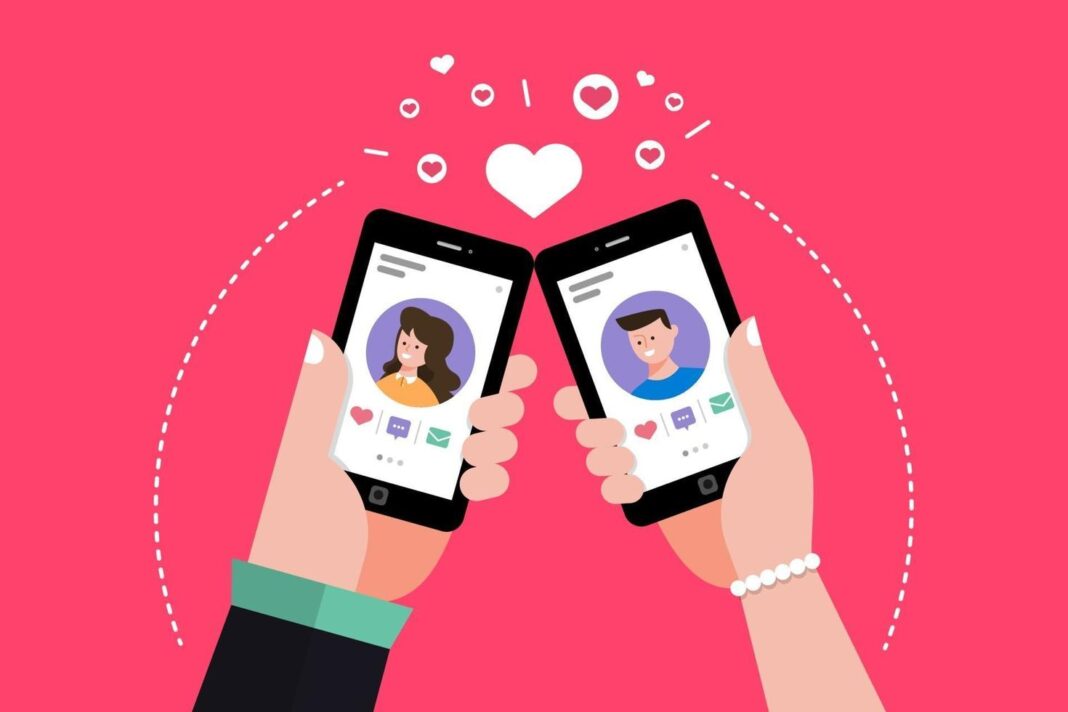
KARACHI, Pakistan — In the bustling cafes of Karachi or the quiet university libraries of Lahore, a silent revolution is underway. It’s not broadcast on television or debated in parliament; it’s happening on the smartphone screens of millions of young Pakistanis. In a society where traditional matchmaking has long been the norm, dating apps are scripting a new, complex narrative of connection, autonomy, and risk.
For a generation navigating the tightrope between global aspirations and local traditions, these platforms have become a digital lifeline—a private world where they can explore relationships beyond the watchful eyes of family and community, despite official bans and deep-seated cultural stigma.
Pakistan is a nation of the young. With over 65% of its population under the age of 30 and more than 95 million active social media users, the digital landscape is fertile ground for connection apps. While the government made headlines with a ban on Tinder and Grindr in 2020, the reality on the ground is far more nuanced.
No state backing. No paywalls. Just truth. Support Kashmir's independent voice. Join 2,400+ patrons who fund independent voices.
“The ban was more of a symbolic gesture,” says Ayesha Khan, a digital rights researcher in Islamabad, who requested a pseudonym to speak freely. “It did little to stop usage. Instead, it just pushed an already discreet activity further underground. VPN usage spiked, and people simply migrated to other platforms or used mirror sites.”
The app ecosystem in Pakistan is tiered, reflecting its diverse user base. Globally known apps like Tinder and Bumble remain popular in affluent urban circles, while faith-oriented platforms like Salams (formerly MuzMatch) and Minder have carved out a massive niche by aligning with cultural values. For many, even Facebook Dating and Instagram DMs have become de facto dating spaces.
The core tension defining the dating app experience in Pakistan is the conflict between the individual’s desire for choice and the weight of societal expectation.
“You are constantly managing two identities,” explains Faraz, a 26-year-old engineer from Lahore. “There’s the ‘good son’ who attends family gatherings and respects traditions, and then there’s the guy on Bumble who just wants to have a normal conversation with a woman without it being a formal proposal.”
This dual life requires meticulous digital hygiene. Users often avoid clear face photos, use pseudonyms, and are hyper-aware of their location settings. The fear of being exposed—a screenshot shared in a WhatsApp group, a profile discovered by a cousin—is a constant companion.
For women, the stakes are even higher. While apps offer an unprecedented space for freedom, they also come with significant risks.
“It’s empowering because I control the conversation. I decide who to talk to and when to unmatch,” says Sana, a 24-year-old marketing professional in Karachi. “But you have to be a detective. You look for verified profiles, check if their social media seems genuine, and always, always meet in a public place first.”
Apps like Bumble, which require women to make the first move, and Salams, which offer features like having a chaperone (a “Wali”) on the app, are explicitly designed to create a safer environment. Yet, the threat of harassment, blackmail, and social ostracisation means female participation is a carefully calculated act of courage.
Perhaps the most significant adaptation is the booming success of “marriage-first” apps. Platforms like Salams have seen explosive growth by reframing the search for a partner within an Islamic framework.
“We’re not a dating app; we’re a social discovery platform for marriage,” says a representative from Salams. Their features include piety indicators, options for parental involvement, and prompts focused on religious and family values. This model has proven wildly successful, not just in Pakistan but among the global diaspora, effectively digitising the traditional concept of arranged marriage while giving the individuals more agency.
The rise of these apps highlights a fundamental shift that sociologists are only beginning to track.
“What we are witnessing is the slow, often unacknowledged, individualisation of relationship formation in Pakistan,” says Dr. Ali Jafri, a sociologist at Lahore University of Management Sciences. “The family is no longer the sole gatekeeper. Technology has introduced a new variable, and while the old system is resisting, it is undoubtedly having to adapt.”
This adaptation is uneven. For the LGBTQ+ community, apps remain a dangerous but essential refuge. For lower-income groups, the digital space can be rife with scams. The class divide is stark, with the urban elite using global apps and a broader base using local or faith-based platforms.
Government crackdowns and moral panics are unlikely to reverse this trend. The genie is out of the bottle. As smartphone penetration deepens and digital literacy grows, the use of these platforms will only become more normalised.
The true impact may be generational. The first Pakistanis to have grown up with this technology are now entering their late twenties. Their expectations of courtship, compatibility, and personal choice are being fundamentally shaped by the possibilities these apps provide.
The revolution is not televised. It is swiped, matched, and chatted. In a country of over 220 million people, the search for connection is finding a new, digital pathway, quietly reshaping the most intimate aspects of life one profile at a time.
Trending Topics


The Azadi Times is an independent digital news platform based in Muzaffarabad, Kashmir, dedicated to credible journalism, in-depth reporting, and global analysis. We cover Kashmir, South Asia, and international affairs with a commitment to truth, editorial integrity, and public accountability.
Get important news delivered directly to your inbox and stay connected!
© 2026 The Azadi Times. All Rights Reserved.