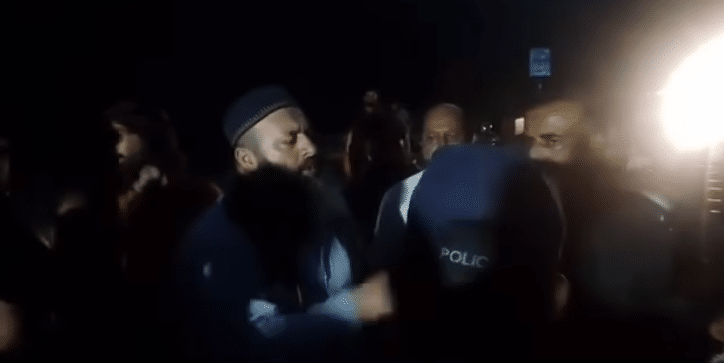

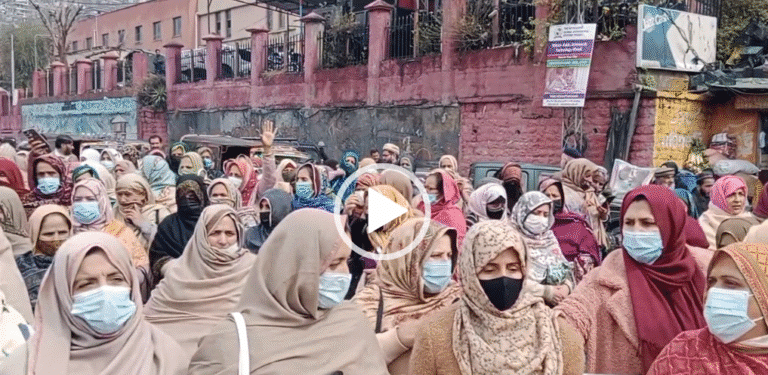
Kohala, Muzaffarabad, Pakistan administered Kashmir: Angry residents have blocked the Kohala–Muzaffarabad road for over two hours in protest against the suspension of police personnel at the Kohala checkpost implicated in a liquor and narcotics case.
According to the demonstrators, officers were initially suspended after seizing liquor and drugs, but were later suspended under political pressure. Locals contend that powerful elites and their patrons are shielding traffickers, highlighting the deeply flawed and biased nature of the system.
“Over the past 77 years, this double-standard system has oppressed the poor. There is no justice or accountability—only favoritism and gangsterism,” a protester said.
The crowd demanded the immediate reinstatement of the suspended police staff and severe punishment for the culprits, warning that public anger could escalate if urgent action is not taken.
The Incident and Its Fallout
Two days prior, law enforcement at the Kohala checkpost intercepted a vehicle transporting a large cache of liquor. However, allegations quickly emerged that influential individuals intervened—either through political clout or bribery—to release both the liquor and the accused. Witnesses who confronted the police were met with silence.
Subsequently, the police chose to suspend their personnel rather than pursue the real offenders. The protesters sharply criticized this move, arguing it rewarded wrongdoing instead of punishing it, and is indicative of institutional decay.


During the crackdown, the Kohala police arrested former Muslim Conference candidate Yasir Kazmi and an associate along with the contraband. The accused were also allegedly involved in aggressive behavior toward the police—attempting to run them over, flee, offer bribes, and exert pressure. A case was registered including the bribe as evidence.
Despite this, the authorities opted to suspend the officers on duty, rather than pursue action against the suspects and their influential backers.
Local voices condemned the decision:

“The wrong people have been penalized. The system protects the powerful, crushing ordinary citizens.”
Broader Implications
This protest is emblematic of long-standing frustrations among Kashmiris regarding institutional corruption, impunity, and the erosion of transparency. The selective enforcement of law—especially targeting those who fall out of favor politically—undermines public trust and fuels social unrest.
As the residents of Kohala maintain their blockade, calls for accountability have intensified. They insist that reinstating the suspended officers and prosecuting the responsible elites is not just a local demand—but a matter of restoring basic rule of law and justice.