


Every month, millions of couples google “how to get pregnant fast” at 2 AM, staring at negative pregnancy tests and wondering what they’re doing wrong. Here’s the truth: conception isn’t just about having unprotected sex. It’s about biology, timing, and understanding what your body is actually telling you.
Dr. Sarah Johnson, a reproductive endocrinologist at Johns Hopkins, puts it bluntly: “Most couples who struggle to conceive aren’t infertile—they’re just missing their actual fertile window by days, sometimes weeks.”
The science is clear. A healthy couple having regular unprotected intercourse has about a 25-30% chance of conception each cycle. That means even under perfect conditions, it takes most couples 3-6 months to conceive. But “perfect conditions” rarely happen naturally. This guide breaks down what actually moves the needle.
The 6-Day Window That Changes Everything
Here’s what your high school health class probably got wrong: pregnancy isn’t possible every day of the month. In reality, the egg survives only 12-24 hours after ovulation. But sperm? Those survivors can hang around for up to 5 days in fertile cervical mucus.
That creates a 6-day fertility window—5 days before ovulation plus the day of ovulation itself. Miss this window, and you’re literally waiting another month for another chance.
The catch? Most women don’t ovulate on day 14 like the textbooks claim. Cycles vary wildly. Some women ovulate on day 10; others on day 20. Tracking isn’t optional if you want speed.
How to Actually Know When You’re Ovulating (Without the Guesswork)
Method 1: Ovulation Predictor Kits (OPKs)
These urine strips detect the luteinizing hormone (LH) surge that happens 24-36 hours before ovulation. Think of it as your body’s “heads up” signal. When the test line gets as dark as the control line, you’re entering prime time.
Pro tip from fertility nurses: Start testing around day 10 of your cycle if you have regular periods. Test between 10 AM and 8 PM—LH surges often happen in the afternoon, not first thing in the morning.
Method 2: Basal Body Temperature (BBT)
Your resting temperature rises 0.5-1°F immediately after ovulation due to progesterone. The problem? By the time you see the spike, ovulation already happened. BBT is better for confirming patterns over months than for timing sex this cycle.
Method 3: Cervical Mucus Monitoring
This old-school method is surprisingly effective. As estrogen rises before ovulation, cervical mucus transforms from thick and sticky to clear, stretchy, and egg-white consistency—nature’s way of helping sperm swim upstream. When you see that texture, your body is literally preparing for conception.
The winning combination? Use OPKs for timing, mucus checks for daily awareness, and BBT for pattern confirmation. Apps like Clue or Glow can help, but don’t rely on app predictions alone—they’re often off by days.
The Sex Schedule That Actually Works
Once you know ovulation is coming, timing becomes everything. Research from the University of Utah found that couples who had sex every 1-2 days during the fertile window had pregnancy rates nearly identical to those having daily sex—but without the burnout.
The sweet spot: Start every-other-day sex when you first notice fertile mucus. When the OPK turns positive, switch to daily for the next 48 hours. This covers the full sperm survival window while keeping things sustainable.
Does position matter? Despite what internet forums claim, no scientific study has proven that missionary position or propping your hips increases conception odds. Sperm are chemically programmed to find the egg regardless of gravity. Focus on timing, not acrobatics.
The Male Factor: Why His Health Matters Just as Much
Here’s a statistic that surprises most couples: male factors contribute to infertility in about 40% of cases. Yet most “get pregnant fast” advice focuses entirely on women.
Sperm quality isn’t static. New sperm develop constantly, meaning lifestyle changes today impact fertility in about 2-3 months—the time it takes for new sperm to mature.
What actually damages sperm:
- Heat exposure: Hot tubs, saunas, and even keeping phones in front pockets can raise scrotal temperature enough to reduce sperm production.
- Smoking: Tobacco damages sperm DNA and reduces motility. The effect is dose-dependent—heavy smokers see the biggest drops.
- Alcohol: More than 5 drinks per week correlates with lower testosterone and sperm counts.
- Certain medications: Testosterone supplements, some antidepressants, and long-term steroid use can shut down sperm production entirely.
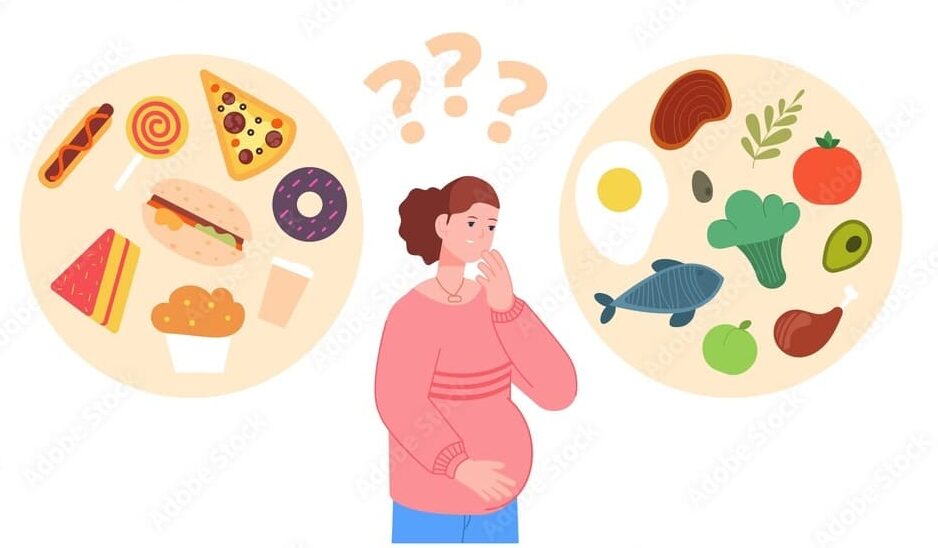
The fertility diet for men isn’t complicated: Antioxidant-rich foods (berries, nuts, leafy greens), zinc (oysters, pumpkin seeds), and omega-3s (fatty fish) show consistent benefits in clinical studies. The Mediterranean diet pattern specifically has been linked to better sperm parameters in multiple trials.
Lifestyle Tweaks That Move the Needle
Weight and Fertility: The Hormonal Connection
Body fat isn’t just storage—it’s an active endocrine organ. Too little body fat (BMI under 18.5) can shut down ovulation entirely as the body prioritizes survival over reproduction. Too much adipose tissue, especially abdominal fat, increases estrogen production and insulin resistance, both of which disrupt ovulation.
The research is striking: women with BMIs over 35 take twice as long to conceive on average compared to those in the normal range. But crash dieting isn’t the answer—rapid weight loss itself can trigger hormonal chaos. Aim for gradual, sustainable changes if weight is a factor.
Exercise: The Goldilocks Zone
Moderate exercise (30 minutes daily) improves fertility across the board. But extreme training? Marathon runners and competitive athletes often experience “exercise-induced amenorrhea”—their bodies interpret intense energy expenditure as famine conditions and stop ovulating.
If your periods are irregular and you train hard, cutting back for 3-6 months often restores normal cycles without any other intervention.
Stress: The Villain That’s Real But Overblown
“Just relax and it’ll happen” is perhaps the most hated phrase in fertility communities. It’s dismissive and often wrong. However, chronic stress does elevate cortisol, which can suppress reproductive hormones.
The mechanism isn’t “stress blocks pregnancy”—it’s that high cortisol disrupts the hypothalamic-pituitary-ovarian axis, potentially delaying ovulation or shortening luteal phases. Mindfulness practices, cognitive behavioral therapy, and adequate sleep (7-9 hours) genuinely help regulate this system, but they’re adjuncts to medical care, not replacements.
Supplements: What the Evidence Actually Shows
The supplement aisle is fertility marketing wild west. Here’s what research actually supports:
Folic acid (400-800 mcg daily): Non-negotiable. It prevents neural tube defects and supports early cell division. Start at least 1 month before conception.
Vitamin D: Deficiency is linked to ovulatory infertility. If your levels are low (under 30 ng/mL), supplementation improves cycle regularity. Get tested rather than guessing.
CoQ10 (100-200 mg): Emerging evidence suggests it may improve egg quality in women over 35, though data is still preliminary.
Prenatal vitamins: Think of them as insurance, not magic. They ensure you’re not deficient in anything critical during early development, often before you know you’re pregnant.
What to skip: Herbal “fertility blends” with unregulated ingredients, high-dose vitamin A (teratogenic in pregnancy), and “detox” teas that can trigger uterine contractions.
Always discuss supplements with your OB-GYN, especially if you have any medical conditions.
When to Stop Trying Alone and Call the Doctor
Here’s the timeline that matters: If you’re under 35, seek evaluation after 12 months of well-timed, unprotected intercourse without conception. Over 35? That window shrinks to 6 months because fertility declines more rapidly with age.
Earlier evaluation is warranted if:
- Your cycles are irregular (shorter than 21 days or longer than 35)
- You have known endometriosis, PCOS, or pelvic inflammatory disease history
- You’ve had multiple miscarriages (2 or more)
- Your partner has a history of testicular injury, surgery, or infection
Modern fertility medicine offers remarkable options, from ovulation-inducing medications like letrozole to intrauterine insemination (IUI) and IVF. The key is not waiting so long that age becomes the dominant factor.
Busting the Myths That Waste Your Time
Myth: “You need to orgasm to conceive.” Reality: Female orgasm may help sperm transport slightly, but conception absolutely occurs without it. Don’t make sex mechanical trying to force biology.
Myth: “Lie with your legs up for 20 minutes after sex.” Reality: Sperm reach the fallopian tubes within minutes, regardless of position. The rest drips out naturally—it’s seminal fluid, not lost sperm.
Myth: “Avoid lubricants entirely.” Reality: Some lubricants (KY Jelly, Astroglide) are spermicidal. But fertility-friendly options like Pre-Seed or Conceive Plus are formulated to be sperm-safe. Use them if needed.
Myth: “Every woman ovulates on day 14.” Reality: Only about 13% of women have a textbook 28-day cycle with day-14 ovulation. Rigid calendar tracking misses most actual fertile windows.
The Bottom Line: Patience Meets Preparation
Getting pregnant fast isn’t about luck—it’s about stacking probability in your favor. Track your cycle accurately. Time intercourse strategically. Optimize both partners’ health. And know when to escalate to medical support.
The couples who conceive fastest aren’t necessarily the most fertile; they’re often just the most informed. They understand that fertility is a team sport, that timing beats frequency, and that evidence always trumps internet folklore.
Your journey to parenthood starts with understanding your own body. The rest is putting that knowledge into practice—one cycle at a time.
Note: For personalized medical advice, consult a board-certified reproductive endocrinologist.