
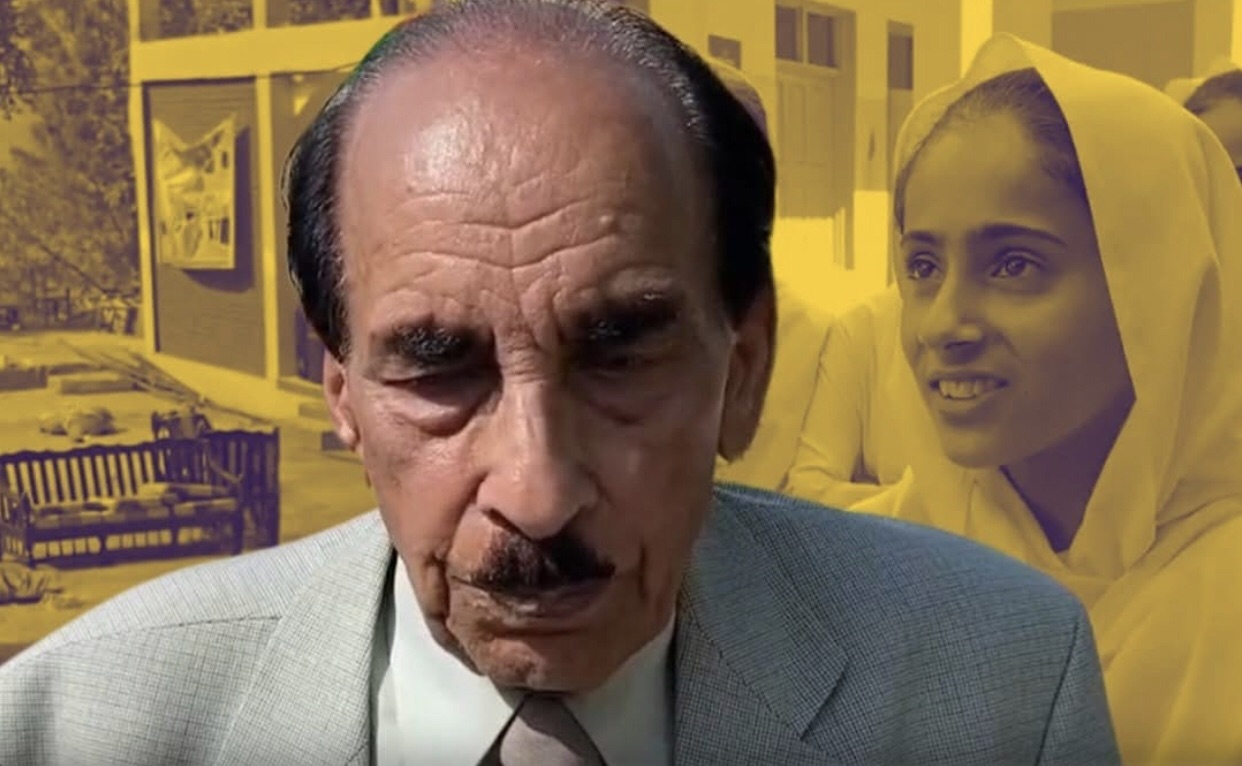

Mirpur, AJK (Pakistan administered Kashmir): In an era where diaspora wealth often fuels luxury back home or political clout, one British-Kashmiri man is rewriting the script. Chaudhary Muhammad Aslam, a 65-year-old retired property investor based in the United Kingdom, has sold his entire real estate portfolio to fund the construction of schools in remote parts of Azad Jammu and Kashmir (AJK).
His story is a quiet but powerful reminder that transformative change can come from those who walk away from comfort—and choose to invest in people, not politics.
A Legacy Reimagined
Aslam, originally from Mirpur district of Pakistan administrated Kashmir, migrated to the UK in the 1970s. Over five decades, he built a modest but valuable portfolio of five properties across England. But in 2023, a visit to his hometown profoundly shifted his priorities.
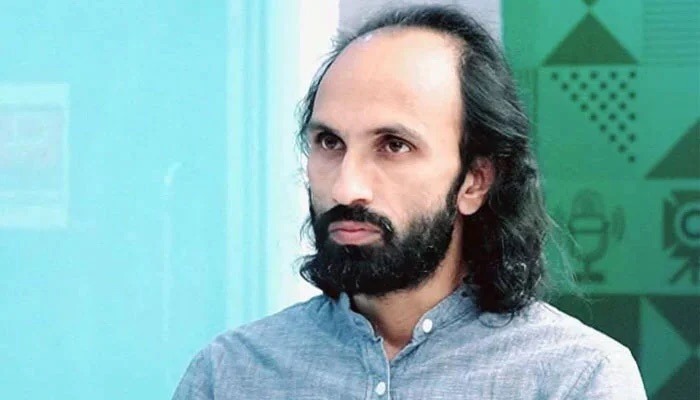
“I saw children sitting on bare ground, under plastic sheets and broken roofs. Almost 20 years after the 2005 earthquake, many of the schools were still ruins,” Aslam told local media. “I returned to Britain and couldn’t sleep. I had to do something.”
That “something” turned out to be everything. He sold all five properties, liquidated his savings, and donated the entirety to a UK-registered humanitarian organization, Muslim Charity, to spearhead school construction across the region.
Schools Rebuilt, Futures Reclaimed
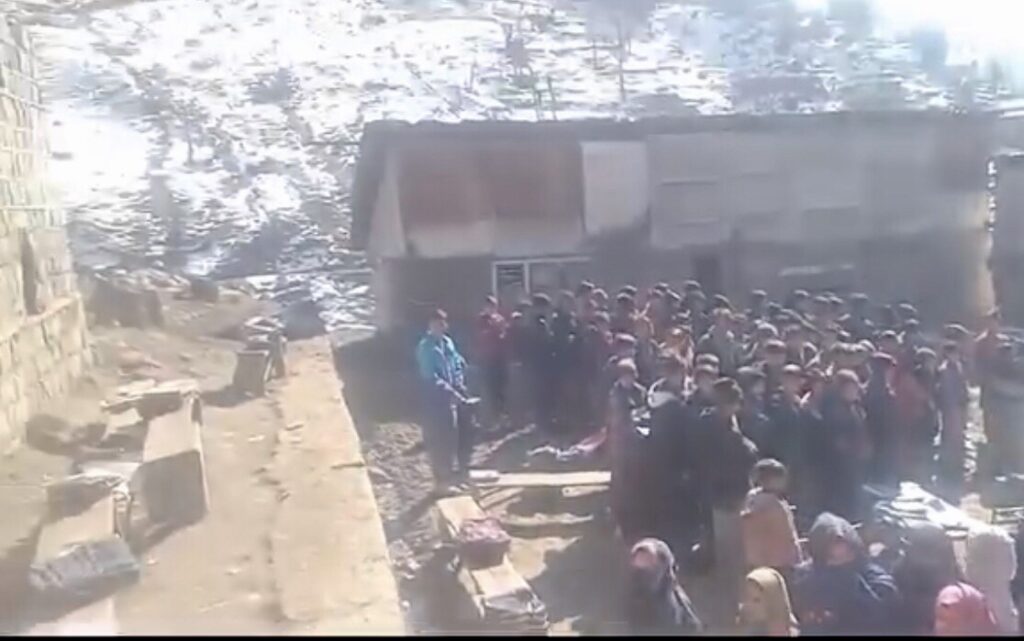
The result: 35 newly constructed schools now dot the mountainous terrain of Azad Kashmir, particularly in the districts of Bagh, Haveli, Pallandri, Rawalakot, and Muzaffarabad. These are not just cosmetic upgrades—they are purpose-built, earthquake-resistant structures with classrooms, sanitation facilities, desks, blackboards, and secure roofs.


Watch video of a school in Neelum Vallley here: https://www.facebook.com/share/v/1Dtwkmk6FW
The initiative has already impacted over 5,000 students, many of whom had been learning under trees or in unsafe, makeshift classrooms.
“These schools are a lifeline,” says Fatima Gul, a primary teacher in Rawalakot. “Before, we would cancel classes whenever it rained. Now, students come even in the snow.”


Filling the Gaps Left Behind
Despite numerous reconstruction pledges after the 2005 earthquake—which killed over 80,000 people and destroyed more than 3000 schools—many communities in Azad Kashmir have yet to see meaningful rebuilding. Large-scale government programmes and international donor commitments often faltered due to red tape, poor oversight, or shifting priorities.
Aslam’s story illustrates how individual intervention can fill institutional voids. But it also raises uncomfortable questions: Why were these schools not rebuilt by the state? And why did it take a retiree living 6,000 kilometres away to bring change?
Local voices echo this sentiment. “We are grateful to Chaudhary Sahib, but it shouldn’t have been his responsibility,” says Munir Hussain, a community elder in Bagh. “This is what governments are supposed to do.”
Beyond Nationalism: A Human-Centric Approach
Aslam’s work exists in a politically charged space—Azad Jammu and Kashmir, a region claimed by both India and Pakistan, but often neglected by both in terms of grassroots development. Yet, his project deliberately avoids nationalist rhetoric.
There are no flags on the buildings, no slogans painted on the walls. Just education.
In an interview, Aslam explained, “I didn’t do this for politics. I did it for the children of Kashmir. They don’t care about borders. They care about books, warmth, safety.”
This resonates with a broader shift among diaspora Kashmiris who are increasingly disillusioned with state-led narratives from both India and Pakistan—and instead focus on bottom-up development rooted in community needs.
A Model for the Diaspora?
Aslam’s decision has sparked conversation in diaspora circles, especially in the UK, which is home to one of the largest Kashmiri-origin communities outside South Asia.
“This could become a model,” says Dr. Nida Sadiq, a development economist at SOAS University of London. “We’ve seen enough political posturing. What Kashmir needs now is a diaspora that empowers—not dictates.”
Others have pointed to the transparency of Aslam’s approach, particularly his partnership with Muslim Charity, which has published updates, financial audits, and construction timelines to ensure donor accountability.
Challenges Ahead
While the initial construction phase has been lauded, long-term sustainability remains a concern. Who will fund teacher salaries? Who will maintain the buildings?
Muslim Charity says they are working with local school boards and village committees to create community-led oversight systems. There are also discussions about hybrid models where alumni donations and local fundraising can support operational costs.
Final Thought
In a region too often spoken for—but rarely spoken with—Chaudhary Muhammad Aslam’s initiative cuts through the noise. It is not a grand political statement, but a humble, concrete investment in the future of a people long caught between two states.
It is a story not just of generosity—but of reimagining what solidarity can look like in Kashmir: not flags or tweets, but bricks, mortar, and a child walking to school with a backpack instead of a burden.
For more context on education in post-earthquake Kashmir, visit UNESCO’s report on rebuilding efforts and Muslim Charity’s project page.