
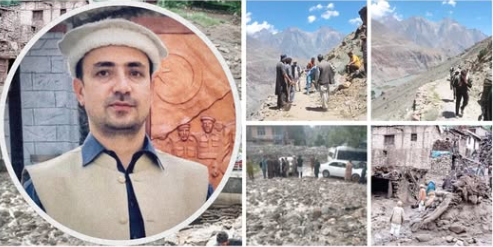

Gilgit Baltistan, (PaJK): High in the Himalayas, Gilgit-Baltistan part of the wider Kashmir region, is facing one of its worst environmental disasters in recent memory. Unprecedented glacier melt, heavy monsoon rains, landslides and glacial lake outburst floods have left behind a trail of destruction: homes washed away, roads cut off, bridges collapsed, and families displaced.
For residents, however, the devastation is compounded by something even more painful the absence of state support.
In Ghizer’s Khaltikhutum valley, a key section of the main highway was swallowed by floods and landslides. No government agency arrived. Instead, villagers — more than 500 of them — began clearing debris and building an alternative path with their own hands.

Such scenes have become common across Gilgit-Baltistan: ordinary people stepping in where authorities failed.
Scale of the Crisis
500+ homes destroyed or damaged
27+ bridges, roads, irrigation channels swept away
Dozens dead, many missing
Shortages of food, drinking water and medicines
Thousands forced into makeshift shelters
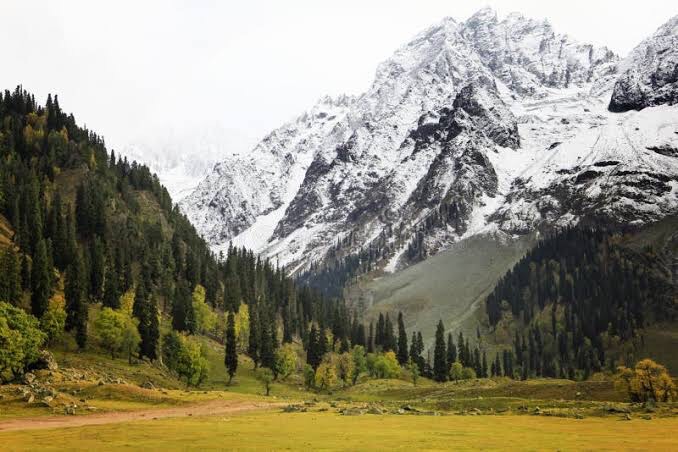

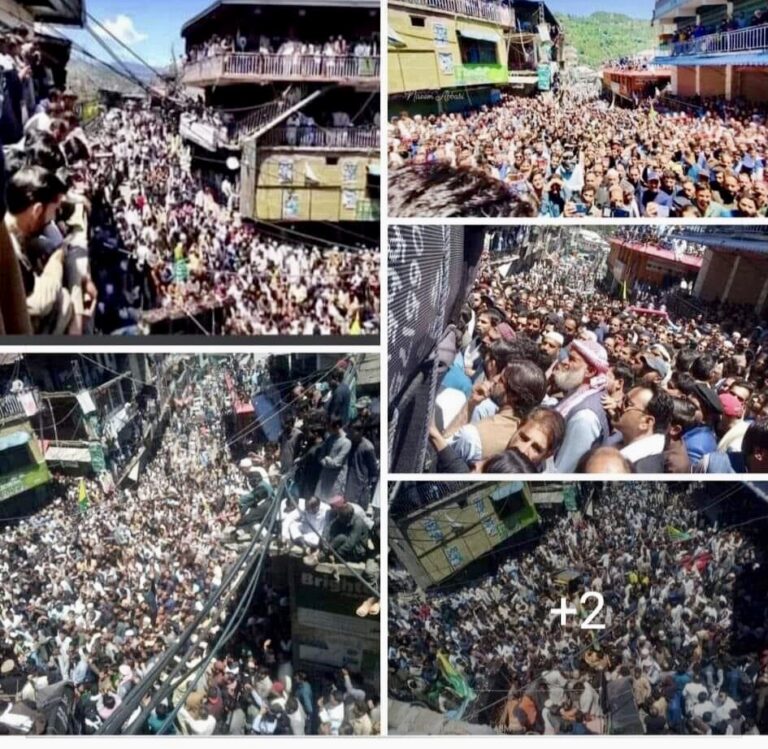

Districts across Gilgit, Ghizer, Diamer, Skardu, Shigar, Kharmang, Ghanche and Nagar have reported severe losses. Entire villages remain cut off, awaiting assistance that has yet to arrive.
Local voices are increasingly critical of what they describe as a “puppet administration” in Gilgit-Baltistan. Despite repeated warnings from climate scientists about the risks of glacier melt and flash floods, residents say there was no preparedness plan, no effective disaster response unit, and no early warning systems.
One community elder told Azadi Times:
“People here are burying their dead, rebuilding roads, and feeding each other. Officials appear only in photographs and press releases.”
Gilgit-Baltistan, often treated as a peripheral zone despite its strategic significance, is once again caught between geography and politics. The region is part of disputed Kashmir, yet in moments of crisis it finds itself on the margins of both governance and policy.
Analysts caution that neglecting Gilgit-Baltistan not only deepens humanitarian suffering but also fuels feelings of political abandonment in a population already sidelined.
Experts and activists have called for:
Transparent and immediate relief operations
Independent audits of disaster funds
Permanent disaster response units in each district
Restoration of communication networks
Active presence of public representatives on the ground
Gilgit-Baltistan’s people have once again shown resilience. But their question is simple: When disaster strikes, why must the region always be left to fend for itself?
Until that question is answered, the floods will remain not just a story of climate crisis — but a stark reminder of political failure in Kashmir’s northernmost region.