

By Child Development Correspondent
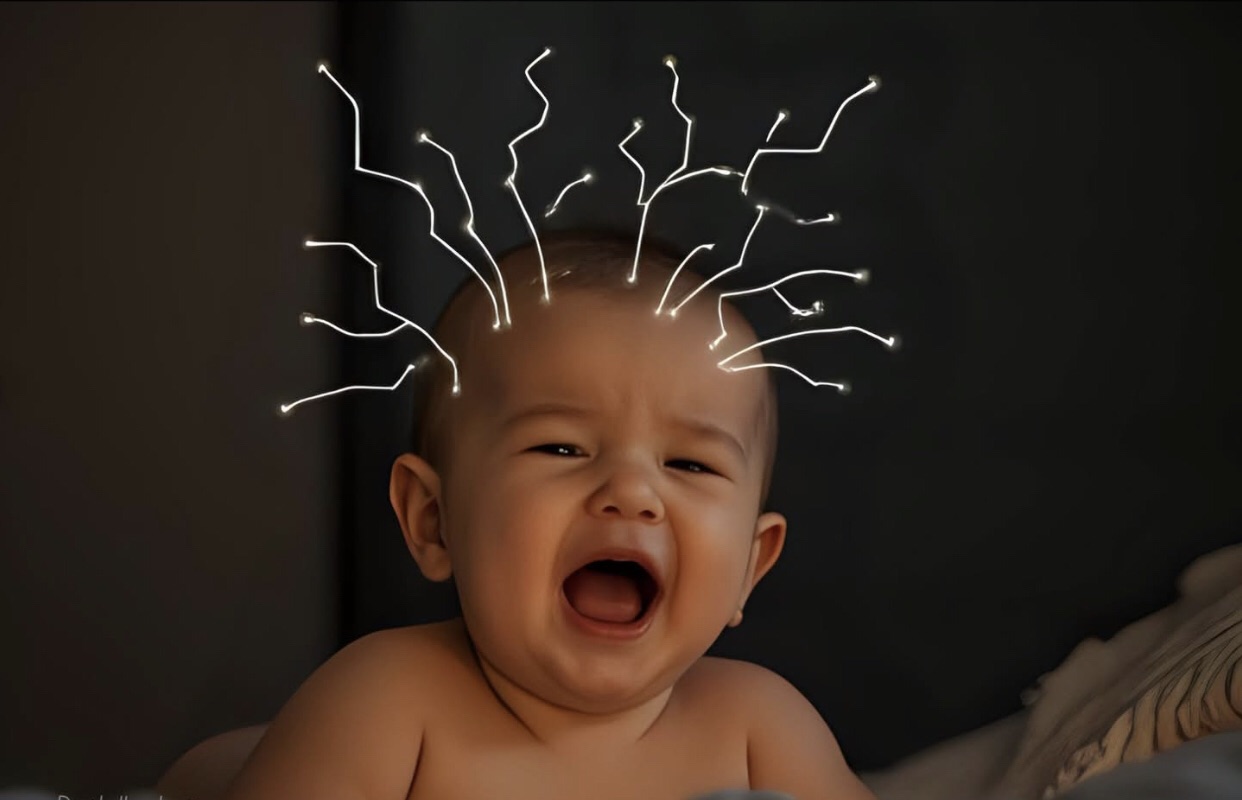
GROUNDBREAKING FINDINGS – A growing body of neuroscientific research demonstrates that consistently ignoring a crying infant does more than cause temporary distress—it can physically reshape their developing brain, with consequences lasting into adulthood. These findings challenge historical parenting advice suggesting babies should “cry it out.”
The Science of Unanswered Cries
Cutting-edge studies using fMRI and cortisol measurements show:

Stress System Overload: Prolonged crying floods infant brains with cortisol, potentially damaging developing neural pathways
Amygdala Hyperactivity: The brain’s fear center becomes oversensitive, increasing anxiety risks later in life
Prefrontal Cortex Underdevelopment: Critical areas for emotional regulation may form weaker connections
Immune System Suppression: Chronic stress in infancy correlates with higher lifetime inflammation markers
“An infant’s brain expects the world to respond to its needs,” explains Dr. Sarah Watson, developmental neuroscientist at Cambridge University. “When those signals go unanswered, the brain adapts—but at a cost.”
The 90-Second Window
Research identifies a critical timeframe:



- First 90 seconds: Normal stress response
- Beyond 90 seconds: Cortisol levels spike dramatically
- Repeated episodes: May lead to permanent changes in stress reactivity
Evidence-Based Comforting Strategies
Child development experts recommend:
Prompt response to cries in first 6 months
Physical contact (skin-to-skin preferred)
Soothing vocal tones to co-regulate emotions
Consistent caregiving to build secure attachment
Debunking “Spoiling” Myths
Contrary to outdated beliefs:
- No evidence that responding to cries creates dependency
- Multiple studies show faster self-soothing development in comforted infants
- Secure attachment predicts better mental health outcomes
Global Implications
These findings carry special significance for:


- Orphanage-raised children showing documented brain changes
- Parents facing cultural pressure to limit comforting
- Policy makers designing parental leave programs
“This isn’t about perfect parenting,” stresses Dr. Watson. “It’s about recognizing that infant cries are survival signals—not manipulation.”