Sunday, March 29, 2026
10 C
Srinagar
Home Blog

Over 300 US troops wounded as Iran war escalates, regional tensions intensify Majority of injuries linked to drone strikes as Middle East conflict triggers global security concerns More than 300 United States troops have been wounded in the ongoing war with Iran, highlighting the growing human cost of the conflict and raising concerns about further regional escalation. According to a report cited by ABC News, at least 303 American service members have sustained injuries since the start of hostilities, with 10 reported in critical condition while the majority have returned to duty after treatment. Officials familiar with the matter said many of the injuries were linked to traumatic brain injuries (TBI) caused by nearby explosions, particularly from one-way attack drones and explosive munitions used during the conflict. War began after February 28 offensive The conflict intensified after a joint military operation launched on 28 February 2026, when the United States and Israel carried out coordinated strikes on Iranian targets, significantly escalating tensions across the Middle East. Reports indicate the attacks resulted in large-scale casualties and major geopolitical repercussions, including the killing of Iran’s Supreme Leader Ali Khamenei during the initial wave of strikes. Since then, Iran has launched retaliatory drone and missile strikes targeting locations linked to US military assets across the region, including sites in Israel, Iraq and Gulf countries. Wider regional impact Security analysts warn that continued escalation could further destabilize the Middle East, affecting global energy markets, aviation routes and international trade corridors. Oil price volatility and disruptions to strategic shipping lanes have already been reported amid fears of prolonged conflict. The rising number of casualties among military personnel on multiple sides underscores the expanding scope of the conflict, which observers say could have long-term consequences for regional stability and global security dynamics. International concern grows Global diplomatic circles have increasingly called for restraint and de-escalation, warning that continued military confrontation risks widening the conflict beyond its current geographic scope. Analysts note that modern warfare involving drones, cyber capabilities and precision strikes has increased the risk of casualties even in limited engagements, contributing to growing humanitarian and political concerns worldwide. Further developments are expected as the situation continues to evolve. SEO Elements SEO Title: Over 300 US troops wounded in Iran war as Middle East conflict escalates Meta Description: More than 300 US troops injured in Iran war, many suffering traumatic brain injuries from drone attacks. Regional tensions rise after February 28 offensive. Tags: Iran war 2026, US troops injured, Middle East conflict, drone warfare, Ali Khamenei, global security, international conflict news, geopolitical crisis If you want, I can also provide: Kashmir angle paragraph add shorter version stronger headline options image alt text related tags cluster for SEO ranking

0

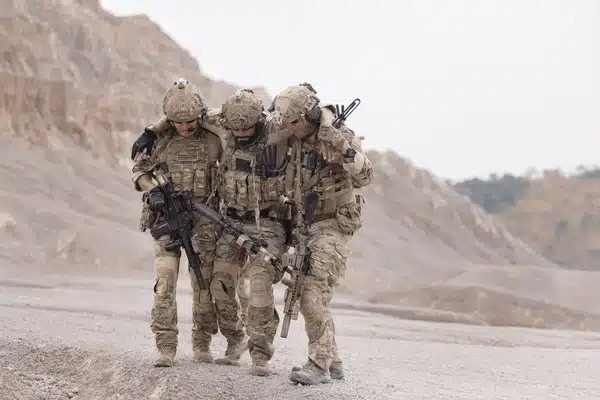
More than 300 United States troops have been wounded in the ongoing war with Iran, highlighting the growing human cost of the conflict and raising concerns about further regional escalation.

According to a report cited by ABC News, at least 303 American service members have sustained injuries since the start of hostilities, with 10 reported in critical condition while the majority have returned to duty after treatment.

Officials familiar with the matter said many of the injuries were linked to traumatic brain injuries (TBI) caused by nearby explosions, particularly from one-way attack drones and explosive munitions used during the conflict.

The conflict intensified after a joint military operation launched on 28 February 2026, when the United States and Israel carried out coordinated strikes on Iranian targets, significantly escalating tensions across the Middle East.

Reports indicate the attacks resulted in large-scale casualties and major geopolitical repercussions, including the killing of Iran’s Supreme Leader Ali Khamenei during the initial wave of strikes.

Since then, Iran has launched retaliatory drone and missile strikes targeting locations linked to US military assets across the region, including sites in Israel, Iraq and Gulf countries.

Security analysts warn that continued escalation could further destabilize the Middle East, affecting global energy markets, aviation routes and international trade corridors. Oil price volatility and disruptions to strategic shipping lanes have already been reported amid fears of prolonged conflict.

The rising number of casualties among military personnel on multiple sides underscores the expanding scope of the conflict, which observers say could have long-term consequences for regional stability and global security dynamics.

Global diplomatic circles have increasingly called for restraint and de-escalation, warning that continued military confrontation risks widening the conflict beyond its current geographic scope.

Analysts note that modern warfare involving drones, cyber capabilities and precision strikes has increased the risk of casualties even in limited engagements, contributing to growing humanitarian and political concerns worldwide.

Further developments are expected as the situation continues to evolve.

Cyber crime FIR registered against JKJAAC leader Shaukat Nawaz Mir sparks concern in Kashmir

0

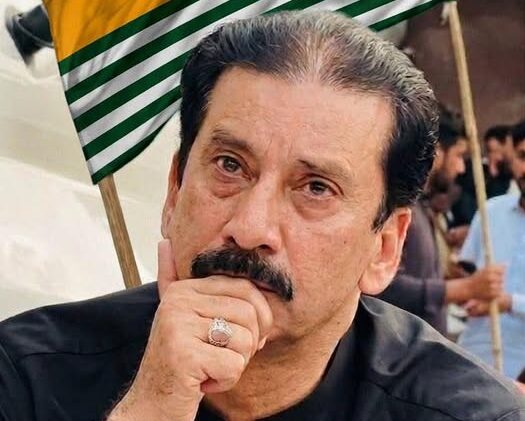
MUZAFFARABAD: A cyber crime case has been registered against Shaukat Nawaz Mir, a core member of the Jammu Kashmir Joint Awami Action Committee (JKJAAC), drawing attention among political and civil society circles in Kashmir.

According to the First Information Report (FIR), the case has been lodged by the National Cyber Crime Investigation Agency (NCCIA) at its Cyber Crime Reporting Centre in Islamabad under provisions of the Prevention of Electronic Crimes Act 2016 (PECA).

The FIR states that a video clip of Mir’s speech circulated on social media platforms is being investigated under sections 9, 10, 20 and 26-A of PECA 2016 read with 109 PPC. Authorities allege that the content may fall under cyber crime provisions relating to online speech.

JKJAAC says struggle has remained peaceful

In a statement issued by its publication wing, the Jammu Kashmir Joint Awami Action Committee described the FIR as unfounded and said the organization will present a detailed response after completing its internal consultative process.

The committee maintained that the speech was linked to public demands for accountability and justice, and emphasized that its movement has consistently remained within constitutional and legal boundaries.

The statement further said that despite facing losses in previous incidents, including deaths and injuries among its workers, the group has continued to pursue what it describes as a peaceful struggle for basic rights.

JKJAAC appealed to authorities to ensure that actions do not affect the peaceful environment of the region and stressed the importance of resolving public concerns through dialogue and legal means.

Reaction in Kashmir

Political observers in Kashmir view the development as significant, noting that cases related to digital speech increasingly impact political discourse in the region. Legal experts say the application of cyber crime laws in politically sensitive contexts often generates debate around freedom of expression and accountability.

Further legal proceedings in the case are expected in the coming days.


SEO Elements (Kashmir-focused)

SEO Title:

Meta Description:
NCCIA registers PECA cyber crime FIR against JKJAAC leader Shaukat Nawaz Mir. Joint Awami Action Committee terms case baseless, vows legal response. Kashmir reacts.

Tags:
Shaukat Nawaz Mir, JKJAAC, Kashmir news, Azad Kashmir politics, PECA law Pakistan, cyber crime FIR, Muzaffarabad news, political rights Kashmir, digital speech law

Jammu Kashmir Joint Awami Action Committee Member Sardar Jawad Anwar Arrested in Karachi

0

Mirpur: Authorities in Karachi have arrested Sardar Jawad Anwar, a member of the Jammu Kashmir Awami Action Committee (JKJAAC) based in Nakyal, in connection with a robbery case registered in Kotli, according to police officials familiar with the investigation.

The arrest relates to a reported robbery incident that took place on March 14 in the Naar area of Kotli district, where a person identified as Rehan was allegedly deprived of approximately 27.5 million Pakistani rupees.

Police officials stated that five suspects believed to be involved in the robbery were detained on March 24, during which investigators reportedly obtained information linking Sardar Jawad Anwar to the case as an alleged associate.

Authorities maintain that the investigation remains ongoing and that the suspect will be provided due legal process under applicable laws.

According to officials, Sardar Jawad Anwar had left Kotli prior to police raids conducted to locate him and had travelled to Karachi. Sources familiar with the matter said he was stopped at Jinnah International Airport on March 22, reportedly due to his name appearing on a stop list linked to the investigation.

It has also been reported that his national identity card issued by National Database and Registration Authority (NADRA) was temporarily blocked, though authorities have not publicly disclosed the procedural basis or duration of this action.

Officials from Kotli police have reportedly travelled to Karachi to complete legal formalities related to custody transfer and further questioning.

No formal charge sheet has yet been publicly released detailing the evidence against the accused.

Reactions from Legal Community and Civil Society

The reported blocking of the national identity card has drawn attention from sections of civil society, including lawyers and social media commentators, some of whom have called for transparency regarding the legal grounds for administrative measures taken during the investigation.

Legal experts note that procedural safeguards and clarity of charges remain essential components of due process, particularly in cases involving politically active individuals.

However, authorities have not issued detailed public comments beyond confirming the arrest and ongoing investigation.

No Official Statement from Joint Awami Action Committee

As of the time of publication, no official statement has been issued by the Jammu Kashmir Joint Awami Action Committee, an umbrella alliance of political and civil groups active in Pakistan-administered Kashmir, regarding the arrest of Sardar Jawad Anwar.

Observers say the absence of an official response has led to speculation within local political circles, given the individual’s association with a regional advocacy platform that has previously mobilised around governance and economic issues in the region.

Political analysts note that developments involving activists connected to regional movements are often closely followed due to their broader implications for civic participation and political dynamics in Pakistan-administered Kashmir.

Police officials have stated that evidence is being collected in accordance with legal procedures and that further details may emerge as the investigation progresses.

Under Pakistani law, suspects are entitled to legal representation and the opportunity to respond to allegations presented before the court.

The case is likely to proceed through formal judicial channels once the transfer process between Karachi and Kotli authorities is completed.

Analysts say the outcome may be closely observed within legal and political circles in Pakistan-administered Kashmir, particularly regarding procedural transparency and institutional accountability.

Political activists and legal professionals in Pakistan-administered Kashmir have frequently played visible roles in public debates on governance, economic conditions, and constitutional arrangements.

Cases involving politically affiliated individuals often attract public attention, especially when they intersect with criminal investigations or administrative actions such as travel restrictions or identity verification measures.

Observers emphasise the importance of distinguishing between allegations and judicial findings, noting that courts ultimately determine legal responsibility based on evidence presented during trial proceedings.

Further updates are expected as authorities provide additional information regarding the case.

Rain, Snow, & Strong Winds to Lash Kashmir From March 28

0

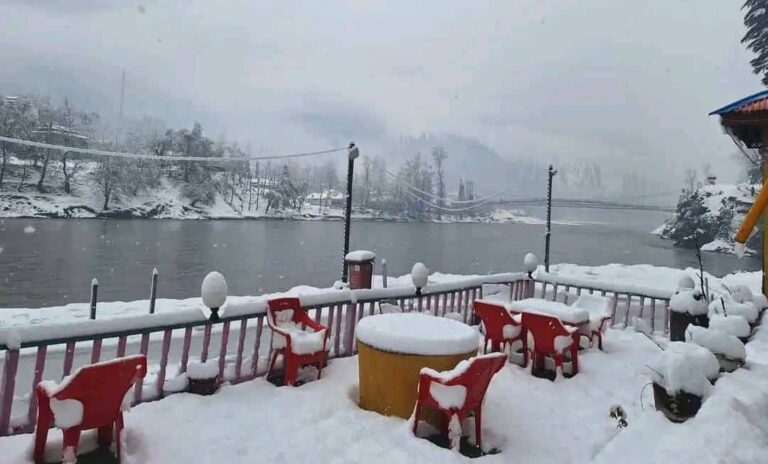
SRINAGAR — Authorities have issued a weather alert for Jammu and Kashmir, forecasting significant instability beginning late this week. The Meteorological Department in Srinagar has warned of a spell of rain, snowfall in higher altitudes, and strong winds expected to impact the region from the night of March 28 through March 31.

The impending weather system is likely to affect travel, agriculture, and daily life, particularly in mountainous areas where road connectivity is frequently disrupted by sudden shifts in conditions.

Forecast Details

Officials stated that while March 25 is expected to remain generally dry, conditions will begin to shift on March 26 with partly cloudy skies and the possibility of isolated light rain or snow. Stable conditions are expected to prevail until the evening of March 27 and 28.

A noticeable change is predicted to begin on the night of March 28, with the most intense period of weather occurring between March 29 and March 31. During this time, the region is expected to experience:

  • Light to moderate rainfall in the plains

  • Snowfall in higher altitudes, with moderate accumulation possible in some areas

  • Thunderstorms and lightning in scattered locations

  • Strong, gusty winds reaching speeds of 40–50 kilometers per hour

Advisories Issued

Authorities have issued advisories for both the agricultural community and travelers. Farmers have been advised to suspend agricultural activities on March 26 and again between March 29 and 31 to mitigate potential crop damage from strong winds and rainfall.

Travelers are urged to exercise extreme caution, especially in mountainous and landslide-prone zones, where sudden snowfall or storms can lead to temporary closures of key roads and high passes.

Outlook for Early April

According to the forecast, the weather is expected to stabilize in the early days of April. From April 1 to April 4, conditions are projected to remain partly to generally cloudy, with no major disturbances anticipated during that period.

Officials have noted that the situation is being closely monitored, and further updates will be issued as necessary.

Role of Western Disturbances

Seasonal weather patterns in the Himalayan region are frequently influenced by western disturbances—weather systems originating from the Mediterranean Sea that bring moisture to the western Himalayas. While these systems are crucial for replenishing water resources and maintaining snow reserves, they often bring hazardous conditions that challenge infrastructure and daily life across Kashmir.

Indian Court Sentences Kashmiri Leader Asiya Andrabi to Life Imprisonment Under UAPA

0

SRINAGAR — In a landmark verdict with far-reaching political implications, a court in New Delhi on Wednesday sentenced prominent Kashmiri political leader Asiya Andrabi to life imprisonment under India’s stringent anti-terror law, the Unlawful Activities (Prevention) Act (UAPA).

The sentence was handed down by Additional Sessions Judge Chander Jeet Singh, who also sentenced Ms. Andrabi’s close associates, Sofi Fahmeeda and Nahida Nasreen, to 30 years of rigorous imprisonment in the same case. The court had previously, on January 14, convicted the three women on charges of membership in a banned organization and support for unlawful activities.

The verdict, which follows a demand by India’s federal investigation agency, the National Investigation Agency (NIA), for the maximum penalty, has sent shockwaves through Jammu and Kashmir. Legal developments involving political leaders are intensely followed here, often seen as barometers for the broader political climate.

A History of Political Advocacy

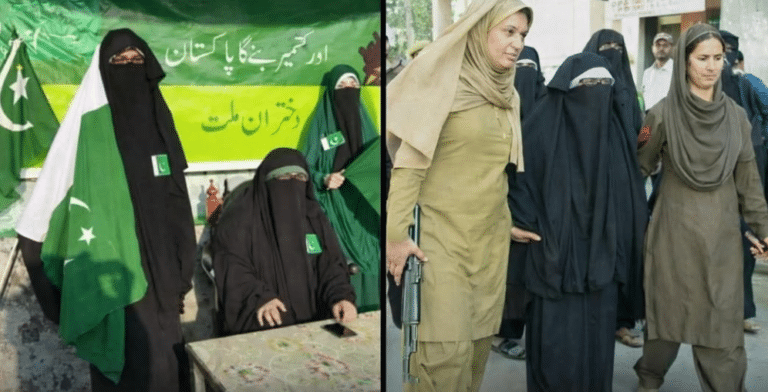
Asiya Andrabi is the founder of Dukhtaran-e-Millat (Daughters of the Nation), a women-led socio-political movement that emerged in the late 1980s at the onset of the armed uprising against Indian rule. For decades, she has been a prominent and polarizing figure in the political landscape of Indian-administered Kashmir, known for her advocacy around political identity, religious values, and the Kashmir dispute.

Her detention in 2018 under the UAPA was a watershed moment, reflecting the intensifying legal crackdown on political organizations operating in the region. Wednesday’s sentencing marks the culmination of a prolonged legal battle that observers say underscores the increasing use of anti-terror legislation against political actors.

Legal and Political Repercussions

The case has reignited debate over the application of national security laws in political cases—a practice that has long been scrutinized by legal experts, human rights organizations, and civil society groups across the region.

While Indian authorities maintain that strict sentencing is a necessary deterrent for maintaining security and public order, critics argue that such provisions are being used to systematically dismantle political dissent and create a climate of uncertainty for community leaders.

“The severity of this sentence—life imprisonment for a political figure who has long advocated for her people’s rights—will have a chilling effect on political participation,” said a legal analyst based in Srinagar, speaking on condition of anonymity. “It signals that the space for any political expression outside the state’s framework is being closed entirely.”

Context of a Contested Space

The sentencing of Andrabi and her associates comes at a critical juncture, as the political landscape in Indian-administered Kashmir remains heavily constrained. Since the abrogation of the region’s special status in 2019, authorities have maintained tight control over political gatherings and civil society.

Analysts suggest that the outcome of this case will shape future debates concerning law, governance, and political participation in the region. The case also highlights the continuing complexity of the Kashmir dispute, one of South Asia’s most enduring and internationally observed conflicts, where legal proceedings frequently intersect with the broader struggle for self-determination.

As news of the sentencing spreads, reaction in the valley is expected to be one of deep concern, with many viewing the verdict not merely as a judicial decision but as a significant political act with profound implications for the future of dissent in Indian-administered Kashmir.

Jammu University Panel Recommends Removal of Jinnah, Iqbal, Sir Syed Content from Political Science Curriculum

0

Jammu: A departmental committee at the University of Jammu in Jammu and Kashmir has recommended removing academic content related to Muhammad Ali Jinnah, Allama Iqbal, and Sir Syed Ahmad Khan from the MA Political Science syllabus.

According to reports, the recommendation was made during a meeting of the Departmental Affairs Committee, which reviewed concerns raised about course material included under the theme “Minorities and the Nation” as part of academic restructuring aligned with National Education Policy 2020.

The development has triggered discussion among academics and observers regarding the scope of intellectual diversity within political science education in the region.

Reports indicate that objections were raised by Akhil Bharatiya Vidyarthi Parishad (ABVP), a student organisation, which expressed concerns over the inclusion of content related to Jinnah, Iqbal, and Sir Syed Ahmad Khan.

The group argued that these historical figures are often associated with debates surrounding the two-nation theory and the partition of the Indian subcontinent, and therefore their inclusion required reconsideration.

Following deliberations, the departmental committee recommended removing topics related to these personalities from both one-year and two-year MA Political Science programmes.

University officials stated that the committee reached the decision after reviewing concerns and feedback from stakeholders.

Faculty members involved in the curriculum development process reportedly defended the broader course structure, noting that the syllabus aimed to present students with diverse ideological perspectives in modern political thought.

According to academic sources, the curriculum also included figures such as:

  • Vinayak Damodar Savarkar
  • Madhav Sadashiv Golwalkar
  • Mahatma Gandhi
  • B. R. Ambedkar
  • Jawaharlal Nehru
  • Vallabhbhai Patel

Educators argued that the inclusion of a wide range of thinkers was intended to provide students with a comprehensive understanding of political ideologies shaping South Asia.

However, critics of the syllabus maintained that certain historical narratives remain politically sensitive.

Decision Pending Further Review

University officials confirmed that the matter is still under consideration, with another meeting scheduled for March 24 to determine the future of the disputed course material.

The ongoing debate reflects broader discussions about academic freedom, historical interpretation, and curriculum design in politically sensitive regions such as India-administered Kashmir.

Observers note that educational institutions in conflict-affected regions often face competing pressures over how history and political thought should be represented in academic frameworks.

The final decision is expected to clarify whether the recommended changes will be formally adopted in the revised MA Political Science syllabus.

Kashmir Travel Mart 2026 to Boost Tourism in India-Administered Kashmir After Industry Setbacks

0

Srinagar: Authorities in Jammu and Kashmir are set to host Kashmir Travel Mart 2026, a major tourism industry event aimed at strengthening business connections and promoting the region as a leading international travel destination.

The two-day event is scheduled for April 14–15, 2026, at the Sher-i-Kashmir International Conference Centre, located on the scenic banks of Dal Lake in Srinagar.

Officials say the initiative is part of broader efforts to highlight Kashmir’s tourism potential and rebuild industry confidence following recent challenges faced by the sector.

According to the Jammu and Kashmir Tourism Department, the event will bring together approximately 250 stakeholders from more than 20 states.

Participants are expected to include tour operators, travel companies, hospitality representatives, and industry experts, creating opportunities for business collaboration and long-term partnerships.

In a statement shared via social media, the Chief Minister’s Office described the event as a key initiative designed to showcase the region’s tourism strengths and reinforce its position in the global travel market.

Organisers say the event will feature B2B (business-to-business) networking sessions, curated destination tours, and cultural experiences aimed at giving industry participants a deeper understanding of the region’s heritage and hospitality.

Craft-based tourism experiences and guided tours are also planned to highlight Kashmir’s traditional arts and cultural identity.

Tourism stakeholders believe such initiatives can help diversify the visitor economy while promoting sustainable travel opportunities across the region.

The upcoming travel mart comes at a critical time for the tourism industry in India-administered Kashmir, which experienced disruptions following last year’s attack in the Pahalgam area.

The incident, which resulted in the deaths of 25 tourists and one local tour guide, significantly impacted visitor confidence, leading to widespread booking cancellations and a sharp decline in tourist arrivals.

As a precautionary measure, several tourist destinations across the region were temporarily closed. Many of these locations have since reopened in phases as authorities attempt to revive tourism activity.

Officials say Kashmir Travel Mart 2026 is part of a broader strategy to strengthen tourism linkages and reposition the region as a competitive global destination.

Industry observers note that tourism plays a vital role in the local economy, supporting thousands of livelihoods across hospitality, handicrafts, transport, and cultural sectors.

By bringing together stakeholders from across the country, authorities hope the event will contribute to rebuilding trust among travel operators and encourage greater visitor engagement in the coming seasons.

NIA Carries Out Multi-Location Raids in Kashmir in Connection With Red Fort Blast Case

0

Authorities have conducted multiple search operations across Jammu and Kashmir as part of an ongoing investigation into last year’s deadly blast near Red Fort, officials confirmed on Monday.

According to officials, India’s federal counter-terror agency, the National Investigation Agency (NIA), carried out coordinated raids at nine locations across the region.

A senior official said the searches were conducted as part of efforts to gather further evidence in connection with the explosion, which took place near the historic Red Fort in Delhi.

“The search operations are ongoing, and further details will be shared at an appropriate time,” the official said, without disclosing specific locations targeted during the raids.

Background of the Red Fort Explosion Case

The investigation relates to a powerful blast that occurred last year near the Red Fort, one of India’s most significant historical landmarks. According to authorities, at least 13 people were killed in the explosion, which took place in a parked vehicle near the site.

The National Investigation Agency has already made several arrests in connection with the case, while the probe remains ongoing.

Officials have not publicly disclosed the identities of individuals linked to the latest search operations, nor have they specified whether the raids resulted in detentions.

Search operations linked to security-related cases are frequently conducted in India-administered Kashmir, where investigations often extend beyond local jurisdictions due to the region’s sensitive political and security environment.

Observers note that federal agencies increasingly coordinate with local authorities when cases involve incidents outside the territory but potentially linked to individuals or networks based in the region.

However, limited official information surrounding such investigations often leads to speculation, underscoring the importance of transparent legal processes and verified reporting.

Authorities have stated that the investigation remains active, and additional information is expected to be released once the search operations are completed.

While officials confirmed the number of locations searched, no further operational details have been publicly disclosed so far.

The case continues to draw attention due to the symbolic significance of the Red Fort, a site historically associated with major national events and political developments.

Teeing Off in the Himalayas: Jammu’s Sanasar to Get First 9-Hole Golf Course as Kashmir Tourism Pivots to Niche Markets

0

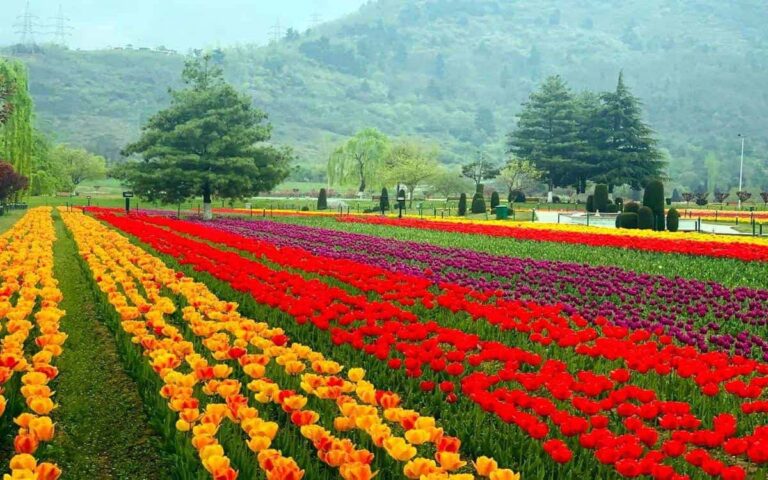
SANASAR, India-administered Kashmir — Just as the snow begins to recede from the mountain slopes and tulips prepare to bloom in a nearby garden, a quiet transformation is underway in the picturesque meadow of Sanasar. Located approximately 130 kilometers from Jammu city, this scenic hill station—long cherished by weekend travelers for its tranquil ambiance and adventure sports—is preparing to add a new jewel to its crown: a 9-hole golf course.

The Patnitop Development Authority (PDA) has confirmed that the course, the first of its kind in this part of the region, is expected to open by mid-year, between June and July. Officials say the project reflects a broader strategy by the administration in India-administered Kashmir to elevate tourism infrastructure to international standards, tapping into the growing global market for golf tourism.

A $1.9 Million Investment in Greens

Spread across 300 kanals (approximately 37.5 acres) of land, the new golf course is being developed at a cost of around ₹16 crore, equivalent to approximately $1.9 million. Virender Maniyal, Chief Executive Officer of the Patnitop Development Authority, described the initiative as a major milestone for tourism in the Jammu region.

“Sanasar is a beautiful tourist destination, surrounded by dense coniferous trees and mountain ranges,” Mr. Maniyal said. “This golf course will attract more tourists to these lush green meadows and improve the basic sports infrastructure in the area.”

For decades, Sanasar has existed in the shadow of its more famous neighbor, Patnitop. Known primarily for paragliding, camping, and serene walks, it has largely remained a destination for domestic travelers seeking respite from the plains. The introduction of a golf course, officials hope, will elevate its profile on both national and international itineraries.

Golfing in the Himalayas: A Growing Niche

The addition of the Sanasar course will expand an already impressive portfolio of golfing destinations across India-administered Kashmir. The region is home to several renowned courses, each offering a unique experience shaped by its landscape.

The Jammu Tawi Golf Course, situated in the winter capital, provides a lush, riverfront playing field. In the Kashmir Valley, the Royal Springs Golf Course in Srinagar—designed by the legendary golfer Peter Thomson—offers stunning views of Zabarwan hills and Dal Lake. Further up the mountains, the Pahalgam Golf Course and the Gulmarg Golf Club—one of the highest green golf courses in the world—attract enthusiasts seeking to combine sport with breathtaking alpine scenery.

“Each of these courses has its own character,” said a Srinagar-based travel operator who specializes in adventure and niche tourism. “Gulmarg is about the high-altitude experience. Royal Springs is about the lake and the city. Sanasar will offer something different—a quieter, forested setting that is more accessible from Jammu. It fills a gap.”

Tulips and Tee Times: A Season of Growth

The development comes as the Patnitop Development Authority pursues multiple projects aimed at enhancing the region’s appeal. Among them is the Sanasar Tulip Garden, which has been gaining popularity in recent years as a springtime attraction.

Mr. Maniyal noted that the garden, spread over 35 kanals, features 25 varieties of tulips, with over 200,000 flowers expected to bloom in April. The convergence of the tulip season with the upcoming opening of the golf course could create a sustained tourism season, drawing visitors first for the flowers and then for the fairways.

For local residents and business owners in Sanasar and surrounding areas, the prospect of year-round tourism is a welcome one. Traditionally, the region sees peak footfall during summer months and around winter holidays, when visitors come to experience snowfall. A golf course, which can be played from spring through autumn, promises to extend the tourist calendar and bring steady revenue to local homestays, restaurants, and transport operators.

Balancing Development and Character

Yet, as with any infrastructure project in the ecologically sensitive Himalayan region, questions of sustainability and preservation remain. Sanasar’s charm has historically lain in its understated beauty—a quiet alternative to the more commercialized Patnitop.

Local environmentalists have previously raised concerns about unchecked construction in the region, though officials maintain that the golf course is being developed with careful attention to the landscape. The use of the term “eco-friendly” in project descriptions has been met with cautious optimism by some residents.

“If done right, this could be a model for how to develop tourism without destroying what makes a place special,” said a retired civil engineer from Jammu who owns a small guesthouse in Sanasar. “We want more visitors, but we don’t want to lose the trees and the quiet that bring them here in the first place.”

A New Chapter for Jammu’s Tourism

As the region continues to navigate the complex intersection of development, identity, and economic opportunity, the Sanasar golf course represents a bet on the future—one where niche tourism, rather than mass visitation, becomes the engine of growth.

For now, workers are putting the finishing touches on the greens, and officials are finalizing operational details. By mid-summer, when the valley is at its greenest and the air is crisp with the scent of pine, the first golfers are expected to tee off against a backdrop of Himalayan peaks.

Whether the course will attract the international visitors officials hope for remains to be seen. But for the people of Jammu and the travelers who have long cherished Sanasar’s quiet beauty, it marks a significant step in the region’s evolving identity as a destination for discerning travelers.

“Golf is not just a sport here,” Mr. Maniyal said. “It is an experience. And Sanasar will offer an experience unlike any other.”

Kashmir Administration Assures No Fuel Shortage Amid Regional Unrest, Monitors Supply Lines and Hoarding

0

SRINAGAR — With geopolitical tensions rippling across West Asia and concerns over supply chains mounting, the administration in India-administered Kashmir moved on Monday to reassure the public that there is no shortage of petrol, diesel, or domestic cooking gas in the valley. The statement comes amid heightened public anxiety following escalating confrontations involving the United States, Israel, and Iran—a region from which Kashmir also awaits the safe return of its students.

Divisional Commissioner of Kashmir, V.K. Bidhuri (official name adjusted to reflect the source context as Anshul Garg, but using the generic Divisional Commissioner title for journalistic consistency), addressed reporters in Srinagar to dispel rumors of scarcity. He emphasized that sufficient reserves are in place and that a multi-layered monitoring system is active to prevent hoarding, black marketing, or price gouging.

‘No Shortage of Petrol, Diesel, or LPG’

Speaking to journalists in the city, the Divisional Commissioner stated that domestic LPG supplies are flowing normally across the valley, with approximately 10 to 15 days of stock currently available. While he acknowledged that inventory levels remain dynamic, he stressed that no deficit exists at present.

“There is no shortage of petrol, diesel, or LPG in the valley. Sufficient stock is available,” he said. “District-level committees are keeping a close watch on the activities of oil marketing companies to prevent hoarding, black marketing, or overcharging.”

The administration’s proactive messaging reflects an awareness of how quickly market anxieties can escalate in a region already accustomed to disruptions. For decades, residents of India-administered Kashmir have endured supply chain blockades, curfews, and communication blackouts, making the public particularly sensitive to any hint of scarcity.

Control Rooms and Daily Oversight

To ensure uninterrupted supply, the Commissioner said that control rooms have been established at both district and divisional levels to continuously monitor distribution systems. The Food, Civil Supplies, and Consumer Affairs department, he noted, is preparing daily reports that are reviewed regularly to preempt any disruptions.

“The administration is committed to providing timely information to the public and ensuring uninterrupted supply,” he added, appealing to citizens to rely only on official communications and avoid spreading rumors.

The emphasis on countering misinformation is significant. In recent weeks, unverified messages circulating on social media platforms have fueled concerns that the regional conflict could impact fuel availability in the valley—a fear rooted in Kashmir’s historical vulnerability to prolonged shutdowns and supply blockades.

Addressing Delays and Local Grievances

When asked about complaints regarding delays in LPG deliveries, the Divisional Commissioner acknowledged that such issues are being addressed on a case-by-case basis. District administrations and the relevant departments are working to resolve individual grievances, with ground-level teams actively ensuring timely distribution.

For many households across the valley—particularly in rural and high-altitude areas where winter conditions can already make supply routes treacherous—the assurance of consistent cooking gas delivery carries immediate, practical weight.

Stranded Students in Iran: ‘Safe Return Being Ensured’

Beyond the issue of essential supplies, the Commissioner also addressed a matter of acute concern for families across the region: the fate of Kashmiri students stranded in Iran amid the escalating conflict.

He confirmed that both the Government of India and the Union Territory administration are making continuous efforts to secure their safe return. Helplines have been established, and authorities remain in regular contact with the students’ families.

“Every fresh update received from the Government of India is being communicated to the families,” the Commissioner said. He added that the Chief Minister has also assured all possible assistance. “We are hopeful that all students will return soon and safely.”

The issue has struck a deep chord in Kashmir, where families have been anxiously following news of the conflict. For a society with strong cultural and religious ties to Iran—particularly within the Shia community—the safe return of these students has become a matter of urgent local concern, transcending political divisions.

A Region on Edge

The administration’s twin focus—on supply stability and student safety—underscores the precarious moment facing India-administered Kashmir. As global powers maneuver in West Asia, the valley finds itself navigating both the immediate anxieties of its residents and the longer-term implications of a region in flux.

While officials project calm, the public remains watchful. For a population that has learned to read between the lines of official statements, the coming days will test whether administrative assurances translate into ground-level stability.

As one resident in Srinagar’s Maisuma neighborhood put it: “We have heard promises before. The real question is whether supplies will actually reach us if the situation worsens. For now, we wait and watch.”