
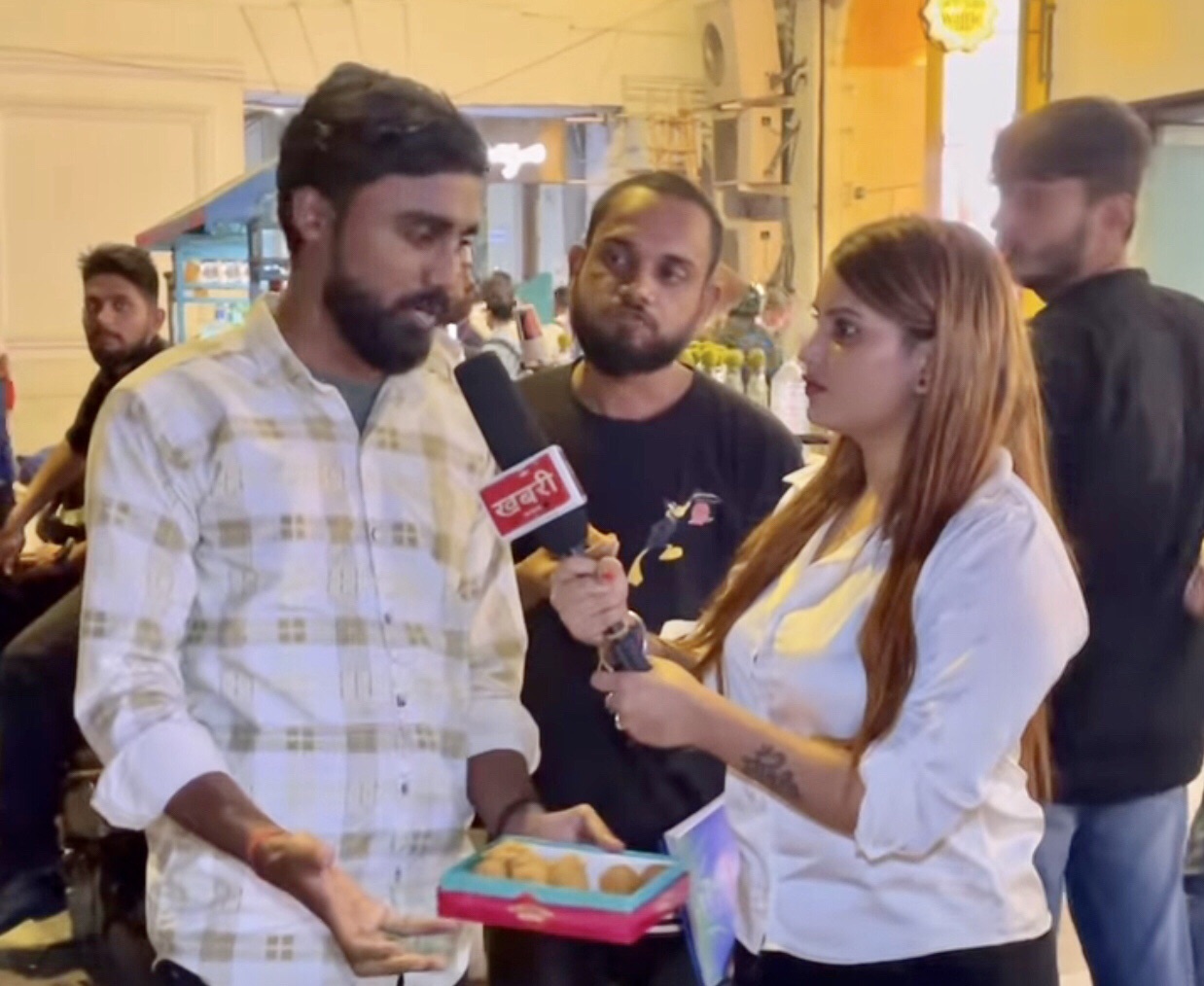

“Mangru kon hai?” — this phrase (translated: “Who is Mangru?”) has echoed across social media platforms in recent months, especially in India and Pakistan. But unlike celebrities manufactured by media agencies or actors promoted by major production houses, Mangru emerged straight from the streets—or more precisely, from a railway station, with a disarming smile, witty one-liners, and raw authenticity.
He didn’t need a scripted set or studio lights. All it took was a mic, a street-side reporter, and his unshakable “sigma male” attitude to captivate the internet.
Who Exactly Is Mangru?
Mangru is a viral street comedian from India, whose real name, background, or hometown is still largely unknown. What is clear, however, is that he has become a digital folk icon. He is frequently spotted in short-form interviews conducted by content creators and YouTube journalists, where his stoic replies, subtle sarcasm, and unexpected humour deliver a powerful punch—without him ever raising his voice.

The Interview That Changed Everything
Mangru first gained viral fame after a street interview clip was uploaded on YouTube titled “Sigma Male 🗿 Mangru vs Reporter”. The video, in which a female reporter asks Mangru casual lifestyle questions, shows him responding with deadpan expressions, unexpected metaphors, and an almost Zen-like disregard for modern social expectations.
The public response? Massive.
- Over 5 million views in less than two weeks.
- #Mangru and #SigmaMale began trending on TikTok and Instagram reels.
- Memes exploded across social media with captions like “Be like Mangru”, and “Mangru Mindset > Billionaire Mindset.”
Why Is He Called a “Sigma Male”?
In internet subculture, a “sigma male” is a term used to describe someone who lives outside the traditional dominance hierarchy. Not a follower, not a leader—just someone who does things his own way, unbothered by the world’s opinions.
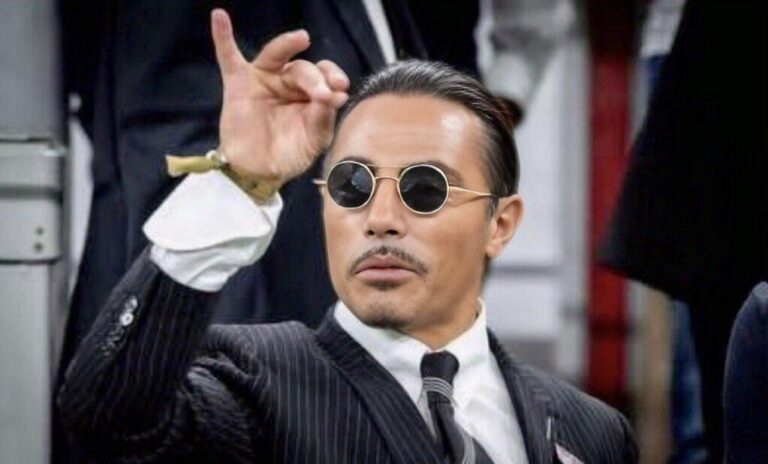


Mangru’s unfiltered responses, refusal to impress, and effortless calm in front of the camera matched this archetype. In a time when everyone is trying to go viral by doing something outrageous, Mangru went viral by doing nothing out of the ordinary—yet everything was extraordinary.
Humour Without a Script: Mangru’s Secret Sauce
What sets Mangru apart from mainstream comedians is his lack of performance. There’s no punchline delivery. No background music. No rehearsed flow.
Instead, Mangru embodies a kind of accidental comedy—his humour stems from being completely himself. His blank stares, unusual analogies, and dismissive wisdom deliver a kind of comedy that’s deeply human, and unintentionally brilliant.

The Working-Class Star: Why It Matters
Mangru doesn’t look like a celebrity. He doesn’t dress like one either. Standing near a railway station in humble clothes, Mangru represents India’s invisible backbone: the working class. His rise to fame is a reminder that internet virality is no longer controlled by polished influencers or brand collaborations.
His growing popularity reflects:
- The audience’s fatigue with overproduced content.
- A hunger for authenticity.
- A cultural shift toward valuing grounded, everyday voices.
Mystery Adds to His Magic
So far, no one has found Mangru’s full name, hometown, or personal history. This mystery fuels his myth. He might just be another man waiting at a station—or he could be the philosopher-clown our overstimulated generation never knew it needed.
From Meme to Movement?
Mangru’s influence is already expanding:
- His face is being printed on T-shirts.
- Fan pages have popped up on Instagram and TikTok.
- Other content creators are now mimicking his interview style—deadpan, casual, and clever.
Could this be the beginning of a new genre of Indian street comedy? One where the humour isn’t forced, the setting isn’t fancy, and the stars are the people we pass by every day?
In a digital world saturated with superficiality, Mangru is a rare symbol of unintentional brilliance and cultural truth. He reminds us that humour, charisma, and meaning can come from anyone—especially the kind of people we usually overlook.
He doesn’t care about fame. That’s exactly why he became famous.