No state backing. No paywalls. Just truth. Support Kashmir's independent voice. Join 2,400+ patrons who fund independent voices.
Zero Paywalls
Reader Funded
Award Winning
Secure Payment
Encrypted
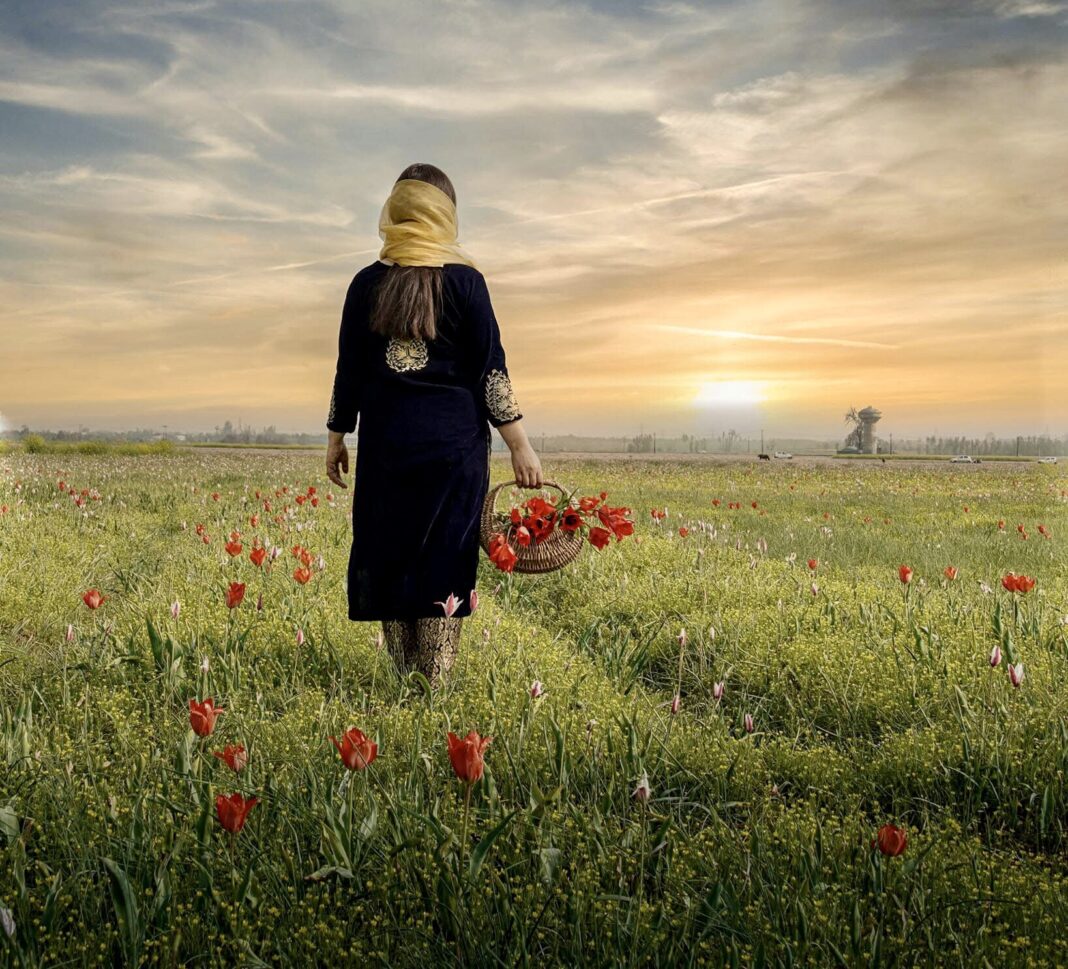
Srinagar: Saffron farmers in Pulwama district of India-administered Kashmir are expressing growing concern after unusually high temperatures and an extended dry winter began affecting saffron fields, raising fears about next season’s harvest.
According to growers, the lack of sufficient rainfall and snowfall during the winter months has disrupted the crop’s vegetative growth phase, a crucial stage for the development of underground corms that determine the strength and productivity of the next saffron cycle.
Farmers say that the prolonged dry conditions have prevented the plants from developing properly, leaving them uncertain about future yields.
No state backing. No paywalls. Just truth. Support Kashmir's independent voice. Join 2,400+ patrons who fund independent voices.
Saffron cultivation in Kashmir is concentrated mainly in Pampore, often referred to as the region’s “saffron town.” The delicate crop is highly sensitive to climatic changes and requires specific weather conditions during different stages of its growth cycle.
Even minor shifts in temperature or moisture levels can significantly impact the crop’s development.
Typically, saffron flowers bloom from mid-October to mid-November. After the flowering season, the plant enters its vegetative phase, during which long grass-like leaves emerge from the soil.
These leaves play a crucial role in producing energy through photosynthesis, allowing the plant to store nutrients and develop underground corms.
The underground corms formed during this stage are vital because they produce the next generation of saffron plants. The strength of the upcoming flowering season largely depends on the health of these corms.
However, farmers say the unusually dry winter has restricted the growth of these leaves, limiting the plant’s ability to store essential nutrients.
Abdul Majeed, president of the saffron growers’ association, said the lack of winter precipitation has already affected crop development.
“The dry winter has prevented proper vegetative growth of the saffron plants,” he said.
Another farmer from Pampore explained that weak leaf development during this stage often results in underdeveloped corms.
“If the leaves do not grow properly, the corms remain weak, which directly affects the next season’s yield,” the farmer said.
Meteorological data suggests that this winter has been unusually dry across the Kashmir Valley.
In Srinagar, only 5.8 millimeters of rainfall were recorded in February, making it one of the driest months in decades.
According to weather records dating back to 1925, zero rainfall in February was recorded only once before—in 1945. This year marks the second time in 101 years that such low precipitation levels have been observed.
Farmers say the lack of moisture is particularly worrying at a time when saffron fields require adequate soil humidity to support plant growth.
Many farmers say that if dry conditions persist in the coming weeks, the situation could worsen significantly.
They warn that continued moisture shortages could weaken saffron plants further, affecting both the quantity and quality of next year’s harvest.
For growers whose livelihoods depend on the prized spice—often referred to as “red gold”—the changing weather patterns are becoming an increasing source of uncertainty.
With saffron cultivation already declining in recent years due to urban expansion and environmental pressures, farmers fear that climate variability may pose another serious challenge to the future of the crop in Kashmir.
Trending Topics


The Azadi Times is an independent digital news platform based in Muzaffarabad, Kashmir, dedicated to credible journalism, in-depth reporting, and global analysis. We cover Kashmir, South Asia, and international affairs with a commitment to truth, editorial integrity, and public accountability.
Get important news delivered directly to your inbox and stay connected!
© 2026 The Azadi Times. All Rights Reserved.