No state backing. No paywalls. Just truth. Support Kashmir's independent voice. Join 2,400+ patrons who fund independent voices.
Zero Paywalls
Reader Funded
Award Winning
Secure Payment
Encrypted
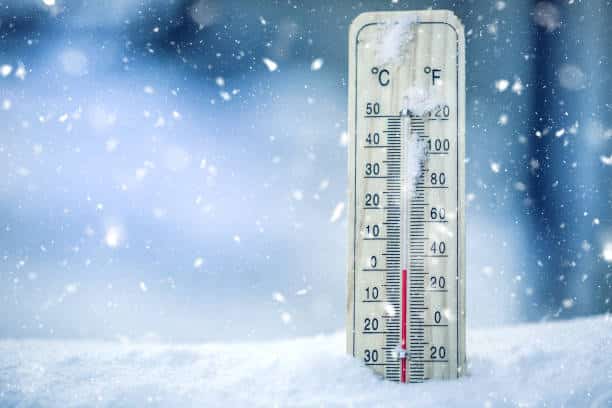
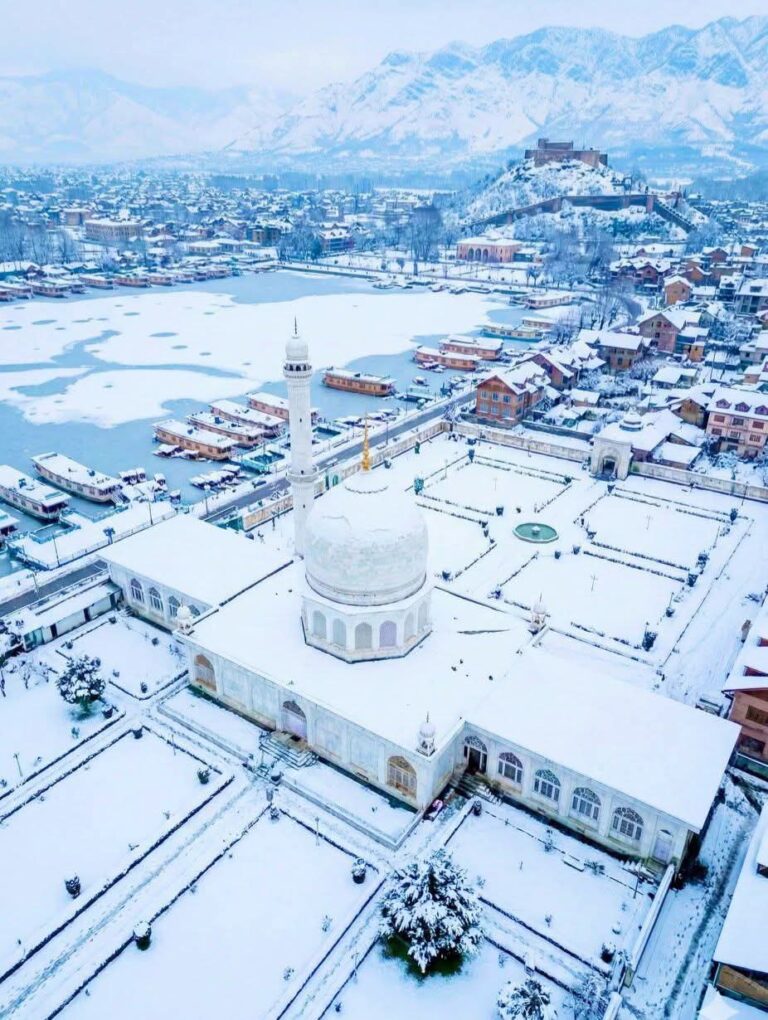
Muzaffarabad | The Azadi Times Special Report: The first major winter storm of 2026 has transformed Pakistan-administered Kashmir into a pristine white landscape, bringing both hope and hardship to the region’s residents as heavy snowfall and torrential rains continue to pound various districts for the second consecutive day.
In the picturesque Leepa Valley, often called the “jewel of Kashmir,” more than one foot of fresh snow has accumulated since Tuesday night, while upper reaches of the valley have recorded over three inches of snowfall. The legendary Leepa-Rawalakot road, a vital artery connecting remote villages to urban centers, has been completely blocked, leaving hundreds of residents effectively stranded in their mountain homes.
Valley of Isolation: Life Under Snow
No state backing. No paywalls. Just truth. Support Kashmir's independent voice. Join 2,400+ patrons who fund independent voices.
Forty-five-year-old Mohammad Rafiq, a shopkeeper from Leepa Bazaar, describes the scene: “The snow started falling around midnight, and by dawn, everything was white. Our village looks like a Christmas card, but the beauty comes with challenges. My children couldn’t reach their school, and we couldn’t open our shop today.”
The State Disaster Management Authority (SDMA) has confirmed that temperatures across the region have plummeted to bone-chilling levels, with Aath Maqam recording minus 4°C, Shardah minus 3°C, Kel an astonishing minus 10°C, and Taobat registering minus 9°C. These extreme conditions have prompted authorities to issue the year’s first severe weather alert.
Beyond Leepa: A Region Under Weather Siege
The snowfall isn’t limited to Leepa Valley. Districts across Pakistan-administered Kashmir are experiencing varying intensities of winter weather. From the verdant hills of Bagh to the alpine meadows of Neelum Valley, from the terraced fields of Haveli to the pine forests of Jhelum Valley, intermittent snowfall continues to transform the landscape.
Neelam Valley resident and schoolteacher Shabana Akhtar, 38, shares her experience: “This is the heaviest snowfall we’ve seen in three years. My students were so excited when they saw the first flakes, but as teachers, we worry about how long the roads will remain blocked. Many of our students walk 5-7 kilometers through mountain paths to reach school.”
A Double-Edged Sword: Blessing and Challenge
While the heavy precipitation brings immediate challenges, it also carries profound significance for the region’s ecology and economy. The snowpack serves as a crucial water reservoir for the upcoming summer months, feeding the numerous streams and rivers that irrigate Kashmir’s agricultural heartland.
“This snowfall is indeed a blessing in disguise,” explains Dr. Amjad Hussain, a local environmental scientist. “After two relatively dry winters, this precipitation will recharge our groundwater systems, revive dried-up springs, and ensure adequate water supply for our hydroelectric projects. The snow we see today will become the electricity that lights our homes in summer.”
Authorities Spring Into Action
The Roads and Buildings Department has deployed heavy machinery and emergency crews at strategic locations throughout affected areas. According to Chief Engineer Mohammad Iqbal, “Our teams are on standby at Leepa, Shardah, and Kel. The moment weather conditions permit safe operations, we’ll begin snow clearance operations. However, night travel remains extremely dangerous due to potential avalanches and landslides.”
The Meteorological Department has extended its weather warning through Thursday, predicting continued heavy snowfall for upper regions and moderate to heavy rainfall in plains areas. This forecast has prompted authorities to maintain heightened alert status across all emergency services.
Tourism vs. Safety: The Perennial Dilemma
The snowfall arrives during what should be peak tourist season for Pakistan-administered Kashmir’s winter destinations. However, authorities have strongly advised against non-essential travel, particularly to high-altitude areas.
“We understand people’s desire to experience Kashmir’s winter beauty,” states SDMA Director General Major (Retd) Tariq Mahmood. “But safety must come first. We’ve seen too many incidents where tourists ventured into dangerous areas and required emergency rescue operations. This puts both visitors and our rescue personnel at unnecessary risk.”
Community Resilience Shines Through
Despite the challenges, Kashmir’s mountain communities demonstrate remarkable resilience. In villages throughout affected areas, neighbors check on elderly residents, share food supplies, and collectively clear pathways between homes.
Sixty-seven-year-old Fatima Begum from Shardah village embodies this spirit: “In our time, we didn’t have machinery or government help. We helped each other. Today, while we appreciate government support, our community bonds remain strong. My neighbor’s son brought us firewood yesterday, and I shared fresh bread with their family this morning. This is how we survive mountain winters.”
Looking Ahead: Weather Patterns and Climate Concerns
Climate experts note that while this snowfall brings relief, it also reflects changing weather patterns in the Himalayan region. Dr. Saira Khan, a climate researcher based in Muzaffarabad, warns: “We’re seeing more intense but less frequent precipitation events. This creates a feast-or-famine cycle that’s difficult for both ecosystems and human communities to adapt to.”
The current weather system is expected to begin weakening by Friday, though temperatures will likely remain below freezing throughout the weekend. Authorities continue to monitor avalanche-prone areas and maintain emergency protocols.
Emergency Contact Information
Authorities have established dedicated emergency helplines for weather-related incidents:
For residents and potential visitors, the message remains clear: appreciate Kashmir’s winter beauty from a safe distance, respect nature’s power, and allow emergency services to work without unnecessary complications.
As night falls over the snow-covered valleys of Pakistan-administered Kashmir, families huddle around traditional bukharis (wood-burning stoves), sharing stories and warmth while the snow continues its ancient task of transforming the landscape. Tomorrow will bring new challenges, but also the promise of water for crops, electricity for homes, and the timeless beauty that makes Kashmir truly paradise on earth—albeit a paradise that demands respect for its formidable winters.
Stay updated with The Azadi Times for continuous coverage of weather conditions and their impact across Pakistan-administered Kashmir. For breaking news and emergency alerts, follow our WhatsApp channel and social media platforms.
Trending Topics


The Azadi Times is an independent digital news platform based in Muzaffarabad, Kashmir, dedicated to credible journalism, in-depth reporting, and global analysis. We cover Kashmir, South Asia, and international affairs with a commitment to truth, editorial integrity, and public accountability.
Get important news delivered directly to your inbox and stay connected!
© 2026 The Azadi Times. All Rights Reserved.