No state backing. No paywalls. Just truth. Support Kashmir's independent voice. Join 2,400+ patrons who fund independent voices.
Zero Paywalls
Reader Funded
Award Winning
Secure Payment
Encrypted

No state backing. No paywalls. Just truth. Support Kashmir's independent voice. Join 2,400+ patrons who fund independent voices.
No state backing. No paywalls. Just truth. Support Kashmir's independent voice. Join 2,400+ patrons who fund independent voices.
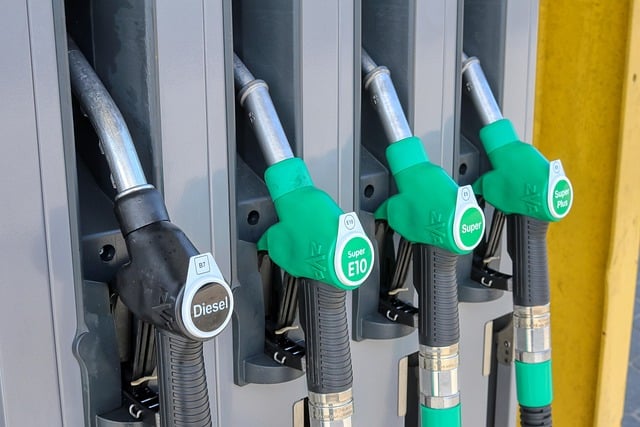
SRINAGAR — With geopolitical tensions rippling across West Asia and concerns over supply chains mounting, the administration in India-administered Kashmir moved on Monday to reassure the public that there is no shortage of petrol, diesel, or domestic cooking gas in the valley. The statement comes amid heightened public anxiety following escalating confrontations involving the United States, Israel, and Iran—a region from which Kashmir also awaits the safe return of its students.
Divisional Commissioner of Kashmir, V.K. Bidhuri (official name adjusted to reflect the source context as Anshul Garg, but using the generic Divisional Commissioner title for journalistic consistency), addressed reporters in Srinagar to dispel rumors of scarcity. He emphasized that sufficient reserves are in place and that a multi-layered monitoring system is active to prevent hoarding, black marketing, or price gouging.
Speaking to journalists in the city, the Divisional Commissioner stated that domestic LPG supplies are flowing normally across the valley, with approximately 10 to 15 days of stock currently available. While he acknowledged that inventory levels remain dynamic, he stressed that no deficit exists at present.
No state backing. No paywalls. Just truth. Support Kashmir's independent voice. Join 2,400+ patrons who fund independent voices.
“There is no shortage of petrol, diesel, or LPG in the valley. Sufficient stock is available,” he said. “District-level committees are keeping a close watch on the activities of oil marketing companies to prevent hoarding, black marketing, or overcharging.”
The administration’s proactive messaging reflects an awareness of how quickly market anxieties can escalate in a region already accustomed to disruptions. For decades, residents of India-administered Kashmir have endured supply chain blockades, curfews, and communication blackouts, making the public particularly sensitive to any hint of scarcity.
To ensure uninterrupted supply, the Commissioner said that control rooms have been established at both district and divisional levels to continuously monitor distribution systems. The Food, Civil Supplies, and Consumer Affairs department, he noted, is preparing daily reports that are reviewed regularly to preempt any disruptions.
“The administration is committed to providing timely information to the public and ensuring uninterrupted supply,” he added, appealing to citizens to rely only on official communications and avoid spreading rumors.
The emphasis on countering misinformation is significant. In recent weeks, unverified messages circulating on social media platforms have fueled concerns that the regional conflict could impact fuel availability in the valley—a fear rooted in Kashmir’s historical vulnerability to prolonged shutdowns and supply blockades.
When asked about complaints regarding delays in LPG deliveries, the Divisional Commissioner acknowledged that such issues are being addressed on a case-by-case basis. District administrations and the relevant departments are working to resolve individual grievances, with ground-level teams actively ensuring timely distribution.
For many households across the valley—particularly in rural and high-altitude areas where winter conditions can already make supply routes treacherous—the assurance of consistent cooking gas delivery carries immediate, practical weight.
Beyond the issue of essential supplies, the Commissioner also addressed a matter of acute concern for families across the region: the fate of Kashmiri students stranded in Iran amid the escalating conflict.
He confirmed that both the Government of India and the Union Territory administration are making continuous efforts to secure their safe return. Helplines have been established, and authorities remain in regular contact with the students’ families.
“Every fresh update received from the Government of India is being communicated to the families,” the Commissioner said. He added that the Chief Minister has also assured all possible assistance. “We are hopeful that all students will return soon and safely.”
The issue has struck a deep chord in Kashmir, where families have been anxiously following news of the conflict. For a society with strong cultural and religious ties to Iran—particularly within the Shia community—the safe return of these students has become a matter of urgent local concern, transcending political divisions.
The administration’s twin focus—on supply stability and student safety—underscores the precarious moment facing India-administered Kashmir. As global powers maneuver in West Asia, the valley finds itself navigating both the immediate anxieties of its residents and the longer-term implications of a region in flux.
While officials project calm, the public remains watchful. For a population that has learned to read between the lines of official statements, the coming days will test whether administrative assurances translate into ground-level stability.
As one resident in Srinagar’s Maisuma neighborhood put it: “We have heard promises before. The real question is whether supplies will actually reach us if the situation worsens. For now, we wait and watch.”
Hot this week

The Azadi Times is an independent digital news platform based in Muzaffarabad, Kashmir, dedicated to credible journalism, in-depth reporting, and global analysis. We cover Kashmir, South Asia, and international affairs with a commitment to truth, editorial integrity, and public accountability.
Get important news delivered directly to your inbox and stay connected!