
MUZAFFARABAD / SOST – For more than two months, traders in Sust, the gateway to the China border in Gilgit-Baltistan, have remained on the streets in a peaceful sit-in against what they describe as “illegal and unconstitutional taxation.”
The protest, organized by the Pak-China Traders Ittehad Action Committee, has gained momentum across the region, resonating with the wider population of Gilgit-Baltistan who see the slogan “No Taxation Without Representation” as part of their broader political struggle.
Media’s Coverage Sparks Anger
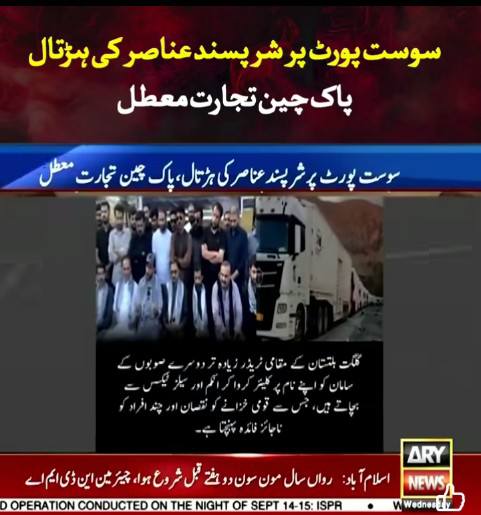
Until now, Pakistan’s mainstream media had largely ignored the 60-day-long sit-in. This week, however, national television channels covered the protest—portraying the demonstrators as “troublemakers.”
The Azadi Times
No state grants. No corporate lobby. Just ground‑truth reporting from Kashmir & beyond
You make this possible.
That coverage has provoked outrage across Gilgit-Baltistan. Civil society groups, political leaders, and youth organizations called it an attempt to discredit a peaceful movement for rights.
“This sit-in represents the entire people of Gilgit-Baltistan. Calling peaceful protestors ‘troublemakers’ is an insult to the dignity of our 2.2 million people,” said Sheikh Ahmed Ali Noori, a member of the Gilgit-Baltistan Council.
The Nagar Youth Organization also rejected the portrayal, with its president, Advocate Rizwan, stressing:
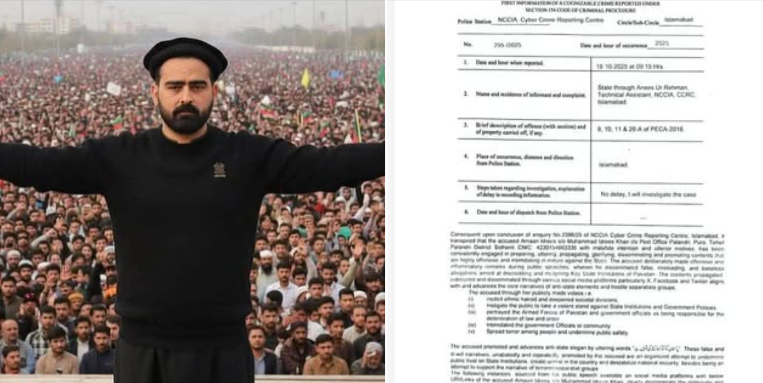
“Smear campaigns against peaceful movements will not silence genuine voices. The people of Gilgit-Baltistan will continue their democratic struggle.”
Political and Legal Repercussions
Leaders of the Pakistan Peoples Party in Gilgit-Baltistan also expressed concern. Zulfiqar Ali Murad argued that just as the demands of the traders were nearing resolution, the timing of the media campaign suggested a deliberate attempt to undermine the sit-in.
The Traders Ittehad announced plans to file a defamation case against national media outlets, accusing them of “insulting the democratic struggle of Gilgit-Baltistan’s people.”
A Deeper Issue
Behind the sit-in lies a broader constitutional question. Gilgit-Baltistan remains a disputed region, historically linked to the wider Kashmir conflict, with its people demanding political representation and constitutional rights. The traders’ sit-in, while economic in nature, has become symbolic of this unresolved status.
Observers warn that mishandling the issue risks fueling alienation and giving space to nationalist or separatist currents.
“If authorities continue using delaying tactics instead of addressing constitutional demands, it will only deepen the sense of exclusion among Gilgit-Baltistan’s youth,” said one activist.
The Sust sit-in is no longer just a protest about taxation. It has become a mirror of Gilgit-Baltistan’s long-standing struggle for recognition, representation, and rights. By dismissing peaceful protestors as “troublemakers,” Pakistan’s national media may have inadvertently amplified the very voices it sought to silence.