Home Blog Page 11

British Media Outlet Announces Paid Internship Program for University of Azad Jammu and Kashmir Students

0

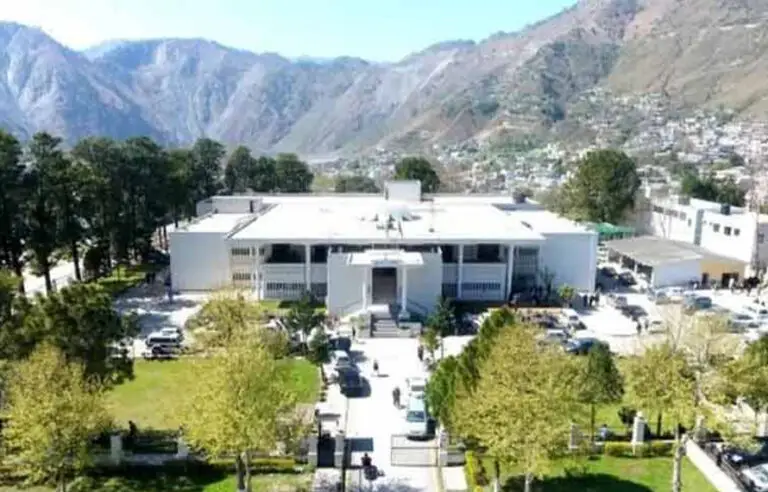
Muzaffarabad (The Azadi Times): A new chapter in media education and international collaboration has begun as Independent Urdu — the Urdu-language branch of the renowned British media organization The Independent — announced a partnership with the Department of Media and Communication Studies at the University of Azad Jammu and Kashmir (UAJK) in Pakistani-administered Kashmir to provide paid internship opportunities for its students.

Under this agreement, Independent Urdu will offer a six-week paid internship program for media graduates of the university. The initiative aims to provide aspiring journalists and media professionals with practical newsroom experience and an opportunity to learn modern reporting, production, and ethical journalism practices under professional supervision.

The announcement was made during a one-day workshop titled “Media Ethics” held on Tuesday at the Department of Media and Communication Studies, UAJK, in collaboration with Independent Urdu.

The workshop was attended by Haroon-ur-Rasheed, Senior Manager at Independent Urdu; Dr. Palwasha Khan Marwat, Project Consultant; and Fahad Mazhar, a senior video journalist associated with the organization. The session focused on promoting ethical journalism, verifying facts before reporting, and maintaining professional integrity in media practices.

“Adherence to Journalistic Ethics is Essential,” says Haroon-ur-Rasheed

Addressing the students, Haroon-ur-Rasheed emphasized that the need to uphold journalistic values is greater today than ever before.

“In an era of misinformation and digital noise, the implementation of journalistic ethics is crucial. Every journalist must verify the authenticity of a story from every possible angle before publishing it,” he said.
“Our reporting should never spread chaos or division within society. It is our moral and professional duty to ensure that journalism remains a source of truth and social responsibility.”

He further urged students to internalize the principles of fair reporting, objectivity, and accuracy — qualities that define credible journalism.

Independent Urdu Offers Practical Exposure to Media Students

Speaking at the event, Dr. Palwasha Khan Marwat, Project Consultant at Independent Urdu, said that the collaboration would open new doors for students of Azad Kashmir to engage with real-world journalism.

“We are offering a six-week paid internship program in which students will work in a different department each week,” she explained.
“This hands-on approach will enable them to gain experience in multiple aspects of journalism — from reporting and editing to digital media production — equipping them with the skills needed to thrive in a competitive media landscape.”

Dr. Marwat further stated that such initiatives not only strengthen academic learning but also help restore public confidence in the media by promoting ethical practices.

“The preservation of media values is our collective responsibility. Only through ethical journalism can we rebuild public trust and contribute to national development,” she added.

University Officials Praise Initiative, Call It a Milestone for Media Education

Coordinator of the Department of Media and Communication Studies, Dr. Shahida Khaleeq, expressed her gratitude to the Independent Urdu team for visiting the university and sharing their expertise with the students.

“This workshop has provided our students with valuable insights into practical journalism. They have learned about the real-world challenges journalists face and the standards they must uphold,” she said.
“Through this partnership, our students will now have access to professional internships with a major international media organization, giving them a rare opportunity to learn from experienced journalists.”

Dr. Khaleeq added that such collaborative training programs play a vital role in preparing young journalists for their professional careers and fostering a culture of ethical reporting.

University Extends Gratitude and Souvenirs Presented

At the closing session of the workshop, Dr. Nadeem Haider Bukhari, Dean of the Faculty of Social Sciences, presented souvenirs to the Independent Urdu delegation on behalf of the University of Azad Jammu and Kashmir as a gesture of appreciation.

In return, Haroon-ur-Rasheed also presented souvenirs to Dr. Shahida Khaleeq and other faculty members of the Department of Media and Communication Studies in recognition of their contribution to the successful organization of the event.

Earlier in the day, Haroon-ur-Rasheed met with Dr. Nasir Jamal Khattak, Vice Chancellor of the University of Azad Jammu and Kashmir, to discuss matters of mutual interest and explore future opportunities for collaboration between Independent Urdu and the university’s media department.

Both sides expressed a shared commitment to promoting media education, professional development, and ethical journalism among students in the region.

The partnership between Independent Urdu and the University of Azad Jammu and Kashmir marks a significant step toward bridging the gap between academic media studies and professional journalism. It not only empowers young journalists from Azad Kashmir with real-world experience but also sets a new precedent for international collaboration in the field of media education.

Through such initiatives, the future generation of journalists in the region will gain the skills, discipline, and ethical foundation required to contribute meaningfully to Pakistan’s and Kashmir’s growing media landscape.

Foods That Can Trigger Kidney Stones, Experts Warn

0

Kidney stones are hard mineral deposits that form when the urine contains high levels of salts and minerals, causing them to crystallize. These stones can vary in size — from tiny grains to large masses — but when they pass through the urinary tract, they can cause severe pain.

According to health experts, dehydration, certain medical conditions, and poor dietary habits are among the leading causes of kidney stones. Some foods increase levels of oxalate, calcium, uric acid, or sodium in urine — the very compounds that contribute to stone formation.

A recent report by NDTV Health highlights several foods that people prone to kidney stones should consume in moderation.

Spinach

While rich in nutrients, spinach contains high levels of oxalates, which can bind with calcium to form calcium oxalate stones — the most common type of kidney stone.

Beetroot

Similar to spinach, beetroot is also high in oxalates, and excessive intake can raise the risk of stone formation.

Nuts and Seeds

Although almonds, cashews, and peanuts are considered healthy snacks, they are rich in oxalates and can contribute to kidney stone risk if consumed in large amounts.

Chocolate

Cocoa and dark chocolate contain oxalates as well, making them potentially harmful for people with a history of kidney stones.

Tea

Black tea, in particular, is high in oxalates. Drinking it in large quantities may increase the likelihood of stone formation.

Red Meat

Red meat contains purines, which can raise uric acid levels in the body and lead to uric acid stones.

Salty and Processed Foods

High-sodium foods, including packaged snacks and fast food, increase calcium excretion in urine, which can promote the development of calcium stones.

Sugary Drinks and Vitamin Supplements

Soft drinks and sweetened beverages that contain phosphoric acid and sugar can accelerate the formation of kidney stones. Excessive intake of Vitamin C can also be converted into oxalate inside the body, further elevating risk.

Health specialists recommend increasing water intake, reducing salt and red meat consumption, and maintaining a balance between calcium and oxalate-rich foods. With these adjustments, the painful and recurring problem of kidney stones can often be prevented.

Daily Habits That Silently Damage the Brain, Experts Warn

0
A model brain sits next to exercise weights. Metaphor for heavyweight intellects, or a reminder that exercise helps your circulation, so as well as keeping your body fit, it also keeps you mentally active. Double bonus!

Our brain works tirelessly every day — managing memory, focus, emotions, and decision-making. Yet experts say that many people unknowingly adopt lifestyle habits that gradually harm the brain’s overall health and function.

According to a report by The Hindustan Times, renowned neurosurgeon Dr. Richard Wiena, who has over 25 years of experience in neurosurgery, has identified four common habits that can slowly damage the brain.

Lack of Sleep

Dr. Wiena explains that consistent lack of sleep weakens the brain’s ability to repair itself. Without proper rest, toxins accumulate and the brain struggles to store memories, resulting in poor focus and fatigue.

Skipping Exercise

Regular exercise is not just for physical fitness — it significantly boosts blood flow to the brain, enhancing memory and clarity. According to Dr. Wiena, staying active supports mental agility and long-term brain function.

Chronic Stress

Prolonged stress raises levels of the hormone cortisol, which can damage brain cells over time. The expert recommends mindfulness, meditation, and short mental breaks to reduce stress and protect brain health.

Processed Food Consumption

Diets high in sugar and refined carbohydrates can cause inflammation in the brain and accelerate cognitive decline. Dr. Wiena suggests a balanced diet rich in natural and whole foods to maintain brain vitality.

“Small lifestyle changes can make a big difference — better sleep, physical activity, stress management, and a healthy diet can keep your brain sharp and resilient,” Dr. Wiena added.

Bollywood Set for a Blockbuster Year in 2025 as Major Films Line Up for Release

0

MUMBAI — The year 2025 is shaping up to be one of the most exciting in recent times for Bollywood, with a lineup of high-profile films ready to hit theatres in the coming months. From big-budget sequels to experimental genres and star-studded casts, Indian cinema appears poised for a year full of cinematic energy and box-office drama.

The entertainment news outlet Koimoi has compiled a list of some of the most anticipated Bollywood releases of 2025 — films that have already generated significant buzz among fans and critics alike.

‘De De Pyaar De 2’ — The Sequel to a Modern Hit

One of the most awaited titles of the year is “De De Pyaar De 2”, the sequel to the 2019 romantic comedy that was both a commercial and critical success. Directed by Anshul Sharma, the film stars Ajay Devgn, R. Madhavan, and Rakul Preet Singh in leading roles.

Produced under the banners of T-Series Films and Luv Films, the movie has been shot across India and London and promises to deliver the same humor, emotional depth, and generational romance that made the first installment popular. It is scheduled for release on November 14, 2025.

‘Thamma’ — A Horror-Comedy with a Romantic Twist

Adding to Bollywood’s growing fascination with genre-bending cinema, “Thamma” blends horror, comedy, and romance in a single narrative. Directed by Aditya Sarpotdar, the film features an ensemble cast including Ayushmann Khurrana, Rashmika Mandanna, Nawazuddin Siddiqui, and Paresh Rawal.

“Thamma” is the fifth film in the Maddock Horror-Comedy Universe, a franchise known for hits like Stree and Bhediya. The film will be released on October 21, coinciding with the Diwali festival, which traditionally draws massive cinema audiences across India.

‘Dho Randhar’ — A High-Octane Spy Thriller

For action lovers, “Dho Randhar” is among the year’s biggest spectacles. Written and directed by Aditya Dhar, the film is a high-octane spy thriller with an impressive multi-star cast including Ranveer Singh, Sanjay Dutt, R. Madhavan, Arjun Rampal, Akshaye Khanna, Sara Arjun, and Rakesh Bedi.

Expected to be a visually grand and story-driven thriller, Dho Randhar is set to release on December 5, 2025, and is already being hailed as one of the most ambitious action films of the year.

‘Tere Ishq Mein’ — A Tale of Love and Emotion

The romantic drama “Tere Ishq Mein” pairs Kriti Sanon and Dhanush for the first time on the big screen, creating significant anticipation among audiences.

While the film’s title resembles the 2023 supernatural fantasy TV series Tere Ishq Mein Ghayal, the movie presents an entirely original storyline with no narrative connection to the show. Combining emotional storytelling with melodious music, Tere Ishq Mein is expected to appeal strongly to romance enthusiasts.

‘Ek Deewane Ki Deewanigi’ — A Classic Love Story for the New Era

Directed by Milap Zaveri, “Ek Deewane Ki Deewanigi” promises to bring back the charm of classic Bollywood romance with a contemporary touch. The film stars Harshvardhan Rane and Sonam Bajwa in lead roles and is produced under the Desi Movies Factory banner.

The movie is scheduled for release on October 21, also aligning with the Diwali holiday season. With its emotional depth and passionate storytelling, the film aims to capture the essence of timeless love stories that once defined Indian cinema.

A Cinematic Year of Diversity and Revival

Industry analysts believe that 2025 could mark a turning point for Bollywood after several years of uneven box-office performance and the growing competition from South Indian cinema and OTT platforms.

With a diverse lineup — ranging from romantic dramas and thrillers to genre hybrids and big-budget sequels — Bollywood appears ready to reclaim its dominance in the South Asian entertainment market.

As streaming platforms and international collaborations continue to reshape the industry, the upcoming films of 2025 reflect both the evolution and resilience of Indian cinema, promising audiences a year filled with stories that entertain, inspire, and ignite nostalgia.

Rare ‘Al-Sarah’ Plant Discovered for the First Time in Saudi Royal Reserve

0

RIYADH — The King Abdulaziz Royal Reserve Development Authority has announced the discovery of a rare plant species named “Al-Sarah” within the protected forest zones of the reserve — marking the first recorded sighting of its kind in the region.

According to the Saudi Press Agency (SPA), the plant was found in an arid and semi-arid environment, demonstrating an extraordinary ability to withstand harsh weather conditions and drought — a characteristic that has made it highly valuable for environmental and conservation studies.

Comprehensive Protection Plan Launched

Engineer Maher Al-Qathmi, CEO of the Royal Reserve Development Authority, stated that a comprehensive protection plan was launched immediately after survey teams reported the finding to the central control center.

“The area surrounding the plant has been fenced off to prevent any possible damage,” Al-Qathmi said. “In addition, a permanent monitoring system has been established to ensure its long-term preservation.”

To raise awareness among visitors, the authority has installed an information board near the site explaining the environmental importance of the plant and highlighting the need to protect such rare species from extinction.

Rehabilitation and Propagation Efforts

As part of the conservation strategy, the Royal Reserve’s nurseries have begun planting Al-Sarah seeds with the goal of reintroducing the species to other suitable locations within the reserve. Officials believe that cultivating the plant in multiple areas will strengthen biodiversity and help restore ecological balance in arid zones.

Experts describe the Al-Sarah as a “desert survivor”, capable of maintaining greenery even under severe drought conditions. Due to increasing climate stress and habitat loss, the plant’s population has been rapidly declining — prompting authorities to prioritize its protection under the kingdom’s national biodiversity framework.

Part of Saudi Arabia’s Broader Environmental Vision

The discovery aligns with Saudi Arabia’s broader environmental initiatives aimed at restoring degraded lands and combating desertification. The Royal Reserves Authority has been actively working to monitor endangered plant species, protect natural habitats, and expand reforestation efforts in line with the Saudi Green Initiative.

In recent years, the King Abdulaziz Royal Reserve has gained global recognition for its innovative approach to land restoration and conservation, which has been showcased at international environmental conferences.

Officials say that the discovery of Al-Sarah highlights the importance of ongoing research and field surveys across Saudi Arabia’s protected areas. “Every new finding brings us closer to understanding the richness and resilience of our natural environment,” Al-Qathmi added.

Israeli Strikes Resume in Gaza as Fragile Ceasefire Falters

0

GAZA CITY — Israeli air and ground forces launched a series of attacks across the Gaza Strip on Sunday, shattering a fragile sense of calm and dimming hopes for the durability of a U.S.-brokered ceasefire agreed earlier this month.

According to Gaza residents and Israeli media reports, heavy bombardments and gunfire were heard in the southern cities of Rafah and Khan Younis. Eyewitnesses told Reuters that Israeli tanks advanced near the eastern town of Abasan, with explosions reported throughout the southern belt of the enclave.

The latest escalation marks one of the most significant breaches of the ceasefire since it came into effect on October 11, following more than two years of intense warfare between Israel and Hamas.

Airstrikes and Civilian Casualties

The Gaza Civil Defense Department confirmed that at least 21 Palestinians were killed in Sunday’s airstrikes targeting several densely populated areas, including Suwida in central Gaza. Officials said that “many of those killed were ordinary civilians,” with rescue teams struggling to retrieve bodies from the debris.

Earlier in the day, health authorities reported the deaths of two Palestinians in northern Gaza’s Jabalia area, where Israeli strikes reportedly hit residential zones.

“These attacks come at a time when people were beginning to hope for stability,” said a Gaza-based humanitarian worker, who described the renewed bombardment as “a tragic reminder that peace in Gaza remains painfully elusive.”

Israel Blames Hamas for Renewed Hostilities

The Israeli military accused Hamas of reigniting the conflict, alleging that the group launched multiple attacks against Israeli forces stationed within the Gaza perimeter.

According to an Israeli army spokesperson, the assaults included a rocket attack and a sniper incident, both of which targeted troops in Israeli-controlled sectors inside Gaza. “These are clear violations of the ceasefire agreement,” the spokesperson said, emphasizing that the military “will respond to any threat to Israeli soldiers or civilians.”

Israeli media outlet The Times of Israel claimed that airstrikes in Rafah were carried out after militants allegedly attacked Israeli troops in the area. However, the report did not provide independent verification of the claim or identify its source.

When contacted for confirmation, a spokesperson for the Israeli government referred inquiries to the military. The Israel Defense Forces (IDF) declined to comment further on the operation or its objectives.

Hamas Accuses Israel of Breaking Ceasefire

In response, senior Hamas official Izzat al-Rishq denied that the group initiated any hostilities, accusing Israel of repeatedly breaching the terms of the ceasefire. “Hamas remains committed to maintaining the truce,” he said, “but Israel continues its aggression through airstrikes and ground incursions.”

Al-Rishq warned that continued Israeli violations could “undermine all efforts toward stability and lead the region into another cycle of violence.”

Political analysts note that both sides appear to be using the ceasefire to consolidate their strategic positions. “Each new flare-up tests the boundaries of the ceasefire,” said a Middle East analyst based in Amman. “For Israel, these operations are justified as preemptive defense; for Hamas, they symbolize resistance. But for civilians, the cost is always unbearable.”

A Fragile Peace Under Strain

The current truce, brokered with U.S. mediation earlier this month, had been viewed with skepticism from the outset. With trust between both sides nearly eroded after years of bloodshed, observers warn that even minor incidents risk escalating into full-blown confrontation.

In Gaza, where two million residents remain trapped under blockade, the latest violence has deepened humanitarian fears. Hospitals already strained by shortages of medicine and fuel are now treating a new influx of wounded civilians.

“This renewed fighting underscores the fragility of the ceasefire and the absence of a long-term political solution,” said a senior United Nations official familiar with the situation. “Without genuine dialogue, Gaza will continue to swing between temporary pauses and devastating violence.”

As night fell over Gaza, the sound of explosions continued to echo through Rafah and Khan Younis — a stark reminder that even after repeated rounds of mediation, the road to peace in the besieged territory remains uncertain.

Pakistan Cyber Crime Lodges Case Against Kashmiri Leader Sardar Aman Khan Over “Anti-State” Slogans

0

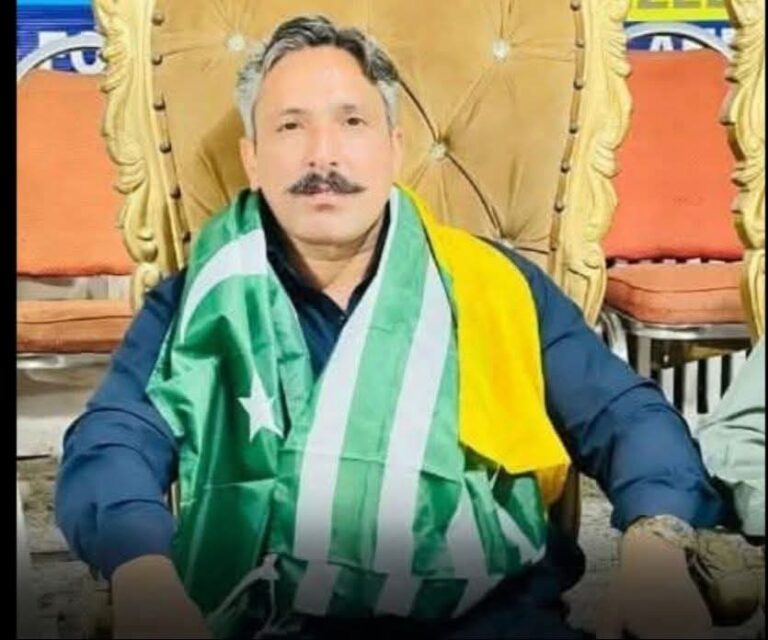
Muzaffarabad (The Azadi Times) — The National Cyber Crime Investigation Agency (NCCIA) in Islamabad has filed a First Information Report (FIR) against Sardar Aman Khan, a prominent Kashmiri political activist and member of the Jammu and Kashmir Joint Awami Action Committee (JKJAAC), accusing him of posting “anti-Pakistan” content and slogans on social media platforms.

According to official documents, the FIR was registered under various sections of Pakistan’s Prevention of Electronic Crimes Act (PECA) 2016, including Sections 9, 10, 11, and 26-A.
Authorities allege that Aman Khan “shared statements inciting hatred against the state and its institutions,” both online and during public addresses.

Officials confirmed that the NCCIA has launched a detailed probe to examine the origin and scope of the shared content.
An agency spokesperson said:

“Any online activity promoting hostility, hate speech, or provocation against the state will be dealt with under the law.”

“Freedom cannot be silenced,” says Aman Khan

In a short statement to local media, Sardar Aman Khan dismissed the charges as a “politically motivated attempt to silence Kashmiri voices.”
He said:

“Did the execution of Maqbool Bhat stop the Kashmiri struggle for freedom?
Did the imprisonment of Yasin Malik end our movement?
No — these actions only strengthen our resolve.”

He emphasized that no arrests or restrictions can suppress the Kashmiri people’s call for self-determination, adding that “Kashmir’s struggle will continue, no matter who is jailed or silenced.”

Viral Video and Past Arrest

According to The Azadi Times sources, the viral video circulating across social media from Pakistan to India is two years old, recorded at the time of Aman Khan’s earlier arrest in Poonch.
In the footage, Aman Khan is seen addressing supporters, reaffirming his commitment to Kashmir’s freedom movement.
The video has resurfaced amid the current FIR, sparking renewed debate online.

Online Reactions: “Kashmir belongs to its people”

Following the NCCIA’s move, several Kashmiri activists, journalists, and diaspora members voiced strong concern, calling the case an attempt to curb dissent in the region.
Social media users reiterated that:

“Kashmir is neither India nor Pakistan — it belongs to its own people.”

Digital rights organizations also urged Pakistani authorities to respect freedom of expression, warning that criminalizing political opinion could deepen alienation in disputed territories.

This case reflects a broader trend of tightening control over online expression in Pakistan-administered Jammu and Kashmir, where political figures, journalists, and student leaders have increasingly faced scrutiny for their social media activity.

Legal observers argue that while Article 19 of Pakistan’s Constitution guarantees free speech, laws such as PECA 2016 grant authorities sweeping powers to interpret “anti-state” content — often without clear definitions.

Human rights groups have described such actions as part of a growing digital crackdown that limits Kashmiris’ ability to express political dissent, particularly regarding self-determination.

As the investigation unfolds, the case against Sardar Aman Khan once again highlights the fragile balance between dissent and state control in Pakistan-administered Kashmir.
For many in the region, it symbolizes a larger reality — that in the digital era, speaking for freedom often comes at a personal cost.

The Low-Fat Lie: How Cutting All Fat Could Be Harming Your Health

0
person standing on white digital bathroom scale

If you’ve ever reached for fat-free yogurt, skimmed milk, or low-fat biscuits in the name of health, you’re not alone. For years, these products were touted as the golden ticket to weight loss. Yet, as global research advances, experts are sounding the alarm: eliminating all fats may be undermining your health rather than helping it.

Contrary to popular belief, fat isn’t the enemy—in fact, the right kinds are essential. From powering your brain to balancing hormones, healthy fats play a role you can’t afford to ignore.

How the World Became Obsessed with Low-Fat Diets

The low-fat revolution took off in the 1980s, when early studies linked saturated fats to heart disease. Seizing the opportunity, food manufacturers flooded stores with “fat-free” alternatives. But there was a hidden trade-off: to make these products palatable, companies often added extra sugar, refined carbs, and sodium.

“Many low-fat items are just as calorie-dense as their regular versions—sometimes worse,” explains Dr. Sarah Linden, a nutrition researcher at the University of Chicago Medicine. “When you take out fat, you often lose flavor and texture, which manufacturers compensate for with unhealthy additives.”

By the 1990s, “fat-free” had become a global phenomenon. Yet, as the trend peaked, so did rates of obesity and type 2 diabetes—suggesting that the low-fat approach was far from a silver bullet.

What Science Says About Fat and Your Body

A low-fat diet is typically defined as one where less than 30% of daily calories come from fats. While this may sound sensible, long-term studies—including those from the National Institutes of Health (NIH)—show that such diets rarely lead to sustained weight loss. In many cases, participants regained weight quickly after returning to normal eating patterns.

Why? Because fat is not just a source of calories—it’s a fundamental component of wellness. Here’s what happens when you include healthy fats in your diet:

  • Better Vitamin Absorption: Vitamins A, D, E, and K are fat-soluble. Without dietary fat, your body can’t effectively use them, which may impact immunity, bone strength, and vision.

  • Sharper Brain Function: Your brain is nearly 60% fat. Omega-3s—found in fish, walnuts, and flaxseeds—support memory, focus, and cognitive health.

  • Balanced Hormones: Fats help produce key hormones like estrogen and testosterone.

  • Natural Appetite Control: Fats slow digestion, helping you feel full longer and reducing unnecessary snacking.

  • Healthier Skin and Hair: Essential fats maintain cell integrity, contributing to glowing skin and strong hair.

“When people cut out all fats, they’re not just reducing calories—they’re stripping away nutrients their bodies need to thrive,” says Dr. Amina Khan, a clinical dietitian at Aga Khan University Hospital.

The Hidden Dangers of a No-Fat Diet

Eliminating fats might seem like a straightforward way to cut calories, but it can backfire in surprising ways:

  1. Nutrient Deficiencies: Without fats, your body can’t absorb certain vitamins, potentially leading to brittle bones, poor night vision, and a weaker immune system.

  2. Increased Hunger: Low-fat meals often lack satiety, leading to cravings and overeating—especially of sugary or processed foods.

  3. Slower Metabolism: Very low-fat intake can disrupt thyroid function and energy levels, making it harder to maintain a healthy weight.

  4. Mood Swings and Hormonal Issues: Fats help regulate serotonin. A severe lack can contribute to irritability, anxiety, or depression.

How to Eat Fat the Right Way: A Modern Approach

Instead of fearing fat, today’s nutritionists encourage choosing wisely. Not all fats are created equal—and learning the difference can change your health trajectory.

Embrace These Fats:

  • Monounsaturated Fats: Think olive oil, avocados, and almonds. These support heart health and help control blood sugar.

  • Polyunsaturated Fats: Found in salmon, chia seeds, and flaxseeds. Rich in omega-3s, these boost brain function and fight inflammation.

Limit or Avoid:

  • Trans Fats: Often present in margarine, fried foods, and packaged snacks. These increase bad cholesterol and inflammation.

By prioritizing whole foods and healthy fats, you can stabilize appetite, improve insulin sensitivity, and foster sustainable weight management—all without feeling deprived.

The Final Word

The belief that “fat makes you fat” is an outdated myth. Modern science confirms that the type and quantity of fat matter more than whether it’s present in your diet.

Rather than chasing “low-fat” labels, focus on balance: incorporate avocados, nuts, olive oil, and fish into your meals. Listen to your body—it often knows what it needs.

True wellness doesn’t come from extreme restriction, but from nourishing yourself with intention and knowledge.

Hardik Pandya Sparks Buzz Over Rumoured Relationship with Mahika Sharma

0

Indian cricketer Hardik Pandya has once again become the centre of social media attention — this time not for his game, but for his rumoured new relationship with actress and model Mahika Sharma.

The internet went into a frenzy after fans noticed that Pandya had seemingly made his relationship “Instagram official” with Mahika. Their latest beachside photos have left little to the imagination, with fans convinced that “the soft launch is finally over.”

Vacation Photos Fuel Speculation

Pandya recently shared a series of vacation photos from a seaside getaway, where Mahika Sharma can be seen by his side.
One image shows the two smiling at the beach, while another captures the pair dressed up for what appears to be a party night.

Adding to the speculation, Mahika also posted cryptic Instagram stories, sharing Pandya’s picture with emojis of a pink ribbon, cake, and candles — sparking curiosity among fans who believe something special is brewing.

Fans React Online

Social media quickly caught fire. One user wrote, “Hardik’s soft launch is over — it’s official now.”
Another commented, “They look radiant together; definitely made for each other.”
Some even joked, “Hardik’s quietest but clearest love announcement yet.”

Past Relationships

This comes a year after Pandya’s mutual separation from model and actress Natasa Stankovic in July 2024. The two share a son, Agastya, whom they co-parent amicably.

Pandya’s name has previously been linked with actress Esha Gupta, though she clarified that “we only spoke for a few months — it never turned into a relationship.”

Kim Reviews Grand Military Parade; Hwasong-20 ICBM Unveiled Before Foreign Guests

0

Pyongyang: North Korean leader Kim Jong Un inspected a large military parade in Pyongyang on Friday that showcased a new intercontinental ballistic missile the state media called the country’s “most powerful” nuclear-capable weapon. The event, held to mark the 80th anniversary of the ruling Workers’ Party, took place in the presence of senior foreign guests including Chinese Premier Li Qiang, former Russian president Dmitry Medvedev, and Vietnam’s Communist Party chief To Lam.

State broadcaster KCNA and international news agencies showed columns of weaponry, with the newly revealed Hwasong-20 ICBM as the centrepiece. Pyongyang labelled the system its most powerful strategic nuclear delivery capability; analysts, however, note key technical questions remain concerning its guidance and the re-entry ability of nuclear warheads.

Commenting on the missile’s significance, Carnegie Endowment analyst Ankit Panda described the Hwasong-20 as the “apotheosis” of North Korea’s long-range delivery ambitions and said the system could enter a testing phase before the end of the year. He and other experts warned that the design may be intended to carry multiple warheads, a development that would complicate missile-defence calculations.

Beyond the Hwasong-20, observers reported the parade displayed a range of advanced systems: hypersonic ballistic missiles, cruise missiles, new rocket launchers and launchers for suicide drones. The spectacle underlined Pyongyang’s dual emphasis on augmenting both strategic deterrence and conventional strike capabilities.

In his address, Kim praised the armed forces, including those serving abroad and framed the military as essential not only to national defence but to the regime’s wider socialist mission. “Our army must be an invincible force that destroys every danger,” he said, according to state reports, using the parade to project deterrence and internal unity.

The parade and the presence of high-profile foreign delegations will be closely watched in capitals across East Asia and the West, where officials have already expressed concern about advances in Pyongyang’s long-range missile capabilities and their implications for regional stability.