Tuesday, March 31, 2026
11.4 C
Srinagar
Home Blog Page 117

The Incredible Skin Benefits of Ascorbic Acid

0

Skincare enthusiasts are always on the hunt for ingredients that can transform their routines. One standout that’s captivated dermatologists and beauty lovers alike? Ascorbic acid, more commonly known as Vitamin C, has become a go-to ally for achieving glowing, youthful-looking skin. But what exactly makes it such a sought-after ingredient? Let’s explore why ascorbic acid deserves a spot in your skincare routine.

Close-up portrait of a woman holding a half orange slice, with a focus on natural beauty and skincare.


Photo by Raymond Petrik

What is Ascorbic Acid?

Ascorbic acid is the scientific name for Vitamin C, a water-soluble vitamin celebrated for its antioxidant properties. While it’s essential in your diet, this powerhouse ingredient also works wonders when applied topically. As a form of Vitamin C used in skincare, it penetrates the skin to deliver targeted benefits, from brightening dull complexions to reducing signs of aging.

It’s easily found in various skincare products, particularly in serums, which deliver the ingredient in a potent and highly absorbable form. For those curious about the science supporting Vitamin C’s skin effects, you might enjoy reading this detailed overview on topical Vitamin C’s importance for skin health provided by Harvard Health.

The Science Behind Ascorbic Acid

Ascorbic acid is a potent antioxidant, meaning it protects your skin against damage from free radicals. Free radicals are unstable molecules caused by UV rays, pollution, and lifestyle habits like smoking. Without protection, these molecules can accelerate skin aging.

Vitamin C neutralizes these harmful particles, helping you maintain smoother, healthier skin. Studies also demonstrate ascorbic acid’s ability to combat oxidative stress while supporting collagen production, making it a two-in-one weapon against aging and environmental damage.

Different Forms of Vitamin C in Skincare

While ascorbic acid is the purest form of Vitamin C, derivatives like magnesium ascorbyl phosphate and ascorbyl palmitate also make appearances in skincare. However, L-ascorbic acid is widely regarded as the most effective and fast-acting option. It’s loved for its ability to deliver visible results in relatively short periods.

If you’d like to explore variations and formulations, check out this comprehensive guide on Vitamin C forms and uses by Paula’s Choice.

Key Skin Benefits of Ascorbic Acid

Brightens Skin and Reduces Pigmentation

Uneven skin tone is a common frustration, but ascorbic acid helps tackle it head-on. It inhibits melanin production, which is responsible for dark spots and hyperpigmentation. Regular use can lighten existing marks and leave your skin looking brighter and more radiant. Dermatologists often compare its effectiveness to other skin-brightening agents but praise its added antioxidant properties.

Stimulates Collagen Production

Collagen is what keeps your skin firm, elastic, and youthful. As we age, collagen production naturally decreases, leading to wrinkles and sagging skin. Ascorbic acid boosts collagen synthesis, reducing fine lines and restoring skin elasticity.

This property is one reason Vitamin C is considered a must-have in anti-aging skincare. According to a Healthline article, using a Vitamin C serum consistently can significantly improve firmness and reduce wrinkles over time.

Protects Against Sun Damage

While not a substitute for sunscreen, ascorbic acid is a valuable addition to any sun-protection routine. It safeguards the skin by neutralizing UV-induced free radicals before they can trigger long-term damage like dark spots or rough texture.

Combining ascorbic acid with sunscreen amplifies your protection, ensuring you’re not just shielding your skin but improving overall skin quality.

Reduces Inflammation and Acne

Inflammation, redness, and acne-prone skin conditions can all benefit from ascorbic acid’s calming properties. Its antioxidant mechanism helps soothe irritation while regulating sebum production, which can keep breakouts at bay.

How to Incorporate Ascorbic Acid Into Your Skincare Routine

Choosing the Right Product

When shopping for Vitamin C, look for serums containing 10-20% ascorbic acid for optimal results. Lower concentrations may be ideal for sensitive skin, while higher ones are suitable for advanced users. Stability is key—products in opaque, airtight packaging ensure the Vitamin C remains effective.

Application Tips

For best results, apply your Vitamin C serum in the morning after cleansing and before moisturizing. Pair it with complementary ingredients like ferulic acid and Vitamin E to enhance its antioxidant benefits. Don’t forget to finish your routine with sunscreen, as Vitamin C and sun protection make a dream team.

Always patch-test when introducing new products to avoid adverse reactions.

Possible Skin Reactions and Precautions

Some users may experience redness or irritation, especially if they’re new to Vitamin C. Start with a lower concentration to minimize sensitivity, and consult a dermatologist if you’re unsure.

Remember, Vitamin C should not be used with certain products like retinol or acids simultaneously, as it might lead to irritation due to overlapping pH levels.

Ascorbic Acid vs. Other Skincare Ingredients

Complementary Ingredients for Enhanced Benefits

Both vitamin E and ferulic acid are excellent pairings with ascorbic acid. These antioxidants stabilize Vitamin C and boost its effectiveness, especially against UV damage. Together, they form a powerful anti-aging and skin-brightening trio.

When to Use Ascorbic Acid Instead of Retinol

Retinol is another star of the skincare world, but it’s not interchangeable with Vitamin C. While retinol focuses on increasing cell turnover, ascorbic acid primarily targets antioxidants and collagen boosting. If your goals include fading discoloration while combatting environmental damage, Vitamin C might be your best bet.

Conclusion

Ascorbic acid has rightfully earned its place as one of the most celebrated skincare ingredients. With benefits ranging from brightening and anti-aging to sun protection and acne prevention, it’s a multitasker that delivers real results. Whether you’re starting out or looking to enhance your current routine, incorporating a quality Vitamin C product is a smart choice.

Invest in your skin it’s the only one you’ll ever have. And with ascorbic acid on your side, there’s no limit to how radiant it can truly look.


What is a Website? | Azadi Tech Times

0

The internet has revolutionized how we share information, breaking barriers and connecting global communities. For independent news platforms, especially those focusing on Kashmir, websites aren’t merely digital spaces— they’re lifelines for truth, connectivity, and reaching diverse audiences.

What is a Website?

Websites are part of everyday life. But what are they, really? In simple terms, a website acts as a digital home, housing content and allowing people to access it with just a few clicks. Let’s uncover the basics.

Basic Definition

A website is a collection of interconnected web pages that share a common domain name. These web pages are managed under the same umbrella and accessed via the internet through a domain address, such as “example.com”. Websites can include text, images, multimedia, and functionalities depending on their purpose and design. For more details, check out this in-depth explanation.

Key Components of a Website

Building a website requires three main components:

  1. Domain Name: This is the address people type into their browser to access a website. Think of it as the digital equivalent of a street address.
  2. Hosting: Hosting refers to the servers that store your website’s files, making them accessible online.
  3. Web Content: This is the heart of any website—text, images, videos, and interactive features.

For a deep dive into website basics, you can explore this detailed Techopedia guide.

A close-up of a stack of newspapers resting on a desk, symbolizing information and media.


Photo by brotiN biswaS

Types of Websites

Websites come in many shapes and sizes, each serving unique purposes. Here’s a look at some common categories of websites, particularly in the context of news and information-sharing platforms.

Informational Websites

These websites provide educational or news content and aim to inform their readers. For example, platforms dedicated to reporting events in Kashmir deliver timely updates, enabling access to stories that may otherwise be overlooked. Informational websites play a vital role in ensuring the global community stays aware of regional developments. You can learn about how news platforms impact societal education on LinkedIn’s article on news website development.

Dynamic vs. Static Websites

Websites can function in two main ways:

  • Static Websites: These display the same content to all visitors and are not frequently updated. They’re ideal for small sites with minimal information.
  • Dynamic Websites: These are interactive and change regularly. Think of news sites with live stories, video feeds, or updated data tailored to their audience.

For independent Kashmiri news platforms, dynamic websites are particularly useful. They can provide live updates, ensuring readers and viewers get the latest happenings in real-time.

Why Websites Matter for Independent News Platforms

Websites are more than tools—they’re essential for amplifying voices, especially for independent journalism. With growing access to the internet, local news platforms can share their message globally without relying on traditional media.

Building Credibility and Trust

A professional website establishes authority. An organized platform with accurate reporting builds readers’ trust, ensuring that they turn to the same source for credible information. This is particularly true for Kashmiri news platforms aiming to counteract misinformation.

Reaching a Global Audience

Websites make it easy to go beyond geographical limits. Independent news outlets can share local stories with people worldwide, encouraging awareness and engagement. As Forbes highlights, a modern website is crucial for engaging communities in important issues.

Elements of a Successful News Website

What separates an average news website from a phenomenal one? Certain features are critical for efficacy and user satisfaction.

Responsive Design and Accessibility

People access news on various devices. A responsive website ensures seamless display on desktops, phones, and tablets. Moreover, accessibility features like alt descriptions for images cater to users with disabilities, enhancing inclusivity.

Multimedia Integration

Incorporating videos, images, and podcasts enriches storytelling. Visual content supports text, offering a deeper understanding of the stories covered. Multimedia is particularly effective for relaying compelling and urgent news from regions like Kashmir.

Search Engine Optimization (SEO)

Good SEO practices help news platforms rank higher on search engines. This means more visibility, more readers, and a broader reach for the stories that matter. For instance, optimizing keywords related to Kashmir’s political updates or cultural events can attract international attention.

Conclusion

Websites are indispensable for communication and connectivity, especially for independent news platforms operating in regions like Kashmir. By building credibility, breaking geographical barriers, and integrating essential features like responsive design and SEO, these platforms allow stories and voices to reach audiences far and wide. As the digital space continues to grow, investing in a professional website isn’t just an option—it’s a necessity for anyone aiming to share meaningful content effectively.

What Is Sustainability? | Azadi Education

0

Sustainability is more than just a buzzword; it’s an essential approach to balancing environmental, social, and economic needs to ensure a thriving future. As environmental crises mount globally, the concept holds even greater importance for regions like Kashmir, which faces a unique set of challenges tied to its geography and culture. But what exactly is sustainability, and why does it matter so much for our lives and the planet?

Below, we break down the key aspects of sustainability, its significance, and how individuals can take action.

Defining Sustainability

Sustainability is often defined as meeting the needs of the present without compromising the ability of future generations to meet their own needs. This includes responsibly managing natural resources, fostering social equity, and ensuring economic growth. In essence, sustainability revolves around three core pillars:

  1. Environmental Sustainability: Protecting ecosystems and minimizing resource depletion.
  2. Social Sustainability: Enhancing community well-being and equity.
  3. Economic Sustainability: Promoting economic systems that can endure without causing harm.

If you’d like to explore further, the United Nations provides a detailed overview of this concept and its global relevance.

Environmental Sustainability

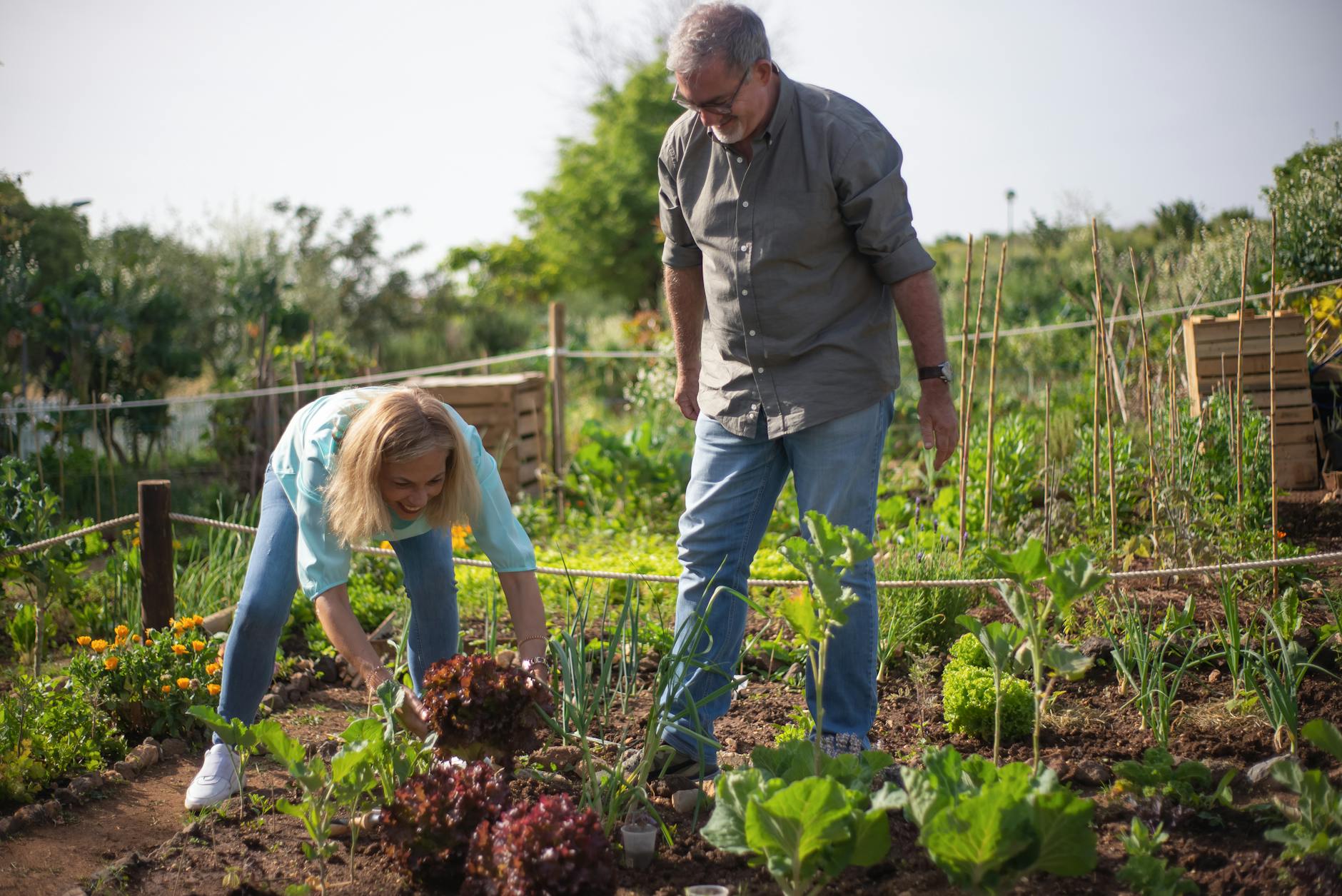
Senior couple gardening in a lush vegetable garden. Joyful moment harvesting lettuce under the sun.

Photo by Kampus Production

For Kashmir, a region known for its stunning landscapes, environmental sustainability is about preserving local biodiversity, combating deforestation, and managing water resources. The region’s lakes, forests, and mountains form an ecological treasure trove, but they’re under threat due to unplanned urbanization and climate changes.

According to research highlighted in the article “Kashmir – A Sustainable Paradise,” global warming has already begun altering the region’s delicate ecosystems. Initiatives like conserving wetlands and regulating tourism practices are critical steps toward safeguarding this paradise.

Social Sustainability

Social sustainability is about ensuring equitable access to resources and preserving cultural identities. In Kashmir, this translates into promoting fair educational opportunities, healthcare, and support for local communities. It also involves safeguarding traditions and crafts, like carpet weaving and Pashmina making, that are vital to Kashmir’s identity.

The emphasis on social equity also means bridging gaps in infrastructure. By focusing on marginalized groups and ensuring access to utilities and education, social sustainability lays the groundwork for a society that thrives collectively.

To get deeper insight into strategies for preserving social and environmental balance in Kashmir, read “Sustainable Development Preserving the Paradise of Kashmir.”

Economic Sustainability

Economic sustainability ensures long-term viability without depleting resources or harming ecosystems. In Kashmir, this could involve boosting eco-tourism, supporting local handicrafts, and expanding sustainable agriculture.

Eco-tourism, for example, not only creates jobs but also educates visitors on conserving the environment. Similarly, local industries like horticulture and saffron farming can thrive under practices that emphasize sustainability. Learn more by exploring “Invest in Sustainable Development for Kashmir.”

Why Sustainability Matters

The impact of unsustainable practices is already being felt worldwide—from extreme weather events to water scarcity. For a region like Kashmir, which depends heavily on natural resources and its cultural heritage, sustainability isn’t optional—it’s essential.

Global Perspective on Sustainability

On a global scale, sustainability is being addressed through frameworks like the Paris Agreement and the UN’s Sustainable Development Goals (SDGs). These initiatives aim to combat climate change, promote clean energy, and reduce inequality worldwide.

Sustainability in Kashmir

In Kashmir, the need for sustainable practices is more pressing than ever. Cross-sectoral challenges, such as unregulated tourism and inefficient resource management, demand innovative solutions. Hydroelectric projects, while beneficial, must balance energy needs with environmental integrity. More local solutions, like adopting solar energy in rural areas or promoting organic farming, can lead the way.

For specific insights, “Strategic insights for sustainable tourism development in Kashmir” highlights balances that tourism-dependent regions can strike.

Key Principles of Sustainability

Sustainability principles act as guidelines to achieve harmony between development and conservation. Among them, these stand as the most actionable:

Reduce, Reuse, Recycle

Simple practices, like sorting waste or repurposing items, minimize garbage in landfills and reduce pollution. Communities in Kashmir can integrate these habits into daily routines, fostering collective responsibility.

Renewable Energy and Resource Efficiency

Switching to renewable energy like solar and wind holds immense potential for Kashmir, which often faces energy shortages. Adopting energy-efficient devices and encouraging rooftop solar installations are practical steps.

Sustainable Business Practices

Local businesses can adopt ethical practices by sourcing eco-friendly materials or prioritizing fair labor. By doing so, they not only protect the environment but also attract like-minded consumers.

How Individuals Can Embrace Sustainability

Being sustainable is not just about policies—it’s also about individual accountability. Here’s how you can contribute:

Sustainable Lifestyle Choices

Opt for small changes like conserving energy at home, walking instead of driving, and eating locally grown foods. For example, supporting regional products like Kashmiri saffron ensures economic sustainability while reducing food miles.

Community Engagement and Participation

Join local initiatives such as afforestation campaigns or river clean-ups. These collective actions have a measurable impact and promote community bonding.

Advocating for Policy Changes

Voice your support for policies that prioritize sustainability. Whether it’s introducing stricter waste management laws or subsidies for renewable energy installations, policy changes can lead to significant improvements.

Road Ahead

Sustainability is about securing a better future while respecting the past. For regions like Kashmir, where natural beauty meets cultural heritage, adopting sustainable practices is not just essential it’s transformative. By embracing responsibility at every level global, local, and individual we can ensure a future where both nature and humanity thrive. Take the first step today; after all, sustainability starts with each of us.

How to Invest in Stocks | The Azadi Times

0

Investing in stocks is one of the most effective ways to build wealth over time. Whether you’re looking to save for retirement, a home, or simply to grow your financial portfolio, understanding how to navigate the stock market is crucial. This article will guide you through the essential steps to start investing in stocks confidently and responsibly.

Understanding Stock Markets

At its core, a stock market is a venue where stocks are bought and sold. It plays a vital role in the economy by enabling companies to raise capital and investors to earn returns.

Individual reviewing stock market trends using a laptop and smartphone at a wooden table.


Photo by Joshua Mayo

Types of Stocks

When you invest in stocks, you essentially buy a piece of a company. There are several types of stocks you can consider:

  • Common Stock: This is the most prevalent form of stock. It gives shareholders voting rights and potential dividends.
  • Preferred Stock: These stocks usually come without voting rights but offer a fixed dividend. They have priority over common stocks during liquidation.

Beyond these, stocks can also be classified into growth and value stocks. Growth stocks are expected to grow at an above-average rate compared to their industry, while value stocks are those that appear to be undervalued in price, offering potential for future growth.

How Stock Markets Work

Stock markets operate through exchanges where stock buyers and sellers meet. The most notable exchanges are the New York Stock Exchange and NASDAQ. Stock prices fluctuate based on supply and demand, influenced by the company’s performance, the economy, and investor behavior. Indices like the S&P 500 or Dow Jones Industrial Average track the performance of a group of stocks and give a snapshot of the market’s overall tendency.

Choosing a Brokerage

Selecting the right brokerage to handle your stock investments is a significant first step. There’s a variety of options to consider.

Online Brokers vs. Traditional Brokers

Online brokers allow you to trade without the assistance of a broker and usually charge lower fees. They’re ideal for those comfortable managing their investments. On the other hand, traditional brokers offer personalized services and advice but may come with higher fees.

Key Features to Consider

When choosing a brokerage, consider the following features:

  • Fees: Look for low trading and account fees.
  • Investment Options: Ensure the platform offers a variety of stock options and investment types.
  • Research Tools: A good broker should provide insights and data to help you make informed decisions.

The more informed your choice of brokerage, the smoother your investing journey can be.

Developing an Investment Strategy

A solid investment strategy is essential for achieving your financial goals.

Setting Investment Goals

What do you want from your investments? Setting clear short-term and long-term goals can guide your strategy. Whether it’s retirement savings or funding a child’s education, knowing your target will shape your investment decisions.

Risk Assessment and Diversification

Understanding your risk tolerance is crucial. Riskier investments may offer higher returns but can lead to potential losses. Diversification, or spreading your investments across various stocks and asset classes, can mitigate risks associated with having too much capital in one area.

Investment Approaches

Familiarize yourself with different investment strategies, such as dollar-cost averaging, which involves regularly investing a fixed amount, reducing the risk of market volatility impacts. Researching approaches like value investing or growth investing can also provide new insights.

Buying and Selling Stocks

Once you’re ready to invest, knowing how to navigate transactions is imperative.

How to Buy Stocks

Buying stocks can be broken down into simple steps:

  1. Open a brokerage account.
  2. Deposit funds.
  3. Research the stocks you wish to buy.
  4. Place a buy order, choosing the order type (market, limit, etc.).

These steps create a structured approach for entering the market.

When to Sell Stocks

Deciding when to sell your stocks is just as important as buying them. Look for indicators of underperformance or if a stock’s value reaches your target price. Some strategies suggest holding for the long term unless significant changes occur, rather than reacting to everyday market fluctuations.

Mistakes to Avoid

New investors often make common mistakes that can hinder their success.

Emotional Decision-Making

Many investors are driven by emotions like fear and greed. This can lead to impulsive decisions that don’t reflect sound financial reasoning. Stick to your strategies and resist the urge to chase trends based purely on emotion.

Ignoring Research and Trends

Failure to research before investing can be detrimental. Always review market trends, company performance, and reliable analyses. Understanding how to evaluate a stock can lead you to more informed investment choices.

Conclusion

Investing in stocks is a rewarding endeavor that can lead to financial growth. By understanding the stock markets, choosing the right brokerage, developing a solid strategy, and avoiding common pitfalls, you can navigate this journey with more confidence. As you take these first steps into stock investing, remember that patience and research play critical roles in achieving your financial goals. Start small, learn along the way, and watch your investments grow. For more insights, consider resources like Nerdwallet.

Computer Network Multiple Choice Questions: A Guide to Effective Learning

0

Understanding computer networks is crucial in today’s technology-driven world. From personal connections at home to extensive systems used in organizations, networks form the backbone of communication. Multiple choice questions (MCQs) provide an effective method for learning and assessing knowledge in this field. They not only help reinforce concepts but also make studying engaging.

Understanding Computer Networks

Computer networks are the foundation of digital communication, enabling devices to connect and share information. They play a significant role in business, education, and everyday life.

Definition and Purpose of Computer Networks

A computer network is an interconnection of computers that allows them to communicate and share resources. According to GeeksforGeeks, these networks facilitate the sharing of files, printers, and internet connections, enhancing efficiency and collaboration.

Types of Computer Networks

Understanding the various types of computer networks can help in grasping their functionalities. Here are some commonly recognized types:

  • Local Area Network (LAN): Connects computers within a small geographic area, such as a home or office.
  • Wide Area Network (WAN): Covers larger geographic regions, often connecting multiple LANs. The internet is a prime example.
  • Metropolitan Area Network (MAN): Spans a city or a large campus, typically used by businesses to connect various locations.

For a deeper dive into network types, check out GeeksforGeeks.

Laptop displaying source code with dual screens for software development.


Photo by Markus Spiske

Importance of MCQs in Computer Networks

Multiple choice questions have numerous advantages in the realm of computer networking. They provide a structured way to evaluate knowledge while keeping the process interactive.

Effective Assessment Tool

MCQs can efficiently assess a learner’s understanding. They allow educators to pinpoint areas where students excel or struggle. The use of MCQs in assessments makes grading simpler and less subjective. According to Charter College, these assessments can identify both knowledge gaps and misconceptions in understanding network concepts.

Engagement and Retention of Knowledge

One of the often-overlooked benefits of MCQs is their power to engage learners actively. When faced with a question, students must recall information, thereby enhancing memory retention. Regularly practicing MCQs not only prepares students for exams but reinforces knowledge in real-life applications. Research suggests that consistent retrieval practice using MCQs aids long-term retention, making them a valuable addition to any study routine. More insights can be found on Evidence Based Education.

Sample Multiple Choice Questions

Here are some example MCQs to help learners at different levels.

Basic MCQs for Beginners

  1. What does a Local Area Network (LAN) connect?
    • A) Multiple cities
    • B) Computers within a small area (Correct)
    • C) Global internet connections
    • D) None of the above
  2. Which protocol is commonly used for sending emails?
    • A) HTTP
    • B) SMTP (Correct)
    • C) FTP
    • D) DNS

Advanced MCQs for Experienced Learners

  1. What topology connects all devices to a single central hub?
    • A) Ring
    • B) Star (Correct)
    • C) Mesh
    • D) Bus
  2. In networking, what does the term ‘latency’ refer to?
    • A) The physical distance between devices
    • B) The amount of data transferred per second
    • C) The delay before a transfer of data begins (Correct)
    • D) None of the above

Practicing these questions can solidify fundamental concepts and prepare you for more complex topics in networking.

Resources for Further Practice

To excel in computer networking, various resources are available for deeper learning and practice.

Online Platforms and Courses

Numerous websites offer comprehensive courses on computer networking. Platforms like Coursera, Udemy, and edX provide structured courses that include study materials and MCQs for self-assessment. These resources are helpful for both beginners and seasoned professionals looking to update their skills.

Books and Study Materials

Books can serve as valuable tools for understanding computer networks. Titles such as “Computer Networking: A Top-Down Approach” by James Kurose and Keith Ross are great starting points. They provide insights alongside practice questions to test knowledge. Additionally, materials that offer MCQs can further enhance understanding of complex topics in networking.

Conclusion

Mastering computer networks is essential for anyone looking to thrive in technology. Using multiple choice questions enhances both learning and assessment, making the process effective and engaging. By regularly practicing MCQs, students can bolster their understanding and prepare for challenges ahead. In this rapidly evolving field, the investment in knowledge will always pay off. Start practicing today to solidify your grasp on computer networking concepts!

The Untold Story of Kashmir’s First Airport & the ‘Flying Jinn’ of 1925

0

Srinagar, Jammu & Kashmir: Long before Mumbai’s Chhatrapati Shivaji Maharaj International Airport became India’s aviation cornerstone in 1928, the skies of Kashmir witnessed a historic milestone. Nestled in Srinagar’s Batamaloo area, the Batamaloo International Airport (originally at Chandmari-Totto Ground) welcomed the first aircraft to Jammu & Kashmir in 1925, marking the region’s entry into the age of aviation three years before Mumbai’s famed airport was established.

A Flight into History

On May 15, 1925, a pioneering aircraft landed at Totto Ground (Chandmari, Batamaloo), captivating locals who had never seen such a machine. The event, verified by Roznama Tareekh-e-Kashmir (Page 620) authored by Mufti M. Saadat, corrects earlier claims attributing the landing to 1922. This demonstration flight not only showcased technological progress but also sparked curiosity and wonder among Kashmiris, many of whom perceived the plane as a “flying jinn.”

Folklore and the “Flying Jinn”

Dr. Ashraf Kashmiri, a researcher, recounts a charming anecdote from local lore: villagers, believing the aircraft required sustenance, brought grass and bones to the site, much like they did when bicycles first arrived in the valley. The incident reflects both the innocence of the era and the region’s famed hospitality.

Tara Chand Wazir: Kashmir’s First Aviator

Tara Chand Wazir, grandfather of Rekha Wazir, etched his name in history as the first Kashmiri to fly in an airplane. His daring feat inspired folk songs performed by wandering singers (ladi-shah and Baand), celebrating the marvel of flight.

One popular verse translated from Kashmiri reads:
“The aeroplane arrived in the land of Kashmir, Those who heard trembled, seeking God’s mercy. The first to soar were Sham Sundar Lal Dhar and Tarak Wazir!”

Wazir’s legacy, now shared on social media, highlights his role in bridging tradition and modernity.

Correcting the Record

The article addresses a historical correction: while some sources credited the 1922 date, archival evidence firmly places the landing in 1925. This revision underscores the importance of preserving accurate regional history.

A Legacy Overshadowed?

The dedication to Mohammad Naxir Fida and Bansilal Kuchroo, likely early contributors to Kashmir’s progress, accompanies a poignant critique: “Thanks to our leaders for our backwardness.” This nod to unresolved developmental challenges contrasts with the region’s early aviation achievement.

Preserving Kashmir’s Aviation Heritage

Dr. Ashraf Kashmiri, who compiled this history, emphasizes the need to celebrate Batamaloo’s role in India’s aviation journey. As Srinagar’s Sheikh ul-Alam International Airport now dominates air travel, the story of Totto Ground serves as a reminder of Kashmir’s forgotten pioneering spirit.

For further details, contact Dr. Ashraf Kashmiri at [email protected].

Current Situation in Kashmir the Land of Resilience and Hope

0

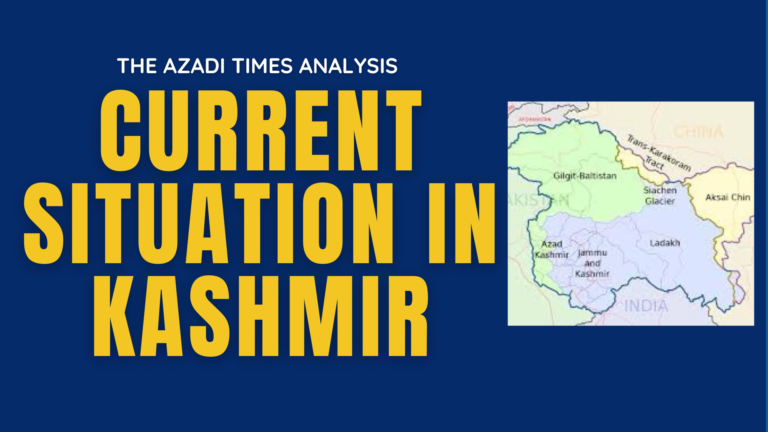
Kashmir officially known as Jammu Kashmir a name that evokes images of breathtaking landscapes, serene valleys, and a mosaic of cultures has long captured the world’s imagination. Yet, behind its stunning vistas lies a complex tapestry of history, conflict, and human resilience. Today, the region stands divided into distinct administrative and geopolitical areas, each with its unique challenges and aspirations. In this comprehensive overview, we explore the current situation in Kashmir, weaving together the stories of Indian-administered Jammu and Kashmir, Azad Kashmir, Gilgit-Baltistan, and the high-altitude terrains of Ladakh and Aksai Chin.

Historical Overview

The history of Jammu and Kashmir is as layered as the terrain itself. Once a princely state celebrated for its cultural vibrancy and natural beauty, the region was forever transformed by the events of 1947, when partition reshaped the subcontinent. The ensuing conflict between India and Pakistan set the stage for decades of dispute and division. The historical legacy of this land is written in the ancient forts, mystical shrines, and the enduring spirit of its people a spirit that continues to seek peace and justice amid turbulent times. Over the decades, this territorial discord has led to the emergence of several administrative entities:

  • Indian-administered Jammu and Kashmir: Once a single state, this area comprising approximately 55% of the entire disputed region is now administered by India. Following the revocation of Article 370 in 201 by the Indian Government, it was restructured into two union territories: Jammu & Kashmir and Ladakh.

    Pakistan-administered Azad Kashmir and Gilgit-Baltistan: These regions, making up roughly 30% of the overall territory, are under Pakistan’s control. They enjoy a degree of political autonomy and boast unique cultural and natural landscapes, even as they remain an integral part of the broader Kashmir dispute.

    Aksai Chin: Representing about 15% of the disputed area, Aksai Chin is administered by China. This sparsely populated, high-altitude region adds yet another layer of complexity to the geopolitical puzzle of Kashmir.

Current Situation In Jammu Kashmir (Indian-Administered)

In Indian-administered Jammu and Kashmir, the past few years have seen a dramatic transformation one that is as deeply felt as it is hotly debated. The abrogation of Article 370 in 2019 led to the reorganization of what was once a single state into two separate Union Territories: Jammu & Kashmir and Ladakh. This bold move, aimed at integrating the region more deeply into the Indian Union, has stirred a whirlwind of reactions among locals, sparking intense debates filled with both hope for modernization and deep apprehension over the loss of a once-special status.

For many residents, the transformation has ushered in a wave of progress. New roads are cutting through remote villages, modern schools and healthcare facilities are emerging in urban centers and rural hamlets alike, and a renewed focus on infrastructural development is evident in everyday life. Yet, amid these signs of progress, there lingers a profound sense of loss. The erosion of the region’s special status has left many fearing that the rich Kashmiri cultural heritage might be sacrificed at the altar of rapid modernization. Daily life in this land is a study in contrasts—a struggle between the promise of progress and the desire to preserve an identity that is as unique as the landscape itself.

Adding to this complex picture is the stark reality of the region’s security environment. Today, Indian-administered Jammu and Kashmir is widely regarded as one of the world’s most militarized zones. With a heavy military presence and frequent episodes of unrest, the area is no stranger to tension. Daily incidents of violence and protest punctuate life here, underscoring the unresolved conflicts that have plagued the region for decades. In the midst of this atmosphere of constant vigilance and discord, many pro-Kashmir freedom leaders find themselves on the wrong side of the law. Reports indicate that prominent figures such as Yasin Malik and Shabir Shah among several other leaders advocating for Kashmir’s autonomy are currently held in Indian jails, a fact that has only deepened the sense of injustice felt by many locals.

From the bustling bazaars of Srinagar to the serene yet sorrowful villages scattered across the Kashmir Valley, and from the tense border towns where the echoes of conflict are a daily reminder of unresolved grievances, the human story of Jammu and Kashmir is one of resilience in the face of adversity. Beyond political rhetoric and policy debates, the heart of this region beats with the hopes and dreams of its people a longing for stability, opportunity, and recognition of their deep-rooted heritage.

In these troubled times, as the world watches from afar, the voices of Kashmiri families and communities rise above the cacophony of conflict. They speak not only of loss and sacrifice but also of an enduring hope that one day, their land might finally enjoy lasting peace and genuine self-determination. For them, the future remains uncertain, but their spirit continues to shine as a beacon of resilience and defiance in one of the world’s most contested regions.

Current Situation in Azad Kashmir (Pakistan-Administered) 

For decades, the government of Azad Kashmir has presented itself as a self-sufficient authority, with its own Prime Minister, President, and Supreme Court. However, the reality on the ground tells a different story. Despite these institutional structures, the region continues to grapple with high levels of unemployment, rampant inflation, and widespread poverty. Basic development remains elusive there is no airport, no major hospital to serve the needs of its 4.5 million people, and educational facilities often lag behind contemporary standards. The gap between the promise of self-governance and the everyday challenges faced by its citizens has never been starker.

Amid these challenges, the cultural heritage of Azad Kashmir endures. Festivals, traditional crafts, and a vibrant culinary scene are not just reminders of the region’s beauty, but also of a resilient community determined to preserve its identity. Community gatherings and local artisans continue to celebrate age-old traditions, even as the struggle for better economic opportunities persists.

Yet, a strong undercurrent of dissent runs through Azad Kashmir. A number of pro-independence groups including voices from organizations like Jammu JKLF, JKNAP, UKPNP, Mission, and others assert that Kashmir should be an independent country. Their argument is straightforward: under Pakistan’s administration, Kashmir has not seen the progress its people deserve.

However, the political reality forces many of these groups into a difficult position. To contest elections, they are required to pledge loyalty to Pakistan a condition that runs counter to their vision of an independent Kashmir. Consequently, these groups often boycott elections, opting instead to protest and organize seminars to voice their demands for true self-determination. Leaders like Ghazi Shahzad, along with many of his colleagues, have become synonymous with this struggle.

For over a year now, the Jammu Kashmir Joint Awami Action Committee a non-political organization has been actively demanding basic rights that essentially amount to the call for an independent Kashmir. They argue that despite the region’s rich natural resources and cultural wealth, the people of Azad Kashmir remain deprived of the progress and opportunities that should be their birthright.

In the face of these challenges, the spirit of Azad Kashmir remains unbroken. The people here continue to dream of a future where economic stability, improved infrastructure, and genuine political autonomy are realities rather than distant promises. They yearn for a day when the beauty of their land is matched by the prosperity of its people a day when Azad Kashmir’s potential is fully realized on both national and international stages.

Current Situation In Gilgital Baltistan (Pakistan-administered Kashmir)

Further, Gilgit-Baltistan presents a narrative of both promise and uncertainty. Known for its dramatic landscapes and ethnic diversity, this region is a treasure trove of natural resources and cultural wealth. However, its ambiguous political status often leaves local communities in a state of limbo. Historically, Gilgit-Baltistan has been administratively separated at times, and much like Azad Kashmir, its situation is deeply intertwined with the broader Kashmir dispute.

Development projects aimed at boosting tourism and infrastructure offer glimpses of a brighter future, yet the lack of clear political recognition hinders comprehensive progress. While basic facilities in certain areas are reported to be better than in Azad Kashmir, Pakistan continues to regard Gilgit-Baltistan as its “fifteenth province” in many respects, even as local voices call for greater autonomy and more focused investment.

Political dynamics in Gilgit-Baltistan are as complex as its rugged terrain. The region’s political setup differs significantly from that of Azad Kashmir. Prominent historical figures, such as Aman Ullah Khan once associated with the Jammu Kashmir Liberation Front originate from Gilgit, underscoring the area’s deep-rooted involvement in the Kashmiri struggle. Today, numerous political parties, including an active branch of the JKLF, operate in the region. However, the political landscape is marred by engineered sectarian strife, with Shia-Sunni tensions often exacerbated for political gain. Moreover, a persistently low literacy rate and a dearth of modern educational infrastructure continue to hamper progress.

In recent years, grassroots movements have begun to take shape. An organization named the Gilgit Baltistan Awami Action Committee has emerged, echoing the political activism seen in Azad Kashmir. Leaders such as Baba Jan and his party, along with Nawaz Khan Naji and other prominent voices, are vocally demanding the integration of Gilgit-Baltistan with Azad Kashmir, coupled with a plebiscite to determine the region’s final status. These calls for self-determination reflect a widespread yearning for meaningful political reform and sustainable development.

Current Situation in Ladakh India Administred Kashmir

In the rugged terrains of Ladakh life unfolds in extremes. Ladakh, now a separate Union Territory, is experiencing rapid modernization alongside the preservation of its centuries-old cultural traditions. The region’s stark beauty, with its expansive deserts and snow-capped peaks, is mirrored by the resilience of its people. In Ladakh, the challenge lies in balancing the push for development with the need to protect an environment and culture that have remained largely untouched for generations.

Current Situation Aksai Chin China Administered Kashmir

Aksai Chin, on the other hand, represents one of the most contested and remote parts of the greater Kashmir region. Administered by China, this high-altitude expanse remains shrouded in mystery and strategic significance. Sparse populations, harsh climates, and geopolitical tension combine to create an environment where survival is a constant challenge. For the few who live here, every day is a testament to human endurance amid one of the planet’s most formidable landscapes.

Voices of a Divided Land

The current situation in Kashmir is not defined solely by borders or administrative divisions it is lived by millions of people whose lives, dreams, and struggles transcend geopolitical lines. Families dream of peace and stability. Youths yearn for opportunities that allow them to forge a future free from the constraints of conflict. And in every village and town, there are whispers of change small acts of defiance against despair, and everyday victories that illuminate the human spirit.

The current situation in Kashmir is a complex mosaic of history, conflict, culture, and aspiration. While challenges remain, the resilience of its people continues to drive the quest for justice, development, and unity. As the world watches, the story of Kashmir remains a powerful reminder of the enduring strength of the human spirit, and the belief that even in divided lands, hope can flourish.

Kashmir Box: Weaving Tradition into Global Markets Through Artisan Empowerment

0

Srinagar: In Jammu and Kashmir, where tradition and craftsmanship are interwoven into daily life, a contemporary initiative named Kashmir Box has emerged as a beacon of cultural preservation and economic resilience. This brand, rooted in the ethos of empowering local artisans, is carving a niche in national and international markets by showcasing Kashmir’s rich heritage through handcrafted products. While Kashmir Box operates independently of this publication, its story offers insight into the challenges and triumphs of sustaining traditional crafts in a globalized world.

The Craftsmanship Legacy of Kashmir
For centuries, Kashmir has been synonymous with exquisite craftsmanship—Pashmina shawls, intricate carpets, delicate papier-mâché, and vibrant saffron. These artisanship traditions, passed down through generations, face modern challenges: political instability, competition from mass-produced goods, and limited market access. Against this backdrop, initiatives like Kashmir Box aim to bridge the gap between heritage and modernity.

Kashmir Box: A Conduit for Cultural Exchange
Founded as a social enterprise, Kashmir Box positions itself as a digital marketplace for authentic Kashmiri handicrafts. By collaborating directly with local artisans, the brand curates a diverse range of products, from luxurious Pashmina wraps to hand-carved walnut wood decor. Their mission extends beyond commerce; they seek to preserve endangered crafts while fostering sustainable livelihoods for artisans, many of whom are women working in rural communities.

Impact on Local Communities
Kashmir Box’s model emphasizes fair trade practices, ensuring artisans receive equitable compensation and recognition. Reports suggest their efforts have enabled craftsmen to bypass middlemen, access global audiences, and revive dwindling crafts like Sozni embroidery. In a region where economic opportunities are often scarce, such initiatives provide not just income but also pride in cultural identity.

Challenges and Adaptations
Operating in Kashmir’s complex socio-political environment poses hurdles, from logistical disruptions to retaining youth interest in traditional crafts. Kashmir Box addresses these by leveraging e-commerce and storytelling—highlighting artisan narratives through digital platforms. Their focus on eco-friendly materials and ethical practices also resonates with conscious consumers worldwide.

Recognition and Future Horizons
While specific accolades are unverified, the brand has garnered attention for its innovative approach, featuring in discussions about sustainable fashion and cultural entrepreneurship. Looking ahead, Kashmir Box aims to expand its artisan network and diversify product lines, potentially integrating tech-driven solutions to enhance outreach.

Kashmir Box exemplifies how cultural enterprises can drive socio-economic change while safeguarding heritage. In a global market often indifferent to origin stories, the brand’s journey underscores the importance of ethical consumerism and the resilience of Kashmir’s artisan community. For readers keen on supporting tradition-rooted innovation, Kashmir Box offers a window into the soul of Kashmir—one stitch, one carve, and one thread at a time.

Gilgit-Baltistan’s Culinary Treasures: A Feast of Tradition and Flavor

0

Gilgit-Baltistan is not only renowned for its breathtaking landscapes and rugged mountain vistas but also for its rich traditional foods that reflect centuries-old traditions. From unique beverages to festival dishes and nutritious street food, the region offers a diverse array of flavors that continue to define its cultural identity.

Salted Tea: The Signature Brew of Hunza

In a striking departure from the sweet teas commonly found elsewhere, the people of Hunza prefer their tea salted. This distinctive practice has become a hallmark of Gilgit-Baltistan’s culinary culture, setting the region apart and earning the admiration of locals and visitors alike.

Traditional Dishes: Celebrating Local Flavors

Gore Giyalang
Prepared during the Giyani festival, Gore Giyalang is a celebrated dish made by roasting grain and then adding water to create a dough-like consistency. Once kneaded and baked into a flatbread, it is brushed with ghee and typically enjoyed with salted tea at breakfast. Although it originates as a festival specialty, its delicious taste has made it a year-round favorite.

Mumtuu – The Northern Dumpling
Often likened to a samosa but with a twist, Mumtuu is a delightful dish from Skardu and the Hunza-Nagar region. Unlike its fried counterparts, Mumtuu is steamed. The dumpling is filled with a savory mixture of minced meat (from cow or sheep), onions, garlic, and green chilies, wrapped in a thin dough, and then served with an assortment of chutneys and vinegar. Originally derived from Chinese cuisine, this dish has been wholeheartedly embraced and transformed into a beloved local specialty.

Chapshuro/Sharpashuro – Hunza’s Own Pizza
Dubbed as Hunza’s version of pizza, Chapshuro is a delectable fusion of flatbread and spiced meat filling. It begins with a wheat flour flatbread topped with a savory mix of minced cow or yak meat, tomatoes, onions, green chilies, and spices. Another layer of flatbread is added, with the edges sealed neatly before the dish is cooked on a large griddle for 10 to 15 minutes until golden. Diners can enjoy it either sliced like a pizza or by peeling away the top layer to savor the filling.

Deerm Fitti – The Farmer’s Power Meal
A highly nutritious dish, Deerm Fitti is made from wheat that is first soaked to develop a natural sweetness. The resulting dough is fashioned into a paratha-like flatbread and cooked in apricot oil, with some variations incorporating almond oil. The paratha is then cut or crumbled and fried in traditional desi ghee. Favored by farmers for its energy-boosting properties, Deerm Fitti remains a staple during long days in the fields.

Muleeda – A Hearty Yogurt Delight
Muleeda is a comforting dish created by mixing yogurt with finely chopped pieces of wheat bread, onions, salt, and coriander. The mixture is thickened and enriched with a drizzle of Geri oil, resulting in a satisfying meal that epitomizes the region’s home-cooked goodness.

Yak: The Quintessential Protein

In stark contrast to other parts of Pakistan where buffaloes are common, Gilgit-Baltistan relies on the yak as a primary source of dairy and meat. Yak milk is notably thick and unsuitable for tea, while its meat is prized for its warming properties and deep red color, making it a vital component of the local diet.

Special Confections and Herbal Remedies

Keelao – The Local Chocolate
Often referred to as the “local chocolate” of Gilgit-Baltistan and equally popular in Chitral, Keelao is a cherished delicacy from the Ghizer district. This treat involves stringing together walnuts, almonds, Geri oil, and dried apricots into a necklace-like formation. Meanwhile, grape juice is simmered until thick and used to dip the nut garland, which is then dried over a period of three weeks. Typically prepared in winter, Keelao is both nourishing and indulgent, made entirely by traditional methods at home.

Battering Dawdo – Hunza’s Traditional Soup
A winter staple in Hunza, Battering Dawdo is a soup made from dried apricots mixed with sugar, water, and lemon juice. Believed to be beneficial for combating seasonal ailments and relieving constipation, this soup is a comforting fixture in many Hunza households.

The Bounty of Gilgit-Baltistan’s Orchards

Gilgit-Baltistan is also celebrated for its abundant and diverse fruits. The dark, juicy cherries of Hunza and Nagar are especially famous, exported both nationally and internationally. Additionally, the region produces exceptional apricots, apples, walnuts, mulberries, almonds, and more, each contributing to the rich tapestry of local flavors.

Ashkhin – A Mountain Remedy
Harvested from the high mountain peaks, Ashkhin is a yellowish, wood-like herb renowned for its medicinal benefits, particularly in alleviating joint and bone pain. Consumed by mixing a small piece with milk, Ashkhin is available at approximately Rs 100 per piece and is a testament to the natural resources that thrive in this rugged region.

A Cultural Feast

The culinary traditions of Gilgit-Baltistan are a vibrant reflection of its history, geography, and the enduring spirit of its people. From the salted tea that defines Hunza’s beverage culture to the innovative dishes that blend local ingredients with age-old techniques, every bite tells a story of resilience and heritage. As modern influences interweave with traditional practices, the foods of Gilgit-Baltistan continue to be a source of pride and a powerful expression of regional identity.

Mirpur Launches POS System: A Leap Toward a Digital Economy in Azad Kashmir

    0

    In a significant move to modernize financial transactions in Azad Jammu & Kashmir (AJK), the federal government has integrated the region’s businesses into Pakistan’s Digital Taxation Network through the launch of a Point of Sale (POS) system. This initiative, introduced in partnership between Pakistan Revenue Automation (PRAL) and the Central Board of Revenue (CBR) of Azad Kashmir, aims to enhance transparency in tax collection, curb tax evasion, and digitize economic transactions across the region.

    Officials report that the POS system was successfully rolled out in Mirpur at well-known outlets, including prominent brands such as Khadi and KFC, marking the first step toward the broader implementation of the system throughout AJK. The new system is designed to ensure that all economic transactions are digitally documented, minimizing human error and preventing potential revenue leakages.

    The launch event was attended by senior government officials, representatives from PRAL, and leaders from the business community. Notable attendees included Senior Colonel (Retired) Waqaar Noor, Minister for Development Azhar Sadiq, Minister for Law Mian Waheed, and representatives from the Chamber of Commerce. Additionally, PRAL’s General Manager SD Abid Naeem and Head of Commercials Farheen Azhar were present at the inauguration.

    During his address, one of the speakers emphasized that the implementation of the POS system is not merely a technological upgrade but a revolutionary step toward ensuring economic transparency and stability. He noted that the digital registration of all transactions will help eliminate errors and reduce revenue leakages, thereby strengthening the region’s financial system.

    The government’s vision for promoting a digital economy extends beyond this initial launch. Plans are already underway to expand the system nationwide, thereby broadening the tax base and further enhancing the efficiency and transparency of financial operations in Azad Kashmir. Following the inauguration, stakeholders engaged in discussions on future projects aimed at accelerating the region’s digital integration, ensuring that the business community can benefit from modern financial documentation and streamlined commercial activities.

    This strategic initiative is expected to play a crucial role in modernizing AJK’s economic landscape, reinforcing the government’s commitment to a transparent and efficient digital economy.