Tuesday, March 31, 2026
9.9 C
Srinagar
Home Blog Page 118

Tarar University Campus and Affected Family Reach Settlement; Umar Nazir Kashmiri Issues Ultimatum Until February 27

0

Rawalakot: A dispute that had escalated between the Tarar University of Poonch Campus administration and a nearby affected family has now been resolved. Over the past two days, tensions in the Rawalakot area intensified after the campus administration, accompanied by the AC of Rawalakot and police personnel, arrived at the site and began constructing a wall.

The move triggered a strong reaction when an elderly woman, along with several other female community members, formed a blockade in protest. In response, AC Rawalakot, Sardar Mushtaq Khan, ordered the arrest of the protesting woman. However, following intervention from local community members, the action was halted, and a local committee was subsequently established to address the issue.

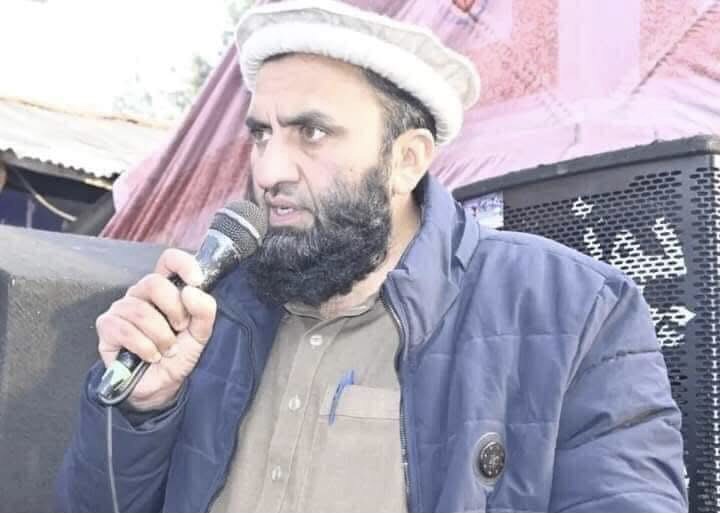
Senior Joint Action Committee leader, Sardar Umar Nazir Kashmiri, later threatened to escalate the protest if the concerns were not addressed. Today, an agreement was reached between the university administration, the district administration, and the local action committee. In a video message following the settlement, Umar Nazir Kashmiri issued an ultimatum, giving the administration until February 27 to meet all of the affected family’s demands.

Kashmiri stated, “All the demands of the affected family must be met. If the issues are not resolved by the stipulated deadline, and a proper route is not provided for the affected family, then full responsibility will rest on the university administration and the district authorities.”

This development comes as a relief to local residents, who have been closely monitoring the situation, and highlights the growing influence of community action in addressing public grievances. Further updates will follow as the administration works to implement the agreed-upon measures.

Former AJK PM Sardar Tanveer Ilyas Criticizes Government, Cites “Ajit Doval Model” as Source of Chaos

    0

    Rawalakot, Azad Jammu and Kashmir: Sardar Tanveer Ilyas Khan, former Prime Minister of Azad Jammu and Kashmir (AJK) and President of the Pakistan Stability Party AJK, has launched a scathing critique of the current administration, accusing it of plunging the region into disarray. Speaking at a gathering of political leaders, local representatives, and party workers at Sardar Palace in Banguoin, Ilyas claimed that “an evil force” imposed on AJK has devastated the state, with protests erupting across all sectors of society.

    “Ajit Doval Model” and Constitutional Concerns

    Ilyas alleged that the chaos stems from the “Ajit Doval Model,” a reference to India’s National Security Advisor, facilitated by AJK Prime Minister Chaudhry Anwar ul Haq. He criticized recent constitutional amendments, arguing they weaken AJK’s ties with Pakistan. “The relationship between AJK and Pakistan is being undermined under the guise of reforms,” he stated.

    Defense of AJK-Pakistan Ties

    Emphasizing AJK’s strategic role, Ilyas declared, “AJK is Pakistan’s defensive shield. Every Kashmiri considers themselves a soldier of this nation. No one can reach Pakistan without crossing our bodies.” He vowed to resist any compromise on AJK’s constitutional and democratic integrity, dismissing critics as “those who rely on astrologers instead of the people’s mandate.”

    Local Governance and Past Achievements

    Ilyas praised local government representatives as “assets of the state and Pakistan,” stressing their role in resolving public issues. He highlighted his tenure’s accomplishments, including:

    • Record tax collection and increased subsidies for Jammu and Kashmir refugees.
    • Initiatives in livestock farming, tourism, IT parks, and women/youth empowerment programs.
    • Revival of Rawalakot and Muzaffarabad airports and cross-border bus services with Gilgit-Baltistan.
    • Securing 850 federal CTD vacancies for AJK residents.

    Critique of Current Administration

    Accusing PM Anwar ul Haq’s government of halting development, Ilyas claimed, “Public welfare projects have been frozen, Grade 21 posts abolished, and incompetence reigns.” He warned against allowing “inept hands” to damage AJK’s reputation.

    Call to Action

    Ilyas urged citizens to safeguard AJK’s politics and democracy, stating, “Protecting this state is everyone’s responsibility. We will not let its dignity be compromised.” Attendees at the meeting congratulated him on a recent Supreme Court decision, though specifics were not disclosed.

    Kashmir’s Unwavering Stance

    Reiterating AJK’s allegiance, Ilyas asserted, “Kashmiris are Pakistanis by choice, without coercion. We’ve sacrificed everything for freedom and will continue to do so.” He emphasized AJK’s potential as a welfare state, citing its abundant resources and resilience.

    Leepa Valley: A Gem of Natural Beauty and the Home of Red Rice

    0

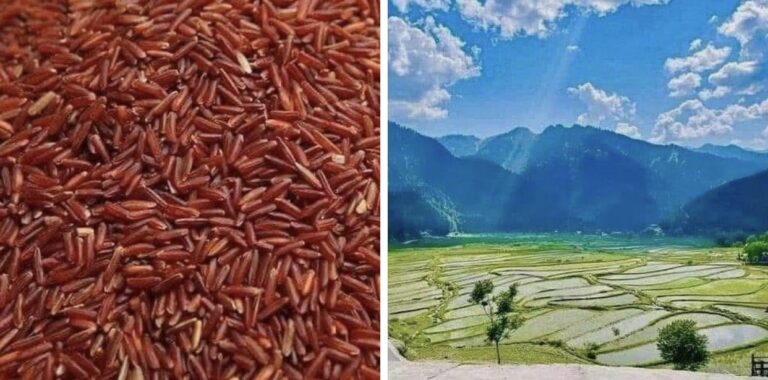
    Leepa Valley: Located just 100 kilometers from Muzaffarabad, the capital of Azad Jammu Kashmir Leepa Valley stands out as one of Azad Kashmir’s most picturesque regions. Renowned for its stunning landscapes of towering mountains, lush green valleys, and shimmering lakes, the valley also boasts a unique agricultural heritage—its famed red rice.

    Leepa Valley is one of the leading rice-producing regions in Azad Kashmir. However, the rice grown here is unlike any other. Cultivated during the summer months, the rice turns a distinctive red hue that not only enhances its flavor but also boosts its nutritional value. Local farmers credit this uniqueness to the natural, traditional cultivation methods passed down through generations.

    Traditional Cultivation Techniques

    Farmers in Leepa Valley prepare their fields meticulously, tailoring their techniques to the seasonal changes. During the bitter winter months, temperatures plummet below freezing, blanketing the area in snow for several months. As the weather moderates in summer, conditions become ideal for the red rice crop to thrive.

    Rice cultivation here is steeped in tradition. Locals continue to follow the ancestral methods, considering the practice an integral part of their cultural identity. Two main varieties are cultivated—locally known as “Lunda” and “Klalangal.” The process begins by soaking the seeds in water for 40 days, after which the fields are prepared and the saplings are transplanted, a technique locally referred to as ‘Tropi.’

    Irrigation in the valley is carried out using natural spring water, which not only nurtures the crops but also enhances overall yield. This sustainable method of farming is a testament to the deep-rooted agricultural practices that have sustained the community for centuries.

    Cultural Heritage and Modern Challenges

    For generations, rice farming has been the backbone of Leepa Valley’s culture and economy. Yet, despite the pride and heritage associated with this tradition, there is a growing trend among the younger generation to move away from agriculture. While the elders continue to cultivate rice with the methods of their forefathers, many of today’s youth are finding opportunities in other sectors, such as the fishing industry, leaving behind a time-honored legacy that is at risk of fading.

    The distinct red rice of Leepa Valley remains a symbol of the region’s rich cultural tapestry, underscored by the resilience and hard work of its farmers. As modern challenges loom, the community’s commitment to preserving its agricultural heritage is more important than ever.

    Leepa Valley not only captivates visitors with its natural beauty but also invites them to experience a unique culinary tradition. The region’s red rice, nurtured by nature and time-honored practices, continues to be a testament to the enduring spirit of its people.

    Prime Minister’s Promises Unfulfilled as Neelum District Hospital Remains Devoid of Doctors and Medicines

    0

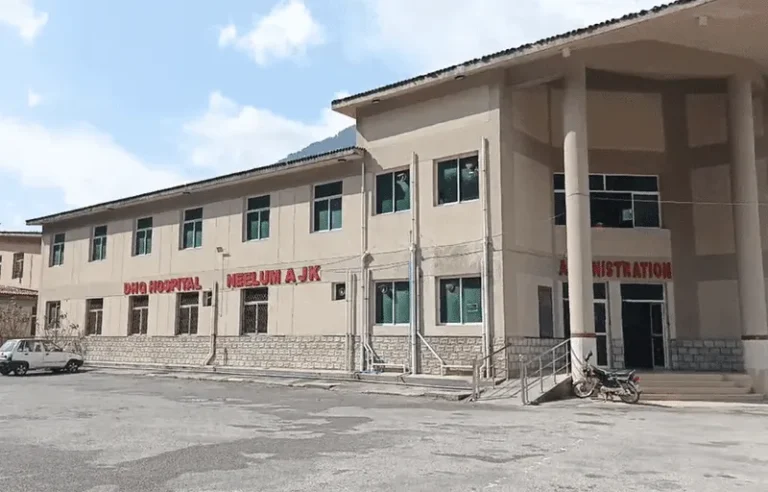
    Neelum:  Despite two visits by Prime Minister Chaudhry Anwar-ul-Haq to District Headquarters Hospital Neelum at Aathum, no significant improvements have been witnessed. Reports indicate that during both visits, no doctors were present, and essential medicines and facilities were unavailable, leaving the hospital critically under-resourced.

    The situation came to public attention following the tragic deaths of two women in the suburban areas of Neelum due to the lack of timely medical care. In response to mounting public outcry, the Prime Minister visited the hospital on two separate occasions. During these visits, he had assured the public that every possible measure would be taken to provide adequate health services and that the appointment of doctors would be prioritized. However, his promises appear to have fallen short.

    According to reports, there are currently nine vacant doctor positions at the hospital. Alarmingly, the single doctor who is officially appointed is not present at the facility, leaving a population of nearly 300,000 served by only one nurse. This dire shortage of medical personnel has left residents questioning the effectiveness of the health department and the administration of the hospital.

    Citizens waiting at the hospital voiced their frustration to Kashmir Digital. “The building here is grand, but there are no doctors, no medicines—nothing to help us, especially during these severe weather conditions,” they stated. Many have now begun to question whether doctors hold more sway than the Prime Minister himself, as his announcements have yet to translate into tangible improvements at the hospital.

    The public is demanding immediate action. They urge the Prime Minister to take further notice of the situation and to ensure that the promised health services are delivered without further delay. With lives at stake and trust in public services dwindling, the pressure is mounting for the authorities to address the long-standing deficiencies in the region’s healthcare system.

    75% Subsidy on Olive Saplings: A Golden Opportunity for Aspiring Farmers

    0

    Samahani, Azad Kashmir: In a landmark move aimed at boosting local agriculture and fostering self-sufficiency, the Government of Azad Kashmir in collaboration with the Department of Agriculture has announced a 75% subsidy on olive saplings. This initiative presents a golden opportunity for those eager to establish olive gardens in the region.

    According to a spokesperson from the Agriculture Department’s Samahani sub-division, the subsidy scheme has been introduced in response to a noted high demand for olive saplings. Under this program, each applicant will receive a minimum of 25 saplings at heavily discounted rates, courtesy of the government subsidy. Interested farmers and investors are invited to submit their applications by visiting the nearest agricultural extension centers, including locations in Bundala, Samahani, Choki, Poonch, and Dal Khambah, during regular office hours. All applications must be submitted by February 24, 2025.

    This forward-thinking initiative is viewed as a major step toward promoting agricultural growth and enhancing the economic well-being of local farmers. By making olive cultivation more accessible and cost-effective, the government aims to significantly increase olive production in Azad Kashmir, contributing to both regional development and sustainable agricultural practices.

    As olive cultivation gains momentum, experts believe that the program will not only strengthen the local economy but also position Azad Kashmir as a key player in the olive industry. Farmers are encouraged to seize this opportunity to invest in a venture that promises long-term benefits and aligns with the region’s commitment to agricultural progress.

    Gold Prices Surge in Azad Kashmir: 24-Carat Reaches Rs 360,000 per Tola

    0

    Muzaffarabad, February 19, 2025: In a significant development in the precious metals market, Azad Kashmir’s bullion market has witnessed a sharp increase in gold prices today. The latest figures reveal that the price of 24-carat gold has surged to Rs 360,000 per tola, while the price for 10 grams of gold has climbed to Rs 262,345.

    According to market data, compared to February 18, 2025, when the 24-carat gold price was recorded at Rs 340,000 per tola and the 10-gram price at Rs 260,800, today’s rates mark an increase of Rs 2,000 per tola and Rs 1,545 per 10 grams. In contrast, the price of silver has remained stable at Rs 3,200 per tola.

    Similar fluctuations have been observed across other major cities such as Karachi, Lahore, Islamabad, Rawalpindi, Multan, and Faisalabad, where the 24-carat gold price is hovering around Rs 350,000 per tola. Experts indicate that the global uptick in gold prices is reflecting in local markets, driven by increased demand and market uncertainties worldwide.

    Market analysts attribute the surge to several factors, including rising international gold prices and a shift among investors toward precious metals as a safe haven amid economic volatility. Consumers and investors are advised to keep a close watch on market trends as these price movements could continue in the near future.

    For more updates on precious metals and financial market trends, stay tuned to The Azadi Times.

    Billions in Budget, Patients in Agony: Azad Kashmir Health Department Under Scrutiny

    0

    Muzaffarabad: The negligence of the Azad Kashmir Health Department is coming under intense criticism as systemic failures in the healthcare system have left patients suffering. A recent incident involving a pregnant woman in severe pain has spotlighted the shortcomings of the department, despite a multi-billion rupee budget allocated for health services.

    In a distressing case at Garhi Dupatta Hospital, the patient arrived complaining of severe pain. An initial medical examination revealed that her blood levels were critically low—less than 7 points—indicating an urgent need for advanced medical intervention. Acting swiftly, the doctors immediately referred her to a major hospital in Muzaffarabad and instructed her family to expedite her transfer.

    However, the situation took a tragic turn when the patient was taken to another prominent hospital in Azad Kashmir. The hospital management there, adopting a markedly different approach, conducted only a routine check-up and reassured the family that no significant issues were found, advising that the patient could safely return home. This decision proved to be grossly irresponsible.

    As the patient was en route home, she suddenly experienced intense labor pains. Her condition deteriorated rapidly, forcing an emergency roadside delivery at a nearby petrol pump under unsafe and challenging conditions. Fortunately, a local rescue team was alerted immediately, arriving in time to provide initial medical aid and subsequently referring her back to a major hospital in Muzaffarabad.

    The public response has been one of outrage, with citizens demanding immediate accountability from the hospital administration for their handling of the case. This incident is not an isolated event—similar occurrences have been reported in the past at the same hospital, yet no responsible authorities have been identified or held accountable.

    Attempts by Kashmir Digital to secure a comment from the hospital management were met with refusal, further intensifying public frustration and concerns over the health department’s operational failures.

    This case raises pressing questions about the management of a substantial health budget and the overall efficacy of the healthcare system in Azad Kashmir. Critics argue that the lack of proper protocols and the dismissive attitude of hospital administrators are endangering lives and undermining public trust in state-run health services.

    Azad Kashmir Weather: Rainfall and Heavy Snowfall Expected from February 20 to 22

    0

    Muzaffarabad: Azad Kashmir, along with parts of Srinagar, Muzaffarabad, and Gilgit-Baltistan, is bracing for significant weather changes from February 20 to February 22, 2025. The Meteorological Department has issued warnings of intermittent rainfall and heavy snowfall on the mountains during this period.

    In regions including the Neelum Valley, Muzaffarabad, Poonch, Hatiyan Bala, Bagh, Haveli, Sudhnuti, Kotli, Bhimber, and Mirpur, forecasters expect not only sporadic rain showers accompanied by thunder and lightning but also intense snowfall on the high-altitude areas. Strong winds are anticipated to exacerbate the situation, potentially leading to hazardous road conditions.

    The Meteorological Department has cautioned that the heavy snowfall could result in road closures and slippery surfaces, severely affecting traffic flow. Additionally, between the night of February 20 and the early hours of February 20, certain locations in Kashmir may witness hailstorms. In the mountainous regions of Kashmir and Gilgit-Baltistan, there is also a heightened risk of landslides and the falling of ice chunks, posing further threats to public safety.

    Authorities have advised tourists and locals alike to exercise caution and avoid unnecessary travel during the adverse weather conditions. Meanwhile, in areas like Murree, the Galyat region, and their surroundings, the weather is expected to remain cold and partly cloudy.

    In the past 24 hours, sporadic rainfall was recorded in parts of Kashmir, Rawalpindi, and Islamabad, while the rest of the Punjab province experienced cold, dry conditions.

    Residents and travelers are urged to monitor local weather updates and heed official warnings to stay safe amid the evolving weather scenario.

    Azad Kashmir High Court’s Landmark Ruling: Government Banned from Utilizing Development Funds

    0

    Muzafarabad: The Azad Kashmir High Court has issued stern directions to the government by approving petitions filed by local municipal representatives. The court has mandated the full implementation of the 1990 Act and imposed a ban on the utilization of development funds through MLAs a move that marks a major victory for municipal governance and transparency in the region.

    Local municipal representatives had filed several writ petitions in 2023, challenging the manner in which development funds were being managed. The case was heard by a divisional bench comprising Justices Sardar Ijaz and Khalid Rasheed, who delivered the ruling after considering the submissions of prominent legal advocates Raja Sajad, Barrister Humayun Nawaz, and Raja Nasir.

    Key aspects of the decision include:

    • Strict Implementation of the 1990 Act: The ruling compels the government to adhere fully to the provisions of the 1990 Act.
    • Ban on Fund Utilization Through MLAs: The government is now barred from channeling development funds via MLAs, ensuring that the funds are managed transparently.
    • Empowerment of Municipal Representatives: The court has directed the government to grant municipal representatives their full constitutional powers, enabling them to oversee the transparent allocation and use of public funds.

    The decision has been hailed as a major success by municipal representatives, who view it as a critical step toward ensuring accountability in the management of public resources. However, the ruling has elicited varied responses within government circles, with some officials expressing concerns over the implications for current administrative practices.

    Legal experts suggest that this landmark ruling could set a precedent for future governance in Azad Kashmir, potentially leading to more responsible fiscal management and enhanced local autonomy. The case continues to be closely monitored by both political analysts and the public, as its broader implications for the region’s administrative framework are unfolding.

    Climate Crisis in Rawlakot: A Paradise Under Threat

    0

    Rawlakot, Azad Kashmir: Rawlakot and beautiful city and the capital of Poonch district in Pakistan-administered Kashmir has long been celebrated for its alpine charm and cooler climate. However, residents and experts now warn that the region’s environmental equilibrium is unraveling, with rising temperatures, erratic weather, and deforestation reshaping its identity.

    Rising Temperatures: A Two-Degree Shift

    Over the past 50 years, Rawlakot and surrounding areas have witnessed a 2°C temperature increase, according to local meteorological data shared by a senior journalist from Muzaffarabad. This aligns with broader trends in the Kashmir Himalayas, where temperatures have risen by 1.2°C over the last century, outpacing global averages .

    This winter, Rawlakot’s famed cold spell traditionally marked by heavy snowfall has been replaced by unseasonal warmth.

    Similar patterns are observed across Jammu Kashmir, the Chillai Kalan (40-day harsh winter) has grown milder, with snowless peaks and dwindling glacier reserves threatening water security .

    Deforestation: A Silent Culprit

    Once blanketed by dense forests, Azad Jammu Kashmir’s tree cover has plummeted from 40% to 11% since the mid-20th century, exacerbating environmental degradation.

    Unregulated logging and a lack of sustainable alternatives for local communities have accelerated soil erosion and reduced rainfall retention .

    Environmentalist Dr. Rakshanda emphasized, “Without empowering locals with green livelihoods, deforestation will persist as a survival strategy.”

    Rawalakot Weather

    2025 has brought unprecedented heatwaves to Rawlakot, with temperatures soaring beyond historical norms.

    Impacts on Livelihoods and Ecosystems

    The changing climate has disrupted agriculture, a lifeline for Rawlakot’s economy. Erratic snowfall now occurring as late as April has damaged cherry, almond, and saffron blooms, once synonymous with Kashmir’s agrarian prosperity .

    Glacial retreat in the Himalayas, including the Kolahoi Glacier (which lost 18% of its volume since 1980), further jeopardizes water supplies for irrigation and hydropower .

    Local Responses and Global Challenges

    Community-led initiatives are emerging to combat the crisis. Reforestation drives and awareness campaigns aim to restore green cover, while farmers experiment with drought-resistant crops.

    However, experts stress that local efforts alone are insufficient. “Mountain regions like Kashmir contribute minimally to global emissions but bear the brunt of climate impacts,” said glaciologist Shakil Khan .

    Pakistan’s vulnerability underscores the need for international climate financing. At COP30, advocates will push for loss-and-damage funds to support adaptation in it’s administered regions like Azad Kashmir and Gilgit Baltistan where water scarcity and extreme weather loom large .

    A Call to Action

    Rawlakot’s plight reflects a global paradox: those least responsible for climate change suffer its harshest consequences.

    As temperatures rise and glaciers vanish, the urgency for coordinated action from local reforestation to global policy shifts has never been greater. For now, Rawlakot’s residents brace for an uncertain future, hoping their paradise can still be saved.