Tuesday, March 31, 2026
10.7 C
Srinagar
Home Blog Page 119

Etsy Throws Open Its Doors to Pakistan’s Artisans, From the Himalayas to the World

0

Muzaffarabad: In a transformative leap for regional craftsmanship, Etsy, the international e-commerce platform renowned for handmade and vintage goods, has extended its services to Pakistan, including artisans in Pakistan-administered Kashmir and Gilgit Baltistan.

This pivotal update enables local creators to bypass historical barriers, connecting directly with a global audience of 95 million buyers and ending reliance on overseas intermediaries for account access.

Bridging Tradition and Global Markets
For generations, the region’s artisans have honed skills in crafting Pashmina shawls, walnut wood carvings, and intricate embroideries—products steeped in cultural heritage but constrained by limited market reach. Etsy’s integration with Payoneer, now operational in Pakistan, allows seamless rupee transactions, empowering creators like Zainab Abbas, a Muzaffarabad-based embroiderer. “Before, we depended on relatives abroad to sell online. Now, my daughters manage our Etsy shop, shipping shawls worldwide,” she shared.

Economic Ripples Across the Region
The shift holds particular promise for Pakistan-administered Kashmir, where handicrafts contribute significantly to household incomes. By digitizing traditional crafts, artisans can now showcase their work alongside Pakistani peers from Lahore’s ceramics to Sindh’s ajrak textiles. Karachi digital entrepreneur Farhan Ali, who trains rural artisans in e-commerce, noted, “This isn’t just about sales it’s about preserving heritage while building economic resilience.”

Navigating Challenges
While the opportunity is transformative, hurdles persist. Etsy’s 6.5% transaction fee and $0.20 listing cost demand careful financial planning. International shipping remains a hurdle, though partnerships with services like Pakistan Post’s e-commerce wing offer solutions. Digital literacy gaps in remote areas also pose challenges, prompting NGOs to launch workshops on SEO and product photography.

Geopolitical Nuances and Neutrality
As an international publication based in Kashmir, this report focuses on economic empowerment, avoiding political discourse. Etsy’s expansion aligns with broader trends in South Asia’s digital economy, where Pakistan’s freelance exports surged to $1.5 billion in 2022. For artisans in Pakistan-administered Kashmir, the platform offers a rare chance to amplify their voice globally, transcending traditional market limitations.

A Call to Craftsmanship
Industry experts urge swift action. “Global niches like sustainable fashion or culturally rooted designs are underserved,” said Ayesha Khan, an e-commerce consultant. “Artisans here can dominate these spaces with authentic storytelling.”

As the digital doorway widens, the world gains access to Kashmir’s untold creative legacy—one handwoven shawl, one carved artifact at a time.

Reported by The Azadi Times, Correspondent
October 25, 2023

The Azadi Times is an independent news platform based in Kashmir, delivering globally relevant stories through a regional lens. Follow us for nuanced coverage of commerce, culture, and connectivity in South Asia and beyond.

Kashmiri Social Media Embraces a New Narrative of Self-Determination and Freedom

0

Muzaffarabad: Over the past two months, Kashmiri content creators across platforms such as TikTok, Facebook, and Instagram have witnessed a marked shift in their online narratives. According to research conducted by Azadi Times, creators are increasingly focusing on themes of freedom, self-determination, prosperity, and development—a trend that is reshaping the digital discourse in the region.

A viral video that has swept through social media has played a pivotal role in this shift. The video features a distinctive background sound that challenges viewers with a provocative question: do they support Imran Khan or Yasin Malik? This audio clip has not only spurred widespread engagement but also inspired many users to produce their own versions, contributing to a broader movement of narrative redefinition in Jammu and Kashmir.

While the video has generated significant buzz, regional nuances in political sentiment have also emerged. In Pakistan, Imran Khan continues to enjoy considerable popularity, with many users expressing admiration for his leadership. In contrast, Kashmiri netizens have overwhelmingly shown support for Yasin Malik—a prominent advocate of Kashmiri self-determination who is currently incarcerated in Delhi’s Tihar Jail. The debate has been further fueled by a viral post referencing prisoner numbers 7 and 804 symbolic of Yasin Malik and Imran Khan respectively—with several content creators using online polls to capture public sentiment.

Research indicates that this evolving narrative is not a sudden phenomenon. The transformation has been underway for the past two years, gaining momentum after the Jammu Kashmir Joint Awami Action Committee began organizing meetings and conferences at district and tehsil levels. These grassroots initiatives have fostered dialogue and mobilized young content creators, enabling them to use digital platforms as tools for political expression and cultural assertion.

This trend underscores the growing influence of social media in shaping public opinion in Kashmir—a region where discussions around identity, political freedom, and economic development continue to be deeply intertwined. As Kashmiri voices increasingly turn to digital mediums to articulate their aspirations and frustrations, the shift in narrative reflects not only local sentiments but also the broader desire for a future defined by self-determination and progress.

For international observers and policymakers alike, the unfolding digital dynamics in Kashmir offer critical insights into how online platforms are transforming political engagement in the region, potentially influencing both domestic discourse and international perceptions.

Israel Appoints Major General Eyal Zamir as New Military Chief Amid Post-October 7 Reforms

0

Muzaffarabad: The Israeli cabinet on Sunday formally approved Major General Eyal Zamir as the next Chief of Staff of the Israel Defense Forces (IDF), marking a pivotal leadership shift following the military’s internal reckoning over its failure to prevent Hamas’ October 7, 2023, attack.

Key Details:

  • New Leadership: Zamir, a seasoned officer and former Director-General of Israel’s Defense Ministry, will assume office on March 5, 2025, becoming the IDF’s 24th chief.
  • Deputy Appointment: Major General Tamir Yadai was named Deputy Chief of Staff, reinforcing the military’s restructuring efforts.
  • Context: Zamir replaces Lieutenant General Herzi Halevi, who resigned in 2023 after admitting institutional failures to anticipate and counter Hamas’ cross-border assault, which killed 1,200 Israelis and triggered the ongoing Gaza conflict.

Zamir’s Profile:

Zamir, 58, brings decades of operational experience, including command roles in the Gaza and Lebanon theaters. As Defense Ministry Director-General (2020–2023), he oversaw strategic defense projects and Israel’s multi-layered missile defense system. Analysts describe him as a “pragmatic strategist” expected to prioritize technological modernization and regional deterrence.

Why It Matters:

The appointment comes amid heightened tensions with Hezbollah along Lebanon’s border and stalled cease-fire talks with Hamas. Zamir’s leadership will shape Israel’s response to evolving threats, including Iran’s regional proxies—a concern for global observers, including those in South Asia monitoring Middle Eastern stability.

Reactions:

While Israeli PM Benjamin Netanyahu praised Zamir as “a leader forged in battle,” critics argue the IDF needs deeper reforms. Opposition leader Yair Lapid stated, “New faces alone won’t restore public trust; accountability must follow.”

Regional Implications:

Zamir’s tenure could influence Israel’s posture toward Gaza reconstruction and West Bank security dynamics—a focal point for international stakeholders, including Muslim-majority nations.

The Azadi Times provides impartial coverage of global events impacting geopolitical stability. Follow us for updates on defense, diplomacy, and regional conflicts.

Arifa Javed Anjum Becomes Viral Sensation During Pakistan-New Zealand T20 Final in Karachi

0

Karachi, Pakistan: A 23-year-old fashion model, Arifa Javed Anjum, stole the spotlight during the high-stakes T20 tri-series final between Pakistan and New Zealand in Karachi on Sunday, sparking a social media frenzy after repeatedly appearing on live broadcast screens throughout the match.

Key Highlights

  • Screen Time Frenzy: Anjum, seated in the stands, became an unintended star as cameras frequently panned to her during key moments of the game. Her “innocent charm and striking looks,” as described by fans, quickly dominated online discussions.
  • Social Media Divided: While many praised her poise, calling her a “breath of fresh air,” others criticized the focus on her presence over the players’ performances. “Why do we prioritize viral faces over our sports heroes?” tweeted one user, reflecting a broader debate about media priorities.
  • Instagram Boom: Anjum’s Instagram followers skyrocketed from under 500 to over 25,000 within 24 hours, with her profile flooded by curious fans and critics alike.

The Incident

The match, part of a tri-series also featuring Bangladesh, saw Pakistan clinch a narrow victory. However, Anjum’s repeated appearances overshadowed the on-field action for many viewers. Some speculated that the camera operator intentionally focused on her, though broadcasters have not commented.

Mixed Reactions

  • Praise: “She’s gorgeous! Let’s normalize celebrating beauty without shame,” wrote a supporter on X (formerly Twitter).
  • Criticism: “This is why our sports culture struggles. We’re obsessed with distractions,” argued another user.
  • Humor: Memes comparing Anjum to “Pakistan’s Wimbledon Girl” trended, referencing similar viral moments at global sporting events.

Anjum’s Response

Contacted by The Azadi Times, Anjum expressed surprise at the attention. “I was just enjoying the match. I don’t know why the cameras kept focusing on me,” she said. The Karachi-based model, who occasionally collaborates with local fashion brands, added that she hopes to leverage her sudden fame for “positive projects.”

Broader Debate

The incident has reignited discussions about objectification in sports broadcasting and the tension between entertainment and athletic recognition. Media analyst Farah Naz noted, “This isn’t unique to Pakistan. Global sports often spotlight attractive spectators, but it’s crucial to balance this with respect for players’ hard work.”

Match Outcome

Pakistan defeated New Zealand by 6 wickets, with Babar Azam’s 58-run knock securing the win. Yet, for many, the post-match buzz centered less on the victory and more on the viral spectator.

The Azadi Times covers regional and global stories impacting diaspora communities. Follow us for nuanced reporting on sports, culture, and politics.

Azad Kashmir Braces for Extended Cold Wave; Fresh Snowfall and Rain Forecast Independent News

0

By Weather Desk The Azadi Times

Muzaffarabad, Azad Kashmir: A biting cold wave continues to grip Azad Kashmir, with temperatures plunging further after light rainfall over the weekend. The region’s Meteorological Department warns of cloudy skies, isolated rain, and light snowfall in higher altitudes over the next 48 hours, exacerbating the already harsh winter conditions.

Current Weather Snapshot

  • Muzaffarabad: Daytime temperature at 14°C, dropping to 6°C at night.
  • Neelum Valley (Upper Areas): Sub-zero mercury levels at -2°C.
  • Rawalakot: 5°C | Bagh: 7°C | Kotli: 12°C.

The cold spell has intensified in mountainous regions like Pir Chinasi, Havaily, and Leepa, where frostbite risks loom for residents unprepared for the extreme chill.

Forecast: Rain, Snow to Worsen Conditions

The Meteorological Department predicts cloudy weather across Azad Kashmir this week, with:

  • Rain: Likely in Muzaffarabad, Mirpur, Kotli, Bagh, and Rawalakot.
  • Snowfall: Light to moderate snow expected in northern high-altitude zones, including Neelum Valley’s peaks.
  • Temperature Drop: The ongoing cold wave will persist, with icy winds amplifying discomfort in urban and rural areas alike.

Disaster Management Issues Advisory

The State Disaster Management Authority (SDMA) has urged residents to:

  1. Avoid non-essential travel to snow-prone areas.
  2. Stockpile essentials like food, blankets, and heating supplies.
  3. Use caution on icy roads, particularly in Neelum Valley and Pir Chinasi, where roadblocks are anticipated.

Tourists planning winter visits to scenic hubs like Toli Pir and Ratti Gali have been advised to “delay travel until conditions improve.”

Why This Matters

Azad Kashmir’s rugged terrain makes communities in high-altitude areas vulnerable during severe winters. Limited infrastructure and frequent road closures due to snow often isolate villages, complicating emergency responses. The SDMA’s alert underscores the need for proactive measures to protect lives and livelihoods.

Local Impact

  • Agriculture: Frost threatens early-season crops in Bagh and Havaily.
  • Daily Life: Schools in Rawalakot report low attendance as families prioritize safety.
  • Tourism: Popular destinations like Shounter Valley face disruptions, dealing a blow to winter tourism revenue.

Climate Context

While winter snowfall is typical in Azad Kashmir, climate experts note increasingly erratic weather patterns, with shorter winters but more intense cold spells—a trend linked to broader regional climate shifts.

Stay Updated: The Azadi Times will monitor weather developments and provide real-time alerts. Follow our platform for the latest on road closures, emergency contacts, and relief efforts.

Muzaffarabad’s Silent Crisis: Rampant Child Labor Ignored by Authorities, NGOs

0

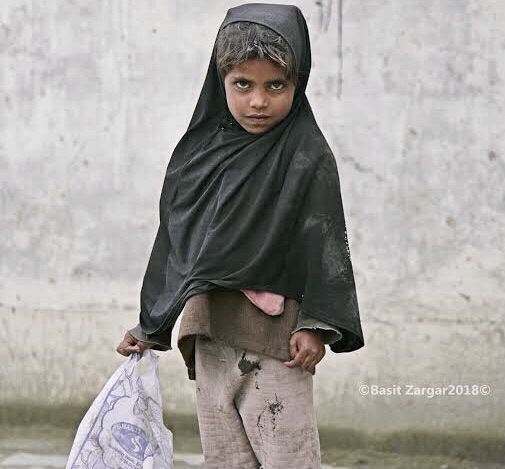
Muzaffarabad, Azad Kashmir: In the shadow of Azad Kashmir’s legislative promises to eradicate child labor, thousands of minors in the region’s capital, Muzaffarabad, remain trapped in exploitative work, while authorities, politicians, and NGOs turn a blind eye to their plight. Despite a 2020 law banning underage labor, children as young as six are seen toiling in hotels, auto workshops, markets, and garbage dumps, their futures sacrificed to poverty and systemic neglect.

A Law Ignored, A Crisis Unchecked

The Azad Kashmir Legislative Assembly outlawed child labor four years ago, prohibiting employment under age 16. Yet, the streets of Muzaffarabad tell a different story. Children scavenge through trash heaps for recyclables, hawk vegetables at intersections, and lug heavy water bottles at transport hubs. At upscale shopping malls, minors work as cleaners or helpers, their small hands scrubbing floors instead of holding books.

“My father died last year. I have to feed my mother and sisters,” said 12-year-old Ali*, sorting through rotting waste at a dumpster. His story echoes across the city, where inflation and unemployment force families to rely on child labor for survival.

Hypocrisy in High Places

While officials tout “merit and justice,” their own children attend elite private schools, shielded from the harsh realities faced by Muzaffarabad’s poor. The Education Department, despite grand claims of enrollment drives, has failed to integrate working children into schools. “No one from the government has ever visited this area to ask why these kids aren’t in classrooms,” said Rafiq Ahmed, a social worker in the Neelum Valley slums.

NGOs, too, face sharp criticism. Organizations receiving millions in international funds for child rights have reduced their efforts to hosting seminars in luxury hotels. “They take photos with banners, then disappear. Nothing changes for these children,” said local teacher Saima Khan.

Root Causes: Poverty and Political Apathy

With over 35% of Azad Kashmir’s population below the poverty line, families rely on children’s meager earnings—often less than $2 a day—to afford food. The region’s Prime Minister, Chaudhry Anwar ul Haq, has repeatedly pledged to “uplift the marginalized,” yet activists accuse his administration of indifference. “How can the PM not see these children? They’re invisible to those in power,” said rights advocate Zahra Abbas.

Calls for Action Grow Louder

As international bodies like the ILO press Pakistan to comply with child labor conventions, Muzaffarabad’s crisis highlights a broader failure. “Laws exist only on paper. Without enforcement, poverty will keep fueling this cycle,” argued economist Dr. Faisal Malik.

For now, the streets of Muzaffarabad remain a grim tableau of lost childhoods—a crisis met with silence from those tasked to end it.

The Azadi urges authorities to prioritize child welfare audits and accountability for NGOs misusing funds. Follow our ongoing coverage of labor rights in the region.

Name changed to protect identity.
Context for International Readers:

  • Azad Kashmir: A region administered by Pakistan, distinct from Jammu and Kashmir, which is disputed between India and Pakistan.
  • ILO Conventions: Pakistan ratified the International Labour Organization’s Minimum Age Convention (No. 138) in 2006, legally binding it to eradicate child labor.

Diamer Bhasha Dam Protesters Launch “Haq Do Dam Banao” Movement, Issue 24-Hour Ultimatum After Blocking Karakoram Highway

0

Special CorrespondentMonday, 18 February

Chilas, Gilgit-Baltistan: Thousands of protesters from communities affected by the Diamer Bhasha Dam project staged a massive sit-in on the Karakoram Highway on Sunday, issuing a 24-hour ultimatum to authorities to address their demands or face escalated actions. The demonstration, organized under the banner of the “Haq Do Dam Banao” (Give Rights, Build the Dam) movement, marks a boiling point in years of grievances over land compensation, employment rights, and alleged corruption tied to the mega hydropower project.

Led by religious scholar Moulana Hazratullah, over 10,000 protesters—including tribal leaders, youth groups, clerics, and politicians—marched through Chilas, chanting slogans against the Water and Power Development Authority (WAPDA) and local administration. The crowd later blocked traffic at Babusar Pass, a critical segment of the Karakoram Highway, demanding immediate action on a 31-point charter of demands.

Key Demands and Tribal Solidarity

Moulana Hazratullah outlined three core grievances:

  1. Halt construction on the dam until demands are met.
  2. Replace non-local WAPDA employees with residents from Diamer.
  3. Permanent jobs and notifications for local daily-wage workers currently employed at the dam site.

Tribal leaders amplified these calls, with Thak Tribe chief Ziaullah Thakvi accusing WAPDA of seizing 18,000 acres of land without compensation. “Diamer’s land belongs to its people. WAPDA must pay for what it took,” he declared. Batokhel Tribe President Raj Muhammad warned, “The people are awake now. This movement is at a decisive turning point.”

Corruption allegations also took center stage. Lawyer Wali Advocate demanded the suspension of officials involved in embezzling funds from the “Chulha Package”—a resettlement initiative meant to provide displaced families with household essentials. “If no corruption occurred, distribute the stoves immediately,” he challenged.

Political Backing and Ultimatum

Gilgit-Baltistan’s Agriculture Minister Engineer Muhammad Anwar and Forests Advisor Haji Shah Baig expressed solidarity with protesters, urging WAPDA to “correct its priorities” and address public demands. Meanwhile, Moulana Hazratullah warned of “Plan B”—a cryptic but severe escalation—if the government fails to act within 24 hours.

United Front Amid Tensions

Protesters showcased rare unity, with rival tribes postponing internal disputes to focus on the movement. Shopkeepers shuttered businesses in solidarity, while participants swore an oath on the Quran to uphold their resolve. “We are not against the dam, but we will fight for our rights,” emphasized speakers, referencing the 31-point charter that includes calls for fair land compensation and transparency in hiring.

Context and Implications

The Diamer Bhasha Dam, a cornerstone of Pakistan’s energy strategy, has long been mired in disputes over displacement and resource allocation. Sunday’s protest underscores deepening mistrust between local communities and state institutions. With the Karakoram Highway—a vital trade artery to China—now partially blocked, authorities face mounting pressure to negotiate.

Kashmir Independent News will monitor developments as the ultimatum deadline approaches.


Note for International Readers:

  • WAPDA: Water and Power Development Authority, a Pakistani government agency responsible for water and power projects in Gilgit Baltistan.
  • Chulha Package: A resettlement initiative providing households with essentials like stoves (chulha), allegedly marred by corruption.
  • Karakoram Highway: A 1,300 km road linking Gilgiti Baltistan-Pakistan to China, crucial for regional trade and connectivity.

Multiple Organ Failure Claims Polo Horses at Lahore’s Horse and Cattle Show 2025; Teams from Chitral, Gilgit-Baltistan Grieve

0

Gilgit: A tragic incident unfolded during the Horse and Cattle Show 2025 in Lahore, where several polo horses from teams representing Chitral and Gilgit-Baltistan collapsed due to severe health complications, sparking grief and concern among polo enthusiasts.

The Chitral A Polo Team, led by internationally renowned former player Shahzada Sikandar Malik, suffered significant losses after two of their horses died and five others were critically ill. The horses had participated in a buzkashi (traditional Central Asian equestrian sport) event and a friendly polo match the previous day. Simultaneously, the Karakoram Polo Club of Gilgit-Baltistan, led by SP Muhammad Ali, reported two of their horses in grave condition.

Deputy General Secretary of the Gilgit Polo Association, Hashir Iqbal, confirmed the incident occurred late Sunday night following the matches. “This is a heartbreaking situation. Immediate measures were taken by Punjab government authorities, with veterinary teams working round-the-clock,” he stated. The provincial government has pledged financial compensation and support to the affected teams.

Autopsy reports cited multiple organ failure triggered by extreme physical stress and dehydration as the primary cause. Experts also suggested a potential virus transmission among the animals. “The horses endured consecutive high-intensity events, leading to unprecedented physiological strain,” Iqbal explained, dismissing social media speculation about foul play as “baseless rumors.”

The deaths have sent shockwaves through northern Pakistan’s polo communities, with fans mourning the loss on social media. While many expressed anguish, others questioned event management protocols.

Hashir Iqbal, also serving as Additional General Secretary of the Gilgit-Baltistan Polo Association, emphasized the need for stricter veterinary oversight during tournaments. “We urge organizers to prioritize animal welfare to prevent such tragedies,” he added.

Investigation into the virus theory remains ongoing. The incident has reignited debates about balancing traditional sports with modern animal care standards in regional competitions.

The Azadi Times will continue monitoring developments.

Kashmiri Student Arfa Arshad Wins Bronze at Prestigious Singapore Science Competition

    0

    Rawalakot’s Young Prodigy Proves Kashmir’s Youth Can Shine Globally with Opportunity and Determination

    Rawalakot, Azad Kashmir: In a remarkable feat that has filled the Jammu Kashmir with pride, Arfa Arshad, a brilliant student from Rawalakot’s Palm Tree School, secured third place and a Bronze Medal at the prestigious International Science Competition hosted by the National University of Singapore (NUS). Her achievement not only highlights her extraordinary talent but also underscores the untapped potential of Kashmiri youth on the global stage.

    A Triumph of Talent and Tenacity

    Arfa Arshad’s journey to international acclaim began with her groundbreaking project in the fiercely competitive science event, which drew participants from top institutions worldwide. Her innovative research and presentation earned her a podium finish, making her one of the few students from conflict-affected regions like Kashmir to achieve such recognition.

    “This medal is not just my victory; it is a testament to what Kashmiri students can accomplish when given the right opportunities,” Arfa said in an exclusive statement. “I hope my story inspires other girls in Kashmir to dream big and break barriers.”

    Kashmir’s Rising Stars

    Arfa’s success has sparked celebrations across educational institutions in Kashmir, with educators and activists hailing her as a role model for a new generation. Her school, Palm Tree School, expressed immense pride in her accomplishment. Principal [Name] stated, “Arfa’s dedication and brilliance embody the spirit of Kashmiri youth. This achievement proves that talent knows no boundaries, even in regions facing adversity.”

    The win has also reignited discussions about the need for greater investment in STEM (Science, Technology, Engineering, and Mathematics) education and infrastructure in Kashmir. Local leaders argue that empowering students like Arfa with resources and exposure could unlock a wave of innovation and global recognition for the region.

    A Beacon of Hope

    Arfa’s story resonates deeply in Kashmir, where decades of instability have often overshadowed the aspirations of its youth. Her success sends a powerful message: Kashmir’s children are ready to compete globally if provided with platforms to showcase their abilities.

    Social media platforms in Kashmir are flooded with congratulatory messages, with users calling her a “daughter of the soil” and a “symbol of resilience.” Many hope her achievement will pave the way for international collaborations and scholarships for Kashmiri students.

    Looking Ahead

    Arfa Arshad’s triumph is more than a personal milestone it is a rallying cry for Kashmir’s educational revival. As she prepares for future challenges, her eyes are set on contributing to scientific advancements while uplifting her community.

    “I want to use science to solve real-world problems, especially those faced by people in mountainous regions like ours,” she shared. “This is just the beginning.”

    Editorial Note:
    The Azasi Times celebrates Arfa Arshad’s historic achievement and reaffirms its commitment to spotlighting stories of resilience, talent, and hope from the region. Together, we believe in a future where Kashmir’s youth lead the way in global innovation.

    Kashmir’s Hospitality Industry Through the Lens of a Local Newsroom

    0

    As dawn breaks over Dal Lake, Srinagar’s iconic houseboats creak to life. The scent of saffron-infused Kahwa wafts through walnut-carved corridors, while hoteliers trade stories of a season shaped as much by geopolitics as by snowfall. Kashmir’s hotels often reduced to SEO-driven lists of “top 5-stars” and “best views” are, in reality, microcosms of the valley’s resilience, contradictions, and cultural pride. At The Azadi Times, we’ve spent years documenting this evolving narrative. Here’s what guidebooks won’t tell you.

    The Reinvention of Srinagar’s Heritage Stays

    Srinagar’s houseboats, once symbols of romantic escapism, now grapple with 21st-century demands. Take the New Gulistan houseboat, owned by the Dar family since 1947. Last year, they installed solar panels and partnered with local women to weave organic linen bedspreads. “Tourists today want Wi-Fi and authenticity,” says owner Aatif Dar. “But how do you market that?”

    Nearby, a new wave of boutique hotels is redefining tradition. The Kashmir Edit, a 10-room property in a restored 19th-century haveli, offers calligraphy workshops with Sufi scholars and farm-to-table dinners featuring lotus stem curries. “We’re not selling rooms; we’re selling immersion,” explains manager Laila Wani. Yet, these innovations exist alongside exploitation: Some heritage hotels inflate prices by 200% during peak months, capitalizing on Kashmir’s “bucket-list” allure.

    Gulmarg’s Ski Hotels: Luxury and Survival at 8,800 Feet

    When the Gulmarg Gondola ferries skiers to Mount Apharwat’s summit, few notice the staff at hotels like The Khyber Himalayan hauling supplies via sled during blizzards. “Last winter, we ran out of diesel for generators,” recalls chef Arif Malik. “We cooked Rogan Josh over wood fires guests loved it, but it’s not sustainable.”

    The paradox of Gulmarg’s hospitality is stark:

    • The Elite: Ski-in/ski-out resorts charging $100/night, frequented by Bollywood stars and foreign diplomats.
    • The Invisible: Migrant workers from the Indian States Bihar and Nepal, are paid $5/day to clear snow, often without proper gear.

    Meanwhile, smaller properties like Hotel Hilltop pivot creatively. Off-season, they host climate researchers studying Kashmir’s vanishing glaciers. “We’re more than a ski stop,” says owner Faisal Bhat. “We’re a basecamp for understanding this ecosystem.”

    The 5-Star Mirage: Who Defines Luxury in Kashmir?

    International chains like Taj Vivanta dominate search results for “5-star hotels in Kashmir,” but their metrics rarely align with local realities. A 2023 survey by the Srinagar Hospitality Association found:

    • 68% of “luxury” hotels import over 50% of their food, despite Kashmir’s agricultural wealth.
    • Only 12% employ more than 30% of local staff in managerial roles.

    Contrast this with The Chinar, a family-owned hotel in Pahalgam. Their “5-star” experience includes guided hikes with Gujjar shepherds and a “zero-mile menu” featuring trout from the Lidder River. “Luxury here means connection, not champagne,” says owner Hina Shah.

    The Rise of Rebel Stays: Homestays Rewriting the Rules

    In villages like Aru and Yusmarg, a quiet revolution brews. Farmers-turned-hosts like Rafiq Rather open their apple orchards to travelers, offering rooms for $5/night with meals cooked by his wife, Zahida. “City agencies promised to ‘list’ us for $3000/year,” he says. “We refused. Our guests find us through WhatsApp and word-of-mouth.”

    These homestays fill critical gaps:

    • Cultural Preservation: Guests learn Phirki (traditional fire-making) and walnut oil extraction.
    • Economic Equity: 90% of earnings stay within the village versus 30% at commercial hotels.

    Yet, they battle invisibility. “Google’s algorithms favor paid ads,” notes travel blogger Anika Rao. “The real Kashmir gets buried under SEO.”

    The Climate Crisis: Kashmir’s Hotels on the Frontlines

    In 2021, unprecedented rains flooded 60% of Srinagar’s houseboats. Owners like Majid Banday now partner with hydrologists to design floating wetlands that stabilize water levels. “Dal Lake isn’t just our workplace—it’s our ancestor,” he says.

    Meanwhile, Gulmarg’s hotels face a snowless future. A 2022 IPCC report predicts Kashmir’s winter season could shrink by 40% by 2050. Properties like Snowpeaks Resort now diversify with summer foraging tours and astrotourism packages. “We’re preparing for a time when skiing is nostalgia,” admits manager Irfan Lone.

    Top Hotels in Kashmir

    This curated list goes beyond generic rankings to spotlight the best hotels in Kashmir with prices in USD, verified reviews, and unique features. Designed for discerning travelers, it balances luxury, culture, and affordability while respecting the geopolitical nuances that shape Kashmir’s tourism.

    Best Hotel in Kashmir List with Prices, Features, Location and Reviews

    Hotel NameLocationStarting Price (USD)Google RatingKey Features
    The Khyber Himalayan Resort & SpaGulmarg$333+4.4★Ski-to-door access, heated infinity pools, luxury spa, and views of the Pir Panjal Range 217.
    Vivanta Dal ViewSrinagar$267+4.7★Panoramic Dal Lake views, infinity pool, spa, and modern Kashmiri architecture 1517.
    The Lalit Grand PalaceSrinagar$293+4.5★Restored Maharaja’s palace, indoor pool, Rejuve Spa, and proximity to Mughal Gardens 1517.
    Hotel Heevan PahalgamPahalgam$120+4.2★Lidder River views, serene mountain-facing rooms, and traditional Kashmiri hospitality 217.
    WelcomHotel Pine-n-PeakPahalgam$160+4.7★Riverside location, adventure activities (rafting, trekking), and spa services 217.
    Grand Mumtaz ResortsSrinagar$107+4.4★Proximity to Dal Lake, outdoor pool, and blend of traditional and modern design 17.
    Comrade InnSrinagar$67+3.9★Budget-friendly, near Dal Lake and Mughal Gardens, modern amenities 2.
    Wangnoo HouseboatsDal Lake, Srinagar$50+4.0★Authentic houseboat stay with lotus-filled lake views and Kashmiri cuisine 2.
    Hotel Glacier HeightsSonamarg$40+4.3★Ideal for trekkers, organizes rafting and camping, budget-friendly 2.
    Pine Spring ResortGulmarg$120+4.2★Near Gulmarg Gondola, mountain views, and adventure-friendly facilities 17.

    Why Journalism Matters in Tourism

    Most “hotels in Kashmir” lists are crafted by affiliate marketers chasing commissions. At The Azadi Times, our approach is different:

    1. Ethical Audits: We visit properties unannounced, checking for fair wages and eco-certifications.
    2. Local Voices: Housekeepers, chefs, and drivers not PR teams shape our reviews.
    3. Long-Term Tracking: We exposed a Srinagar hotel chain dumping waste into Dachigam National Park in 2022; they’re now under investigation.

    Rethinking the “Best” Hotel

    Kashmir’s hospitality industry isn’t a checklist of amenities it’s a living dialogue between tradition and crisis, profit and preservation. The “best” hotel might be the homestay teaching kids to replant saffron crocuses or the ski lodge funding glacier research. As you plan your journey, ask not just “Where should I stay?” but “Whose Kashmir am I supporting?”