Monday, March 30, 2026
12.1 C
Srinagar
Home Blog Page 129

Call for Reopening All Entry Points for Trade and Unity of Kashmiris Across LoC

0

Kotli: Shaukat Nawaz Mir Addresses Kotli Traders Convention in Kotli, Azad Jammu & Kashmir (Pakistan administered Kashmir) In a bold and impassioned address at the Traders Convention in Kotli

Shaukat Nawaz Mir, the Secretary-General of All Azad Jammu & Kashmir, Chairman of the Central Traders Association Muzaffarabad, and Core Member of the Jammu & Kashmir Joint Public Action Committee, called for the reopening of all entry points along the Line of Control (LoC) to foster unity and trade between Kashmiris on both sides of the divide.

Mir underscored the urgent need to break down barriers that have long separated families, communities, and economies in the region. “The time has come to prioritize the well-being and prosperity of the Kashmiri people by enabling cross-border interaction and trade,” he stated.

https://youtu.be/baeLWLDNH9c?si=2_R_JLmdw6wVdOw7

Saiyan Sakhi Saheli Sarkar: A Luminous Chapter of Spiritual Grandeur

0


Tribute by: Zamir Ahmed Naz

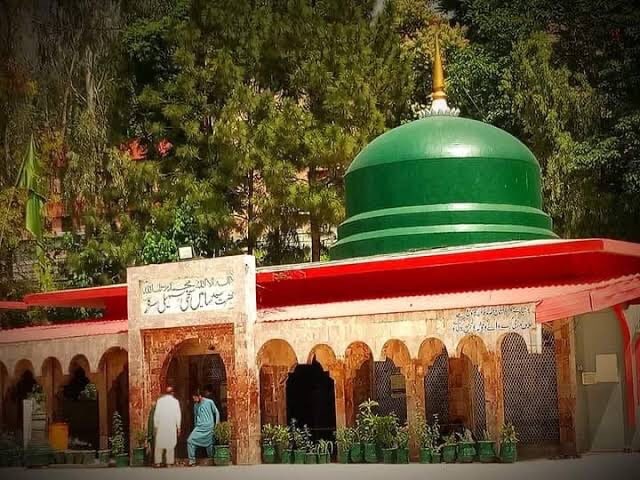
Nestled in the heart of Muzaffarabad, the capital of Azad Jammu & Kashmir, the sacred shrine of Saiyan Sakhi Saheli Sarkar stands as a beacon of spiritual blessings and devotion. Every year, thousands of devotees visit this revered site, seeking solace and spiritual fulfillment. This year marks the 125th annual Urs celebration, a vibrant testament to the enduring legacy and profound teachings of Saiyan Sakhi Saheli Sarkar.

Saiyan Sakhi Saheli Sarkar is among the esteemed Sufi saints who championed the message of love, peace, and humanity. Historical records trace his origins to the 19th century. His given name was Syed Zulfiqar, and as documented in Tazkira-e-Auliya-e-Kashmir, he hailed from Gurdaspur in present-day India. Around 1890, he journeyed to Muzaffarabad via the Hazara region while in a state of spiritual ecstasy. The local populace affectionately conferred upon him the titles “Sakhi” (generous) and “Saheli” (companion), reflecting his boundless generosity and empathetic companionship with those in need.

The shrine is not just a center of spirituality but also a significant part of Muzaffarabad’s rich cultural and historical fabric. When Saiyan Sakhi Saheli Sarkar arrived, Muzaffarabad was a remote village in Kashmir. Over the years, the shrine has become a unifying space where people gather annually to participate in Sufi rituals such as Qawwali, Dhamaal, and Zikr, showcasing a profound connection that transcends worldly barriers.

Saiyan Sakhi Saheli Sarkar’s teachings emphasized unity, love, and peace. His philosophy revolved around the belief that serving humanity is the highest form of worship. His humility and spiritual depth profoundly influenced people, making him a guiding light for individuals across all social strata.

The 125th annual Urs is being celebrated with grandeur and fervor. The three-day event features a variety of spiritual and cultural activities, including performances by renowned Qawwals delivering mystical verses. A free communal meal (Langar) is generously distributed among devotees, symbolizing the saint’s legacy of charity and kindness. The shrine is adorned beautifully, offering an atmosphere of tranquility and spiritual rejuvenation. The Department of Auqaf, Azad Kashmir, oversees all arrangements, ensuring smooth operations during the festivities.

Saiyan Sakhi Saheli Sarkar’s shrine has played a vital role not just in religious but also in social domains. It promotes interfaith harmony and humanity, values that are particularly crucial in the current socio-political climate of Azad Kashmir. The shrine serves as a reminder of the timeless wisdom and inclusivity that Sufi saints embody.

The shrine is not merely a mausoleum but a sanctuary of spirituality, love, peace, and humanitarian values. The saint’s message continues to resonate in the hearts of many, and his Urs is a powerful reminder of the enduring relevance of spiritual teachings. For the people of Muzaffarabad and devotees from around the globe, this shrine remains a sacred haven.

Despite the profound significance of this spiritual event, those unfamiliar with its historical and spiritual dimensions may fail to grasp its importance. Critics who trivialize or misconstrue the celebrations reflect a lack of understanding and appreciation for the rich heritage and deep-rooted values embodied by the shrine.

The 125th Urs of Saiyan Sakhi Saheli Sarkar is not merely a commemoration but a celebration of a legacy that has enriched countless lives. It calls upon humanity to embrace the virtues of compassion, unity, and selflessness, teachings that are more relevant today than ever.

Viral Image of Indian Fighter Jet Near Line of Control Sparks Debate on Social Media

0

Neelum: An image showing an Indian fighter jet flying near the Line of Control (LoC), dividing Pakistani and Indian-administered Kashmir, has gone viral on social media in the last two days. Social media users are sharing their reactions and comments about the image.

The photograph was posted by Amiruddin Mughal, a journalist from the Neelum Valley in Pakistan-administered Kashmir, on his Facebook and X (Twitter) accounts. The image captured a unique scene: after the fighter jet flew near the LoC, the heat from the engine caused a white streak and a circle to form in the clouds, resembling steam.

In his tweet, Amiruddin Mughal wrote: “On January 10, 2025, above the Neelum Valley, near the LoC, after an Indian fighter jet circled over Bumla and Shaheen Top, a steam design appeared. The Indian jet appeared and vanished in seconds.”

This tweet was reposted by renowned Pakistani journalist Hamid Mir, who wrote in English: “Maybe Republic Day exercise.”

Social media users have shared various comments in response to the tweet, with some questioning whether the flight violated the LoC. In response to these concerns, Amiruddin Mughal clarified in a follow-up tweet that the Indian jet was flying near Bumla Top, which is under Indian control and was on the other side of the LoC. He confirmed that various sources had verified this information, and emphasized that his initial tweet did not suggest a violation of the LoC.

“On January 10, for a few seconds, the Indian fighter jet observed from the Neelum Valley was flying over Indian-controlled Bumla Top, just beyond the LoC,” Mughal tweeted. “Various sources have confirmed this. The impression given by some circles that it violated the LoC is not accurate.”

When Help is Too Far: The Heartbreaking Story of a Woman’s Untimely Death in Kashmir’s Remote Villages

0

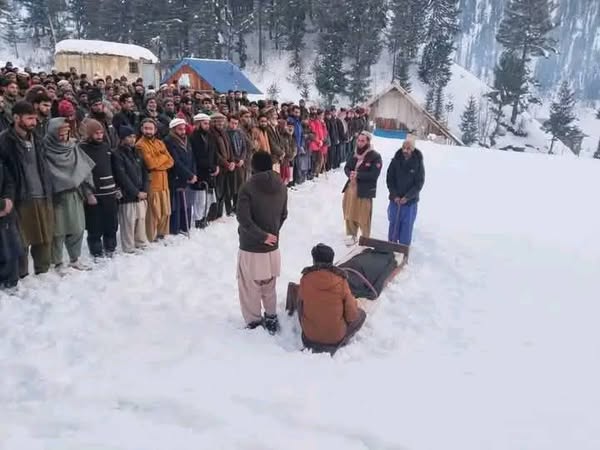
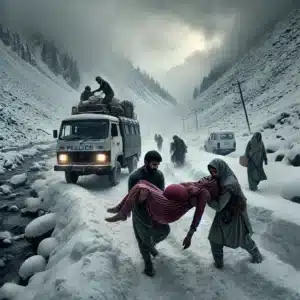
“Our pregnant women are dying on the roads. We are like prisoners,” said Bashir Ahmad, a resident of Helmat village in the upper region of Union Council Grace in the Neelum Valley of Pakistan-administered Kashmir. His younger brother, Abbas’s wife, passed away on January 11, 2025, when she was being carried over a snow-covered road to the hospital.

Abbas, the deceased woman’s husband, in a brief conversation with (K News), said, “I do not blame anyone for my wife’s death; it was just God’s will. However, I urge the government to provide health facilities here so that no other pregnant woman dies in the same manner as my wife.”

Bashir Ahmad stated that the local health department’s hospital in Helmat had no staff that day. Therefore, they were taking the woman to the army’s medical center when she passed away at around 8:00 AM, just near the hospital. He further explained that the community midwife from the Public Health Department, Shahida, had visited the woman the previous night and made every effort to care for her.

Bashir Ahmad added, “The road has less than a foot of snow, and the government has not been able to clear it for the past two weeks. If the road had been open, we could have taken my sister-in-law to the hospital in a car. After this incident, a machine has been put in place to clear the road.”

In contrast to the relatives’ version, the community midwife, Shahida, offered a different account. According to Shahida, when she reached the woman that night, the woman was unconscious and unresponsive. Shahida said that the woman was taken to the Pakistan Army’s medical center at 7:00 AM, where the doctor declared her dead. Shahida confirmed that she was present at the time.

The Azadi Times has provided a visual representation of this incident with the help of AI, offering a clear depiction of the event.

Shahida further shared with The Azadi Times that the deceased woman was having her seventh child, with four surviving children and two previous deaths. Shahida also mentioned that during a previous delivery at the hospital, the woman had been advised to take extra precautions and attend regular check-ups, but this was not done. There were no tests or ultrasounds, and the woman had a severe iron deficiency, which led to her death.

District Health Officer for Neelum District, Dr. Ghulam Nabi, stated that three days prior, a lady health worker, Zarina, had examined the woman and advised her to go to the hospital due to her anemia. However, the woman was not taken to the hospital. Dr. Ghulam Nabi also denied the claim that the hospital had no staff that day, stating that the woman was never brought to the hospital.

Shah Ghulam Qadir, a member of the Azad Kashmir Assembly from Neelum Valley, was contacted about his views. He mentioned that for the first time, the government, with the cooperation of the World Health Organization, had started work on constructing an RHC hospital building in Grace Valley to ensure better healthcare facilities.

However, the project was delayed due to extremely cold weather, snow, and harsh seasonal conditions. As soon as the weather improves, work will resume, and doctors, including gynecologists, will be appointed to the hospital. He also claimed that he had allocated funds for road improvement in Grace Valley. He criticized political opponents, especially a councilor from the Pakistan Tehreek-e-Insaf party, for using negative politics to defame his efforts.

Deputy Commissioner of Neelum District, Nadeem Janjua, told (K News) that a bulldozer machine was working to clear the road to Grace Valley. Despite the reduced snow this year compared to previous years, the cold weather had caused a thick layer of frost to form on the road, creating dangerous conditions. He explained that the exceptionally cold weather was the primary cause of the road’s poor condition.

Grace Valley, one of the most remote and underdeveloped areas in Pakistan-administered Kashmir, comprises two union councils. During winter, the roads often become inaccessible, creating major difficulties for people seeking medical treatment. The main road connecting this region is now 70% paved, and once completed, it will greatly help reduce the challenges faced by locals. The construction of the hospital is expected to alleviate healthcare difficulties in the region.

Located near the Line of Control, this area experiences a surge of tourists during the summer months. However, while it is a beautiful destination in the warmer seasons, the harsh winter brings severe challenges for the residents.

Smart City Project Srinagar: The Project of Modernization – Here’s What You Need to Know

0

Srinagar: The renowned Persian poet Amir Khusro once described the unparalleled beauty of Kashmir with the words, “If there is a paradise on earth, it is this, it is this, it is this.” At the heart of this paradise lies the crown jewel of Kashmir, the city of Srinagar. This historic city, with its timeless charm of gardens, lakes, and natural beauty, is now witnessing a significant transformation under the ambitious Srinagar Smart City Project.

The Srinagar Smart City Project in Indian administered Jammu Kashmir is part of the larger Smart City Mission launched by India’s Ministry of Urban Development. This initiative aims to rejuvenate and retrofit 100 cities across the country, creating urban hubs that provide core infrastructure, enhance the quality of life, and implement smart solutions for efficient service delivery and infrastructure improvement.

The Srinagar Smart City Project, with an investment of approximately $120 million USD, is designed to usher in a new era of modernization and sustainability for the city.

Major Objectives and Investments

The overarching goal of the Srinagar Smart City Project is to improve the livability, economic vitality, and sustainability of the city. Investments under this initiative aim to:

  1. Boost Tourism: As one of Jammu Kashmir’s top tourist destinations, Srinagar’s facelift is expected to draw more visitors, enhancing the local economy.
  2. Develop Infrastructure: Projects include reconstructing and repairing roads, improving parking facilities, and upgrading public utilities.
  3. Empower Local Artists: Initiatives focus on engaging local artists for the beautification of roadsides and public spaces.
  4. Enhance Connectivity: Introducing 5G networks and smart technologies to streamline information flow and connectivity.
  5. Generate Employment: The project aims to create job opportunities for local artisans, workers, and businesses.

Key Projects Underway

The transformation of Srinagar involves several key initiatives:

  1. Conservation of Historical Sites: Restoration work on iconic landmarks such as Shalimar Bagh, Nishat Bagh, and the Mughal Gardens is being undertaken to preserve their historical and cultural significance.
  2. Beautification of Public Spaces: Local artists have been roped in to beautify roadside areas with murals and artwork, adding a vibrant touch to the city’s landscape.
  3. Road Infrastructure: Damaged roadways in and around major markets have been repaired, easing accessibility and enhancing the shopping experience for both locals and tourists.
  4. Improvement of Waterways: The beautification of the Bund Riverside and the improvement of Jhelum Ghats aim to promote waterfront tourism and recreational activities.
  5. Sustainability Initiatives: Projects include the introduction of electric public transport, smart water and power meters, bio-toilets, bicycle-sharing services, and multi-level parking lots.
  6. Shrine Renovations: Conservation efforts have also focused on preserving shrines and other religious sites, maintaining their sanctity and cultural heritage.

Overcoming Challenges

Despite the harsh weather conditions of the region, the project has managed to maintain progress by adopting modern construction techniques and technologies. Roads and other infrastructures are being built to withstand the challenges posed by the cold climate, ensuring long-term durability.

Upcoming Developments

Currently, 34 projects are underway, with an additional 64 in the pipeline. Key upcoming initiatives include the development of sewerage connection networks, smart centers, and the introduction of advanced waste management systems.

One of the most significant technological advancements includes the establishment of a 5G network. Reliance Jio recently launched its True 5G services in Srinagar, inaugurated by Lieutenant Governor Manoj Sinha. The deployment of high-speed internet connectivity is expected to revolutionize communication and digital services in the city.

Impact on the Local Population and Economy

With a population of approximately 1.35 million, the residents of Srinagar are set to benefit significantly from the smart city initiatives. Improved infrastructure, enhanced public amenities, and a surge in tourism are projected to uplift the city’s socio-economic status. The influx of tourists will not only bolster the local economy but also contribute to the GDP of Jammu and Kashmir and, by extension, the nation.

The project has also revitalized the art and culture scene in Srinagar. Local artisans and craftsmen have been provided with opportunities to showcase their talents, preserving Kashmir’s rich heritage while contributing to the city’s aesthetic appeal.

Recent Updates

As of January 2025, several milestones have been achieved:

  • Completion of Key Projects: The Bund Riverside beautification and multiple shrine renovations have been completed, drawing praise from both locals and visitors.
  • Increased Tourism: The city witnessed a 25% increase in tourist arrivals in 2024 compared to the previous year, thanks to improved infrastructure and promotional campaigns.
  • Enhanced Urban Mobility: Electric buses have been introduced in select routes, significantly reducing carbon emissions and promoting sustainable travel.
  • Modern Parking Facilities: Multi-level parking lots in busy areas like Lal Chowk have eased congestion, making the city more accessible.

Looking Ahead

The Srinagar Smart City Project is not just about modernization; it’s about preserving the soul of the city while preparing it for the future. As work progresses, Srinagar is poised to set an example of how traditional heritage and modern technology can coexist harmoniously. For the people of Kashmir, this transformation is more than an infrastructural upgrade; it’s a step towards a brighter, more prosperous future.

With the completion of ongoing projects and the launch of new ones, Srinagar is well on its way to reclaiming its title as one of the most beautiful and livable cities in the world.

Kashmir Conflict: A Struggle for Territory and Identity

0

The Kashmir region, located in the northern part of the Indian subcontinent, has been a subject of intense geopolitical conflict for decades. The region is divided between three nations India, Pakistan, and China each claiming parts of the territory.

As it stands today, approximately 47% of Kashmir is controlled by India, 33% by Pakistan, and 20% by China. The dispute, which began shortly after the partition of India in 1947, has since escalated into multiple wars and continuous tension between the involved countries.

The Origins of the Conflict

To understand the root of the Kashmir dispute, one must go back to the partition of British India in 1947. The partition was based on religious lines, with Muslim-majority regions forming Pakistan and Hindu-majority regions joining India. However, the princely state of Jammu and Kashmir, which had a Muslim majority but a Hindu ruler, became a point of contention. The state’s ruler, Maharaja Hari Singh, was given the choice to join either India or Pakistan. In a bid to remain neutral, the Maharaja initially chose not to align with either country.

But when tribal forces from Pakistan invaded Kashmir in October 1947, the Maharaja sought military assistance from India. In return, India demanded that Kashmir accede to India. Thus, the princely state of Jammu and Kashmir officially joined India, which led to the first Indo-Pakistani war in 1947-1948.

The Line of Control and Continued Tensions

The United Nations intervened in 1949, creating the Line of Control (LoC), which divides the region into Indian-administered Kashmir, Pakistani-administered Kashmir, and the Chinese-controlled Aksai Chin. Despite this, Pakistan has continued to claim that Kashmir’s Muslim-majority population should be allowed to decide their future and thus should join Pakistan.

India, on the other hand, argues that the accession was legally binding, as it was signed by the Maharaja. Over the years, this dispute has led to numerous wars, military confrontations, and diplomatic standoffs between India and Pakistan. The war of 1965, the Kargil conflict in 1999, and skirmishes along the LoC have resulted in significant loss of life, yet the situation remains unresolved.

The Kashmir Uprising and Militancy

In the late 1980s, the situation in Kashmir took a new turn. The election of 1987 in Jammu and Kashmir, where the ruling Indian National Congress party was accused of rigging the results, led to widespread protests. This led to a surge in militancy in the region. Local Kashmiris, inspired by the events in Afghanistan and the broader Muslim world, began to call for independence or union with Pakistan.

Pakistan, already sympathetic to the cause of Kashmiri separatism, provided assistance to the insurgents. This led to the formation of various militant groups in the Kashmir Valley. The Indian government responded with force, deploying a large number of troops to quell the uprising. As a result, the conflict became deeply entrenched, with thousands of civilians killed, injured, or displaced.

The Nuclear Factor

In 1998, both India and Pakistan conducted nuclear tests, marking a new and dangerous phase in the Kashmir conflict. The possibility of a nuclear war over Kashmir became real, and the international community expressed concern over the rising tensions. Despite this, both countries continued to build up their nuclear arsenals, while Kashmir remained a focal point of their rivalry.

Major Incidents in the 21st Century

The conflict continued to evolve in the 21st century, with several major events shaping the course of the dispute. In 2001, the attack on the Indian Parliament by militants linked to Pakistan led to a significant military standoff between India and Pakistan. In 2008, a series of terror attacks in Mumbai, blamed on Pakistan-based militants, further strained relations between the two countries.

Editorial: The Unfulfilled Promise of Kashmir’s Right to Self-Determination

In Kashmir, the Indian government’s tactics became increasingly brutal, including the use of pellet guns against protesters and the imposition of curfews and restrictions. These measures, aimed at controlling the uprising, have left thousands of Kashmiris injured, many permanently disabled by the pellet gun attacks.

The 2019 Revocation of Article 370

In August 2019, the Indian government, led by Prime Minister Narendra Modi, revoked Article 370 of the Indian Constitution, which granted Jammu and Kashmir a special autonomous status. This move was controversial and sparked outrage in Pakistan, which saw it as an illegal annexation of Kashmir. The region was placed under a heavy security lockdown, with internet and communication services suspended and thousands of political leaders detained. The Indian government argued that the revocation would help integrate Kashmir more fully into India and bring economic development, but critics saw it as a move that could exacerbate the already volatile situation.

Human Cost of the Kashmir Conflict

Over the decades, the Kashmir conflict has led to immense human suffering. According to some estimates, more than 50,000 people have lost their lives since 1947, with thousands more injured or displaced. Human rights organizations have reported numerous violations, including extrajudicial killings, enforced disappearances, and torture.

Kashmiris, who have borne the brunt of this prolonged conflict, continue to face dire consequences. Young men and women are drawn into the militant cause, while others suffer from the psychological trauma of living in a conflict zone. The region has witnessed widespread displacement, with many Kashmiri Pandit families fleeing the valley in the 1990s due to threats and violence. Their return remains a contentious issue.

The Future of Kashmir

The future of Kashmir remains uncertain. With the ongoing military presence, the divided administration between India, Pakistan, and China, and the shifting geopolitical dynamics, it is difficult to foresee a resolution anytime soon. For Kashmiris, the desire for self-determination remains a powerful force, yet they continue to find themselves caught between competing national interests.

As the conflict continues, it is crucial for the international community to support efforts towards peace and dialogue. The voices of Kashmiris—on all sides—must be heard in discussions about their future. A lasting peace in the region can only come when all parties involved acknowledge the complex reality of the situation and work towards a solution that respects the rights and aspirations of the people of Kashmir.

The Kashmir conflict is not just a territorial dispute; it is a matter of identity, religion, and political aspirations. Its resolution will require significant diplomatic efforts, and the involvement of the international community. Until then, the region will likely continue to be a flashpoint of tension and conflict, with the people of Kashmir caught in the crossfire. The world must continue to watch closely and advocate for peace, stability, and justice in one of the most contentious regions of the world.

Can AI-Generated Content Be Monetized on YouTube? Understanding YouTube’s Policies for AI-Based Content

0

The rise of artificial intelligence (AI) has changed the way creators produce content, and platforms like YouTube are evolving to keep pace. Many creators are exploring the use of AI voices, images, videos, and scripts to produce high-quality content. However, a common question arises: Can AI-based content be monetized on YouTube? Let’s break down YouTube’s policies and what you need to know about monetizing AI-generated content on the platform.

AI in Content Creation: An Overview

AI is increasingly being used in YouTube content creation. Whether it’s generating AI voices, creating AI images, or even generating entire AI videos, AI tools are offering new possibilities for creators. However, there are certain important guidelines set by YouTube regarding content authenticity, originality, and value, which can affect monetization.

What Does YouTube Consider as “Original Content”?

YouTube values original content that provides value to its viewers. When AI is used, it should be to enhance or augment the creator’s work. For example, creators can use AI to generate images, videos, or scripts, but the overall content must include a personal input to qualify for monetization.

YouTube favors channels that produce high-quality content that delivers value to the audience. This means that AI can be used as a tool to enhance the content, but not to replace it entirely.

AI-Based Channels: What’s Allowed?

Some creators rely heavily on AI to produce their content. For instance, channels focusing on animated stories, history facts, kid stories, gadgets reviews, or even finance may use AI-generated scripts, AI images, AI videos, and AI voiceovers to create their content.

As long as these creators make personal contributions—even if it’s just 10-20%—they are generally able to monetize their content. For instance, if a creator generates a script using AI, they should make some adjustments, add their personal touch, and ensure the content is valuable for their audience.

When AI-Based Content Becomes Problematic

On the other hand, if a creator uses AI-generated content without any significant personal input, such as AI-generated music, AI-created videos, and AI voiceovers, this type of content may not pass YouTube’s guidelines for originality. Channels that simply copy-paste AI content without making meaningful changes could face difficulties with monetization.

For example, a channel that uses AI-generated music, paired with AI images or videos, but no personal input or voiceover, would likely be considered low-value content by YouTube. Channels that rely entirely on AI-generated content, without adding any creative effort, are at high risk of not being monetized.

Some examples of low-value content include:

  • Relaxing sounds channels created from AI-generated content.
  • Channels that use deepfake technology to create fake celebrity videos.
  • Nature videos with AI-generated animals or scenes without real scripting or voiceover.

YouTube’s Monetization Policy: The Role of Personal Input

A key factor in YouTube’s monetization eligibility is personal input. While using AI tools is permissible, personal input should still be significant enough for the content to be considered original. For instance, a creator might use AI to generate a script, but then add their own voiceover, edit the video, or make adjustments to improve the content.

YouTube values quality over the quantity of AI-generated content. If the creator is merely using AI to replicate existing content or produce something without any meaningful contribution, that content is likely to be considered low-quality. But if the AI is being used to enhance original work, then monetization becomes much more likely.

AI Voices: Important Considerations for Monetization

One important aspect of AI content creation is the use of AI voices. While AI voices can be a convenient tool for creators, YouTube does not allow the use of low-quality, robotic AI voices. For monetization purposes, creators must ensure that the AI voice used is of high quality, and it must not sound unnatural or overly robotic.

Creators should avoid using free, low-quality AI voices in their videos. Instead, it is recommended to use premium AI voice platforms like 11Labs or Murph AI, which offer high-quality, realistic AI voices. By using such platforms, creators can ensure that their content sounds professional and meets YouTube’s quality standards.

If you are using AI voices for multiple videos, don’t worry—reusing the same AI voice across different videos is perfectly fine. In fact, it can help your audience identify your content more easily. But make sure the content remains original and engaging.

Free AI Voices: A Risk for Monetization

Although many creators are tempted to use free AI voice tools, this can put your monetization at risk. Free AI voices are often of lower quality, and they could be flagged for issues like copyright violations or reuse of content. This can lead to copyright strikes, which can prevent monetization or even result in channel termination.

For long-term success, creators should invest in paid AI voice services to ensure their content remains safe and monetizable.

The Role of AI in Content Enhancement, Not Replacement

AI should be used to enhance content rather than replace it. YouTube’s policies are clear: AI-generated content should be a supplementary tool used to improve the creator’s own original ideas and creative work. Channels that produce content solely with AI tools, without any personal touch, are at risk of being deemed non-original and may not be eligible for monetization.

Creators must ensure their content is not misleading or falsely presented as real-life events or real people when it is actually AI-generated. For instance, if a creator uses AI to generate a deepfake video of a celebrity, they must clearly mark it as AI-generated to avoid misleading the audience.

Marking AI-Generated Content: When to Use “Yes” or “No”

Creators using AI to generate content must mark their videos appropriately to inform the audience whether the content is AI-generated. For example:

  • If the video includes deepfake contentAI-generated scripts, or recreated historical events that never happened, the creator must mark the video as “Yes” to indicate that AI was used.
  • For completely fictional content, like animated stories or videos with AI-created animals, creators should mark it as “No” since the content does not involve any real events or people.

Marking content accurately helps ensure that the audience is not misled and maintains trust with the platform.

Conclusion: Safeguarding Your Monetization

In conclusion, AI-based content can be monetized on YouTube if the content meets the platform’s guidelines for originality, quality, and personal input. AI tools should be used as a way to enhance, not replace, the creator’s original work. Channels that rely solely on AI-generated content without meaningful personal contribution may face challenges with monetization.

To ensure success, creators should focus on producing high-quality, original content with a combination of AI-enhanced elements and personal contributions like voiceovers, editing, or scripting. Additionally, using premium AI voice platforms and accurately marking AI-generated content will help creators avoid issues with copyright and ensure that their content is monetized.

By following these guidelines, creators can harness the power of AI while maintaining YouTube’s monetization eligibility and building a sustainable channel for the future.

The Mysterious “Wow!” Signal: A 47-Year-Old Enigma in the Search for Extraterrestrial Life

0

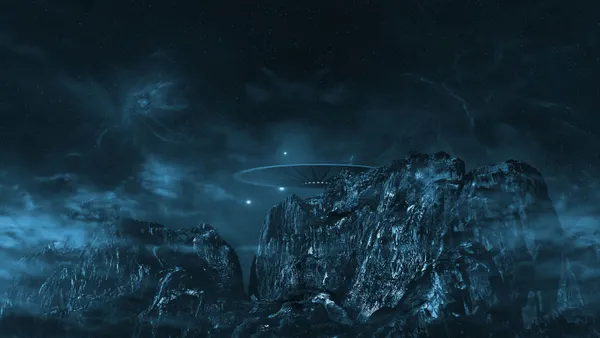
On the night of August 15, 1977, an unexpected event occurred at Ohio Wesleyan University that continues to baffle astronomers and scientists to this day. The Big Ear Radio Telescope, a 30-meter-wide reflector, detected a strange and powerful radio signal from the sky, sparking one of the greatest unsolved mysteries in the search for extraterrestrial intelligence (SETI).

At precisely 10:01 PM, the telescope captured a signal that was transmitted to an IBM 1130 computer for processing. What followed was a sequence of characters printed out on paper. Among the usual data was something unusual — a signal so intense that it immediately caught the attention of technician Jerry Ehman. He marked the signal with a red pen and wrote the word “WOW!” next to it. This marked the birth of what has since become known as the “Wow! Signal.”

What Made the Wow! Signal So Special?

For decades, scientists have speculated about the nature of the Wow! Signal. What made it stand out was not just its strength but its mysterious origin. The signal was recorded for a full 72 seconds, an unusually long duration compared to the typical signals detected by Big Ear, which usually lasted only a few seconds. More strikingly, it was detected at a frequency of 1420 MHz, a frequency known to be emitted naturally by hydrogen — the most abundant element in the universe.

In 1959, Cornell University physicists Philip Morrison and Giuseppe Cocconi had suggested that any advanced extraterrestrial civilization might use this exact frequency to communicate with Earth. Hydrogen’s natural emission line makes it a common reference point, and thus the 1420 MHz frequency became the “universal” choice for potential extraterrestrial communication.

The Wow! Signal fits this hypothesis perfectly.

Anomalous Characteristics: Could It Be Alien?

What made the Wow! The signal even more intriguing was its unusual intensity pattern. Normal signals detected by Big Ear would range between a value of 1 and 3, with a maximum of 4. However, the Wow! The signal started at a strength of 6, reaching as high as 30 — an intensity that suggested the signal was far more powerful than any typical cosmic or man-made signal.

Further, the signal was not detected on any other frequency band, except the 1420 MHz channel. If the signal had been a random natural event, such as cosmic interference, it would likely have been detected on multiple frequencies, and would not have shown such a strong, singular pattern. Additionally, the signal only occurred once — if it were due to a natural phenomenon, it would have been repeated.

A Galactic Mystery: Where Did It Come From?

Determining the origin of the Wow! Signal has been another challenge. The Big Ear telescope was equipped with two “feed horns” that scanned the sky in different directions. The Wow! Signal was only detected by one of these horns, not both, which makes pinpointing its exact location in the sky extremely difficult. Despite years of analysis, astronomers have only narrowed it down to the Sagittarius constellation, near the globular cluster M55, but the precise coordinates remain elusive.

In fact, the location is so ambiguous that the Wow! Signal could have come from multiple sources in the vicinity. However, the most compelling theory remains that it originated from a specific region within the Sagittarius constellation, an area rich in potential galactic objects.

Theories: Is It an Alien Message?

Over the years, multiple theories have emerged to explain the Wow! Signal. Some suggest it could have been the result of interstellar “twinkling” — a phenomenon where cosmic objects cause random fluctuations in radio signals as they travel through space. However, more sensitive telescopes, such as the Very Large Array (VLA), have never detected anything similar.

Another theory proposed that the signal could have originated from Earth itself, perhaps bouncing off a space object or asteroid before returning to the Big Ear telescope. Yet, scientists have discounted this hypothesis, as the signal’s strength would have diminished significantly by the time it returned, rendering it too weak to be detected.

More recently, some have suggested the signal may have come from a hydrogen cloud in space. In 2017, astronomer Antonio Pérez proposed that the signal could have emanated from two hydrogen clouds, known as TSS 266P and TSS 335P. However, no definitive evidence has supported this theory either.

Why Haven’t We Heard It Again?

One of the most perplexing aspects of the Wow! Signal is the fact that it has never been detected again. Despite numerous attempts by astronomers around the world, including the use of more advanced telescopes, no similar signal has been captured since 1977. This has led many to wonder: Was it a fluke? Or was it an attempt by extraterrestrial intelligence to make contact with humanity?

The lack of a repeat signal has only deepened the mystery. If it was a natural cosmic event, why hasn’t it occurred again? And if it was indeed a message from an alien civilization, why did it stop after just 72 seconds?

The Ongoing Search for Answers

As of today, the Wow! Signal remains one of the most intriguing and unsolved phenomena in the field of radio astronomy. It is still a topic of debate and investigation among scientists, many of whom believe that the signal may one day be understood — though not necessarily in our lifetimes. Some speculate that new discoveries in radio astronomy could eventually shed light on this enigma, while others suggest that it could simply remain a cosmic mystery.

In the 47 years since its detection, no other radio telescope has ever captured a signal quite like the Wow! Signal. Whether it was a message from an alien civilization, or a rare cosmic event, the mystery persists, leaving us to wonder: Are we alone in the universe?

Will we ever decode the message from the stars? Only time will tell.

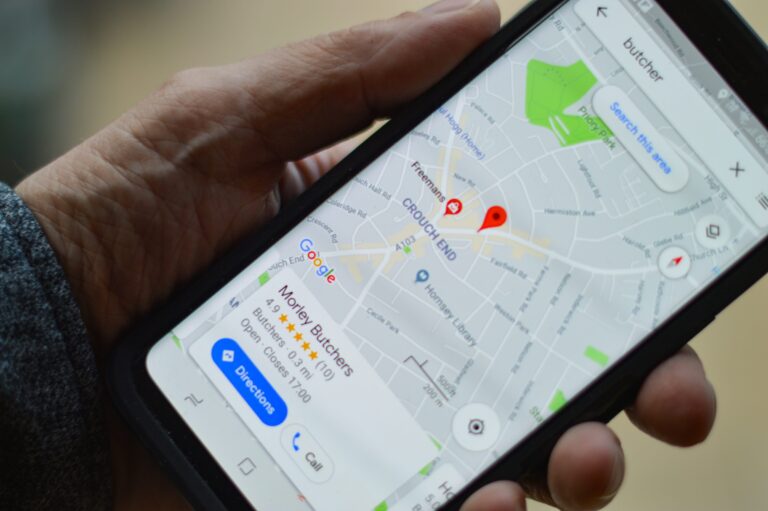
How to Start Making Money in 2025 Using Google Maps – A Step-by-Step Guide for Beginners

0

In 2025, there’s an incredible opportunity for anyone looking to earn money without needing technical skills, prior marketing experience, or a hefty investment. If you have a laptop, an internet connection, and access to Google Maps, you can start a simple and lucrative business from anywhere in the world.

This business model is one of the most overlooked yet incredibly powerful ways to generate income—especially for beginners. In this post, we’ll walk you through exactly how to use Google Maps to find businesses, offer them a simple solution, and start earning money every month.

The Simple Business Opportunity You’ve Been Overlooking

What if you could begin making money just by helping local businesses solve a simple problem using nothing more than Google Maps? Even if you’ve never made a single dollar online, this business model can work for you.

The beauty of this strategy is its simplicity. You don’t need a background in marketing, web development, or technical skills. All you need is a computer, an internet connection, and a willingness to follow a proven system. The best part? You don’t even have to worry about fulfilling the service yourself because the software does all the heavy lifting for you.

This isn’t a scam, nor is it a high-ticket coaching program. Instead, it’s a genuine business opportunity where you offer local business owners an affordable service that can help them gain more leads, close more deals, and improve their overall customer engagement.

How to Get Started: The First Step

The first step in this business model is identifying local businesses that could benefit from a simple service. These businesses could be anything from a plumber or an electrician to a chiropractor, hair stylist, or massage therapist. Essentially, any local business with a phone number on Google Maps is a potential client.

Here’s how to get started:

  1. Go to Google Maps and search for local businesses in your area. For example, you could type “plumbers in Dallas, Texas,” or “electricians in London.”
  2. Browse through the listings to find businesses that are highly rated but have no effective customer follow-up system in place. This is where you can offer value. According to statistics, around 62% of incoming calls to small businesses go unanswered. This happens because many small business owners are too busy with their daily work and don’t have the resources to answer every call.
  3. Identify the businesses that could benefit from improved customer communication. These are your ideal prospects.

The Solution You’re Offering: Auto Call & Textback Software

Once you’ve identified businesses that may be missing out on calls, it’s time to offer them a simple yet highly effective solution. The solution we’re talking about is called Auto Call & Textback. This service automatically follows up with potential customers via text if their call goes unanswered.

Here’s why this service is a game-changer:

  • Missed Calls = Lost Business: When a customer calls a business and doesn’t get an answer, they’re likely to move on to the next competitor. If a plumber misses a call, the potential customer will probably call another plumber. If a hair salon doesn’t pick up the phone, the customer will find another salon.
  • How Auto Call & Textback Works: With this service, if a potential customer calls and the business doesn’t answer, the software automatically sends a text message saying, “Sorry we missed your call, how can we assist you?” This keeps the conversation going and ensures that potential customers don’t just move on to another service provider.
  • Simplicity for the Business: The beauty of this service is that it’s incredibly simple to set up. Once you connect the business’s Google My Business listing to the software, it takes only a few clicks to enable this automated system. The business owner doesn’t have to worry about manually sending texts or monitoring phone calls.

Why This Business Model Works for You (And the Client)

Many small business owners understand the value of getting more leads and closing more deals, but they simply don’t have the time or resources to set up an automated system themselves. That’s where you come in.

For just $100-$200 per month, you can set up the Auto Call & Textback service for your client, and because it works 24/7, it keeps generating leads for them even when they are busy working or out of the office. As the service delivers results, clients will continue paying you monthly because it helps them close more deals, improving their revenue and ROI.

  • Why Charge Monthly?: The monthly fee is modest for the business owner, and it’s a service that delivers a clear return on investment. For example, if a business loses five clients a month due to missed calls, those five clients could have been worth hundreds or even thousands of dollars. The $100-$200 fee they pay you will more than pay for itself in terms of the new business they’ll gain from answering more calls.
  • Passive Income for You: The great thing about this business model is that once it’s set up, you don’t have to spend much time on ongoing maintenance. The software takes care of the heavy lifting, so all you need to do is check in occasionally, answer any client questions, and add more clients to your portfolio as you grow.

How to Close Your First Clients (Without Any Cost)

Now that you understand the basics of the service, let’s talk about how you can start acquiring clients for free. Here’s a step-by-step approach to getting your first customers:

  1. Reach Out to Local Businesses: Start by calling businesses that you find on Google Maps. Use a simple script to introduce yourself and offer the Auto Call & Textback service. For example:
    • “Hi, I’m [Your Name], and I noticed that your business has a great online presence, but I also saw that you might be missing out on important calls. I’d love to help you set up a system that automatically follows up with customers via text if they don’t get an answer.”
  2. Offer a Free Trial: To get your foot in the door, offer a free trial of the service. This gives the business owner the chance to see the value before committing to a monthly fee.
  3. Showcase Your Results: Once you’ve set up the system and the business starts seeing more leads, you can present these results to other potential clients as proof of how effective the service is.

Scaling Up: How You Can Earn More

Once you get the hang of setting up and fulfilling for clients, you can scale this business by adding more services on top of the Auto Call & Textback feature. Some examples of services you could offer include:

  • Review Generation: Help businesses get more reviews on their Google My Business page, which will boost their visibility and credibility.
  • Additional Lead Generation Services: Offer basic lead generation services like setting up social media pages or helping businesses get listed in local online directories.

As you add more clients and services, you can increase your monthly income. Imagine getting 10 clients paying you $100 per month—that’s $1,000 in passive income. If you scale this up to 100 clients, you could be earning $10,000 per month, all while working remotely from anywhere in the world.

Final Thoughts

This business model is one of the easiest and most profitable ways to start making money online in 2025. It’s beginner-friendly, doesn’t require any technical skills, and has the potential to generate consistent monthly income. With the power of Google Maps and a simple software solution, you can help local businesses grow and get paid for doing it.

If you’re interested in learning more about how to get started, sign up for the free course, templates, and scripts that can help you close your first clients and set up your business successfully. There’s no need to invest in expensive courses or coaching programs—this method is designed for anyone to succeed with minimal upfront investment.

To learn more about how you can start today and get access to all the training materials, click the link below.

Start your journey to financial freedom today by using the power of Google Maps to help local businesses thrive in the digital age!

The Essence of Gratitude, Worship, and Spiritual Resilience in Islam

In the hustle and bustle of modern life, we often overlook the profound spiritual lessons embedded in the actions and sayings of the Prophet Muhammad (peace be upon him), his companions, and the revered figures of Islamic history. These lessons not only serve as a source of guidance but also remind us of the importance of gratitude, devotion, and connection with the Divine. This blog delves into timeless lessons of worship, reliance on Allah, and the importance of gratitude in the life of a believer.

The Prophet’s Devotion and Gratitude

The Prophet Muhammad (peace be upon him) was an embodiment of devotion to Allah. Sayyida Aisha (may Allah be pleased with her) narrated an incident that exemplifies his unwavering commitment to worship. She reported how the Prophet would stand in prayer for long hours, to the extent that his blessed feet would swell. Despite his past and future sins being forgiven, as mentioned in the Quran, he would tirelessly engage in prayer and supplication. When Sayyida Aisha asked why he exerted himself so much, he replied with humility:

“Should I not be a grateful servant?”

This response encapsulates the essence of gratitude in Islam. Gratitude is not only verbal acknowledgment but also manifests in our actions, such as prayer, charity, and kindness to others. For Muslims, this gratitude extends to being chosen as followers of the Prophet.

Reviving Spiritual Practices: Small Acts with Big Rewards

The Prophet Muhammad (peace be upon him) emphasized simple acts of worship that carry immense rewards. Among them is the recitation of “A’oozu billahi Sami’il Aleem” three times in the morning and evening, along with the last three verses of Surah Al-Hashr. According to a hadith in Tirmidhi, whoever recites these in the morning will have 70,000 angels making dua for their forgiveness until evening, and if they recite them in the evening, the angels will continue to pray until morning.

These practices, while small in effort, hold tremendous spiritual value and serve as a shield against worldly worries. The simplicity of these actions makes them accessible to all believers, regardless of their circumstances.

The Power of Tahajjud

One of the most intimate forms of worship is Tahajjud, the voluntary night prayer. The Prophet (peace be upon him) described it as a time when Allah descends to the lowest heaven and asks:

“Who is calling upon Me so I may respond? Who is asking of Me so I may give? Who is seeking My forgiveness so I may forgive them?”

The significance of Tahajjud lies in the quiet solitude of the night, when the world is asleep, and a believer stands in humility before their Creator. It is a time for self-reflection, supplication, and seeking closeness to Allah. The Prophet (peace be upon him) said that Allah smiles at those who rise for Tahajjud, showing His pleasure in their dedication.

Reliance on Allah: A Story of Faith

Reliance on Allah (tawakkul) is a cornerstone of the Islamic faith. A poignant story highlights this concept. A man, struggling with poverty, went out in search of work but found none. Instead of despairing, he decided to dedicate his time to worship. Using a simple cloth as a prayer mat, he prayed under the scorching sun. Despite having nothing to bring home, he filled his clothes with sand, thinking his wife would at least feel comforted by the sight of something brought back.

Upon reaching home, he found his wife preparing food and the house filled with provisions. Astonished, he asked her where it all came from. She replied that she had no idea but expressed gratitude for the unexpected blessings. When they looked at the cloth filled with sand, it had turned into gold and jewels—a testament to the miraculous blessings of Allah for those who place their trust in Him.

This story serves as a reminder that Allah is the ultimate provider. He tests His servants, but those who remain steadfast in their reliance on Him are rewarded in unimaginable ways.

Seeking from Allah Alone

The Prophet (peace be upon him) advised believers to turn to Allah alone for their needs, even for something as small as salt. A hadith in Tirmidhi beautifully captures this:

“When a servant raises their hands in supplication, Allah feels shy to return them empty-handed.”

This divine generosity emphasizes the importance of dua (supplication) in a believer’s life. Rather than seeking help from others, the Prophet encouraged reliance on Allah, as human relationships often come with conditions, but Allah’s mercy is unconditional.

Lessons from the Companions

The companions of the Prophet (peace be upon him) also exemplified faith, humility, and devotion. Sayyiduna Abdullah ibn Umar (may Allah be pleased with him), a son of the second caliph Umar ibn al-Khattab, was known for his piety. Despite his closeness to the Prophet, he was advised to improve his spiritual practice by waking for Tahajjud. This advice is a reminder that no matter how righteous one becomes, there is always room for improvement in one’s relationship with Allah.

Gratitude and Spiritual Independence

Gratitude is not only about thanking Allah but also about freeing oneself from dependence on worldly possessions and relationships. When a believer truly relies on Allah, they no longer seek validation or support from others. This spiritual independence fosters a sense of dignity and self-respect.

The story of Bahlool Dana, a wise figure of Islamic tradition, illustrates this beautifully. When confronted by the caliph Harun al-Rashid, who offered to fulfill any of his needs, Bahlool responded with wisdom:

“If Allah is my Lord and your Lord, do you think He will forget about me while remembering you?”

This statement underscores the belief that Allah’s provision encompasses all His creation.

The Call to Action

In a world driven by materialism and distractions, these lessons from the Prophet, his companions, and the pious predecessors serve as a timeless reminder to prioritize our relationship with Allah. By incorporating small acts of worship, seeking from Allah alone, and practicing gratitude, we can nurture our spiritual lives and find peace amidst worldly chaos.

  • Start your day with gratitude: Thank Allah for the blessings you have and acknowledge His mercy.
  • Incorporate simple acts of worship: Recite the recommended verses and duas in the morning and evening.
  • Dedicate time to prayer: Even if it’s just a few moments, stand before Allah in solitude and pour your heart out in supplication.
  • Rely on Allah: Turn to Him for all your needs, big or small, and trust in His wisdom and timing.

By embedding these practices into our daily lives, we can revive our spiritual connection and draw closer to Allah, the ultimate source of peace and contentment.