Thursday, March 26, 2026
15.6 C
Srinagar
Home Blog Page 143

Pakistan: Police Protests in Lakki Marwat Spark Alarm Among Lawmakers in Khyber Pakhtunkhwa

0

Lakki Marwat, Pakistan — Tensions are rising in Pakistan’s Khyber Pakhtunkhwa (KP) province as police officers in the district of Lakki Marwat stage protests in response to escalating militant attacks and inadequate security provisions. The demonstration, now in its second day, has garnered significant attention from provincial lawmakers, who have called the situation “alarming” and urged immediate government intervention.

The protests were triggered by repeated terrorist assaults targeting law enforcement personnel in Lakki Marwat, a district that has seen a surge in militant activity in recent years. Police officers have demanded urgent action, including the closure of a vulnerable police station in the remote Braagi area, the withdrawal of intelligence personnel from police lines, and the reinstatement of the Police Union. Protesters have expanded their demonstration by blocking the Indus Highway, a major artery in the region.

Members of the KP Assembly raised concerns over the unrest during a recent legislative session. Speaker Babar Salim Swati described the protests as an “alarming situation” and stressed the need for the provincial government to immediately address the officers’ demands. Swati highlighted the importance of clarifying the roles of provincial and federal institutions, particularly regarding security and budget allocations.

Adnan Wazir, a Member of the Provincial Assembly (MPA) from the Jamiat Ulema-e-Islam (JUI) party, echoed these concerns, stating, “The situation has spiraled out of control. It has reached the point where police officers are sitting in protest for their own protection.” He urged the provincial government to take swift action to ensure the safety of law enforcement personnel.

The Speaker called on the Home Department to investigate the issue and provide updates to the assembly, noting that the lack of trust between provincial and federal institutions was contributing to the crisis.

In response to a question from the Speaker, Law Minister Aftab Alam acknowledged that while a committee had been formed to address certain regional issues, the police protests had not yet been formally addressed. The Speaker pressed for immediate action from the Home Department to prevent further escalation.

Opposition members, including Pakistan Tehreek-e-Insaf (PTI) MPA Dr. Amjad, also criticized the government’s response, stating, “We have been standing for two years, but the situation is worsening. The police are now protesting for their own safety, and this cannot be ignored.”

The protests come amid a broader backdrop of increasing militant activity in Khyber Pakhtunkhwa, which shares a long and porous border with Afghanistan. Law enforcement officers in the region frequently face threats from extremist groups, and the security of police personnel has become a critical issue in recent years.

As the protests continue, pressure mounts on the provincial government to address the demands of the police officers and restore a sense of security and order in Lakki Marwat. If left unresolved, the unrest could further destabilize the region, raising concerns about the government’s ability to protect its own law enforcement personnel.

Azad Kashmir Public Service Commission Issues Notification of New Policy

0

Kotli (Azadi Times Representative): The Azad Kashmir Public Service Commission has issued a notification regarding a new policy, which includes the decision to eliminate academic marks from the merit system. Only the marks from the written exam and interview will be included in the merit calculation, while academic marks will no longer be considered.

According to the notification, the merit will be determined based on the marks obtained in the screening test and interview. The number of marks for the screening MCQ test has been increased from 50 to 70, replacing the previous allocation of 20 marks for academic qualifications.

The interview will still carry 30 marks as before, bringing the total to 100 marks. The merit will now be based solely on the marks obtained in the written exams and the interview. The number of interview marks has been increased from 80 to 100. This new policy will be implemented immediately.

Reports Emerge of Execution of 20-30 North Korean Officials Over Flood Mishandling

0

Seoul (News Desk): Reports have surfaced regarding the execution of 20 to 30 government officials, including the former secretary of the provincial committee of North Korea’s ruling party, for failing to take precautionary measures before the floods.

According to South Korea’s intelligence agency and media reports, they have received such indications. It is believed that 20 to 30 officials were executed on the orders of North Korea’s Supreme Leader Kim Jong-un. Kim Jong-un had previously announced in an emergency meeting of the ruling party that those responsible for the failure to implement flood protection measures would be severely punished.

The devastating floods in North Korea in July 2024 resulted in 1,500 people being killed or reported missing, while thousands of homes were destroyed. However, media reports indicate that there is no official confirmation from North Korea regarding the executions, and the news has not been independently verified.

Azad Jammu and Kashmir Supreme Court Bar Election Board Formed, Elections Scheduled for 12 October 2024

0

Muzaffarabad (Azadi Times): The Election Board for the Azad Jammu and Kashmir Supreme Court Bar has been formed, and elections will be held on 12 October 2024. A notification was issued yesterday, signed by the President of the Supreme Court Bar Association of Azad Jammu and Kashmir, Raja Sajjad Ahmad Khan Advocate.

The board members are as follows: Maqboolur Rehman Abbasi Advocate as Chairman, Kausar Parveen Awan Advocate from District Muzaffarabad, Masood A. Sheikh Advocate (Senior Member) from District Mirpur, Sardar Ejaz Nazir Advocate (Member) from Mirpur, Imtiaz Hussain Raja Advocate (Member) from Mirpur, Muhammad Mushtaq Malik Advocate (Senior Member) from Kotli, Tazeem Aziz Advocate (Member) from Kotli, Malik Atif Sajawal Advocate (Senior Member) from Pilandri, Sardar Zarif Aslam Advocate (Member) from Pilandri, Wajid Mumtaz Advocate (Senior Member) from Poonch, Saddam Hussain Chaudhry Advocate (Member) from Poonch, Syed Wajid Gardazi Advocate (Senior Member) from Bagh, and Hamid Manzoor Advocate (Member) from Bagh.

The board will announce the election schedule and make the necessary arrangements.

We Will Not Allow the Sale of Kashmiri Property in Pakistan, Say Political Leaders

0

Muzaffarabad (Azadi Times): The Kashmiri leadership and people have protested against the establishment of a committee for the sale of Kashmir property by the government of Pakistan. “We will not let this happen in any case; is the formula of Imran Khan and Bajwa doctrine still in play?” Senior leader of the Muslim League (N) and former Minister of Food of Azad Kashmir, Syed Shaukat Shah, strongly protested against the decision to establish a committee for the sale of Kashmir property, calling it an attempt to eliminate the Kashmir issue from its roots.

He termed it a conspiracy, demanding that the Prime Minister of Pakistan and the Army Chief expose the people behind this move, saying, “Our identity is being erased.” He questioned if the government of Pakistan could not even tolerate the abode of the Kashmiri people in Pakistan, who have represented the hallmark of Kashmir in different cities of Pakistan for seventy years and hold the status of national heritage.

Shaukat Shah said, “What are the factors that are leading to the undermining of the Kashmir cause? Let the Prime Minister of Pakistan bring them forward. We are prepared to do anything against this heinous scheme, which seems like the work of an Indian agent within the bureaucracy.” He added that the purpose of declaring Kashmir the “aorta of Pakistan” was not this. “At times, efforts are made to divide Kashmir, and at other times, it is said that Kashmiris are a burden on Pakistan. May God end such hypocritical characters.”

He urged the Kashmiri people and political leadership to unite and raise their voices against these developments. Shaukat Shah reminded everyone that Maharaja Hari Singh had purchased land in Pakistan for the shelter of the Kashmiri people, and it has remained so to this day. “Now, some hypocritical faces in the bureaucracy can’t tolerate it. The independent government must raise this critical issue before the Prime Minister of Pakistan, or else everyone will bear the consequences.”

Meanwhile, former Ameer of Jamaat-e-Islami Azad Jammu and Kashmir, Dr. Khalid Mehmood, expressed concern over the formation of the committee to decide the procedure for the sale of the state of Jammu and Kashmir’s property in Pakistan. He appealed to the Prime Minister of Pakistan, Shehbaz Sharif, to abandon the plan to sell Kashmir’s property in Pakistan and withdraw the notification of the committee’s formation. In his statement, Dr. Khalid Mehmood said that the news of forming a committee headed by the Minister of Kashmir Affairs for the sale of Kashmir property is very dangerous.

How Much Jammu & Kashmir State Property is in Pakistan? Find Out in This Detailed Overview

0

The Kashmir State Properties, spread across several cities in Pakistan, have a significant historical and financial footprint. These properties were originally under the administration of the Jammu and Kashmir State and are now managed by the Administrator of Kashmir State Property under the Pakistan’s Kashmir Property Ordinance of 1961.

The aim of this ordinance is to ensure proper management of these properties until a final settlement regarding the State of Jammu and Kashmir is reached. Despite this, many properties have either been sold or remain under nominal rents. Below is a detailed account of these properties.

Major Kashmir State Properties in Lahore

  1. Haveli Dyal Singh: Once spanning 55 kanals, 6 marlas, and 150 square feet, a significant portion of this estate—32 kanals, 10 marlas, and 203 square feet—was sold to unknown individuals in 1980 and 1981. Today, only 22 kanals, 17 marlas, and 128 square feet remain.
  2. Other Lahore Properties:
    • Lunda Bazaar, Loha Bazaar, Trunk Bazaar, Changar Mohalla, Thariyan, Jhuggiyan, Sard Chah Bagh, Katir, Ahata Ghulam Bibi, Ahata Mian Sultan, Ahata Kripa Ram, and Sarai Mian Sultan once covered 289 kanals, 5 marlas, and 200 square feet. After sales in the early 1960s, 256 kanals, 8 marlas, and 7 square feet remain.
    • Naulakha Goods Transport: The total area of 1 kanal, 12 marlas, and 221 square feet was completely sold in 1965.
    • Kashmir House on Kashmir Road: Once comprising 100 kanals, 12 marlas, and 13 feet, this property has been sold off entirely.
    • A-10 Kashmir Road: Originally 6 kanals and 12 marlas, the Lahore Development Authority (LDA) acquired 2 kanals, 3 marlas, and 53 square feet, leaving 4 kanals, 8 marlas, and 172 square feet.

The Fate of Poonch House Lahore

The grand Poonch House in Lahore, once measuring 212 kanals, saw 36 kanals sold in 1965, leaving no property today. Similarly, Poonch House Construction Scheme Area, measuring 174 kanals, 11 marlas, and 194 square feet, was entirely sold in 1992, erasing its existence from Kashmir’s property registry.

Kashmir State Properties in Gujranwala and Sialkot

  • Forest Rest House Wazirabad: Out of its 5 kanals and 13 marlas, 4 kanals and 16 marlas were sold, leaving 17 marlas.
  • Sarai Maharaja Sialkot: This 19-kanal, 1-marla property remains intact and unsold. However, Bungalow No. 13 on Hospital Road, Sialkot, covering 1.87 acres, was handed over to the Pakistan Army.

Jhelum and Rawalpindi Estates

  • Forest Rest House Jhelum: Of its original 17 kanals and 12 marlas, 13 kanals and 3 marlas were sold, leaving 4 kanals, 19 marlas, and 47 square feet.
  • Forest House Shadab Road Jhelum: Originally spanning 43 kanals and 11 marlas, sales left only 4 kanals, 18 marlas, and 47 square feet.
  • Poonch House Rawalpindi: This 23-kanal, 11-marla property remains intact, alongside the 10-kanal Sarai Khurd and Kalan Rawalpindi, currently occupied by 83 tenants.

Disappearing Properties in Rawalpindi and Beyond

Several key properties in Rawalpindi, such as the Pindi Hazara Transport Company and the Sarai Ganda Singh, have been entirely sold. Meanwhile, the Raja Bazaar Rawalpindi property, which once hosted 17 shops over 7 kanals and 162 square feet, was also sold in 1962. A property in Azad Pattan measuring 16 kanals and 12 marlas was lost to erosion by the Jhelum River.

Jammu Kashmir State Properties in Khyber Pakhtunkhwa

Kashmir State once owned a 15-kanal property known as Poonch House Mardan, which was sold in 1965. As of today, no Kashmir State Property remains in Khyber Pakhtunkhwa.

Agricultural Land Under Kashmir State Property

  • Sultanpur Village in Lahore: Of the original 111 acres, 234 kanals and 14 marlas were acquired for the BRB Canal and Railway Line, leaving just over 12 acres.
  • Purab Village, Tehsil Ferozewala, Sheikhupura: Out of 1259 acres, 353 acres and 9 marlas were sold in 1981, leaving 906 acres.
  • Janghu Chak Village, Sheikhupura: A substantial 1056 acres of land remain intact.

Financials and Administration

The revenue of the Administrator of Kashmir State Property in Lahore during the fiscal year 2004-05 was approximately 60 million rupees, with 30 million rupees documented as expenses. These properties have largely been rented out for nominal amounts. The Administrator of Kashmir Property Ordinance 1961 aims to ensure the proper management of these assets until a resolution of the Jammu and Kashmir dispute is reached.

The historical and financial significance of Kashmir State Properties in Pakistan is immense, but over the decades, a considerable portion of these assets has been sold or lost, leaving only remnants of the original holdings. The nominal rents and gradual erosion of property ownership highlight the challenges in preserving these assets, making the Administrator of Kashmir State Property’s role ever more crucial.

The Pakistan’s Ministry of Kashmir Affairs and the Future of Kashmir State Property

0

In the context of Pakistan’s economic crisis, the Pakistani government has decided to abolish 28 departments from five federal ministries in an effort to reduce administrative expenses. This decision was made during a meeting chaired by the Prime Minister of Pakistan Shehbaz Sharif, based on the recommendations of a committee.

The five ministries undergoing reforms include the Ministry of Kashmir Affairs and Gilgit-Baltistan, the Ministry of States and Frontier Regions, the Ministry of Information Technology and Telecommunications, the Ministry of Industries and Production, and the Ministry of National Health Services.

In the meeting, a proposal was made to merge the Ministry of Kashmir Affairs and Gilgit-Baltistan with the Ministry of States and Frontier Regions, while also suggesting that 28 departments within these ministries be either privatized, abolished, or handed over to federal units.

One of the significant concerns regarding the potential dissolution of the Ministry of Kashmir Affairs is the fate of Kashmir State Property, which is currently managed by the ministry. The dissolution of this ministry raises fears that Kashmir State Property may be sold off. Former Prime Minister Imran Khan’s office had instructed the Ministry of Kashmir Affairs and Gilgit-Baltistan on December 6, 2019, to prepare a summary within a week to lift the ban on the sale of Kashmir State Property and submit it for approval to the Prime Minister.

Subsequently, as Prime Minister, Imran Khan directed in a cabinet meeting that a proposal for the sale of Kashmir State Property be prepared. His Principal Secretary wrote to the Ministry of Kashmir Affairs, according to the minutes of the cabinet meeting, requesting that a proposal be formulated and sent to the Prime Minister’s Office regarding the sale of Kashmir State Property.

The current government has also implemented the installation of an Internet firewall system, and it has been reported that the approval for this system was initially granted by former Prime Minister Imran Khan. This raises concerns that the current government may use a similar justification for the sale of Kashmir State Property, claiming that the process was initiated by the previous government of Imran Khan.

Jammu and Kashmir’s total urban state property in Pakistan was originally 1,048 kanals, out of which 468 kanals have been sold, leaving only 580 kanals. Similarly, the total agricultural land was around 2,426 acres, of which 452 acres have been sold, with 1,974 acres remaining. Out of 35 properties, 14 were sold to favored individuals based on directives from the Ministry of Kashmir Affairs since 1961. However, there is no available information about the value of the sold properties or to whom they were sold. Astonishingly, the government of Azad Kashmir does not have any details about Kashmir State Property located in Pakistan.

From 1947 to 1955, the management of Kashmir State Property was under the control of the government of Azad Jammu and Kashmir. In 1961, through the “Administering of Kashmir Property Ordinance,” the management was transferred from the Azad Kashmir government to the federal Ministry of Kashmir Affairs.

The Ministry of Kashmir Affairs, through its office of the Administrator of Jammu and Kashmir State Property in Lahore, currently manages these properties. According to the Administrator’s office in Lahore, after the partition of 1947, properties of the Jammu and Kashmir state (belonging to either the Maharaja of Jammu and Kashmir or the Maharaja of Poonch) that were located outside the state’s territorial boundaries came under the management of the government of Azad Jammu and Kashmir, and a manager was appointed for their oversight.

The Punjab government considered this Kashmir property as evacuee property. Due to legal and administrative complications, the government of Azad Kashmir requested in June 1955 that the government of Pakistan take over the management of the Kashmir properties. Thus, the government of Pakistan took over the administration of Kashmir State Property under the Administering of Kashmir Property Ordinance 1961.

In 2012, the author of this report first revealed in an investigative report the details of Kashmir State Property located in different cities of Pakistan, as well as how much of it had been sold. According to records from the Administrator’s office in Lahore, the following is a summary of Kashmir State Property located in different cities of Pakistan.

(1) Haveli Dyal Singh: Haveli Dyal Singh in Lahore had a total land area of 55 kanals, 6 marlas, and 150 square feet, out of which 32 kanals, 10 marlas, and 203 square feet were sold to unknown individuals through Letter No. KP-3/11/72 dated 03-09-1980 and Letter No. KP-1.1/1/81 dated 15-07-1981. Now, 22 kanals, 17 marlas, and 128 square feet of the property remain.

(2) Lunda Bazaar Lahore, (3) Loha Bazaar Lahore, (4) Trunk Bazaar Lahore, (5) Changar Mohalla Lahore, (6) Thariyan Lahore, (7) Jhuggiyan Lahore, (8) Sard Chah Bagh Lahore, (9) Katir Lahore, (10) Ahata Ghulam Bibi Lahore, (11) Ahata Mian Sultan Lahore, (12) Ahata Kripa Ram Lahore, and (13) Sarai Mian Sultan Lahore had a total land area of 289 kanals, 5 marlas, and 200 square feet. Out of this, 32 kanals, 17 marlas, and 127 square feet were sold under Letter No. KP-9(3)/62(K-1) dated 27-03-1963 and KP-4/1/81(K-1) dated 31-07-1962. Now, 256 kanals, 8 marlas, and 7 square feet remain.

(14) Naulakha Goods Transport Lahore had a total land area of 1 kanal, 12 marlas, and 221 square feet, all of which was sold through Letter No. KP-10(17)/64-KII dated 05-03-1965.

(15) Kashmir House on Kashmir Road, Lahore had a total land area of 100 kanals, 12 marlas, and 13 feet, and (16) Hassanddin Nursery on Egerton Road, Lahore had a property of 13 kanals and 216 feet, both of which were entirely sold under Letter No. KII(3)/61(K-1) dated 21-03-1961.

(17) Out of 6 kanals, 12 marlas of property at A-10 Kashmir Road, 2 kanals, 3 marlas, and 53 square feet were acquired by the Lahore Development Authority (LDA). Thus, 4 kanals, 8 marlas, and 172 square feet of property remain.

(18) Poonch House Lahore had a total land area of 212 kanals, out of which 36 kanals were sold under Letter No. K-8(6)/53(K-2) dated 01-11-1965. Now, no property remains, and according to the Administrator Office’s records, nothing remains from the original 212 kanals of Poonch House Lahore.

(19) The entire 174 kanals, 11 marlas, and 194 square feet of property in the Poonch House Construction Scheme Area Lahore were sold under Letter No. KP-3(3)/82 dated 09-06-1992. Thus, there is no longer any existence of this Kashmir property.

In District Gujranwala, (20) Forest Rest House Wazirabad had a total property of 5 kanals and 13 marlas, out of which 4 kanals and 16 marlas were sold under Letter No. KP-1/1/81 dated 15-07-1981, leaving only 17 marlas remaining.

In District Sialkot, (21) Sarai Maharaja Sialkot has a total property of 19 kanals and 1 marla, which is still intact and unsold. (22) Bungalow No. 13 on Hospital Road, Sialkot, had an area of 1.87 acres, designated as B-1, and its possession was given to the Pakistan Army.

In District Jhelum, (23) Forest Rest House Jhelum had a total property of 17 kanals and 12 marlas, out of which 13 kanals and 3 marlas were sold under Letter No. K-23(1)-K-1 dated 26-08-1963 and Letter No. KP-4/3/71 dated 14-02-1981. Thus, 4 kanals, 19 marlas, and 47 square feet of property remain.

(24) Forest House on Shadab Road, Jhelum, had a total land area of 43 kanals and 11 marlas, out of which 38 kanals, 9 marlas, and 47 square feet were sold under Letter No. KP-4/3/71 dated 14-02-1981. Now, 4 kanals, 18 marlas, and 47 square feet remain. (25) Poonch House Rawalpindi has a total land area of 23 kanals, 11 marlas, which is still intact. (26) Sarai Khurd and Kalan Rawalpindi has 10 kanals of property, currently housing 83 tenants.

(27) The property of Pindi Hazara Transport Company and Northern Punjab Transport Company, covering a total of 17 kanals and 13 marlas, was sold under Letter No. KP-30/(2)/56-(1) dated 07-03-1964. (28) Sarai Ganda Singh had a total property of 4 kanals, 9 marlas, and 6 square feet, which was sold under Letter No. K-II(6)/61(K-1) dated 07-03-1964.

(29) In Raja Bazaar, Rawalpindi, there was a property of 7 kanals and 162 square feet consisting of 17 shops, all of which were sold under Letter No. K-II(4)/61(K-1) dated 14-02-1962.

(30) A property in Azad Pattan measuring 16 kanals and 12 marlas was entirely submerged in the erosion caused by the Jhelum River, according to records.

(31) Sarai Maharaja in Kahuta is still intact, measuring 15 and a half marlas.

(32) Poonch House in Mardan had 15 kanals of Kashmir State Property, which was sold to Dr. Amir Muhammad Khan under Letter No. K-81(14)/53(K) dated 15-11-1965. Thus, no Kashmir State Property remains in Khyber Pakhtunkhwa.

Similarly, according to the records of agricultural land of Kashmir State Property, (33) Sultanpur village in Lahore had 111 acres of land, out of which 234 kanals and 14 marlas were acquired under Letter No. K-6(8)/60(K-1) dated 14-02-1962 for the BRB Canal and Railway Line, leaving 12 acres, 1 kanal, and 12 meters remaining.

(34) In District Sheikhupura, Purab village in Tehsil Ferozewala had a total of 1259 acres, out of which 353 acres and 9 marlas were sold under Letter No. KP-3/1/75 dated 10-08-1981. Now, 906 acres remain.

(35) Janghu Chak village in Sheikhupura still has 1056 acres of land.

The revenue of the Office of the Administrator of Kashmir State Property Lahore in the fiscal year 2004-05 was approximately 60 million rupees, of which 30 million rupees were shown as expenses. It is noteworthy that these properties under Kashmir State Property have been rented out for nominal amounts. The purpose of the Administrator of Kashmir Property Ordinance 1961 is to ensure the proper management of Kashmir State Property in Punjab and Khyber Pakhtunkhwa until the final settlement of the disputed State of Jammu and Kashmir.

The sale and mismanagement of Kashmir State Property is not only a violation of the given mandate but also constitutes corruption, nepotism, and a massive loss to the national and state treasury. It is noteworthy that the income from Kashmir State Property does not go to the treasury of either Azad Kashmir or Pakistan but is instead under the discretion of the Ministry of Kashmir Affairs. As per the Interim Constitution of 1974 for Azad Jammu and Kashmir, the subject of Kashmir State Property in Pakistan was given to the Kashmir Council. Since the 13th amendment in the Constitution of Azad Kashmir, which abolished the Kashmir Council, the management of Kashmir State Property in various cities of Pakistan should be transferred back to the government of Azad Jammu and Kashmir.

If the value of Kashmir State Property in Pakistan is estimated according to market rates, it would amount to trillions of rupees. The big question is: who were the buyers of these properties, at what price were they sold, and where did the proceeds go? There are reports that every federal Minister of Kashmir Affairs appointed over time has hired a large number of people from their own constituencies in the office of the Administrator of Kashmir State Property in Lahore.

The mismanagement and sale of Kashmir State Property, marred by corruption, nepotism, and misuse of authority, are significant issues that merit investigation by the National Accountability Bureau (NAB). The best course of action would be to return the management of Kashmir State Property to the government of Azad Kashmir and ensure that the income generated from it goes to the government of Azad Kashmir. Furthermore, the right to employment in the Administrator’s office should also primarily be given to the people of Kashmir. The mismanagement of Kashmir State Property damages the trust of the Kashmiri people in Pakistan.

The Untapped Wealth: Kashmir’s Properties in Pakistan and Their Controversial Status

0

When the subcontinent was partitioned in 1947, its assets were divided between India and Pakistan. The partition process was still ongoing when the dispute over the state of Kashmir arose, leading to a war, which resulted in its division between the two countries.

At that time, many properties belonging to the Maharaja of Kashmir and Poonch were located in the territories administered by Pakistan, especially in the Punjab province. These were taken over by the new government of the part of Kashmir annexed to Pakistan.

However, a few years later, due to administrative reasons, the government of Pakistani Kashmir relinquished supervision of these properties in Pakistan and handed them over to the government of Pakistan. The federal government of Pakistan has sold some of these properties over time, but, according to official records, Pakistan still has around 4,200 acres of properties in various cities, which remain idle due to improper utilization. As a result, the government is losing billions of rupees in potential financial benefits.

Officials from Pakistan’s Federal Ministry of Kashmir Affairs indicate that several attempts have been made in the past 75 years to make profitable use of these properties. However, due to their controversial status and the fear of potential protests from the state and people of Kashmir, no definitive steps have been taken.

Bilal Khachi, the administrator overseeing these properties on behalf of the government of Pakistan, told Urdu News that valuable agricultural lands and buildings are located in central areas of cities like Lahore, Rawalpindi, Sheikhupura, Narowal, Sialkot, and Jhelum.

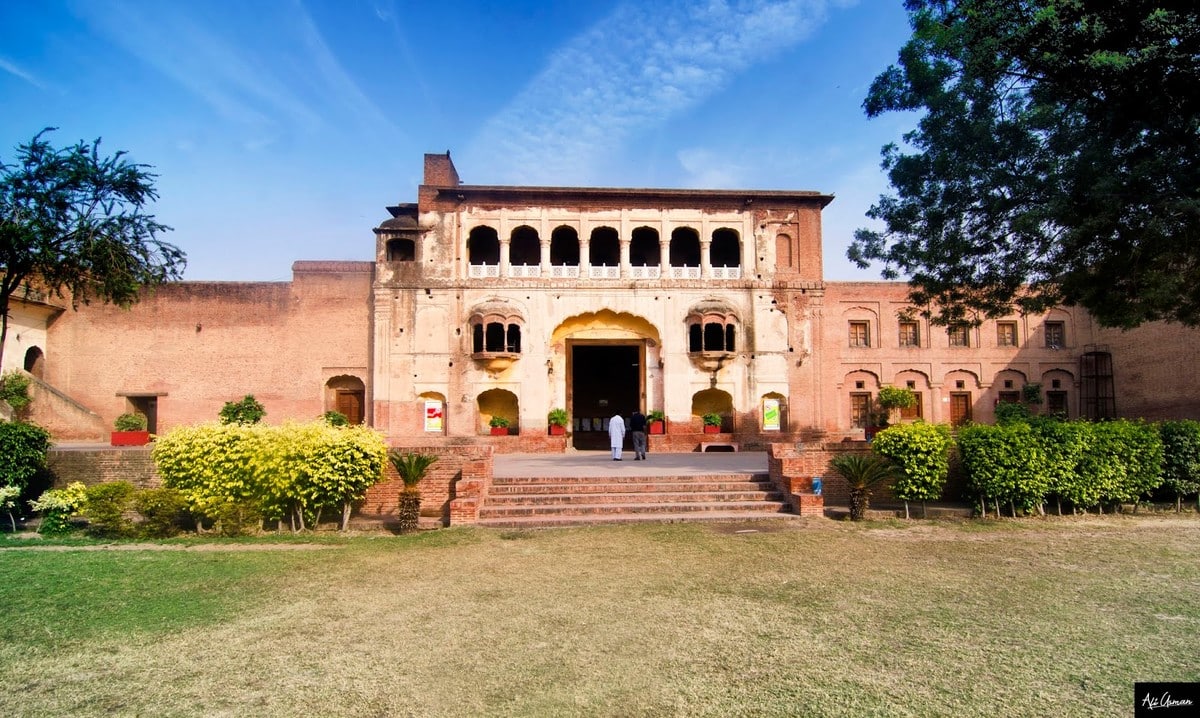
Apart from 12 bazaars in Lahore, 2,325 acres of agricultural land near Haveli Dayan Singh, Jalu in old Lahore are also included in the Kashmir property (File photo: Ali Usman).
(Apart from 12 bazaars in Lahore, 2,325 acres of agricultural land near Haveli Dayan Singh, Jalu in old Lahore are also included in the Kashmir property (File photo: Ali Usman).

However, due to administrative challenges, these properties have not been properly rented, nor has any construction occurred that could provide commercial benefits to the government. According to Bilal Khachi, properties include “12 bazaars in Lahore, Haveli Dayan Singh in old Lahore, 2,325 acres of agricultural land near Jalu, including eight villages, 906 acres of agricultural land in Sheikhupura, 1,057 acres in Narowal, 458 acres of land near the zero line on the Indian border in Sialkot, 99 shops, and 34 residential units, a 17 marla plot in Wazirabad, over 7 kanal plot in Jhelum, Poonch House Plaza in Rawalpindi Saddar Bazar, 66 houses and land in Gwalmandi, among others.”

Stalled Government Efforts

Khachi also mentioned that many properties are under illegal occupation. Additionally, the properties rented out by the Ministry of Kashmir Affairs have been leased for very low rents in the past, and no viable strategy for their construction or better usage has been formulated.

“These properties have been sold in the past, but in 1986, the government at the time banned their sale.”

Since then, no progress has been made to improve their usage. In 2011-12, a plan was drafted, but it never moved forward. Since 2016, no caretaker administrator had been appointed.

“In 2019, the government resumed work on this issue. Six months ago, an administrator was appointed, after which we increased the rents of some properties and devised a plan for geo-fencing. A committee has now been established at the government level, but its first meeting has yet to occur.”

According to him, the rent for these properties under the Ministry of Kashmir Affairs is still significantly below the market rate, and a clear strategy is necessary to address the situation.

Ownership Dispute: Pakistan or Kashmir?

Meanwhile, the government of Pakistani-administered Kashmir and social circles believe that the central government of Pakistan has no right to use these properties or construct them.

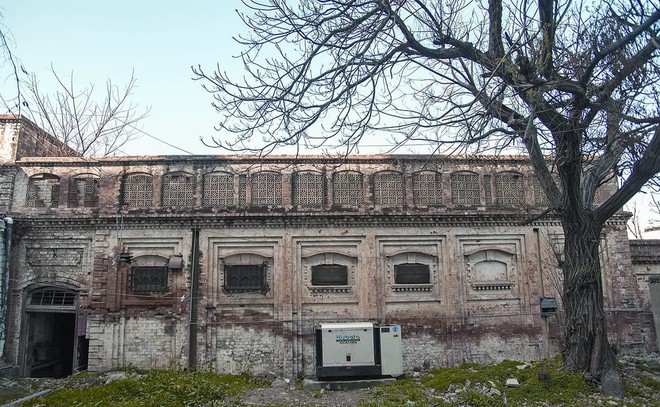
Pakistan's government administrator says buying and selling of Kashmir property has been banned since 1986 (File Photo: Wikipedia)
Pakistan’s government administrator says buying and selling of Kashmir property has been banned since 1986 (File Photo: Wikipedia)

Former senior bureaucrat and additional chief secretary of Kashmir, Farhat Ali Mir, told Urdu News that, in principle, the government of Pakistan should return the management and ownership of all these lands and buildings to the government of Kashmir.

“The Government of Pakistan acquired authority over these properties through a 1961 ordinance during the Ayub era. The rationale was that Kashmir’s boundaries ended at the Kohala Bridge near Murree. The issue has been raised with several Pakistani governments, but no one has shown interest.”

Farhat Mir accused Pakistani government members of selling and allotting these properties to benefit personal friends and relatives.

“They also built a housing colony on Kashmir state land in Raiwind, and no plot or house was allotted to any Kashmiri citizen or migrant. The society was not successful either. Conversely, several notices have been issued to vacate the flats of the Government of Kashmir and the Election Commission office in Rawalpindi’s Poonch House.”

Farhat Mir believes that if Pakistan’s federal government is serious about utilizing these properties, it should cancel the Ayub-era ordinances through parliamentary legislation and return their management to the Kashmir government.

Allegations of Illegal Sales

Journalist Athar Masood Wani, who has reported on this issue, said that these properties have also been illegally bought and sold.

However, according to the administrator of the Government of Pakistan, the sale of these properties has been halted since 1986.

Athar Masood Wani told Urdu News that “the last official attempt to transfer Kashmir properties was made during the tenure of former Prime Minister Raja Farooq Haider, but it did not yield any results.”

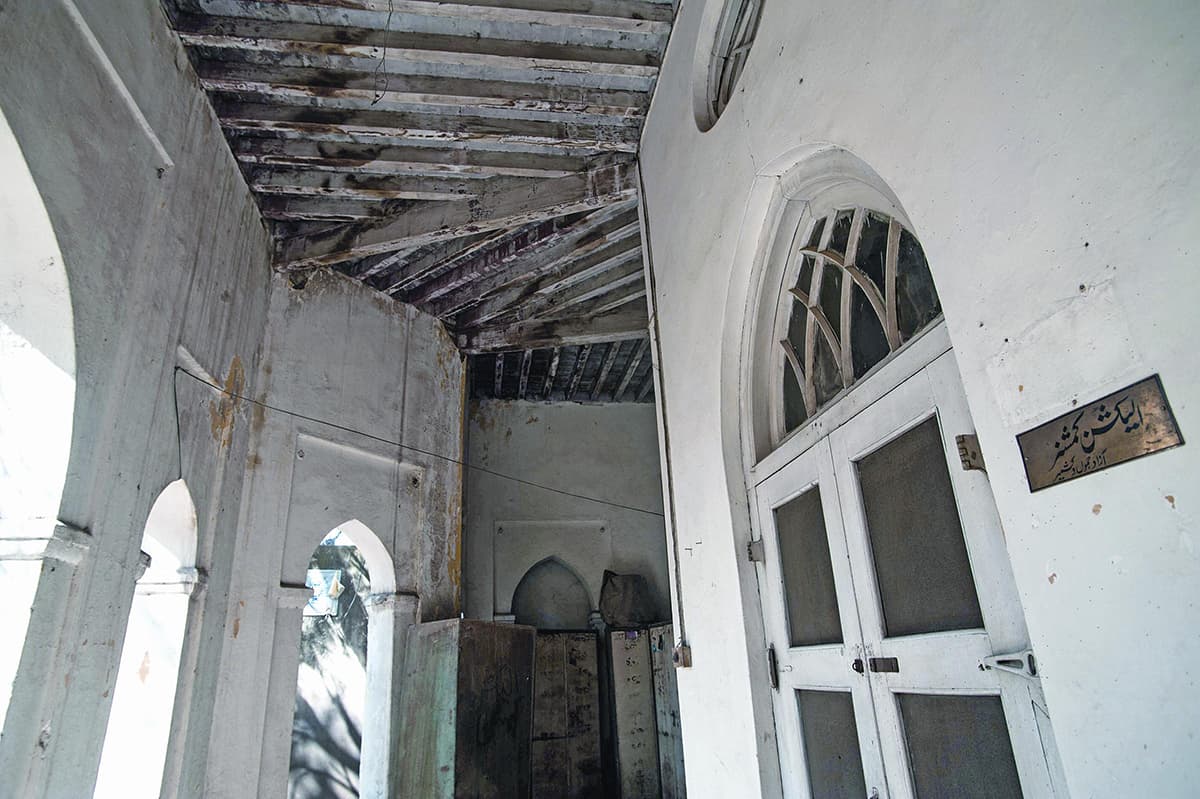
Several notices have been issued to vacate the Kashmir government flat and Election Commission office in Poonch House, Rawalpindi (File Photo: Ali Usman)

The administrator of the Government of Pakistan mentioned that a committee has been formed to address these issues, comprising representatives from various ministries. Its first meeting was scheduled for January 31 this year, but it has not yet occurred.

“There are various plans for the future of these properties, but a final decision will only be made after this committee reviews them.”

Commercial Value of Maharaja Kashmir’s Properties

According to Bilal Khachi, many properties were leased at a monthly rent of Rs 30, which has now increased to Rs 3,000.

“This lease amount was initially set equal to one maund of wheat. We are now trying to align these rents with market rates. In November last year, we raised the rent by Rs 32.5 million.”

Saeedur Rehman, who has been in the property business in Rawalpindi for over 15 years, noted that the price of residential land in Rawalpindi city is around Rs 40 to 45 lakh per marla, while commercial land is priced at Rs 55 to 60 lakh per marla. Based on this, the value of Poonch House in Rawalpindi Sadar and its adjoining land runs into several billion rupees. The commercial and agricultural land in Lahore and other cities has even higher value.

Jamaat-e-Islami J&K Ends Ties with Pakistan, Accepts Indian Constitution: Announces Participation in Elections

0

Lahore (Azadi Times Report): Jamaat-e-Islami, which was banned from participating in Indian-administered Jammu and Kashmir’s Assembly elections, has decided to support independent candidates. Earlier, the party had met with Ministry of Home Affairs officials, urging the removal of the ban to allow it to contest the elections. However, those negotiations are currently stalled.

According to India Today, Jamaat-e-Islami recently held a meeting in Pulwama, where they decided to support four independent candidates from the southern Kashmir regions of Kulgam, Pulwama, Devsar, and Zainapora. The party also plans to support more candidates in the second and third phases of the elections.

The 90-member Jammu and Kashmir Assembly elections will be held in three phases on September 18, September 25, and October 1, with results announced on October 8.

Jamaat-e-Islami was banned in 2019 under the Unlawful Activities (Prevention) Act (UAPA) by the Ministry of Home Affairs for alleged anti-state activities and links to terrorism. Due to this ban, the party cannot officially contest elections. Earlier this year, the ministry extended the ban for another five years.

Jamaat-e-Islami has been accused of backing armed and violent protests, as well as supporting separatism in Kashmir. Following the controversial 1987 Assembly elections, the party aligned itself with pro-Pakistan armed movements. The militant group Hizbul Mujahideen, associated with Jamaat-e-Islami, played a crucial role in shifting the popularity of the guerrilla movement led by the JKLF (Jammu and Kashmir Liberation Front) toward a pro-Pakistan narrative.

After the abrogation of Article 370 in 2019, the government cracked down on Jamaat-e-Islami along with other groups, arresting its leaders and seizing assets.

Over the past year, Jamaat-e-Islami has shown a change in its stance. It has appealed for the removal of the ban and announced its intention to operate within the Indian Constitution. The party also dropped its long-standing election boycott and now supports independent candidates despite the ban.

Former Jamaat-e-Islami leader Ghulam Qadir Wani confirmed the party’s participation in the elections, stating, “We have never opposed elections. We support our candidates and hope they will address the people’s issues.”

Historically, Jamaat-e-Islami and other separatist or pro-Pakistan groups have called for large-scale election boycotts in the Kashmir Valley. However, the influence of these boycotts seems to be diminishing. With Jamaat-e-Islami’s open support for elections, voter turnout in both northern and southern Kashmir could be significantly impacted.

Despite the party’s earlier claims of religious ties with Pakistan, which led to the sacrifice of thousands of lives, Jamaat-e-Islami has now reversed its position. By accepting the Indian Constitution and participating in the elections, the party has effectively moved beyond its previous stance, signaling a shift from its past actions.

Government of Pakistan Decides to Sell Kashmir Property

0

Muzaffarabad: The Government of Pakistan has decided to sell valuable Kashmir properties located in various cities and rural areas across the country. Prime Minister Shehbaz Sharif has established a seven-member committee, headed by the Minister for Kashmir Affairs, to outline the procedure for the sale. The committee, however, does not include any representative from Jammu and Kashmir, with the Chief Secretary (Pakistani) from Jammu and Kashmir being appointed as the representative.

The official reasoning behind this move is that the proceeds from the sale of these properties will be used for the welfare of the citizens of Jammu and Kashmir. However, concerns have been raised as the Kashmir properties in question are situated in prime commercial locations such as Rawalpindi, Lahore, and Gujranwala, along with agricultural land. Some of these properties have already been encroached upon, raising suspicions that the committee may attempt to sell these valuable assets to powerful groups at very low prices.

Experts argue that instead of selling these Kashmir properties, they should be handed over to local governments. This would ensure the protection of the properties until a final resolution to the Jammu and Kashmir conflict is reached. In the meantime, local governments could use the properties for commercial and agricultural purposes to generate revenue.

While it is acknowledged that local governments would also seek to profit from these properties, this approach would safeguard the assets. In the future, once permanent governments are established, the properties could be utilized for public welfare projects.