Tuesday, March 24, 2026
18.4 C
Srinagar
Home Blog Page 157

Hundreds March in Mirpur for Release of Detained JKSLF and JKLF Leaders

    0

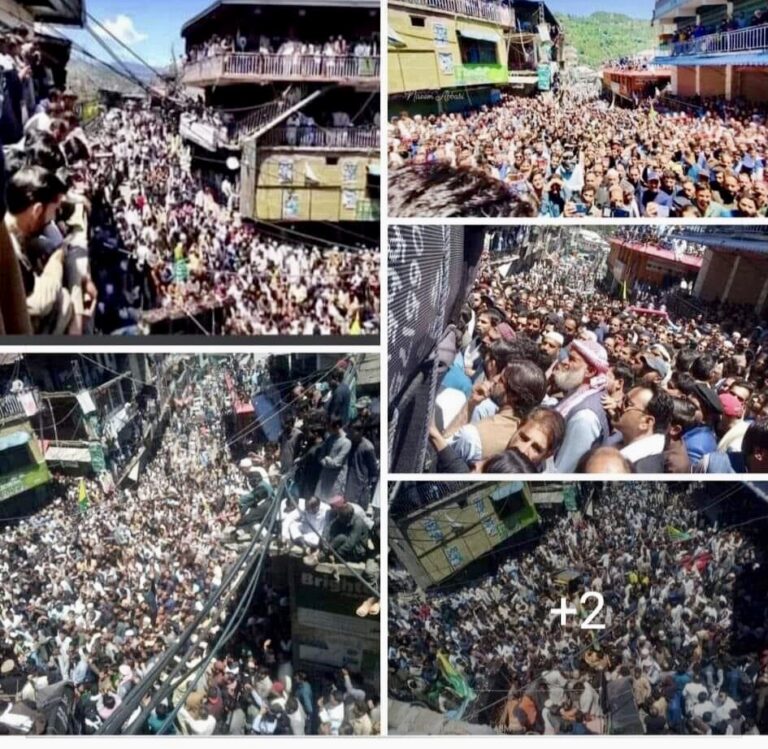
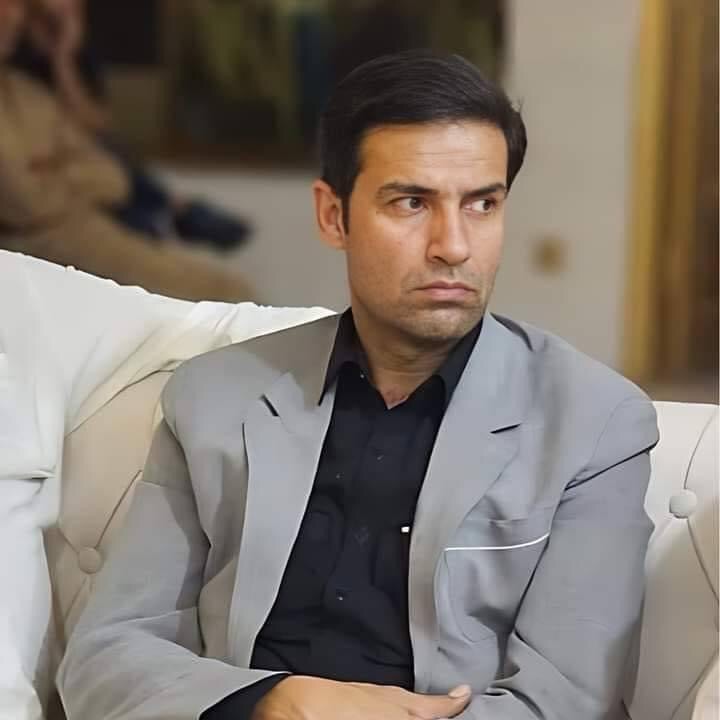
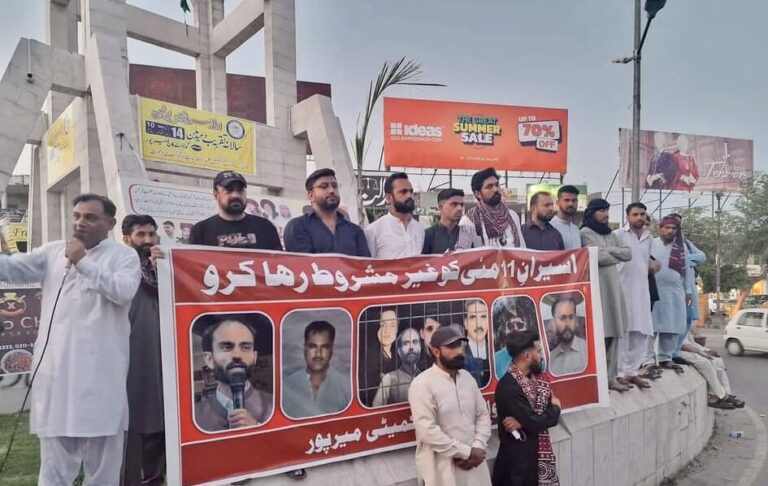
    Mirpur, Jammu Kashmir – Hundreds of protestors took to the streets in Mirpur demanding the immediate and unconditional release of Jammu and Kashmir Students Liberation Front (JKSLF) Chairman Raja Danish Adv and Jammu Kashmir Liberation Front (JKLF) AJK-GB Spokesperson Saad Ansari Advocate, along with other prisoners who were arrested on May 11th.

    The demonstrators are asserting that the continued detention of these individuals constitutes a breach of the agreement between the Azad Jammu and Kashmir (AJK) administration and the Joint Awami Action Committee.

    Protestors are calling for adherence to the terms of the agreement and the release of the detained leaders, highlighting the significance of this issue for the local community and its political landscape.

    As the march gains momentum, the situation remains tense, with participants determined to see their demands met.

    The unfolding events in Mirpur are being closely watched as they may have broader implications for the region’s stability and governance.

    A Look at Cricket Stadiums in Jammu & Kashmir (Both Sides)

    0

    Cricket, a sport that evokes passion and unites millions, holds a special place in the hearts of people across Jammu and Kashmir, both in the Indian-administered territories and the Pakistani-administered regions. 

    While the political landscape may be divided, the love for the game transcends borders. This article explores the top 5 cricket stadiums, (with an additional bonus venue!), that dot this beautiful region, showcasing the vibrant cricketing culture that thrives amidst breathtaking scenery.

    Indian-Administered Jammu & Kashmir and Ladakh:

    1. Sher-i-Kashmir Cricket Stadium, Srinagar: Nestled amidst the majestic Himalayas in Srinagar, the Sher-i-Kashmir Cricket Stadium is the crown jewel of cricket in Jammu and Kashmir. Inaugurated in 1982, this stadium has witnessed some historic moments in Indian domestic cricket, hosting matches for the Ranji Trophy, Vijay Hazare Trophy, and Syed Mushtaq Ali Trophy. With a seating capacity of around 18,000, the stadium boasts a picturesque backdrop of snow-capped peaks, making it a truly unique cricketing experience.
    2. Maulana Azad Stadium, Jammu: Located in the heart of Jammu city, the Maulana Azad Stadium is the primary cricket venue in the Jammu region. Built in 1956, this stadium has hosted various domestic tournaments like the Ranji Trophy and the Jammu & Kashmir Premier League. The lively atmosphere during matches, with passionate fans cheering for their teams, is a sight to behold.
    3. Sonmarg Cricket Ground: Nestled in the idyllic Sonmarg valley, often referred to as the “Meadow of Gold,” lies a unique cricket ground. This picturesque ground, surrounded by meadows and mountains, is not a permanent stadium but has hosted exhibition matches and local tournaments. The scenic beauty of the location makes it a dream venue for any cricketer.
    4. Sonam Gyatso Stadium, Leh: Cricket takes a high-altitude leap at the Sonam Gyatso Stadium in Leh, Ladakh.Situated at an elevation of over 3,600 meters, this stadium holds the distinction of being one of the highest cricket grounds in the world. Inaugurated in 2012, the stadium has witnessed local tournaments and exhibition matches,showcasing the growing cricketing culture in Ladakh. Playing cricket at such a high altitude presents a unique challenge for players, testing their endurance and technique.

    Pakistan-Administered Jammu & Kashmir:

    1. Muzaffarabad Stadium, Muzaffarabad: The Muzaffarabad Stadium, located in the capital city of Muzaffarabad,is the premier cricket venue in Pakistan-administered Kashmir. This stadium has hosted various domestic tournaments organized by the Kashmir Cricket Association, providing a platform for local talent. With a growing cricketing community and aspirations to host bigger tournaments, the Muzaffarabad Stadium is poised to play a significant role in the cricketing landscape of the region.

    Bonus Venue: Brigade Ground, Srinagar:

    While not currently a dedicated cricket stadium, the Brigade Ground in Srinagar holds historical significance in the cricketing narrative of Jammu and Kashmir. 

    This ground, established in the 19th century by the British army, witnessed the very first cricket matches played in the region. Though primarily used for military purposes now, the rich cricketing history associated with the Brigade Ground deserves a mention.

    Challenges and the Road Ahead:

    Despite the passion for cricket, both sides of Jammu and Kashmir face challenges in developing cricketing infrastructure.Limited resources, political complexities, and lack of proper infrastructure can hinder the growth of the sport. However,the dedication of local cricket associations, passionate players, and enthusiastic fans keeps the spirit of the game alive.

    A Shared Love for the Game:

    Cricket serves as a bridge between the two sides of Jammu and Kashmir. It offers a common ground where people can celebrate their shared love for the sport, fostering a sense of unity and camaraderie. Cross-border cricketing events, even at the local level, could pave the way for greater interaction and cultural exchange.

    Conclusion:

    The cricket stadiums in Jammu and Kashmir, both existing and aspiring, stand as testaments to the region’s vibrant cricketing culture. From the high-altitude challenges of Leh to the picturesque beauty of Sonmarg, these venues offer a unique cricketing experience. 

    As the game continues to evolve in the region, it holds the potential to not only nurture cricketing talent but also serve as a catalyst for peace and understanding.

    This glimpse into the cricketing landscape of Jammu and Kashmir showcases the region’s immense potential. With continued dedication and support, these grounds can witness the rise of cricketing stars and become even more significant platforms for the sport. Perhaps, one day, a unified cricketing event across both sides of Jammu and Kashmir will become a reality, truly uniting the region through cricket.

    Top 5 Rivers of Jammu, Kashmir, and Ladakh

    Jammu, Kashmir, and Ladakh – the very names evoke images of majestic mountains, serene valleys, and pristine glaciers.

    But amidst this captivating tapestry woven by nature, there flows a network of rivers that silently carve their way through the land, shaping its character and nurturing its inhabitants for centuries.

    These rivers are not merely waterways; they are the lifeblood of these regions, intricately linked to their landscapes, cultures, and economies.

    1. The Indus River

    The Indus River, Asia’s longest and mightiest river system, holds the distinction of being the first on this list. Its long journey begins in the Tibetan Plateau, high in the Himalayas, before it snakes its way through Ladakh. The Indus nourishes the arid plains of Ladakh with its life-giving waters, sustaining agriculture and local communities. It then majestically carves a path through the Karakoram and Himalayas, entering Pakistan and ultimately draining into the Arabian Sea. The Indus Valley Civilization, one of the world’s earliest cradles of civilization, flourished along the banks of this river, highlighting its historical significance.

    1. The Jhelum River: Kashmir’s Lifeline

    The Jhelum River is the heart and soul of Kashmir. Flowing from the Verinag Spring in the south, it winds its way through the entire valley, serving as a vital source of water for irrigation, transportation, and hydropower generation. The scenic beauty of the Jhelum, with its emerald green waters reflecting the snow-capped peaks, is a sight to behold. Dotting the river are traditional Kashmiri houseboats, offering a unique way to experience the valley’s charm. The Jhelum River also plays a significant role in Kashmiri culture and spirituality, featuring prominently in local folklore and religious practices.

    1. The Chenab River

    The Chenab River, another major Himalayan river, originates from the glaciers of the Chandra and Bhaga rivers in Himachal Pradesh. It then carves a path through Jammu and Kashmir, contributing significantly to the region’s water resources. The Chenab is a vital source of irrigation for agriculture, especially in the fertile plains of Jammu. Additionally, the river’s strong currents make it a potential source of hydroelectric power, contributing to the region’s energy needs. The Chenab Bridge, commissioned in 2019, stands as a testament to modern engineering marvels and serves as a crucial transportation link between Jammu and Kashmir.

    1. The Ravi River

    A tributary of the mighty Indus, the Ravi River originates in the Kullu Hills of Himachal Pradesh and flows through the foothills of the Himalayas in Jammu. The river is known for its energetic waters and exciting rapids, making it a haven for adventure enthusiasts. White-water rafting expeditions on the Ravi offer a thrilling experience, amidst the breathtaking backdrop of the Himalayas. The scenic beauty of the Ravi River Valley, carpeted with lush green meadows and dotted with quaint villages, adds to the charm of this region.

    1. The Shyok River

    The Shyok River, a tributary of the Indus, arises from the glaciers of the Karakoram mountains. Gushing through the remote and sparsely populated desert landscapes of Ladakh, the Shyok River adds its icy waters to the Indus. The strong currents and dramatic scenery of the Shyok make it a popular destination for adventure tourism activities like rafting and kayaking. The Shyok Valley, cradled between the Ladakh and Karakoram ranges, offers a glimpse into a unique ecosystem and a distinct way of life for the Changpa nomads who inhabit this region.

    These five rivers, the Indus, Jhelum, Chenab, Ravi, and Shyok, are not just geographical features; they are the very essence of Jammu, Kashmir, and Ladakh. They have shaped the history, culture, and economy of these regions for centuries. From providing water for sustenance and irrigation to serving as channels of transportation and generating hydroelectric power, these rivers play a multifaceted role in the lives of the people here.

    Beyond their utilitarian importance, these rivers contribute immensely to the scenic beauty of Jammu, Kashmir, and Ladakh. Whether it’s the gentle meanders of the Jhelum through the Kashmir Valley or the gushing rapids of the Ravi, each river offers a unique perspective on the region’s captivating landscapes.

    In conclusion, the rivers of Jammu, Kashmir, and Ladakh are more than just bodies of water; they are the lifeblood of the region. They are testaments to the enduring power of nature and the deep connection between the people and their environment.

    Jammu Kashmir’s Major Spiritual Centers | Sufi Marakaz

    0

    Jammu Kashmir is called the land of saints, while Allama Iqbal referred to it as Iran-e-Saghir. These titles were given to Kashmir in its unique spiritual and academic context, but today Kashmir is being recognized worldwide for its extremist activities.

    Extremism, especially among British Pakistanis, is being seen in this context. The article under review examines the great Sufis of Kashmir and their teachings, highlighting that there was no extremism here in the past. If extremism is emerging now, it needs to be understood in the background of the current situation.

    The Sufis in every age had a profound influence on the imaginations and actions, character and beliefs of the people. They attracted many distinguished personalities with the best hearts and minds, setting inspiring examples of the purification of hearts and minds that amazed human intellect.

    The Holy Prophet (PBUH) said:
    Translation: There will always be a group in my ummah who will remain on the truth and good until the Day of Resurrection.

    If the hadith is considered, then the group of Sufis is the group that will continue to propagate the truth until the Day of Judgment. The process of spreading formal Sufi education in Pakistan was started by Hazrat Data Ganj Bakhsh in the 5th century Hijri, converting thousands, if not millions, of people to Islam.

    These rays of knowledge also reached the Kahsars of Kashmir. The land of Kashmir has been very fruitful in terms of saints and Sufis. In every era, there have been such servants of God who lit the lamp of knowledge and guidance in the hearts of people through the teaching and preaching of Sufism. They enlightened all of Kashmir with the eternal blessings of Islam through religious love and eliminated immoral customs and practices from the region.

    Ali Hamdani: The Sage of Kashmir

    Ali Hamdani was born on 12 Rajab al-Marjib 713 AH, corresponding to 12 October 1313, in Hamadan, Iran. He received his initial education from his uncle, Syed Alauddin Samnani, and esoteric knowledge from Sheikh Taqiuddin and Sheikh Mahmood Mazdaqani. Following Sheikh Mahmood Mazdaqani’s instructions, he traveled the world three times on foot.

    In the 8th century AH, the famous conqueror Amir Timur destroyed Iran brick by brick, perceiving Ali Hamdani’s influence as a threat. Consequently, Ali Hamdani was exiled. He arrived in Kashmir in 761 AH with some companions during the reign of Sultan Shamsuddin. After staying for some time, he returned to Iran but came back to Kashmir in 774 AH, bringing with him seven hundred Sadats.

    Ali Hamdani played a significant role in mediating between two Muslim rulers and converting 37,000 non-Muslims to Islam. He promoted knowledge and literature, building a unique platform for guidance and enlightenment in Srinagar. A writer and poet, Ali Hamdani did not believe in sectarianism; reforming society was his primary goal. He trained and reformed the ruling class, writing 170 books.

    His most famous work, “Khozakul-ul-Muluk,” explains a thousand principles of religion and politics. This book, a wealth of knowledge, is useful for Sufi scholars, common people, and rulers alike and has been translated into many languages.

    Mian Muhammad Bakhsh: The Sufi Poet of Arif-e-Kara Sharif

    Mian Muhammad Bakhsh was born in 1830 in Chak Thakra near Arif-e-Kara (Mirpur). He received his early education at home and at the religious school of Samwal Sharif. At the age of 15, his beloved father passed away. Mian Muhammad Bakhsh studied Hadith from Hafiz Ghulam Hussain and Persian from Hafiz Muhammad Ali, while he continued to take guidance in poetry and literature from Hafiz Ghulam Nasir.

    Throughout his life, he dedicated himself to Sufi poetry, worship, sports, and service to the people. He remained unmarried and became a celebrated poet of the Punjabi language. He authored over a dozen works, including “Sohni Mahinwal,” “Tahfa Meeran,” “Qasa Sheikh Sufan,” “Shireen Farhad,” “Mirza Sahiban,” and “Hidayat al-Muslimin.” However, his most famous work is “Saiful Muluk.”

    “Saiful Muluk,” written between 1800 and 1862 while he stayed in Panjati Sharif near Mouza Khoi Ratta in Kotli district, is a masnavi that tells the love story between a beautiful princess from Staristan and Saif al-Muluk, the prince of Egypt. The allegory includes a thought-provoking parable where an innocent dove (Fakhta) is caught between two enemies. Through divine intervention, the dove is saved as the hunter’s arrow backfires, killing both the hunter and the falcon. Mian Muhammad Bakhsh used this parable to symbolize Kashmir, predicting that it would eventually be freed from oppression.

    Mian Muhammad Bakhsh’s work has left a significant impact, with many of his poems becoming proverbs in the daily speech of people in Kashmir and Potohar.

    Lilla Arefa

    Born in 1330 AD in the village of Duriya Nadhun, near Srinagar, Lilla Arefa was a revered figure in Kashmiri spirituality. Known by various names like Lilla Ishwari, Lilla Did, and Lilla Maja, she embodied the values of wisdom, knowledge, and philanthropy.

    Married at the age of seventeen to a cruel Hindu Brahmin, Lilla Arefa endured abuse from her husband and mother-in-law. Seeking solace, she retreated to the deserts where she immersed herself in Sufi gatherings, learning and reciting mystical poetry that resonated with people.

    Lilla Arefa advocated for brotherhood, equality, and justice, embodying the philosophy of philanthropy in her teachings. Legend has it that she even nursed the great Sufi sage Sheikh Nooruddin Wali when he was an infant, offering him her milk when he refused to nurse from his own mother.

    As the first female Sufi poet of the Kashmiri language, Lilla Arefa’s words became a treasure trove of wisdom. Upon her death, Hindus and Muslims disputed over her burial, but when her shroud was removed, it revealed nothing but flowers, symbolizing her spiritual purity. Though her final resting place remains unknown, her legacy continues to inspire generations.

    Sheikh Nooruddin Wali

    Sheikh Nooruddin Wali, known as Nanda Rishi and Sheikh Alam, was born in 779 in the village of Kumho. Revered as a great spiritual leader of Kashmiris, he played a significant role in popularizing Islamic teachings through his poetry. Despite lacking formal training, he received divine knowledge through special grace.

    Hazrat Sheikh’s legacy lives on through his tomb in Charar Sharif, serving as a reference point for spiritual seekers. His teachings are immortalized in compositions like “Rishi Nasir,” which encapsulate his profound Sufi wisdom.

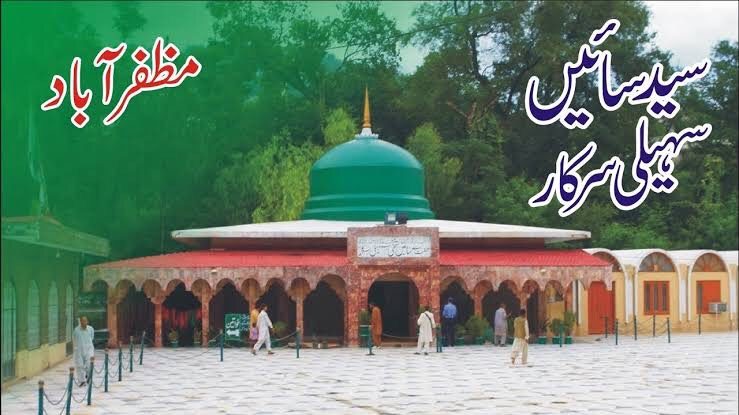
    Sakhi Sain Saheli Sarkar – Muzaffarabad

    In the sacred land of Muzaffarabad, the shrine of Hazrat Sakhi Sain Soheli Sarkar stands as a beacon of spirituality. Embracing the Qalandarana life, Hazrat Soheili Sarkar traversed from place to place, embodying the essence of mystical devotion.

    Legend has it that despite facing hardships at the hands of British contractors, Hazrat Sakhi Sain Soheli Sarkar’s divine intervention led to miraculous events, showcasing his spiritual prowess. Today, his shrine in Muzaffarabad attracts thousands of devotees daily, seeking solace and guidance on their spiritual journey.

    Qazi Fathullah Gulhar Sharif

    The shrine of Qazi Fathullah Sahib in Gulhar Sharif, Kotli, radiates with religious and spiritual fervor, attracting devotees from far and wide. Khawaja Muhammad Sadiq, hailing from a lineage tracing back to Madinah Sharif, Egypt, and Afghanistan, illuminated the valleys of Kashmir with knowledge and awareness. Today, the spiritual legacy of Hazrat Khawaja Muhammad Sadiq continues to thrive, with devotees spanning across Pakistan, Kashmir, and even overseas, particularly in the United Kingdom.

    Pir Syed Nik Alam Shah: The Poetic Saint

    Known as Pir Syed Nik Alam Shah, this revered saint possessed a profound poetic sensibility, infusing Quranic verses, Hadith, and Sufi wisdom into his compositions. His teachings transcended mere scholarship, as he imparted knowledge and bestowed the mantle of caliphate upon his students, embodying the essence of Mujadadiyya.

    Baba Shadi Shaheed: Champion of God-Fearing Equality

    In Bhambar, the name of Baba Shadi Shaheed echoes through the annals of spiritual leadership. Throughout his life, he preached god-fearing devotion and advocated for human equality, leaving an indelible mark on the hearts of his followers.

    Hazrat Shah Hussain Al-Bukhari (Pir Chinasi): Guardian of Spiritual Retreat

    Nestled amidst the lush forests of Cheil and Diyar lies the Durbar Pir Chinasi, the resting place of Hazrat Shah Hussain Al-Bukhari. Seeking solace from the worldly clamor, Hazrat Shah Hussain Al-Bukhari retreated to Pir Chinasi in the 8th century A.H. While it has evolved into a tourist destination, devout seekers still embark on the arduous journey to Pir Chinasi from Muzaffarabad, traversing 20 kilometers to immerse themselves in spiritual contemplation.

    Why is Flour Subsidized in PaK Kashmir? Subsidies, Dam Agreements, and Public Discontent

    0

    On May 11, the ongoing protest movement against the increase in flour and electricity rates by the Joint Public Action Committee in Pakistan-administered Kashmir ended after the government accepted their demands.

    However, clashes between the protesters and law enforcement agencies led to the death of three protesters, according to officials.

    On Thursday, Prime Minister Shehbaz Sharif visited Muzaffarabad and announced a subsidy of 23 billion rupees for the citizens, along with a ‘Shuhada Package’ for the families of those who lost their lives.

    The government of Pakistan-administered Kashmir also released new flour prices. Now, the price of a 20 kg bag of flour will be Rs 1,000, while a 40 kg bag will cost Rs 2,000.

    Additionally, a reduction in electricity rates was announced. The new rates will be based on a slab system: Rs 3 per unit for consumers using 1 to 100 units, Rs 5 per unit for up to 200 units, and Rs 6 per unit for higher consumption.

    Why Are Subsidies Given?

    Before addressing this question, it is important to understand that Pakistan-administered Kashmir, like Gilgit-Baltistan, is a disputed area according to United Nations resolutions. Its administration is handled by Pakistan through a legislative assembly.

    The region has its own elected prime minister and cabinet, which makes laws and receives grants from the Pakistani government for development work.

    Gilgit-Baltistan, also a disputed area, was part of the state of Jammu and Kashmir until 1947. However, the local people did not recognize the rule of the Hindu Maharaja of the state of Jammu and Kashmir. The state of Jammu and Kashmir has had an electoral process since 1970, but Gilgit-Baltistan was first allowed to exercise the right to vote in 2009.

    Why Are Subsidies Given?

    Now the question is: since when have people been subsidized on flour in Pakistan-administered Kashmir? In response to this question, a former senior official of Kashmir’s food department told Azadi Times that this process has been going on for five to ten years. At the same time, he expressed ignorance about the news of subsidy being given since 1970.

    According to the former official: “I have no idea about the issue of subsidy since 1970. Although I have held a senior position in the food department, I am not aware of any such subsidy being given since 1970.”

    He said: “This subsidy is not on the cost of flour but on its transportation and other costs which were reduced due to inflation during the last two years.”

    According to the official, the reason for ending the subsidy was the steep rise in wheat prices in the last two years, making it impossible for the government to give the full subsidy.

    He said: “There was a problem of inflation for two years, due to which the market saw an increase in the prices of flour and the public reaction started to emerge from last year.”

    Apart from the reduction in flour prices, the protesting Tehreek Joint Awami Action Committee had also demanded lower electricity rates and Mangla Dam royalty.

    At the time of the Mangla Dam expansion project in 2003, the Pakistani government entered into an agreement with the then Pakistan-administered Kashmir government, known as the ‘Mangla Dam Raising Agreement’.

    According to this agreement, the victims of Mangla Dam were to be given a five-marla plot along with cash compensation.

    Similarly, according to the agreement, it was announced that electricity per unit in Pakistan-administered Kashmir would be provided at a subsidized rate.

    Subsidies and Protests in Pakistan-Administered Kashmir

    According to the agreement, a committee will be formed to determine the changes in electricity rates, while a subsidy of one rupee per unit will be given by the government on electricity prices.

    Mangala Dam, the second largest dam in Pakistan and the seventh largest in the world, was built in 1965 on the Jhelum River in Mirpur district of Pakistan-administered Kashmir, with its expansion beginning in 2003.

    Abdul Hakeem Kashmiri, a writer and columnist based in Pakistan-administered Kashmir who closely follows Kashmir issues, told Independent Urdu that the flour subsidy is provided by the government of Kashmir, not Pakistan, and no subsidy is given on electricity.

    Abdul Hakeem said: “It is said that this subsidy was started in 1970 during Zulfiqar Ali Bhutto’s regime because it was a backward area and people had no means of livelihood, so this subsidy was given.”

    He explained that Pakistan-administered Kashmir provides a subsidy of about eight billion rupees, allocated in the budget.

    Sardar Atiq Hussain, former prime minister of Pakistan-administered Kashmir and president of the All Jammu and Kashmir Muslim Conference Party, told Azadi Times that the subsidy was introduced in 1970 during the tenure of the first president and chief executive, Sardar Abdul Qayyum (Mujahid I).

    “The subsidy was not only on flour, but whatever was available in Murree and Kohala was priced the same in Kashmir,” he said. He added that gas cylinders were also subsidized to save forests.

    “This subsidy was given on kerosene, flour, gas cylinders, and coal. The gas cylinders, which were available for 100 rupees in Rawalpindi, were available for 80 rupees in Kashmir,” he explained.

    How Did This Issue Lead to Violent Protests?

    Abdul Hakeem Kashmiri noted that people were demanding relief in electricity rates because seven to eight times more electricity is generated there than needed.

    “The government used to collect the bill as tax on various occasions, and in 2014 fuel price adjustment was also included in the bill, so public discontent was brewing since then,” he said.

    Later, the people started demanding the production cost because although Mangala Dam was built in 1967, no benefits were provided to the local people until 2003.

    “When the Mangala expansion project started in 2003, an agreement was signed, but electricity was available at 2 rupees 59 paise per unit, while the price of electricity per unit was the same at that time,” he added.

    In 2018, another power project was completed in the Neelum Jhelum Valley, but it also did not benefit the people, which further angered them as it was added to the bills as a surcharge.

    According to Abdul Hakeem Kashmiri, Article 161 of the Constitution states that the area where electricity is generated will benefit from it, but the local people were affected by the dam without receiving any benefit.

    He said that the demands started last year, and although a committee was formed, the demands were not accepted, leading to the current situation.

    Appeal for Continued Positive Engagement Following Public Movement’s Success

    By Dr. Tauqeer Gilani

    In the wake of our successful public movement, it is crucial for everyone, particularly the leaders of this movement, to play their positive roles in improving the current situation. Winning is not as challenging as digesting the victory.

    Movement leaders must grasp a simple concept: as the English proverb goes, “All is well that ends well.” To identify and address any mistakes, a grand meeting should be convened. Such a gathering is as essential now as it was during the movement.

    Communicate to the public what they want to hear: talk about your success, life, happiness, identity, maintaining unity, reconciling with the police, reforming institutions, restoring power and authority, respect and dignity, healthcare, employment, self-reliance, and self-sufficiency.

    The public is happy. They feel dignified and proud. Their once-bowed heads are now held high, with smiles on their faces. Congratulations pour from their lips like rain. Roses flutter in the air. Mothers’ worried faces now radiate joy, and they take pride in their brave children. Innocent children, shouting slogans and playing joyfully, are planting seeds of memorable moments in this historic scene. University students are preparing theses on the public movement.

    The public embraces you warmly, kissing your cheeks and hugging you. They witness the downfall of hypocrites, dishonest individuals, and corrupt criminals, reinforcing their belief in the truth of the struggle. They feel a lightness in their hearts, taking pride in their identity.

    Through social media, the people see, hear, and read praise for their distinct identity and historic struggle from the conscious and oppressed citizens of neighboring countries. They feel brave, determined, and capable of leadership. Phrases like “Kashmiris have won the war against oppressors” or “The people of Jammu Kashmir have defeated the tyrants” enchant them. The defeated forces cannot bear the public’s success. In their hasty retreat, they stained the people’s vibrant robes with blood, making them even more vivid and shining.

    The public also mourns our collective loss. They grieve the martyrdom of young children, the martyrdom of a brave police officer, and the injuries sustained by soldiers and peaceful citizens. They are concerned about the unlawful detention of many of our brave leaders and the false charges against them.

    Remember, with the approval of the movement’s demands, we have reached the logical conclusion of this movement. The approval of demands is not the end; the end is the lasting, profound, and extremely positive effects of this movement on the overall society.

    This will be the change that history will record as making this movement greater and will declare the oppressed, divided, and sorrowful people of this region, who have been victims of political, social, and economic oppression for centuries, as people of a new renaissance era.

    During the movement, decision-making power rested with the committee rather than the public. Now, refrain from making poor and unwise statements in public and discuss such matters within the committee. Tarnishing the public’s victory is childish and reflects a lack of wisdom in leadership.

    In the present era, the demands and effects of public movements are political. All our movement’s demands and battles are political. By dismissing the political aspect, you undermine the public’s happiness and mock their grief. Do not sour the public’s mood. The political narrative of the movement will be shaped by those who have been shaping it from the beginning. Credit the public for their success and let them decide which leader deserves credit for what.

    Leaders of this grand public movement must remember that they now need to further educate the public on the positive outcomes of this movement. Everyone must work where they are. Trader leaders should discuss the importance of unity among traders and the success it brings. Lawyer leaders should talk about the role of lawyers in the movement within bar councils. Students should discuss the role of students and the youth in the public movement. Civil society members should emphasize the importance of civil society’s role. Journalists should provide unbiased analyses and constructive critiques at various stages of the public movement. Volunteers serving during the movement should strive to make their associations or committees more impactful. Action committees should compile lists of public issues and work in an organized manner.

    We appeal to the victorious public to approach responsible officials in their state institutions without hesitation, demand improvement, and point out shortcomings in the performance of professional duties. Avoid individual actions, conflicts, and entanglements in streets and squares. Do not assist the defeated criminal mafia in reorganizing. Increase your awareness of your basic rights and, through this victory, lay the foundation for a new era of peace, unity, justice, and freedom of thought and action in your region.

    Your brother and companion in this inspiring and historic public struggle,
    Dr. Tauqeer Gilani

    Press Release: Consultative Meeting of Jammu Kashmir Joint Awami Action Committee, Muzaffarabad Division

    0

    Muzaffarabad (Azadi Times): A significant meeting of the Jammu Kashmir Joint Awami Action Committee (Muzaffarabad Division) was held at a local hotel, with substantial participation from traders, elected municipal representatives, students, transporters, lawyers, and civil society representatives from Neelum Valley, Jhelum Valley, and Muzaffarabad.

    The meeting endorsed the successful negotiations at the central level of the Jammu Kashmir Joint Awami Action Committee, recognizing the approval and notification of all demands as a historic victory for the people.

    The meeting strongly condemned the baseless murder charges against central core committee member Advocate Saad Ansari and other leaders in Mirpur. It was noted that Saad Ansari and his colleagues had already been arrested before the incident occurred.

    The negotiations with the government had concluded that all leaders and workers would be released, and all charges would be withdrawn. However, the government is now delaying the release of arrested leaders and the withdrawal of cases despite the agreements and notifications.

    If the detained leaders are not immediately released and all charges withdrawn, the Jammu Kashmir Joint Awami Action Committee will call for renewed protests throughout Azad Kashmir.

    The meeting appeals to the people of Azad Kashmir not to fall prey to any negative propaganda. Our peaceful protest movement has succeeded due to your selfless passion and cooperation.

    This meeting is grateful to Pakistan, its national security institutions, and the people of Pakistan for their unwavering support and excellent diplomatic representation of the Kashmir freedom movement at all international forums.

    From day one, this movement has solely focused on basic human rights, which it continues to uphold.

    The representative meeting of the Jammu Kashmir Joint Public Action Committee, Muzaffarabad Division, warns India not to be under any illusions. Our movement’s objectives were only related to basic demands from the local government, which have now been met.

    The people of Kashmir consider India an oppressor and cunning enemy, while they see Pakistan as a big brother and guarantor and supporter of Kashmir’s freedom.

    Public Relations Department
    Jammu Kashmir Joint Public Action Committee, Muzaffarabad Division

    Viral Video Scandal Leads to Suicide Attempt by Hunza Singer Noorima Rehan

    0
    [lock_content]


    Hunza, Gilgit-Baltistan (Azadi Times): Nooerima Rehan, a singer from Hunza who had recently gained significant popularity on social media, attempted suicide following the leak of an explicit video.

    According to sources, a video call recording from last night, showing Noorima engaging in inappropriate behavior and exposing herself, went viral.

    In distress, Noorima consumed poison in a suicide attempt but is currently out of danger and receiving treatment at the hospital.

    Friends and the public are urged to think twice before compromising the honor of someone’s daughter or sister through such actions, as a single mistake can have grave consequences. Additionally, a special plea is made to all women to refrain from compromising their dignity for fleeting fame.

    [/lock_content]

    Staying Serene: Techniques for Maintaining Calm in Stressful Situations

    We all face anger at one point or another in our lives, be it during work hours, family challenges, or personal struggles. Keeping calm can seem like a difficult task. But what if I told you that the secret to dealing with life’s storms is not to control the events, but to control our response to them?

    This is the true essence of resilience, a concept with which I have developed a deep bond after navigating the complexities of being a widower, a single mother, and caring for an ailing parent.

    It’s a journey that has revealed a profound truth: things that seem monumental today often become trivial tomorrow. The day-to-day problems that trigger our anger are often insignificant in the grand scheme of life.

    Let me share a personal story. In my household, Thursdays are usually meticulously planned, with recordings scheduled and guests expected. The tables are adorned with delicious home-cooked dishes. Generally, my hospitality is well-regarded.

    However, one day, I found myself on the brink of turmoil when, due to unforeseen circumstances, my cook had to leave. Getting everything ready a few hours before the recording seemed impossible.

    Then, in a moment of clarity, I realized: is this change worth sacrificing my inner peace? The resounding answer was “no.” This event became a turning point – while life’s difficulties are inevitable, our response to them can be our greatest means of coping.

    Think of a close friend experiencing a romantic breakup. They may feel deeply frustrated and burdened by societal gender biases, perpetuating a cycle of frustration and self-blame. However, indulging in victim mentality only exacerbates our anxiety. True resilience lies in recognizing that not every difficulty is within our control. The key is to shift our focus from self-pity to empowerment, acknowledging our limitations while disregarding distractions.

    Therefore, mindfulness practices such as meditation provide a refuge from life’s chaos. Through impartial observation, we gain valuable insights into our inner world, understanding the interconnectedness of thoughts, feelings, and behaviors.

    Through meditation, we tap into hidden reservoirs of inner peace, fortifying ourselves against external storms. Peace is an attainable goal – a guiding light that leads us through life’s challenges and illuminates the path to inner tranquility.

    As author Tan Tuan Ang beautifully expressed, amidst the vastness of the universe, we find solace in the transient nature of our existence. So, the next time life throws you a curveball, remember: you have the power to choose your response. Cultivate resilience, embrace mindfulness, and above all, take comfort in the knowledge that calmness awaits, even in the midst of life’s storms.

    The Enchanting Beauty of Gilgit-Baltistan: A Journey to Kachura Lake and Traditional Delights

    Written by Muntazir Ayoub: After leaving the office at night, while friends were sitting together, one of them put his hand on Dakhti’s shoulder and said:

    “Office work is tiring, why not go on a tour of Gilgit Baltistan?”

    The three of us looked at each other’s faces and decided to give ourselves some time. What happened next was that we finalized the plan, and after a few days, we reached the bus station and booked the tickets for the next day to go to Rawalpindi. We quickly packed our things at home, and thus we three friends went on a trip to Gilgit-Baltistan, the most beautiful place in Pakistan. They say that impromptu plans are always the best, and that’s exactly what happened to us.

    We started our journey by bus from Karachi to Rawalpindi. After a long journey of 18 hours, we reached Pir Wadhai, the biggest bus station in Rawalpindi. This is the base from where vehicles leave for different areas of the country, including Gilgit-Baltistan. We also booked our vehicle from here to Skardu in Gilgit-Baltistan. We felt hungry and saw that there was still some time before the bus left, so we sat in a hotel near the bus stand.

    When we looked at the menu pasted on the wall of the hotel, our appetite grew. Even before reaching Skardu, local salted tea called ‘Piocha’ in the Balti language and Balti paratha ‘Azooq’ were available at this hotel in Rawalpindi.

    Piocha is made like Kashmiri tea but with added salt and desi ghee. This tea can be drunk on its own, but most people of Baltistan eat kulcha, roti, or azooq with it. Local people of Baltistan also call it proverbially ‘Balti Sharaab’ because after drinking it, you might like it so much that you could get addicted to it.

    Balti salted tea and azooq
    Balti salted tea and azooq

    Azooq is also considered one of the foods deeply associated with Balti culture. This paratha is made in a traditional desi style. Yogurt, desi ghee, and eggs are added to the flour, which is then kneaded into dough. It is then shaped and fried in oil until it becomes slightly crispy.

    Balti Paratha Azooq
    Balti Paratha Azooq

    After a few minutes of waiting, our order arrived. We ate pieces of azooq dipped in tea in the local style. Well-fed, we boarded the car for our departure to Skardu.

    Let us tell you one thing: due to security reasons, most public transport heading to Skardu and Gilgit leaves Rawalpindi at 4 PM together. These measures were implemented after past incidents of terrorism. Although these routes are now safe and peaceful, the government still exercises caution. At certain places, vehicles are allowed to pass only at specific times, and during these times, the police, army, FC, and GB scouts patrol the various routes to prevent any untoward incidents.

    As soon as the car reached Hazara Motorway, we suddenly felt a change in the weather, and cold winds began to blow. Although the distance from Rawalpindi to Skardu is 638 km, the journey takes a long time due to bad roads. Tourists mostly take the route through Naran Kaghan to enjoy the beautiful views of the valley.

    From Naran Kaghan Valley to Skardu, the Babusar Top route is usually taken. However, Babusar Top is closed for several months in winter, forcing vehicles to take the Diamer Bhasha Dam route. Of these two routes, the Babusar Top route is relatively shorter, reducing the journey by 4 to 5 hours. Our bus also took the Babusar Top route.

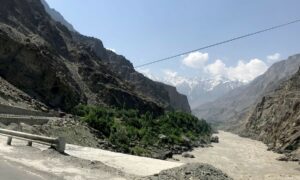
    Balti River flows alongside Jaglot Road

    After covering a long distance, we reached the Jaglot Skardu Road, where the sight of distant waterfalls gave us distinct pleasure. After a little more journey, we arrived at Sattak Nala, where the Skardu range begins. This area is also known as ‘Ronda’. The water of Sattak Nala flows rapidly from the mountains and joins the Indus River. There are hotels on both sides of Sattak Nala, and one of the special features of these hotels is a unique type of broth and bread that attracts many people to stop and eat.

    We also asked our driver to stop the car and sat down to eat soup and bread. This broth is served in a large steel bowl with warm roti. It was delightful to break the whole bread into the broth and then eat it.

    After eating, we continued our journey, but shortly after, we were stopped at a police checkpoint. The purpose of stopping the vehicle was to check it thoroughly and take down the information of the people in the vehicle. This ensures that if there is an unfortunate accident during the excursion in the hilly areas, the police will know how many tourists have entered the city.

    After the police check, we traveled for a few more minutes and entered Skardu city. Upon reaching there, some friends warmly welcomed us. We went with them to their house where we were staying. Exhausted from the journey, we ate and then immediately went to sleep.

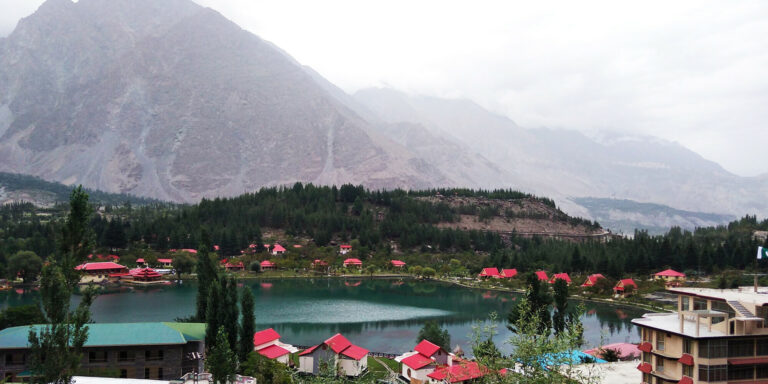
    We woke up early in the morning, had our breakfast, and left for Kachura as per our schedule. About 19 km from Skardu city, Kachura is easily accessible by public transport and other rides, including private vehicles. After about half an hour, we entered the Kachura precincts, and our first stop was the Shangri-La Resort located in Kachura, also known as Lower Kachura Lake.

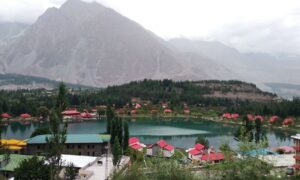
    The Shangri-La Resort was built in 1983 and was founded by Brigadier (Retired) Muhammad Aslam Khan. Speaking of the beauty of this area, there is a heart-shaped lake at the center of the resort, surrounded by hotels, lush gardens, and beautiful mountains.

    Attractive view of Shangri-La Resort
    Attractive view of Shangri-La Resort

    Shangri-La in Skardu was the first resort built specifically for tourists, attracting a large number of domestic and foreign visitors. One of its unique features is the presence of a ship on the premises, which has been converted into a hotel. This ship has an interesting history—it was originally an Orient Skyliner plane DC-3 that made an emergency landing on the sandy banks of the Indus River in Skardu due to technical issues. Fortunately, all passengers on board were safe, but the plane remained in the same spot for a long time.

    Brigadier Aslam, recognizing the potential of the plane, contacted Civil Aviation authorities about purchasing it. Initially hesitant, they eventually agreed to sell the ship to Brigadier Aslam. With the help of local people, the ship was transported and docked near Shangri-La Lake. Initially, before the establishment of Shangri-La Resort, Brigadier Aslam used it as his private residence for family vacations. However, as the resort was developed, the ship was incorporated into it, offering a unique accommodation option for tourists to enjoy.

    We also arrived at Shangri-La Resort and then visited the lake. After spending some time there, we headed towards the upper lake of Kachura and boarded our vehicle. Unfortunately, the bridge leading to the upper reaches of Kachura was under repair. So, we parked our car and decided to walk. We strolled through Kachora village until we reached the lake.

    It’s known that water accumulates in this lake through various springs. During winter, the lake freezes, while in summer, its water becomes warm. Despite the risks—local stories tell of people losing their lives while bathing in this lake—visitors still don’t miss an opportunity to take a dip.

    There is also a speedboat booking facility available for tourists, allowing them to take a tour of the lake. The reflection of the mountains is prominently visible in the blue water of this lake. The water is so transparent that the surface of the earth can be seen beneath it. Despite its calm appearance, locals say that the quieter the water, the more dangerous it can be.

    Fishing is also an option in this lake, and the restaurant offers various dishes featuring trout fish for food lovers. We enjoyed the lovely weather and the beauty of the place while indulging in tea and biscuits. Afterward, we made our way back, cherishing the memories of our time spent at the serene Kachura Lake.

    After returning, we planned to visit Sadpara Dam and Deosai Lake the next day, which is located at a height of about 14 thousand feet above the ground. This place is often referred to as the “roof of the world.” In the next episode, we’ll take you to Sadpara and Deosai, where the stunning views of nature will captivate your heart. Stay tuned for the next adventure!