
Home Blog Page 156

Asma Batool: Challenging Kashmir’s Social Norms with a Brave Voice

0

In a society where traditional social norms often dictate the roles and behaviors expected of women, it is both refreshing and necessary to recognize and support those who dare to challenge these conventions.

Asma Batool is one such individual who has, from a young age, boldly raised her voice against societal injustices. Many of you, connected through social media, are likely familiar with Asma and her courageous stance on various issues. Her presence on social media, where she consistently speaks out against oppression and stands at the forefront of advocacy, makes her a beacon of progressive thought in a society that often clings to regressive attitudes.

However, it is disheartening to note that this courage and resolve are not universally respected. Recently, Asma has been subjected to threats from an unknown individual, an unfortunate reminder of the challenges women continue to face when they step into public discourse. While Asma herself has detailed these threats in a social media post, the broader issue at hand is the environment that allows such harassment to occur.

In our society, where women constitute 50% of the population, their representation on social media is still minimal. Those who do engage often face hostility reminiscent of the harassment they experience in physical spaces like neighborhoods, marketplaces, public transport, and workplaces. It is deeply troubling that even in the digital realm—a space that should be a platform for free expression—women are targeted and intimidated.

It is crucial to support women like Asma who are brave enough to speak out and challenge societal injustices. These women not only contribute to social media discourse but also strive to address and resolve societal inequalities. By encouraging and supporting their efforts, we can foster a more inclusive and balanced society.

Gender discrimination is an issue that all men should strive to understand and address. Rather than resorting to hostility or attempting to silence women’s voices, we should be encouraging more women and girls to participate in social media and other public platforms. Whether in politics, education, journalism, medicine, or social media, women’s contributions are invaluable. They bring perspectives and insights that enrich our society and help us progress as a whole.

Women often bear the burden of dual responsibilities—managing both domestic duties and professional or social commitments. Despite these challenges, many women are excelling in their fields, contributing significantly to the creative, economic, and social fabric of our society. Their participation in these areas is not just about sharing the load; it is about doubling the creative and productive capacity of society as a whole.

To build a balanced and equitable society, we must ensure that women are given the space and encouragement they need to thrive. This can be achieved not only by making room for them in various spheres of life but also by actively supporting and appreciating their efforts. It is only by recognizing and respecting the contributions of women like Asma Batool that we can hope to create a society where all voices are heard, valued, and protected.

In conclusion, let us stand with Asma and all the women who continue to fight for their rights and contribute to society. Let us work together to create an environment where women can express themselves freely, without fear of harassment or intimidation. This is not just a matter of gender equality; it is about building a better, more inclusive future for all.

Glacial Melting Triggers Devastating Floods in Gilgit-Baltistan, Major Roads Blocked

0

Gilgit-Baltistan is facing widespread devastation as rapidly melting glaciers, fueled by an ongoing heatwave, have triggered severe floods across the region. The resulting floods have swept away crops and damaged dozens of homes, with landslides further complicating the situation by blocking the Karakoram Highway at multiple points.

According to reports from Pakistani newspaper Dawn , the rapid glacial melt has led to the overflowing of rivers and streams in various parts of Gilgit-Baltistan, causing severe flooding. In addition to the destruction of crops and homes, key roads such as the Karakoram Highway and the Gilgit-Shandur Road have been rendered impassable.

Officials have reported that the Karakoram Highway, which stretches from Gilgit to Khunjerab, is blocked at several locations. Mudslides have closed the road in areas like Jaglot in Gilgit and the village of Shishkat in Hunza, stranding thousands of travelers, including both foreign and local tourists.

Overflowing streams have also blocked the Gilgit-Ghizer Road at multiple points. According to police sources, the flooding in various streams has caused significant damage to both public and private property. More than two dozen homes have been completely destroyed, while three dozen others have sustained partial damage.

The floods have also damaged bridges, roads, water supply channels, and electricity infrastructure, cutting off several villages in Ghizer from each other.

The impact of the floods has been felt across multiple districts, including Aliabad and other parts of Hunza, as well as Shigar and Nagar. Despite the widespread devastation, there has been no official statement from the government regarding the situation. Meanwhile, multiple attempts to contact the Director General of the Gilgit-Baltistan Disaster Management Authority for comments have been unsuccessful.

As the region grapples with the ongoing crisis, the lack of official communication and the inaccessibility of key disaster management officials have raised concerns among the affected communities.

Pakistan Jailed ex-PM Imran Khan Enters Oxford University Chancellor Race

0

In a surprise move, jailed Pakistani politician and founding Pakistan Tehreek-e-Insaf (PTI) chairman and former Prime Minister Imran Khan has submitted his nomination papers to contest the election for the Chancellor of Oxford University.

According to PTI leader Zulfi Bukhari, Khan’s nomination papers were submitted on his instructions, paving the way for a historic campaign. Bukhari took to social media platform X (formerly Twitter) to announce the development, saying, “We await everyone’s cooperation for this historic campaign.”

The news comes after a British newspaper, The Telegraph, reported in July that Khan was considering running for the prestigious post. Khan’s close aide, Bukhari, has now confirmed the speculation.

Khan, who graduated from Oxford in 1975 with a degree in Philosophy, Politics, and Economics, will be vying for the position left vacant by the resignation of 80-year-old Lord Patten.

The election for the Chancellor of Oxford University is expected to be a high-profile contest, with Khan’s candidacy likely to generate significant interest and debate.

JKAAC Sets September Deadline for AJK Government Compliance

0

Kotli: The Jammu and Kashmir Joint Public Action Committee has released a statement following a recent meeting, expressing deep dissatisfaction with the government’s continued delay in addressing various public demands.

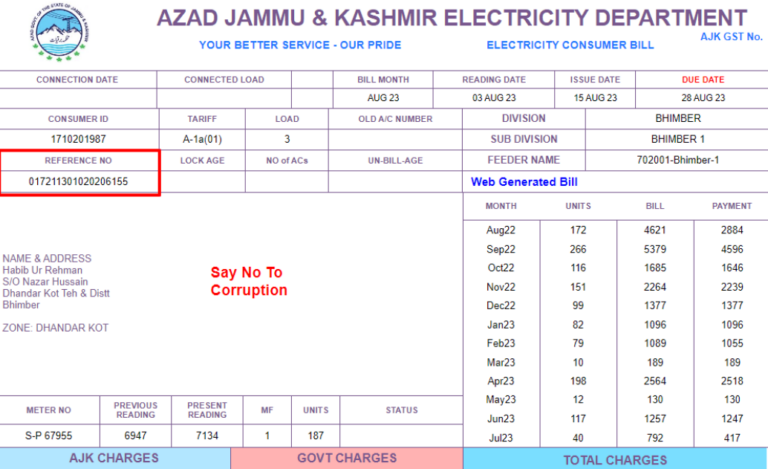
The committee highlighted several key issues, including unfulfilled promises regarding electricity bills, reduced and substandard wheat flour distribution, and the failure to dismiss ongoing cases against the public.

In response to these grievances, the committee has announced plans to intensify its protest movement against what it describes as retaliatory actions by the authorities. A deadline of September 15 has been set for the government to fulfill its commitments.

If the demands are not met by this date, the committee warned that it would launch a vigorous protest against the government during its foundation day rally on September 17.

Additionally, the committee strongly rejected the government’s initiative to allow the Green Tourism Company to take control of the state’s tourist sites. The committee called for an immediate ban on the activities of Green Tourism Company within the region, citing concerns over the appropriation of local resources.

The committee’s spokesperson, Shoukat Nawaz Mir, emphasized that the people of Jammu and Kashmir will not tolerate any further neglect or broken promises from the government. The upcoming protest is expected to draw significant public support as the committee prepares to escalate its demands for justice and fair treatment.

What is Monkeypox: Causes, Symptoms, and Treatment

0

Monkeypox has recently gained significant attention as a result of its declaration as a global health emergency by the World Health Organization (WHO). This article aims to provide an overview of what monkeypox is, its symptoms, and available treatment options.

What is Monkeypox?

Monkeypox is a viral zoonotic disease caused by the monkeypox virus, which belongs to the same family as the variola virus, responsible for smallpox. It was first identified in monkeys in 1958 and was later recognized in humans in 1970. The virus is primarily found in Central and West African countries, but recent outbreaks have highlighted its potential to spread to other regions.

Transmission and Symptoms

Monkeypox is transmitted to humans through direct contact with infected animals, such as rodents or primates, or through contact with bodily fluids, skin lesions, or respiratory droplets of infected individuals. The disease can also spread through contaminated materials like bedding.

Symptoms of monkeypox typically appear 5 to 21 days after exposure and include:

  • Fever
  • Chills
  • Headache
  • Muscle aches
  • Backache
  • Fatigue
  • Swollen lymph nodes
  • Rash that usually begins on the face and then spreads to other parts of the body

The rash progresses through different stages, from macules (flat spots) to papules (raised bumps), vesicles (blisters), pustules (pus-filled bumps), and finally scabs.

Diagnosis and Treatment

Diagnosing monkeypox involves a combination of clinical assessment and laboratory testing. Testing for the virus can be conducted using PCR (polymerase chain reaction) tests, which detect viral DNA in samples taken from lesions, blood, or other bodily fluids.

Currently, there is no specific treatment for monkeypox, but supportive care can help manage symptoms and complications. This may include:

  • Pain and fever relief with medications such as acetaminophen or ibuprofen
  • Ensuring adequate hydration and nutrition
  • Treating secondary infections if they occur

In some cases, antiviral drugs like tecovirimat, which is used for smallpox, may be considered, though their effectiveness for monkeypox is still under investigation. Vaccines developed for smallpox, such as the ACAM2000 and JYNNEOS vaccines, may provide some protection against monkeypox and are sometimes used in outbreak settings.

Prevention

Preventing monkeypox involves minimizing exposure to potential sources of infection. Key preventive measures include:

  • Avoiding contact with wild animals and their bodily fluids
  • Practicing good hygiene, including regular handwashing
  • Using personal protective equipment (PPE) when caring for infected individuals
  • Isolating infected patients to prevent transmission

In the event of an outbreak, public health authorities may implement additional measures, such as vaccination campaigns and travel advisories, to control the spread of the virus.

Monkeypox is a serious viral disease with symptoms that can resemble other poxviruses. While there is no specific cure, supportive care and preventive measures can help manage and reduce the risk of infection. Staying informed about the disease and following public health guidelines are essential in preventing its spread and protecting public health.

Journalism in Kashmir: Navigating Challenges and Seizing Opportunities on the Global Stage

0

The growing unrest in Kashmir, driven by a quest for self-determination and resistance against foreign rule, underscores a clear demand for an independent homeland. However, achieving this vision requires not just political will but also a robust framework to support and articulate the region’s narrative effectively. One crucial pillar in this framework is journalism. As a powerful tool for shaping perceptions and informing global audiences, journalism must evolve to meet the needs and challenges of Kashmir’s unique context.

The Current State of Journalism in Kashmir

In Pakistan-administered Kashmir, journalism faces significant challenges. The profession has become commonplace, with many individuals claiming to be journalists without adhering to the core principles of journalism. The lack of rigorous journalistic standards and professional training means that the reporting often lacks depth, analysis, and credibility. This issue is compounded by the dominance of journalists who produce content favorable to the government, rather than offering balanced and investigative reporting.

The Limitations of Local Media

The current media landscape in Kashmir is characterized by its limitations. Most journalists operate on a small scale, managing only local-level reporting through social media platforms like Facebook or small newspapers. This narrow focus restricts their ability to provide comprehensive coverage and analysis. Furthermore, the absence of independent media platforms means that there is no effective channel for broadcasting Kashmir’s issues to a global audience.

Opportunities for Advancement

To overcome these challenges and elevate Kashmiri journalism to the global stage, several strategies can be employed:

  1. Harness Digital Platforms: Utilizing platforms such as YouTube, blogs, and social media can significantly expand the reach of Kashmiri journalism. These tools offer opportunities for journalists to share their stories with a global audience, enhance visibility, and potentially generate revenue through monetization.
  2. Develop Professional Websites: Creating a professional website dedicated to high-quality journalism can serve as a central hub for information. By consistently publishing well-researched and engaging content, journalists can attract a global readership and establish credibility.
  3. Produce Content in English: Translating content into English can widen the reach and impact of Kashmiri journalism. This step ensures that the narratives and issues from Kashmir are accessible to an international audience, fostering greater understanding and engagement.
  4. Leverage Artificial Intelligence: AI tools can streamline journalistic workflows, improve accuracy, and enhance data analysis. By integrating these technologies, journalists can produce more sophisticated and timely reports.
  5. Explore Freelancing Platforms: Freelancing platforms like Upwork and Fiverr offer opportunities for journalists to connect with international clients. This approach can provide additional income streams and broaden the professional network of Kashmiri journalists.

The current state of journalism in Kashmir presents both challenges and opportunities. While there are significant limitations to overcome, the potential for growth is substantial. By embracing digital tools, expanding their reach, and adopting modern technologies, Kashmiri journalists can enhance their global presence and better represent the region’s unique narrative. The future of Kashmiri journalism hinges on the ability to innovate and adapt, ensuring that the voices of Kashmir are heard and understood worldwide.

India Announces Elections in Jammu and Kashmir After 10 Years

0

Srinagar: For the first time in a decade, elections are set to be held in the Indian-administered region of Jammu and Kashmir. The Indian Election Commission has announced that local assembly elections will commence on September 18, 2024.

The elections will be conducted in three phases, with polling scheduled for September 18, September 28, and October 1. The results are expected to be declared on October 4.

This announcement comes five years after the Indian government revoked the special status of Jammu and Kashmir by abrogating key articles of the constitution, effectively integrating the region into India. Since the last local assembly elections in 2014, Jammu and Kashmir has not seen a fresh electoral process until now.

These elections are significant as they mark a pivotal moment in the region’s political landscape, especially in light of the constitutional changes implemented in 2019. The eyes of the nation and the world are closely watching the developments in Jammu and Kashmir as the region prepares for this long-awaited electoral process.

Editorial: The Struggle for Kashmiri Identity in Pakistan

0

In the heart of Lahore, a personal quest to find a Kashmiri flag unfolds a deeper narrative about identity and recognition. As a Kashmiri student living in Pakistan, I anticipated celebrating October 24th by proudly displaying my national flag. Yet, a simple task revealed profound insights into the challenges faced by Kashmiris striving to preserve their identity within Pakistan.

Initially, I searched various shops for a Kashmiri flag, hoping to find one amidst the vibrant displays of Pakistani flags. Despite assurances from shopkeepers, my efforts were met with disappointment.

The irony was stark: in my homeland, the Pakistani flag is ubiquitous, readily available at every corner. But in Lahore, my search for the Kashmiri flag seemed almost futile.

With Independence Day approaching, I renewed my efforts, expecting that stalls selling patriotic paraphernalia would also stock the Kashmiri flag. On August 11th, I combed through stalls from Johar Town to Thokar Niaz Baig, only to be met with the same result. It was not until August 12th that I finally spotted a few worn-out Kashmiri flags nestled among the larger Pakistani ones. Grateful for this small victory, I purchased one and headed home.

As I walked with the flag, I noticed the curious and sometimes bewildered looks from passersby, shopkeepers, and even fellow students. Their stares conveyed a mix of unfamiliarity and discomfort. It was particularly disheartening when a classmate asked which country the flag represented.

Growing up, I had always celebrated both Pakistani and Kashmiri flags side by side, singing national anthems and chanting slogans of unity. Yet here, in Lahore, it seemed my own flag was not recognized or welcomed.

When I hung the flag in my classroom, the reaction was one of silent disapproval. As the class head boy, no one openly confronted me, but I could sense the unease.

My Kashmiri friend, however, was delighted, placing the flag proudly beside the classroom board. Despite our silent understanding, I knew controversy loomed, and I soon tucked the flag away to avoid conflict.

The following day, August 14th, I again carried the Kashmiri flag with me. The reactions were the same: confusion and curiosity. It struck me how deep-seated misconceptions about Kashmir persist in parts of Pakistan, where many remain unaware of our distinct identity and struggles.

This experience underscored the urgent need for dialogue and education about Kashmir’s unique cultural and political identity. It is crucial to foster an environment where the symbols of Kashmiri identity, like our flag, are not only recognized but also respected. As Pakistan and Kashmir navigate their intertwined histories, mutual understanding and acknowledgment are vital for peaceful coexistence.

While my search for a flag in Lahore might seem trivial, it reflects broader issues of identity and belonging that Kashmiris face daily. It is a call to action for greater awareness and appreciation of Kashmir’s rich heritage and aspirations, ensuring that our voices are heard and our symbols are seen in every corner of the world.

Joint Efforts Discussed Between Jammu Kashmir and Gilgit-Baltistan Awami Action Committees

0

Rawalakot, August 12, 2024: Members of the Jammu Kashmir Joint Awami Action Committee from the Poonch Division held a strategic meeting with Ahsan Ali Advocate, Chairman of the Gilgit-Baltistan Awami Action Committee, to discuss advancing their collaborative efforts.

During the meeting, representatives from both sides presented various proposals aimed at strengthening their joint initiatives. It was agreed that these proposals would be discussed within their respective committees to formulate a comprehensive strategy for unified action.

The meeting concluded with members of the Jammu Kashmir Joint Awami Action Committee extending an invitation to the Gilgit-Baltistan Awami Action Committee and its chairman to attend the Public Awareness Conference scheduled for September 17 in Rawalakot. The invitation was graciously accepted, marking a significant step forward in fostering cooperation between the two regions.

This collaboration highlights the shared commitment of both committees to address mutual concerns and work towards common goals, demonstrating a united front in their advocacy efforts.

Jhelum Valley District Council Unanimously Approves Annual Budget for Fiscal Year 2024-25

0

Hattian Bala (Azadi Times Report): The Jhelum Valley District Council has unanimously approved the annual budget for the fiscal year 2024-25. The budget, amounting to Rs. 52,610,610, was presented and approved after an extensive discussion during a budget meeting chaired by District Council Chairman, Tayyab Manzoor Kayani. A total of 20 council members participated in the session.

The budget allocates Rs. 2,717,542 for administrative expenses, Rs. 14,319,000 for miscellaneous expenses, and Rs. 35,074,138 for development projects. The collected revenue will be utilized to achieve various predetermined objectives in the fiscal year, as decided in consultation with the budget committee members and the district council members.

During the session, multiple resolutions were also tabled and approved. Advocate Chaudhry Abdul Jabbar, a district council member, presented a resolution condemning India’s exploitative decision of August 5, which was unanimously passed by the council. He also proposed a resolution addressing the ongoing strike by revenue department employees, urging the government to resolve their legitimate demands to alleviate public suffering.

Another member, Raja Azeem Zahid, advocated for the regularization of work charge employees in the district council and recommended a salary increase. Similarly, Raja Parvez Iqbal urged the Prime Minister to take action for the regularization of district council employees who have been serving for a long time.

District Council Member Asad Arshad Chughtai presented a resolution calling for the full restoration of law and order in Pakistan and the release of Imran Khan, along with demands for media freedom. Another resolution was presented by Syed Sajid Hamdani, highlighting the shortage of staff in the Public Health Department and requesting the provision of positions, particularly for Union Council Sehnan Daman, which has made significant sacrifices in the Greater Water Supply Scheme.

Syed Hasnain Kazmi, another member, introduced a resolution addressing the environmental pollution caused by the crush plants in Jhelum Valley, calling for immediate remedial action.

Chairman Tayyab Manzoor Kayani, in his address, emphasized the significance of the day’s proceedings in strengthening and activating the local government system. He thanked the budget committee members, district council members, and staff for their contributions to the preparation and approval of the budget. He outlined the council’s key objectives, including improving the credibility of the district council, increasing resources, enhancing coordination between departments, promoting agriculture, improving markets and tourist spots, launching a website for public information, organizing sports festivals, addressing environmental changes, establishing union council offices, conducting capacity-building workshops for councilors, and improving the education and health sectors.

Kayani also highlighted the protests by local government members this year, which lasted for five days, and mentioned their four key demands: inclusion of funds for local government institutions in the normal ADP, expedited passage of the Local Government Act 2024 from the relevant forum, issuance of the mandatory notification under Section 90, Subsection 9, Clause 2, and the construction of Union Council offices. While some of their demands were met, assurances were given for the approval of the remaining ones.

He announced that Jhelum Valley Day will be observed on October 1st, where the Prime Minister of Azad Kashmir and the Minister of Local Government will be invited to discuss district issues. On the same day, individuals with outstanding performance will be honored with shields.

This budget approval marks a significant step forward in fortifying the local government system and enhancing public trust in local institutions.