Sunday, March 29, 2026
17.7 C
Srinagar
Home Blog Page 58

Iran’s IRGC Warns Tel Aviv Residents to Evacuate in Tit-for-Tat Threat

TEHRAN/JERUSALEM – In a dramatic escalation of tensions, Iran’s Islamic Revolutionary Guard Corps (IRGC) has issued a direct warning to Tel Aviv residents, urging them to evacuate immediately for their “safety and security.” The threat, reported by Iranian state media, comes just hours after Israel issued a similar evacuation notice for District Three of Tehran.

Key Developments

IRGC’s Unprecedented Warning: First direct evacuation order targeting Israel’s commercial capital
Israeli Counter-Threat: Earlier alert for Tehran’s affluent District Three (home to government buildings)
Rising Fears of Direct Strikes: Both nations appear to be preparing civilian populations for potential attacks

Why This Matters

The exchange marks:
New phase in shadow war: Moving from covert operations to overt warnings
Dangerous precedent: State actors directly threatening civilian zones
Global security implications: Major shipping lanes and oil markets at risk

“This isn’t psychological warfare anymore—it’s battle preparation,” says Dr. Amin Saikal, Middle East security analyst at ANU. “The threshold for direct conflict has never been lower.”

What We Know

  • Timing: IRGC statement followed Israel’s Tehran warning by <90 mins
  • Delivery: Broadcast simultaneously on IRGC-affiliated channels & Telegram
  • Content: Cited “imminent security requirements” without specifying threats

International Response

UN Secretary-General: Calls for “immediate de-escalation”
US State Department: “Strongly discourages” travel to both nations
EU Emergency Meeting: Scheduled to discuss crisis

Expert Analysis

Military Readiness: Both nations’ air defenses at highest alert
Economic Impact: Oil prices surge 4% in Asian trading
Diplomatic Channels: Qatar & Oman attempting mediation

Developing story.
UK Engineers Develop 5,700-Year Battery Made from Nuclear Waste and Artificial Diamonds

By Energy & Technology Correspondent

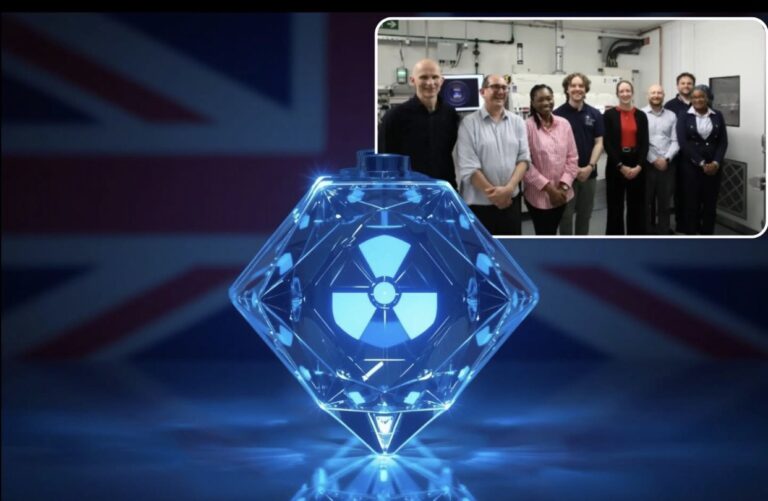
LONDON – British researchers have achieved a breakthrough in sustainable energy with the creation of a “diamond battery” that harnesses recycled nuclear waste to generate continuous power for millennia. This innovation could redefine long-term energy storage for space exploration, medical implants, and critical infrastructure.

How the Diamond Battery Works

The revolutionary power source combines:
Repurposed nuclear graphite (from decommissioned reactors)
Lab-grown diamond layers that convert radiation into electricity
Betavoltaic technology generating current through radioactive decay

Unlike conventional batteries, this system requires no recharging—just gradual decay of carbon-14 isotopes over 5,700 years (equivalent to carbon’s half-life).

Unprecedented Performance & Safety

Early prototypes demonstrate:

  • Ultra-long lifespan: Outlasting all existing battery technologies
  • Minimal radiation: Weaker than natural human body emissions
  • Zero maintenance: Fully sealed, non-toxic design
  • Eco-friendly solution: Repurposes nuclear waste stockpiles

“We’re turning a global liability into clean energy,” explains Dr. Oliver Scott, lead researcher at the University of Bristol. “One gram of recycled nuclear material could power a pacemaker for 28,000 years.”

Potential Applications

The technology could transform:
Space exploration: Powering probes for interstellar missions
Medical devices: Enabling lifetime implantable electronics
Remote sensors: Maintaining infrastructure monitoring for centuries
Disaster zones: Providing permanent backup power sources

Challenges Ahead

While promising, scaling faces hurdles:

  • Current low power output (sufficient for microelectronics only)
  • Regulatory approvals for nuclear material use
  • Manufacturing costs of synthetic diamond components

The UK Atomic Energy Authority has invested £4.2 million to advance the technology, with pilot production expected by 2026.

Stay updated on revolutionary energy solutions—follow The Azadi Times for cutting-edge science reporting.

Ancient Wound-Closing Technique Used Soldier Ants as Living Surgical Staples

By Medical History Correspondent

HISTORICAL DISCOVERY – Centuries before modern sutures existed, indigenous healers in tribal regions developed a remarkable wound-closing technique using nature’s own surgical tools—soldier ants. This forgotten practice, now being revisited by medical historians, demonstrates extraordinary ingenuity in early medicine.

How Ant Sutures Worked

The precise method involved:
Selecting large-jawed soldier ants (typically Dorylus or Eciton species)
Positioning the insect’s mandibles across wound edges
Triggering the ant’s natural bite reflex to clamp skin together
Twisting off the body while leaving the locked jaws in place

Each ant could hold 3-5mm of tissue, with multiple specimens spaced along serious wounds. The mandibles’ natural curvature created ideal clamping pressure for healing.

Scientific Validation of Ancient Practice

Modern analysis reveals why this worked:

  • Ant mandible composition: Hardened zinc-containing material maintains grip
  • Sterile technique: Ants’ antimicrobial saliva reduced infection risk
  • Biodegradability: Jaws eventually dissolved as wounds healed

“This was essentially the first absorbable suture,” notes Dr. Helena Murchison, a biomedical anthropologist studying traditional African and South American medical practices. “The precision of selecting the right ant species shows deep observational science.”

Tribal Medicine’s Lasting Legacy

Historical records show this technique was used by:
Maasai warriors in East Africa
Amazonian healers in Peru and Brazil
Hill tribes of Northeast India

Some remote communities reportedly still use emergency ant sutures when modern medical care is inaccessible.

Modern Medical Parallels

Contemporary medicine has developed surprising echoes of this ancient method:

  • Surgical staples mimicking the ant’s clamping action
  • Bioadhesive technologies inspired by natural adhesives
  • Maggot therapy using controlled biological debridement

“We’re now scientifically validating what indigenous practitioners knew empirically,” says Dr. Raj Patel, a wound care specialist researching historical techniques.

Preserving Traditional Knowledge

This rediscovery highlights:
Importance of documenting indigenous medicine before knowledge is lost
Potential for nature-inspired biomedical innovations
Need for respectful collaboration with traditional healers

For more fascinating intersections of history and medicine, follow The Azadi Times Hidden Histories series.

New Research Reveals Lasting Brain Impact When Babies’ Cries Go Unanswered

By Child Development Correspondent

GROUNDBREAKING FINDINGS – A growing body of neuroscientific research demonstrates that consistently ignoring a crying infant does more than cause temporary distress—it can physically reshape their developing brain, with consequences lasting into adulthood. These findings challenge historical parenting advice suggesting babies should “cry it out.”

The Science of Unanswered Cries

Cutting-edge studies using fMRI and cortisol measurements show:

Stress System Overload: Prolonged crying floods infant brains with cortisol, potentially damaging developing neural pathways
Amygdala Hyperactivity: The brain’s fear center becomes oversensitive, increasing anxiety risks later in life
Prefrontal Cortex Underdevelopment: Critical areas for emotional regulation may form weaker connections
Immune System Suppression: Chronic stress in infancy correlates with higher lifetime inflammation markers

“An infant’s brain expects the world to respond to its needs,” explains Dr. Sarah Watson, developmental neuroscientist at Cambridge University. “When those signals go unanswered, the brain adapts—but at a cost.”

The 90-Second Window

Research identifies a critical timeframe:

  • First 90 seconds: Normal stress response
  • Beyond 90 seconds: Cortisol levels spike dramatically
  • Repeated episodes: May lead to permanent changes in stress reactivity

Evidence-Based Comforting Strategies

Child development experts recommend:
Prompt response to cries in first 6 months
Physical contact (skin-to-skin preferred)
Soothing vocal tones to co-regulate emotions
Consistent caregiving to build secure attachment

Debunking “Spoiling” Myths

Contrary to outdated beliefs:

  • No evidence that responding to cries creates dependency
  • Multiple studies show faster self-soothing development in comforted infants
  • Secure attachment predicts better mental health outcomes

Global Implications

These findings carry special significance for:

  • Orphanage-raised children showing documented brain changes
  • Parents facing cultural pressure to limit comforting
  • Policy makers designing parental leave programs

“This isn’t about perfect parenting,” stresses Dr. Watson. “It’s about recognizing that infant cries are survival signals—not manipulation.”

14-Year-Old Indian-American Inventor Wins Top U.S. Science Prize for Revolutionary Pesticide Detector

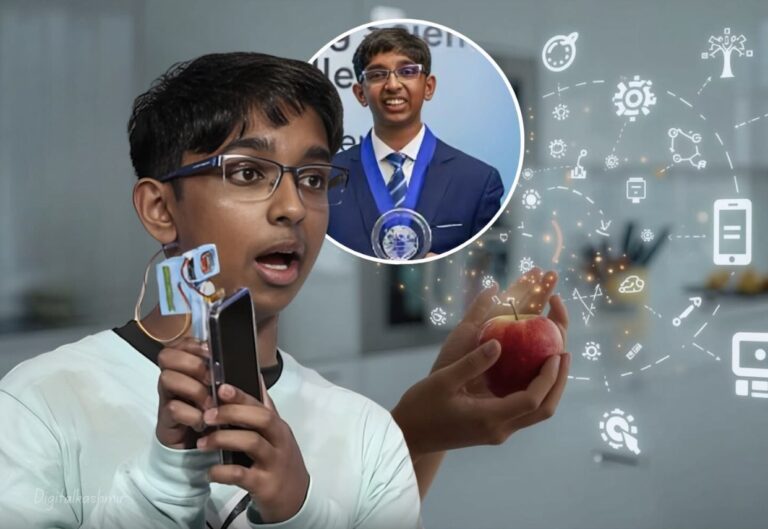
WASHINGTON, D.C. – Sirish Subash, a 14-year-old Indian-American student, has been crowned America’s Top Young Scientist for his groundbreaking invention – PestiSCAND, a portable device that detects dangerous pesticide residues on produce with remarkable accuracy. The teen innovator claimed the prestigious 2024 3M Young Scientist Challenge title and a $25,000 prize for his potentially life-saving creation.

How PestiSCAND Works: AI Meets Food Safety

The handheld device revolutionizes pesticide detection by combining:

  • Optical sensor technology that scans produce surfaces
  • Artificial intelligence algorithms trained on pesticide chemical signatures
  • Instant results display showing contamination levels

With lab tests confirming 85%+ accuracy, the innovation could empower consumers to check fruits and vegetables at home or markets before purchase.

“Current detection methods require expensive lab equipment,” Sirish explained during his award presentation. “PestiSCAND makes food safety accessible to everyone.”

From Classroom to Global Impact

The young inventor’s journey began with alarming statistics:
WHO estimates 385 million pesticide poisonings annually
USDA reports show pesticide residues on 70%+ non-organic produce
Existing solutions cost thousands and require technical expertise

Sirish spent months developing and refining prototypes before achieving his breakthrough. His science teacher, Dr. Elena Rodriguez, noted, “What sets Sirish apart is his determination to solve real-world problems affecting ordinary families.”

Affordable Safety Coming Soon

With his prize money and 3M mentorship, Sirish plans to:

  • Further refine detection accuracy to 90%+
  • Launch consumer version priced at just ~$20
  • Explore partnerships with grocery chains and food safety organizations

The device could prove particularly valuable in developing nations where pesticide regulation enforcement remains challenging.

A Bright Future Ahead

Sirish joins notable alumni of the competition whose inventions have gone on to save lives and disrupt industries. Judges praised his:
Practical application addressing critical health concerns
User-centric design prioritizing accessibility
Commercial viability with clear mass-market potential

“This proves age is no barrier to meaningful innovation,” said 3M Chief Science Advocate Dr. Jayshree Seth. “Sirish exemplifies how young minds can drive progress on global challenges.”

Ukrainian Innovator Turns Fallen Leaves Into Eco-Friendly Paper, Saving Millions of Trees

Sustainability & Innovation Correspondent

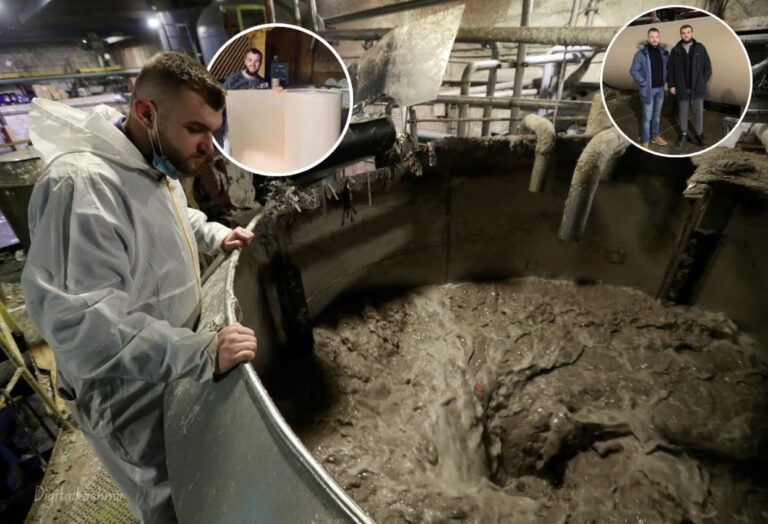
KYIV, Ukraine – A 23-year-old Ukrainian scientist has pioneered a groundbreaking solution to deforestation and paper waste: transforming fallen leaves into high-quality, biodegradable paper products. Valentyn Frechka’s startup, Releaf Paper, is disrupting the traditional paper industry by offering a sustainable alternative that requires no tree cutting and drastically reduces environmental harm.

From Leaf Litter to Luxury Packaging

Frechka’s innovation repurposes urban leaf waste—a resource often discarded or burned—into durable paper materials. The process involves:

  • Collecting fallen leaves from parks and streets
  • Extracting natural cellulose fibers using eco-friendly chemicals
  • Producing chlorine-free paper for bags, boxes, and packaging

Compared to conventional wood-pulp paper, Releaf’s method uses 15 times less water and cuts CO₂ emissions by 78%. Each tonne of leaf-based cellulose saves 17 trees and recycles 2.3 tonnes of organic waste.

Major Brands Embrace the Green Alternative

Releaf Paper has already attracted high-profile clients, including Samsung, L’Oréal, and Chanel, which use the material for sustainable packaging. The company operates in Ukraine and France, with plans to expand globally thanks to EU funding and rising demand for eco-conscious materials.

“This isn’t just paper—it’s a circular economy solution,” Frechka explains. “We’re turning a seasonal nuisance into a valuable resource while protecting forests.”

The Future of Paper?

Industry analysts predict leaf-based paper could replace up to 30% of traditional paper products within a decade, particularly in packaging. Key advantages include:
Biodegradability – Decomposes naturally without microplastics
Lower carbon footprint – Reduces reliance on timber and energy-intensive processing
Urban waste reduction – Diverts leaves from landfills and incinerators

Challenges and Next Steps

While promising, scaling production remains a hurdle. Releaf is working to:

  • Increase manufacturing capacity to meet global demand
  • Improve cost competitiveness against conventional paper
  • Expand leaf collection networks in major cities

Governments and corporations are watching closely, as the innovation aligns with EU Green Deal objectives and corporate sustainability pledges.

Stay updated on groundbreaking eco-solutions—follow The Azadi Times for the latest in sustainability and innovation.

Mystery Solved: The Truth Behind the Frog With ‘Eyes’ in Its Mouth

VIRAL PHENOMENON – A bizarre image of a frog with what looks like eyeballs embedded inside its mouth has taken social media by storm, leaving millions wondering: Is this real? Biologists confirm the photo is authentic—but the explanation is more science than sci-fi.

The Viral Frog: Real Photo, Rare Condition

The unsettling yet fascinating image shows:
Eye-like structures protruding from the oral cavity
Normal external eyes still present on the head
No signs of digital manipulation in verified analyses

“This isn’t a genetic mutation or new species,” clarifies herpetologist Dr. Samuel Rivera. “It’s an extreme developmental anomaly—likely caused by parasitic interference or embryonic damage.”

Scientific Explanations

Experts propose two leading theories:
Parasite-Induced Disruption

  • Trematode flatworms are known to alter amphibian limb growth
  • May have interfered with facial development during tadpole stage

Developmental Defect

  • Error in cell migration during embryogenesis
  • Similar to rare human craniofacial conditions

“The ‘eyes’ are probably displaced oral tissues that coincidentally resemble eyeballs,” notes developmental biologist Dr. Priya Kapoor. “True ectopic eyes would require impossible nerve/brain connections.”

Why This Matters

While unsettling, such anomalies help scientists understand:
Embryonic development pathways
Parasite-host interactions
Evironmental impacts on wildlife health

The frog (likely a Lithobates species) probably survived briefly post-metamorphosis but wouldn’t thrive long-term due to feeding challenges.

Social Media vs. Science

The viral spread highlights:
Public fascination with biological oddities
Importance of expert verification
Ethical concerns over sharing distressed wildlife

“We must balance curiosity with compassion,” urges wildlife ethicist Dr. Marco Chen. “This isn’t entertainment—it’s a living creature’s struggle.”

The Hidden Universe Beneath Our Feet: A Teaspoon of Soil Holds More Life Than All Humans on Earth

Environment & Science Correspondent

GLOBAL – Scientists are uncovering the astonishing biodiversity thriving right under our feet—revealing that a single teaspoon of healthy soil contains over one billion microscopic organisms, outnumbering the entire human population. This underground ecosystem, teeming with bacteria, fungi, protozoa, and nematodes, plays a critical role in sustaining life on Earth, from food production to carbon storage.

Why Soil Is More Than Just “Dirt”

Soil is one of the planet’s most complex and least understood ecosystems. Researchers using advanced DNA sequencing have found that:
1 gram of soil can contain up to 10,000 bacterial species
Fungal networks stretch for miles, acting as nature’s internet (“Wood Wide Web”)
Microbes decompose organic matter, recycling nutrients to feed plants
Healthy soil captures carbon, helping combat climate change

“Soil is the foundation of all terrestrial life,” says Dr. Jane Goodall, renowned primatologist and soil advocate. “If we lose it, we lose everything.”

The Silent Crisis: Soil Degradation

Despite its importance, one-third of the world’s soil is degraded due to:
Industrial farming (pesticides, heavy tilling)
Deforestation (erosion, loss of organic matter)
Urbanization (sealing soil under concrete)

The UN warns that at current rates, 90% of Earth’s soil could be degraded by 2050, threatening global food security and biodiversity.

Hope Underground: Regenerative Agriculture

Farmers and scientists are turning to soil-restoring practices, including:
Cover cropping (protecting soil between harvests)
No-till farming (reducing erosion)
Composting (rebuilding microbial life)

“The solution to climate change and food security is right beneath us,” says soil biologist Dr. Elaine Ingham. “We just have to nurture it.”

What Can You Do?

Support regenerative farms
Compost food waste
Avoid chemical pesticides
Plant diverse gardens

Stay informed on environmental breakthroughs—follow The Azadi Times for science-backed sustainability news.

China’s Stainless Steel Hypersonic Missiles Defy Aerospace Norms

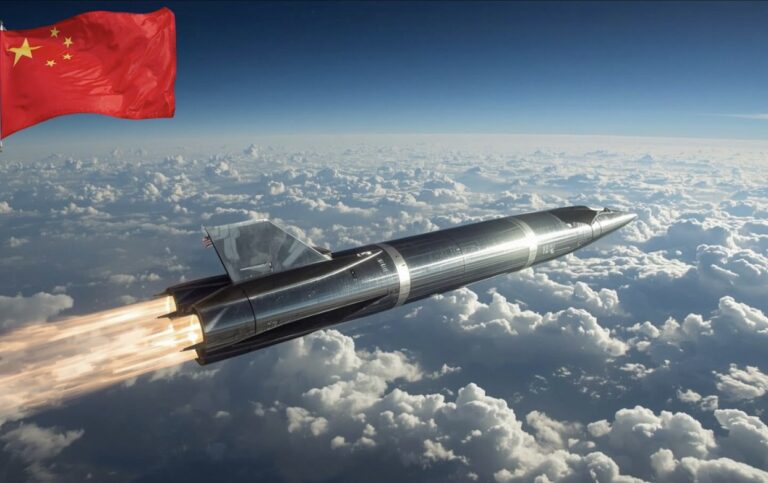
BEIJING – In a breakthrough that could reshape global hypersonic warfare, Chinese military scientists have successfully developed high-speed missiles constructed primarily from stainless steel a material long dismissed as too weak for Mach 5+ flight. The innovation threatens to upend traditional aerospace manufacturing and give China a cost-effective edge in next-generation arms development.

Defying Conventional Wisdom

Hypersonic missiles, capable of traveling at least five times the speed of sound (Mach 5+), typically require expensive, lightweight materials like titanium alloys or carbon composites to endure temperatures exceeding 2,000°C (3,632°F). However, researchers at China’s National University of Defense Technology (NUDT) have engineered a proprietary stainless steel variant that maintains structural integrity under extreme heat and stress.

  • Material Science Breakthrough: Advanced grain refinement and alloying techniques enhance steel’s heat resistance.
  • Cost Advantage: Stainless steel is 10-20x cheaper than titanium, enabling mass production.
  • Simplified Manufacturing: Unlike carbon composites, steel doesn’t require specialized facilities.

Strategic Implications

Western defense analysts had previously assumed China’s hypersonic advancements relied on rare materials. This development suggests:
Faster production of hypersonic arsenals
Lower costs compared to U.S. and Russian counterparts
Greater adaptability for export to allied nations

“This is a game-changer,” said Dr. Markus Schiller, a European missile technology expert. “If they’ve truly made steel viable at Mach 5, it disrupts the entire cost calculus of hypersonic deterrence.”

Global Arms Race Intensifies

The U.S., Russia, and China are locked in a hypersonic arms race, with Beijing now leading in operational deployments. Recent tests of its DF-ZF glide vehicle and YJ-21 anti-ship missile suggest stainless steel components may already be in use.

Key Concerns:
Proliferation risk: Cheaper materials could enable wider global spread
Detection challenges: Steel may alter radar signatures unpredictably
Thermal management: Long-term durability under repeated use remains unproven

What’s Next?

Pentagon officials confirm monitoring the development but remain skeptical about performance parity with advanced composites. Meanwhile, China’s defense industry is reportedly exploring steel-based applications for drones and spaceplanes.

“The rules of hypersonics are being rewritten,” said a NATO-affiliated researcher speaking anonymously. “If this works as claimed, everyone will need to revisit their material science playbooks.”

Mind to Machine: Breakthrough Brain Tech Lets Paralyzed Patients Speak Again

0

LONDON – In what sounds like science fiction made real, revolutionary brain-computer interfaces (BCIs) are now restoring speech to those who lost it – translating unspoken thoughts into fluent written or spoken words through the power of artificial intelligence.

Silenced No More

The cutting-edge systems are transforming lives for stroke survivors, ALS patients, and those paralyzed by injuries. Some versions use implanted microelectrodes to decode brain signals into real-time synthetic speech, while non-invasive headset models convert mental words into typed text with growing precision.

“This isn’t just assistance – it’s giving people back their fundamental human ability to communicate,” said Dr. Sarah Chen, a neural engineer at Imperial College London. “Patients who haven’t spoken in years can suddenly tell their children ‘I love you’ again.”

How the Mind-Reading Tech Works

The most advanced systems combine:

  • High-density electrode arrays surgically placed on the brain’s speech centers
  • AI language decoders trained on thousands of hours of neural activity patterns
  • Voice synthesizers that recreate the patient’s original vocal tones

Early trial results published in Nature show some patients achieving 150-word-per-minute communication speeds – nearing natural conversation pace.

The Ethical Frontier

As capabilities accelerate, so do concerns:

  • Mental privacy: Could hacked BCIs expose intimate thoughts?
  • Neurodata ownership: Who controls recorded brainwave patterns?
  • Enhanced vs. therapeutic use: Should healthy people get “mind typing” implants?

“These interfaces blur the line between medical device and human augmentation,” warns bioethicist Dr. Kwame Osei. “We need guardrails before this becomes mainstream.”

What’s Next

With FDA fast-tracking approvals and tech giants investing billions, experts predict consumer-grade thought-to-text devices within 5-7 years. For now, the focus remains on helping those most in need – like clinical trial participant Mark Williams, a stroke survivor who recently told researchers via his BCI: “After eight silent years… being heard is everything.”

This story is developing. Follow for updates on neurotechnology breakthroughs.

The Azadi Times is committed to reporting on transformative technologies with accuracy and ethical consideration. Support independent science journalism by [support method].