Sunday, March 29, 2026
13.4 C
Srinagar
Home Blog Page 60

Iranian Missile Strike Destroys 10-Story Apartment Building in Israel, Leaving Several Dead and Dozens Trapped

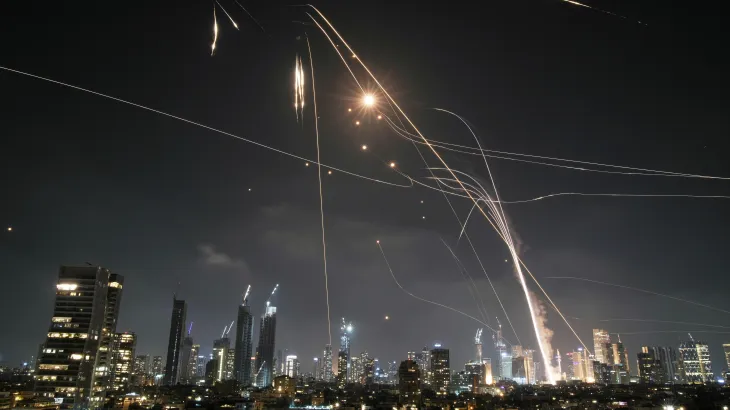
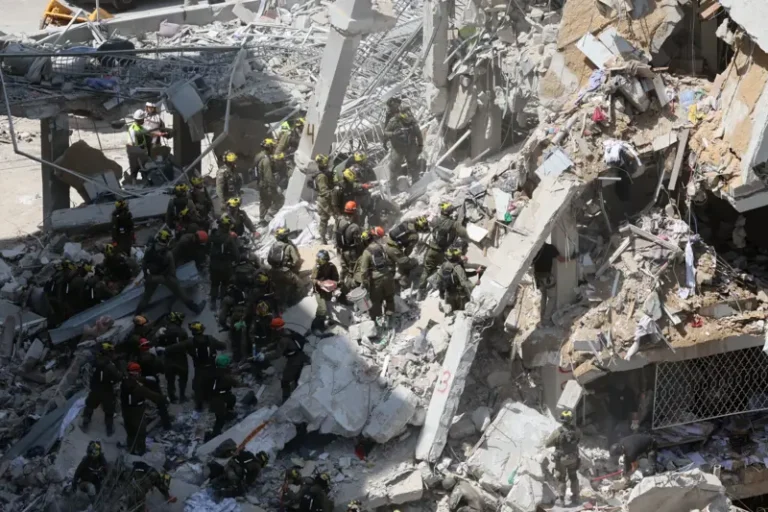
Haifa | Tel AvivIn what has become the deadliest Iranian missile strike on Israel since the start of the latest conflict, a 10-story residential apartment building was directly hit just hours ago, killing at least six people and leaving seven others still trapped under the rubble.

The missile strike, part of Iran’s ongoing retaliatory campaign dubbed “Operation Ya Ali ibn Abi Talib”, has escalated tensions to new heights amid the broader True Promise III offensive.

Race Against Time to Rescue Survivors

Local emergency services have described the rescue effort as a race against time, as teams work tirelessly to extract survivors from the collapsed section of the building. Initial reports estimated that up to 35 people were trapped under the debris, with heavy machinery and K-9 units deployed in full force.

Read Also: Operation Ya Ali ibn Abi Talib: Iran Launches Largest Missile Strike Yet on Israel During Eid al-Ghadir

The entire wing of the residential complex has collapsed, with twisted metal rods and cracked concrete slabs hanging precariously from the remains. Groups of anxious family members, journalists, and bystanders gathered behind police barricades, watching the dramatic search and rescue efforts unfold.

Blast Wave Shatters Surroundings

The intensity of the explosion was felt far beyond the building itself. According to eyewitnesses, the shockwave shattered windows and ripped off shutters of nearby apartment blocks up to 100 meters (328 feet) away.

“We felt the ground shake. It was like a thunderclap, and then screams. Windows just exploded,” said one local resident.

This strike marks the most lethal attack on Israeli civilians in the ongoing two-and-a-half-day-long war, ignited after Iranian leaders vowed revenge for Israeli airstrikes on Iranian soil that killed high-ranking military and nuclear personnel earlier this week.

Civilian Toll Rises on Both Sides

While this strike has caused a high number of casualties in Israel, the civilian death toll inside Iran is believed to be significantly higher, following Israeli operations earlier in the week that allegedly targeted residential neighborhoods and strategic locations in Tehran, Isfahan, and Qom.

The escalating tit-for-tat strikes have raised fears of a full-scale regional war, with international calls for restraint growing louder.
Operation Ya Ali ibn Abi Talib: Iran Launches Largest Missile Strike Yet on Israel During Eid al-Ghadir

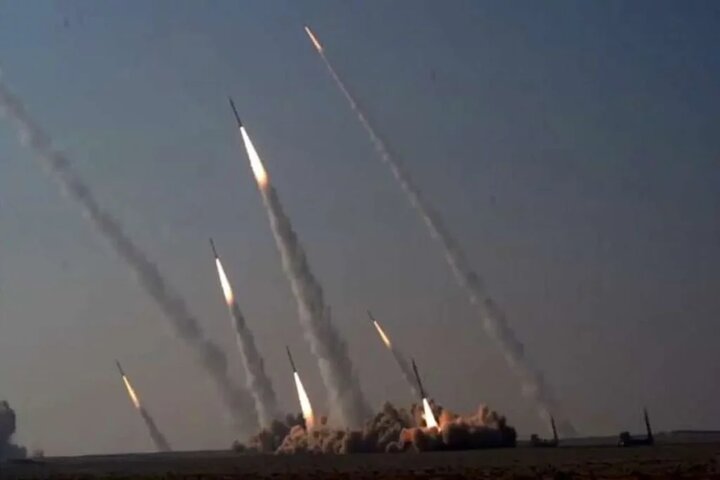
Tehran | Haifa | Jerusalem: In an unprecedented escalation of hostilities in the region, Iran’s Islamic Revolutionary Guard Corps (IRGC) launched a fresh and intensified wave of missile and drone strikes on Israel late Saturday night, marking the latest phase of its ongoing retaliatory campaign, “Operation True Promise III.”

The new phase, codenamed “Ya Ali ibn Abi Talib”, was launched on the eve of Eid al-Ghadir, a significant religious occasion for Shia Muslims. The operation was described by Iranian officials as a response to the Israeli regime’s earlier airstrikes, which resulted in the assassination of high-ranking Iranian military leaders and nuclear scientists, including Major General Mohammad Bagheri and Brigadier General Amir Ali Hajizadeh.

Haifa and Northern Israel Under Fire

Iranian precision-guided missiles reportedly struck key Israeli infrastructure in the occupied port city of Haifa, setting fire to oil refineries and targeting power grids. Several viral videos circulating on social media show massive fires and thick black smoke rising from impacted areas, including strategic military and industrial facilities.

Read Also: Did Pakistan or Iran Shoot Down Israeli F-35 Jets? Viral Claims Raise Questions Amid Regional Tensions

Reports also indicate widespread power outages in northern occupied Palestine, particularly in Upper Galilee, Western Galilee, Nazareth, and Afula, due to direct hits on electricity infrastructure.

According to Iranian state media, missiles used in this wave included Emad, Qadr, and Kheibar Shekan—a powerful arsenal from Iran’s long-range missile inventory. Unconfirmed reports also suggest ammonia storage tanks in Haifa may have been hit, potentially releasing toxic chemicals into the atmosphere.

“Largest Missile Strike by Iran”

This latest wave has been described by some regional media as the largest coordinated missile and drone strike ever launched by Iran against Israeli targets. While the full extent of the damage is still being assessed, early reports confirm severe disruption to Israel’s energy and industrial systems.

The IRGC Aerospace Division claimed responsibility for the strikes, issuing a statement warning Israeli military pilots to surrender rather than engage in combat:

“Protect your life. We are true to our promise.”

Context: Retaliation After High-Profile Assassinations

The Iranian operation comes in direct retaliation for Israeli airstrikes on Iranian soil, which occurred in the early hours of Friday and killed several prominent figures, including:

  • Major General Mohammad Bagheri, Chief of Staff of the Iranian Armed Forces

  • Brigadier General Amir Ali Hajizadeh, IRGC Aerospace Division Commander

  • General Gholam Ali Rashid, IRGC senior commander

  • Dr. Fereydoon Abbasi, Dr. Mohammad Mehdi Tehranchi, and Dr. Abdolhamid Minoucher—senior Iranian nuclear scientists

Civilians, including women and children, were also reportedly killed in the attack.

Iran’s Supreme Leader, Ayatollah Ali Khamenei, condemned the Israeli strike as a “grave mistake” and vowed harsh consequences, stating:

“The Iranian nation will not overlook the blood of its martyrs and will not ignore aggression against its sky.”

US-Israel Cooperation Under Scrutiny

Iranian officials have accused the United States of complicity in the Israeli strikes, with Foreign Minister Abbas Araghchi calling out U.S. support during a phone call with EU foreign policy chief Kaja Kallas.

The situation intensified after former U.S. President Donald Trump, speaking to CNN, expressed open support for Israel, calling the assault “a very successful attack” and warning Iran to return to the negotiating table.

A report by Middle East Eye further claimed that the U.S. had quietly delivered hundreds of advanced laser-guided missiles to Israel prior to the strike, knowing they would be used in attacks against Iran.

Conclusion

With the Middle East on the brink of broader conflict, the True Promise III operation—launched under the spiritual code name “Ya Ali ibn Abi Talib” and timed with Eid al-Ghadir—signals not just military retaliation, but a symbolic stance of resistance.

As tensions between Iran, Israel, and the United States reach a critical tipping point, independent observers and global powers are calling for restraint amid fears of a wider regional war.

Did Pakistan or Iran Shoot Down Israeli F-35 Jets? Viral Claims Raise Questions Amid Regional Tensions

    0

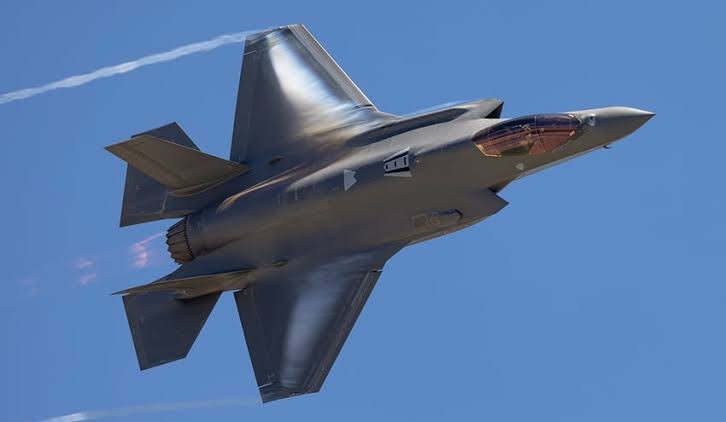
    Tehran | Tel Aviv: Social media is ablaze with viral reports claiming that Pakistan shot down an Israeli F-35 stealth fighter jet, with some users even sharing what they allege to be screenshots from an Israeli newspaper. These unconfirmed claims are quickly gaining traction on platforms like YouTube, X (formerly Twitter), and TikTok — sparking global curiosity and confusion.

    However, despite the virality of these posts, no independent or official source has confirmed that Pakistan shot down any Israeli fighter jet, including the advanced F-35.

    Iran Claims It Downed Two Israeli Fighter Jets, Captured Pilots

    Adding to the chaos, Iranian media has claimed that Iran successfully shot down two Israeli fighter jets though it did not specify the model. According to the reports, three Israeli pilots have been captured alive and are currently in Iranian custody. If verified, this would mark one of the most dramatic escalations in regional hostilities in recent years.

    Read Also: Iran Launches Massive Retaliation: Israeli Jets Shot Down, Tel Aviv Under Attack

    As of now, Israel has not issued any official statement regarding the alleged loss of aircraft or personnel. There is also no verification from international watchdogs or defense monitoring organizations.

    Fake News or Fact? What We Know So Far

    • Claim 1: Pakistan shot down an Israeli F-35 — No credible evidence.

    • Claim 2: Iran downed 2 Israeli jets and captured pilots — Reported by Iranian media.

    • Circulating Images: Screenshots said to be from Israeli media — Not authenticated.

    Security experts warn that these stories may be part of a growing disinformation campaign fueled by the complex geopolitical tensions in the Middle East and South Asia. Past conflicts have shown how fake news can escalate real-world consequences.

    Why This Story Matters

    The F-35 Lightning II is among the most advanced stealth fighters in the world. Any credible report of one being shot down—especially by countries like Pakistan or Iran—would be a major international event. It could signal significant shifts in regional air defense capabilities and strategic military balances.

    Until verified evidence emerges from trustworthy sources, these reports should be treated as unconfirmed and potentially misleading. Stay tuned to independent news platforms for accurate updates as the situation develops.

    Iran Launches Massive Retaliation: Israeli Jets Shot Down, Tel Aviv Under Attack

    In a dramatic escalation in the Middle East, Iran’s Islamic Revolutionary Guard Corps (IRGC) has confirmed launching a large-scale ballistic missile attack on Israel, targeting multiple military bases and infrastructure sites in what it calls Operation “True Promise 3”.

    War Erupts: Iran Confirms Attack on Dozens of Israeli Sites

    Iran’s official state media announced that the IRGC has attacked “dozens of military centres and airbases” across Israel in direct retaliation for Israeli airstrikes on Iranian nuclear facilities in Isfahan and Natanz.

    • Ballistic missiles and drones were used in the assault.

    • Loud explosions were reported in Tel Aviv, Jerusalem, and central Israel.

    • Shelters are being filled with panicked citizens across Israeli cities.

    Iranian State TV Claims Two Israeli Fighter Jets Shot Down

    In a bold and yet unverified claim, Iranian media outlets report that at least two Israeli fighter jets have been downed over Iranian territory. While this has not been independently confirmed, footage circulating online allegedly shows burning debris and a pilot parachuting to safety.

    Read Also: Iran-Israel War: Live Updates, Analysis, and Global Reactions

    Tel Aviv Under Fire: Ambulances Rushed to Multiple Sites

    Israel’s national ambulance service, Magen David Adom, confirmed that at least five people have been injured from shrapnel and explosions in the greater Tel Aviv area:

    • 1 individual is in moderate condition

    • 4 others sustained light injuries

    Ambulance teams have been dispatched to seven locations in the Dan Bloc region following reports of missile strikes.

    Israel’s Counter-Strike on Iranian Nuclear Sites

    Hours before Iran’s retaliation, the Israeli Defense Forces (IDF) claimed to have launched a precision airstrike on Iran’s Isfahan nuclear facility, reportedly destroying:

    • A metallic uranium production facility

    • Infrastructure for enriched uranium conversion

    • Sensitive laboratories

    These strikes mark one of Israel’s boldest moves against Iran’s nuclear capabilities to date.

    Global Fallout and Warnings

    Iran’s Supreme Leader, Ayatollah Ali Khamenei, vowed severe consequences:

    “Iran will inflict heavy blows. Those who commit aggression against the Islamic Republic will not escape unscathed.”

    Meanwhile, air defense systems have been activated across Tehran, and international condemnation is pouring in.

    • The United Nations Security Council is expected to convene an emergency meeting within hours.

    • Oil prices have surged as fears of a regional war intensify.

    Sirens Across Israel, Rocket Fired from Yemen

    Adding to the chaos, Israel’s military confirmed a missile launched from Iran toward Jerusalem. The IDF is operating to intercept the threat, and all Israeli citizens have been ordered to:

    • Minimize movement in public

    • Avoid gatherings

    • Remain near bomb shelters

    US and Global Reactions: Trump Calls It ‘Excellent’

    US President Donald Trump, who is reportedly still pursuing back-channel talks with Iran, said in a media interview:

    “I think it’s been excellent… We gave them a chance. They didn’t take it.”

    While US forces were informed in advance, the US has officially distanced itself from operational involvement in the Israeli strikes.

    Eyewitness Accounts from the Ground

    • BBC and Reuters correspondents in Tel Aviv and Jerusalem reported loud booms, flashes in the sky, and residents sheltering in basements.

    • Videos circulating on social media show interceptions by Iron Dome and alleged direct hits in populated areas.

    What’s Next?

    The situation is rapidly evolving. Military experts warn that if escalation continues, the region could face:

    • Full-scale war between Israel and Iran

    • Involvement of proxy groups like Hezbollah, Houthis, and Hamas

    • Threats to global oil supply chains

    This is a developing story. Follow our live updates for verified reports, government statements, and international responses.

    Best Offline PUBG Alternatives for Android: Battle Royale Fun Without Internet

    In 2025, PUBG remains a global phenomenon, but not everyone has constant internet access to enjoy its intense multiplayer battles. Whether you’re traveling, conserving data, or just in a low-connectivity area, offline games like PUBG offer a perfect alternative.

    In this article, we explore the top PUBG offline games, designed especially for Android users who crave action-packed shooting games without needing Wi-Fi or mobile data.

    1. Cover Fire: Offline Shooting Games

    Why it’s like PUBG:
    Cover Fire features tactical missions, sniper battles, and squad-based gameplay. It has a battle environment similar to PUBG and can be played completely offline.

    Features:

    • 3D graphics and immersive environments
    • Multiple campaign modes
    • Realistic weapons and upgrades
    • Compatible with low-end Android phones

    File Size: Around 400MB

    2. ScarFall: The Royale Combat

    Why it’s like PUBG:
    ScarFall mimics the battle royale style of PUBG with both online and offline modes. It’s one of the few games that allow you to fight in real PUBG-like environments without an internet connection.

    Read Also: NYT Wordle Answer & Hints for Today (Puzzle #1445): A Smart Word Game With a Technical Twist

    Features:

    • Solo and team survival modes
    • Huge open-world maps
    • Smooth controls
    • Offline shooting battles

    File Size: Around 300MB

    3. Giant.io

    Why it’s like PUBG:
    Giant.io offers a cartoonish take on the battle royale genre with mechanics very similar to PUBG. It also supports offline play with AI enemies.

    Features:

    • Build and shoot mechanics
    • Parachuting, looting, and survival gameplay
    • Multiplayer and offline modes
    • Weapons customization

    File Size: Approximately 250MB

    4. Battle Royale Fire Force Free: Offline Shooting Game

    Why it’s like PUBG:
    This offline shooting game brings intense battle royale combat to your Android device. Though not as polished as PUBG, it delivers a decent offline experience.

    Features:

    • AI-based enemies
    • Desert survival scenarios
    • Simple interface and controls
    • Great for low-end Android devices

    File Size: Under 200MB

    5. Free Survival: Fire Battlegrounds

    Why it’s like PUBG:
    Free Survival is inspired directly by PUBG and Free Fire. With offline play support, it offers survival missions where players must loot, shoot, and survive till the end.

    Features:

    • Offline survival campaigns
    • Variety of weapons and skins
    • Story-based missions
    • Supports older Android versions

    File Size: Around 150MB

    Why Choose Offline PUBG Alternatives?

    Benefits:

    • No internet or data required
    • Saves battery life
    • Reduces mobile data costs
    • No lags or disconnections
    • Ideal for travel and rural areas

    Offline PUBG-style games provide a thrilling gaming experience without the need for constant internet access. They also help users with limited data plans or slower networks enjoy action gaming anytime, anywhere.

    Final Thoughts

    If you’re a battle royale enthusiast looking for the best PUBG offline games for Android, the titles listed above offer excellent alternatives in 2025. These games combine exciting gameplay, strategic missions, and impressive graphics, all while working offline. So, whether you’re on a plane, in a remote area, or just conserving your data, these games ensure that your gaming fun never stops.

    Don’t forget to share this list with fellow gamers and bookmark it for future updates!

    Iran-Israel War: Live Updates, Analysis, and Global Reactions

    The Middle East is once again at the center of global attention as Israel and Iran engage in a dramatic and dangerous escalation. Overnight, Israeli airstrikes targeted Iranian nuclear sites and military leaders in what officials are calling “Operation Rising Lion.” Iran, meanwhile, has vowed a strong response, raising fears of a wider regional war.

    Iran-Israel Key Developments (Updated Live)

    • Israeli air strikes hit multiple locations in Iran, including the Natanz nuclear facility, Tehran, Tabriz, and other strategic sites.
    • Iranian state media reports at least 78 killed, 329 injured in the strikes—figures not independently verified.
    • IDF confirms ongoing operations and claims to have “significantly harmed” Iran’s nuclear infrastructure.
    • Iranian Revolutionary Guard chief and senior scientists killed, according to Israeli and Iranian sources.
    • Civilians, including children, reported among casualties in Iran’s capital and other cities.
    • Oil prices surge over 7% in response to the attacks; global markets react with caution.
    • Global leaders, including the US, UK, France, Germany, Turkey, Saudi Arabia, and China, call for restraint and urge both sides to avoid further escalation.
    • UN Security Council to hold an emergency meeting at Iran’s request.
    • Air raid sirens and missile warnings activated across northern Israel amid fears of further retaliation.
    • Verified footage shows major damage to residential and military sites in Iran.

    Analysis: What Prompted the Israeli Strikes?

    Read Also: Trump Sends Letter to Iran’s Supreme Leader, Offers Talks on Nuclear Deal

    Israeli Perspective

    Danny Danon, Israel’s ambassador to the UN, declared that the “Iranian threat took a dramatic turn” due to rapid advances in Iran’s nuclear program. Israeli officials claim Iran has enough enriched material for “multiple nuclear weapons” and accuse Tehran of planning a major surprise attack on Israel. The strikes, Israel says, are pre-emptive and designed to ensure national security.

    “We won’t sit quietly while our people are targeted, not again, not ever. Empty words will not stop Iran. Israel will.”
    — Danny Danon, Israeli Ambassador to the UN

    Iranian Response to Israel

    Iran has condemned the Israeli attacks as a violation of sovereignty and international law. Iranian officials have vowed a “severe and immediate response” and claim the US is complicit—an accusation Washington denies. Iranian state media has reported dozens of deaths and widespread destruction, including the killing of leading scientists and military figures.

    In Depth: What Was Targeted?

    Natanz Nuclear Facility

    Israel’s main focus was the Natanz nuclear site, Iran’s largest uranium enrichment facility. The IDF claims to have “significantly harmed” the facility, which the International Atomic Energy Agency (IAEA) recently warned could provide enough material for several nuclear bombs if fully weaponized. Iran insists its program is peaceful.

    Military and Scientific Leadership

    Several high-ranking members of the Iranian Revolutionary Guard and nuclear program are reported killed. This mirrors Israel’s previous strategy against Hezbollah in Lebanon: weaken leadership and degrade capabilities.

    Civilian Impact

    While Israel claims to have targeted only military and nuclear sites, Iranian media says civilians, including children, have died. Independent verification is ongoing.

    Global Reactions: Condemnation, Concern, and Calls for Restraint

    • US President Donald Trump praised the Israeli strikes as a “very successful attack” and warned of “more to come” if Iran does not change course.
    • France and Germany reaffirmed Israel’s right to self-defense but called for an immediate halt to hostilities.
    • UK, Turkey, Saudi Arabia, Oman, and China issued statements ranging from calls for de-escalation to outright condemnation of the attacks.
    • UN Security Council is convening an emergency meeting at Iran’s request.

    Oil Markets React

    Brent crude surged past $73 a barrel, up over 7% since the strikes. Analysts warn that continued conflict could push energy and consumer prices higher globally.

    On the Ground: Voices from the Region

    Residents in Jerusalem, Tehran, and other cities describe a mix of fear, resilience, and uncertainty. Air raid sirens and emergency declarations are now part of daily life for many.

    “That’s the sad reality of the situation. People are just going about their day as we’re kind of used to it.”
    — Gaby, Jerusalem resident

    Fact Check: What Do We Know for Sure?

    • Verified footage by independent agencies confirms strikes in Tehran, Natanz, Tabriz, Kermanshah, and Piranshahr.
    • Satellite images and social media posts show smoke plumes, destroyed buildings, and ongoing military operations.
    • Iran’s casualty figures have not yet been independently confirmed.
    • International Atomic Energy Agency says there is no reported increase in radiation.

    What Happens Next?

    With both sides vowing to defend themselves and global powers urging calm, the next hours and days are critical. Watch for:

    • Iran’s potential military response or cyber retaliation.
    • Further Israeli operations or international mediation efforts.
    • Reactions from global markets, especially oil.
    • Developments at the UN Security Council.

    With Israel’s unprecedented strikes inside Iran and Tehran’s vow of revenge, the Middle East stands on the brink of a dangerous escalation. The coming days will determine whether diplomacy can prevail—or if the region plunges into open conflict.

    Iran Israel war updates, Israel strikes Iran 2025, Middle East conflict news, Iranian nuclear program, Natanz airstrikes, Operation Rising Lion, global oil prices, Iran retaliation, UN Security Council Iran, live Middle East news

    Stay with The Azadi Times for the latest verified updates, analysis, and expert perspectives on the Iran-Israel conflict.

    Air India Passenger Jet Crashes Near Ahmedabad Airport, Fears of Mass Casualties

      0

      Ahmedabad, India – June 12, 2025: A tragic aviation disaster unfolded near Ahmedabad Airport on Thursday as an Air India passenger aircraft crashed shortly before its scheduled landing. The Indian federal health minister has expressed grave concerns, warning of potential mass casualties resulting from the incident.

      According to Reuters, the aircraft was carrying a total of 242 individuals, including 169 Indian nationals, 53 British citizens, 7 Portuguese nationals, and 1 Canadian. The flight crew included two pilots and ten cabin crew members, as confirmed by India’s Ministry of Civil Aviation.

      Indian news networks were the first to report the crash, which occurred in the western Indian state of Gujarat. Initial visuals from the crash site show extensive wreckage and emergency services battling the aftermath. As of now, there is no official confirmation on the number of fatalities, but authorities fear a significant death toll.

      Read Also: India revokes overseas citizenship of UK-based Kashmiri academic

      The cause of the crash remains unknown. Aviation experts have been dispatched to investigate the black box and other technical details, while emergency services continue recovery operations.

      This incident marks one of the most serious aviation disasters in India in recent years and is likely to prompt a thorough review of safety protocols. It also raises global concern due to the number of foreign nationals on board.

      More updates are expected as authorities begin identifying victims and uncovering the cause of the tragedy.

      [Developing Story]

      Power, Silence, and Abuse: A Pattern of Exploitation by State Officials in Pak held Kashmir

      Muzaffarabad (Pakistan-administered Kashmir) — In a deeply troubling incident, a Deputy Secretary in the Prime Minister’s Secretariat (Transport Division) was arrested in Muzaffarabad after being caught in a compromising situation with a female student from the University of Azad Jammu and Kashmir. According to police, the official had allegedly rented a private shelter in Lower Chattar for months, where he reportedly exploited multiple women under the guise of offering jobs and assistance.

      The student, currently enrolled in her 5th semester in the biomedical department, initially attempted to conceal her identity during the arrest. Both individuals were reportedly detained in a semi-nude state, following complaints from local residents. While medical reports later stated that the act involved “consent,” serious questions remain about how true consent is defined when one party wields significant power and authority.

      A Pattern of Silence and Abuse

      This is not an isolated incident. A British-Kashmiri woman previously came forward with allegations of harassment by a police officer during custody, and later, by judges during trial proceedings. Despite media coverage in the UK, there has been no transparent investigation or accountability.

      Read Also: British Kashmiri widow’s house occupied by Azad Kashmir police officer

      Similarly, in Kotli district, Shazma Haleem, a respected activist, reported that a senior police officer (DSP Bagh) attempted to blackmail her for speaking out on women’s rights and misconduct within government ranks.

      These events highlight a troubling pattern of abuse of power by state officials, often shielded by silence, weak institutional accountability, and a culture of impunity.

      A Call for International Oversight

      These cases raise serious human rights concerns. When those tasked with upholding the law are themselves accused of such grave misconduct, the credibility of the entire justice system comes into question. Women, in particular, find themselves most vulnerable, targeted, silenced, and often blamed.

      Controversy Erupts Over Burial of Kashmiri Mystic Sain Liaqat, Known as “The One with the Pot”

      Muzaffarabad, Pakistan administered Kashmir: A dispute has broken out over the burial of the renowned local mystic Sain Liaqat, famously known as “Degche Wali Sarkar” (The One with the Pot), whose body was found in Islamabad, Pakistan and later transported to Islamabad’s PIMS Hospital’s morgue.

      Two groups claiming to be his heirs emerged—one from Muzaffarabad, where Liaqat was a beloved figure, and another from Murree a hill station in Punjab, Pakistan. The Muzaffarabad group sought to take his body back for burial, while the Murree faction attempted to seize it by force at PIMS, leading to intervention by hospital authorities.

      Read Also: Muzaffarabad’s Beloved Eccentric: The Passing of Liaqat Sain, the City’s Mystical Wanderer

      Reports indicate that the Murree group later ambushed the ambulance transporting the body near Murree, trying to take it by force, but failed. The body was eventually handed over to the Muzaffarabad group, and burial is expected to take place in his hometown.

      Who Was Sian Liaqat?

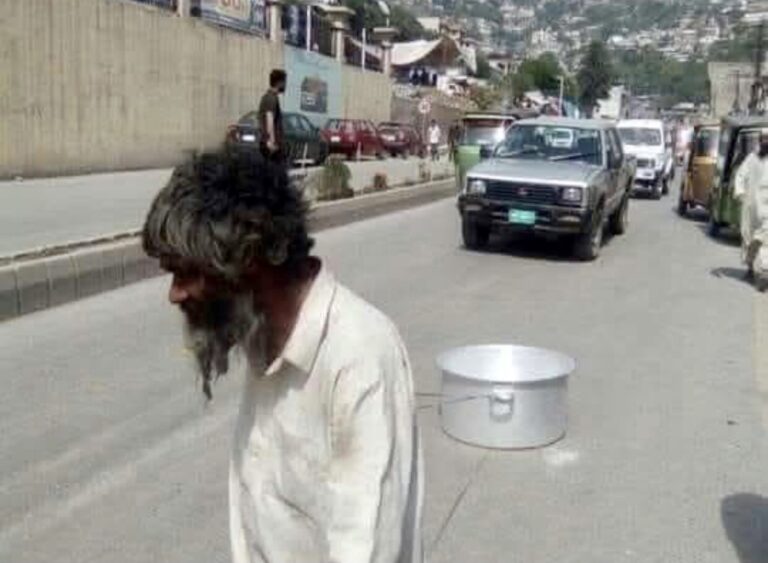
      Sian Liaqat was a well-known mystic in Muzaffarabad, often seen wandering the city’s streets dragging a large metal pot (degcha). Locals regarded him as a holy man, attributing supernatural abilities to him, including walking across the raging Neelum River.

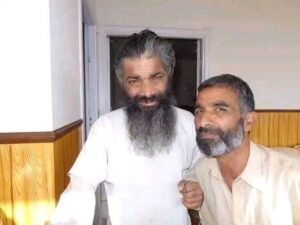
      Liaqat Sain with his brother who cared for him during recovery from a fractured arm; the brother lives with family in Muzaffarabad.
      Liaqat Sain with his brother who cared for him during recovery from a fractured arm; the brother lives with family in Muzaffarabad.

      Born in Muzaffarabad’s Dheri Syedan neighborhood, Liaqat reportedly lost his sanity in his youth. His family initially confined him, but he would mysteriously reappear outside, even when locked with chains. Eventually, they stopped restraining him, and he became a wandering ascetic.

      His most distinctive trait was his daily ritual of collecting a new pot from a specific shopkeeper, who claimed his business flourished after he began giving Liaqat a pot each day. Many believed receiving a pat on the back from Liaqat brought blessings, and even high-ranking officials, including prime ministers, would not disrupt his presence during public events.

      A Life of Mystique and Devotion

      Liaqat ate only at select roadside hotels, where owners would personally serve him. His life was shrouded in legend, with many considering him a *majzoob* (a saint absorbed in divine love).

      His death has sparked not only a burial dispute but also an outpouring of grief from followers who saw him as a spiritual guide. Social media has been flooded with tributes, with many praying for his elevated status in the afterlife.

      As the legal and familial disputes continue, Saeen Liaqat’s legacy as a symbol of faith and mystery in Muzaffarabad remains undiminished.

      Amin.

      Why Starlink Has Yet to Launch in Pakistan: Regulatory and Security Roadblocks Revealed

      Technology | June 6, 2025 |The Azadi Times: Elon Musk’s Starlink, a satellite internet service by SpaceX, has not yet gone live in Pakistan—despite completing major regulatory steps. Sources now confirm that significant regulatory hurdles and national security concerns are delaying the launch.

      While Starlink has reportedly met all key conditions set by the Space Regulatory Board and obtained a No Objection Certificate (NOC), it still awaits a final go-ahead from the Pakistan Telecommunication Authority (PTA). Until then, Starlink cannot legally offer services within the country.

      Core Concerns Behind the Delay

      According to officials and cybersecurity experts:

      • Currency and Forex Pressure: Starlink insists on billing customers in U.S. dollars rather than local currency. This poses a threat to Pakistan’s foreign exchange reserves, which are already under strain.

      • Data Privacy and Cybersecurity: Starlink’s operations are independent of local and national internet gateways, allowing users to bypass state-imposed firewalls, surveillance systems, and web filters. Experts say this could allow access to banned or sensitive websites, posing challenges to national cyber governance.

      • Foreign Infrastructure Dependence: With its servers and data routes largely based outside Pakistan, Starlink raises sovereignty concerns, particularly in terms of data flow, surveillance, and monitoring.

      IT analysts argue that Pakistan must draft a clear policy framework on data protection and satellite-based communications. Until such regulatory clarity is achieved, full operational approval remains uncertain.

      Regulatory Progress So Far

      Starlink has already:

      • Completed three tiers of registration in Pakistan.

      • Registered with the Securities and Exchange Commission of Pakistan (SECP).

      • Secured endorsements from the Pakistan Software Export Board (PSEB) and Pakistan Space Regulatory Board.

      • Received NOC from the Ministry of Interior.

      The final stage now lies with the PTA. Once licensing is complete, Starlink can begin providing high-speed satellite internet—particularly useful in remote and underserved areas.

      Pakistan’s Satellite Internet Push

      Pakistan has been making significant strides in satellite internet access. The government introduced its National Satellite Policy in 2023, followed by legal reforms in 2024 to strengthen space communications infrastructure. The country is preparing to tap into a growing digital economy, and satellite internet could be a game changer for education, e-governance, and disaster response in mountainous and rural regions, including Azad Jammu and Kashmir and Gilgit-Baltistan.