
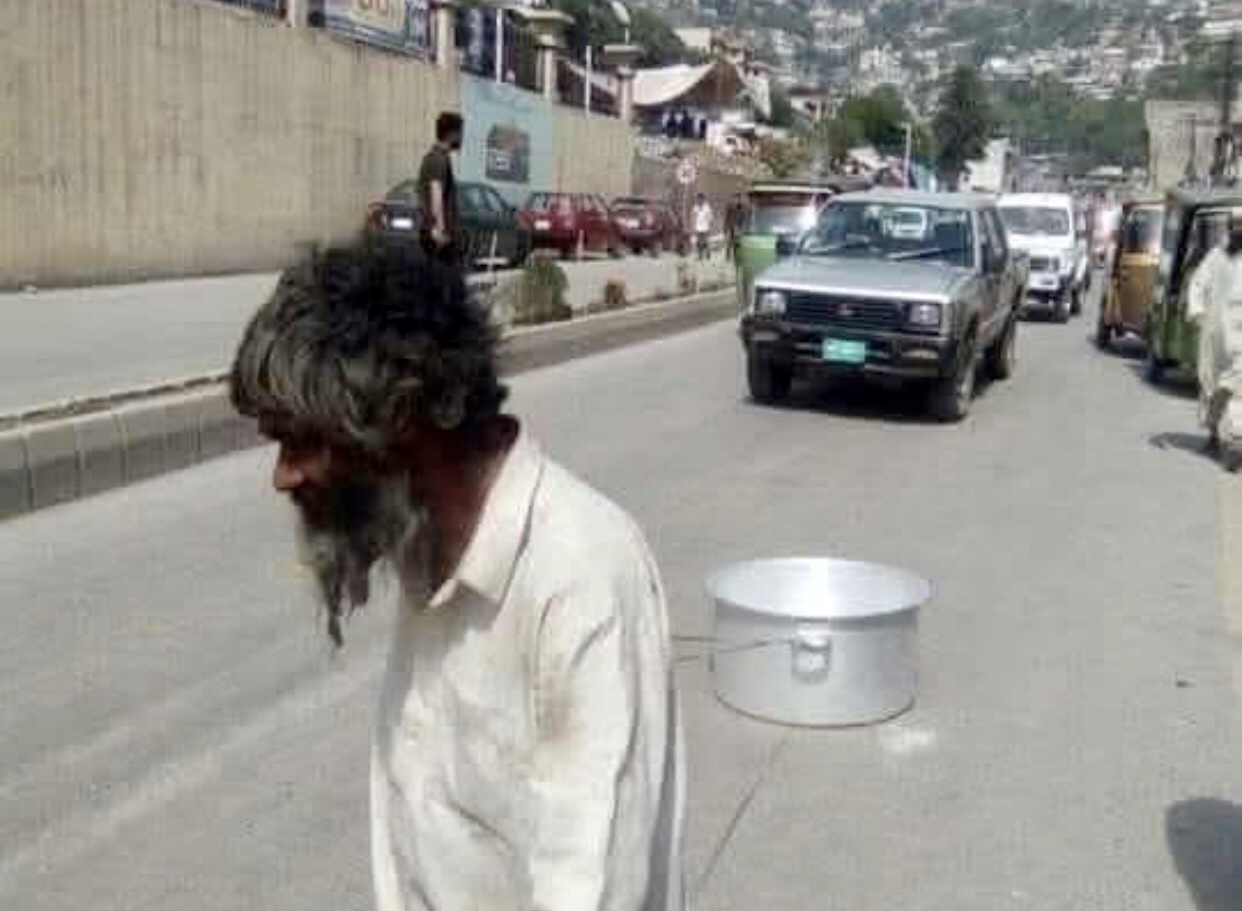

Muzaffarabad, Pakistan administered Kashmir: A dispute has broken out over the burial of the renowned local mystic Sain Liaqat, famously known as “Degche Wali Sarkar” (The One with the Pot), whose body was found in Islamabad, Pakistan and later transported to Islamabad’s PIMS Hospital’s morgue.
Two groups claiming to be his heirs emerged—one from Muzaffarabad, where Liaqat was a beloved figure, and another from Murree a hill station in Punjab, Pakistan. The Muzaffarabad group sought to take his body back for burial, while the Murree faction attempted to seize it by force at PIMS, leading to intervention by hospital authorities.
Read Also: Muzaffarabad’s Beloved Eccentric: The Passing of Liaqat Sain, the City’s Mystical Wanderer
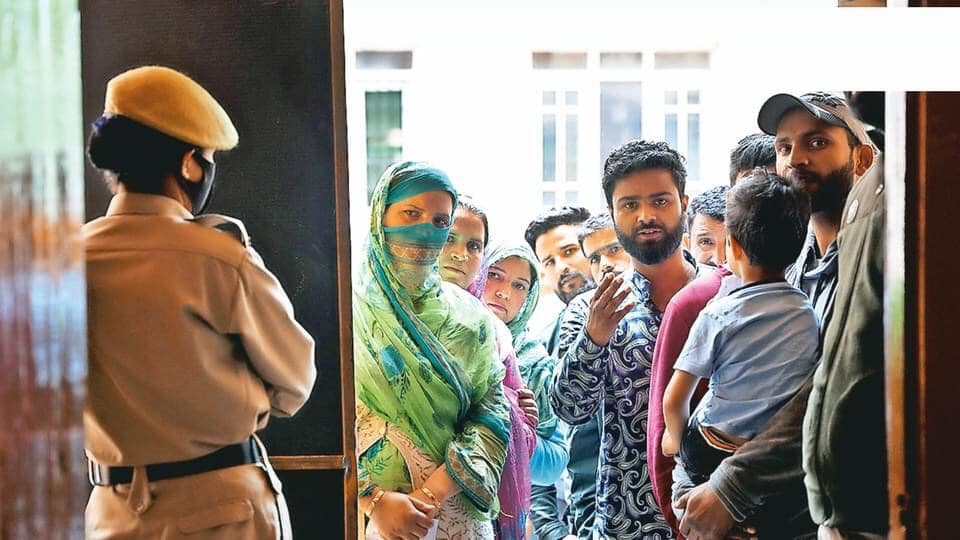
Reports indicate that the Murree group later ambushed the ambulance transporting the body near Murree, trying to take it by force, but failed. The body was eventually handed over to the Muzaffarabad group, and burial is expected to take place in his hometown.
Who Was Sian Liaqat?
Sian Liaqat was a well-known mystic in Muzaffarabad, often seen wandering the city’s streets dragging a large metal pot (degcha). Locals regarded him as a holy man, attributing supernatural abilities to him, including walking across the raging Neelum River.
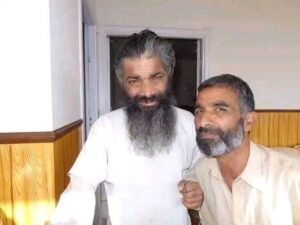
Born in Muzaffarabad’s Dheri Syedan neighborhood, Liaqat reportedly lost his sanity in his youth. His family initially confined him, but he would mysteriously reappear outside, even when locked with chains. Eventually, they stopped restraining him, and he became a wandering ascetic.



His most distinctive trait was his daily ritual of collecting a new pot from a specific shopkeeper, who claimed his business flourished after he began giving Liaqat a pot each day. Many believed receiving a pat on the back from Liaqat brought blessings, and even high-ranking officials, including prime ministers, would not disrupt his presence during public events.
A Life of Mystique and Devotion
Liaqat ate only at select roadside hotels, where owners would personally serve him. His life was shrouded in legend, with many considering him a *majzoob* (a saint absorbed in divine love).
His death has sparked not only a burial dispute but also an outpouring of grief from followers who saw him as a spiritual guide. Social media has been flooded with tributes, with many praying for his elevated status in the afterlife.
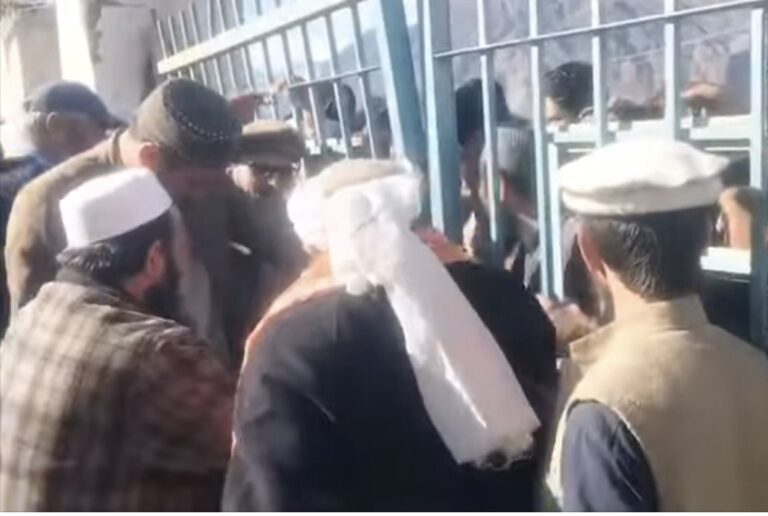

As the legal and familial disputes continue, Saeen Liaqat’s legacy as a symbol of faith and mystery in Muzaffarabad remains undiminished.
Amin.