Home Blog Page 8

6-Month Delay, Mass Failures, and Allegations: Inside the Mirpur Board’s E-Marking Controversy

0

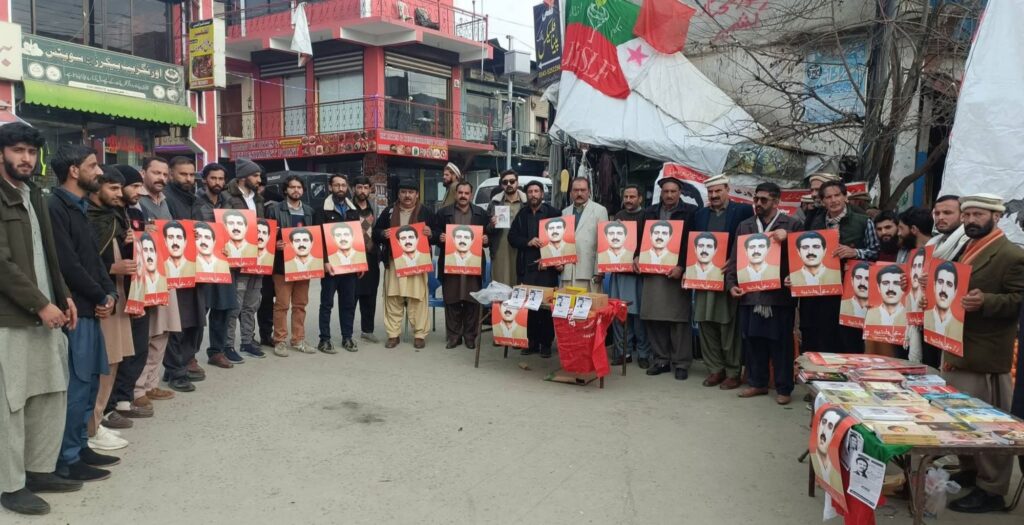
After nearly six months of delay, the results of the Intermediate First Year examinations in Pakistan-administered Jammu and Kashmir were finally announced on October 30, 2025. The announcement immediately triggered widespread outrage among students, who began voicing serious complaints. For the past two days, students have been staging continuous protests, demanding rechecking of their examination papers.

Both students and educationists have claimed that the exam papers were marked on an average-marking basis rather than according to actual performance. Students who had consistently scored above 90% in previous years were allegedly given unexpectedly low marks — and in some cases, even declared failed. Meanwhile, there were also reports that some students were marked passed in subjects whose exams they had not even attended.

Hundreds of Physics students reportedly received exactly 45 marks, while several Urdu students also received identical scores. In some cases, students who performed excellently in all other subjects were failed in Urdu or Islamic Studies. According to the protesting students, the marking and final results did not reflect their actual exam performance.

A principal of a private educational institution further alleged that only a few days before the results were announced, officials had informed him that the paper marking process was still incomplete. He claimed that, in haste, the Board simply filled in average marks to generate a “fake result” rather than completing the marking properly.

On the other hand, the Mirpur Board of Intermediate and Secondary Education (BISE) has issued two separate press releases addressing the controversy.

In the first press release, the Board dismissed the allegations circulating on social media as baseless and contrary to facts, claiming that they were an attempt to damage the institution’s reputation. The same statement confirmed that five subjects — Physics, Chemistry, Biology, English, and Computer Science — were checked through a new e-marking system. It further stated that a committee comprising subject specialists was being formed to assess the quality of the e-marking process and present a report within a week.

In another press release, the Board announced that applications for paper rechecking had been opened. Students were instructed to apply online for rechecking before November 18, paying a fee of 1,500 rupees per paper. This means that a student wishing to have seven papers rechecked would need to pay 10,500 rupees, effectively generating new revenue for the Board — ironically, to correct its own mistakes.

Normally, the purpose of examination fees is to ensure that the Board conducts the entire exam process — from paper preparation to evaluation — with transparency and accuracy. However, when the Board itself becomes the source of massive irregularities and delays, the financial and emotional burden falls unfairly upon students.

The protesting students have made several key demands:

  • The establishment of paper checking centers in every district to ensure timely and accurate marking.
  • Waiver of rechecking fees for all students seeking to verify their results.
  • Re-marking instead of mere re-counting — meaning papers should be re-evaluated, not just have their marks added again.
  • Rechecking should be conducted by different teachers from those who originally marked the papers.
  • The re-examination fees for students forced to retake exams due to Board errors should be waived.

It should be noted that this was the first year the Mirpur Board experimented with computerized marking of five subjects. However, rather than saving time, the e-marking project caused further delays. Even the tenders for the e-marking software — which were once available on the Board’s website — have since been removed, raising concerns about transparency and the type of software procured.

Reportedly, the Mirpur Board launched the e-marking system in collaboration with the Punjab Information Technology Board (PITB). Yet, it took six months to check the papers of only 43,000 students, a task that previously took just two to two-and-a-half months using the manual system.

The main purpose of e-marking is to save time and minimize human error, but in this case, it achieved neither.

Once considered a model institution, the Mirpur Board of Education has seen its reputation decline sharply in recent years. There was a time when passing matriculation or intermediate exams from the Mirpur Board was seen as a mark of distinction — second only to Pakistan’s Federal Board. Today, however, the Board is repeatedly accused of irregularities in awarding top positions, negligence during paper marking, and general mismanagement. Financially, the Board continues to generate significant revenue, but its credibility in conducting fair and transparent examinations has eroded severely.

One contributing factor could be the Education Department’s flawed decision-making and inadequate curriculum reform. Additionally, the increasing population has placed extra pressure on the Board’s limited capacity.

Other systemic issues include:

  • Appointment of Board chairpersons and members on political grounds.
  • Political interference and incompetent recruitment practices.
  • Outsourcing paper marking to teachers without verifying their qualifications or subject expertise — many of whom delegate the marking to their relatives or friends.

As a result, students who barely write anything on their exam papers end up passing, while hardworking and deserving students either get average marks or are failed unfairly.

More than 15 years ago, it was decided that two additional education boards should be established to distribute the growing workload. However, the plan was never implemented due to regional favoritism and political manipulation, which pitted communities against one another.

Recently, following legal pressures, the government signed an agreement with the Action Committee to establish two new education boards. Yet, some circles in Mirpur reacted negatively, portraying the decision as an attack on regional pride rather than a step toward academic reform and transparency. They framed it as if the creation of new boards would somehow insult Mirpur’s identity or diminish its importance.

What is truly needed, however, is swift action to create two additional education boards, designed on modern, globally recognized educational standards. These boards must adopt artificial intelligence–based systems for evaluation, combining digital marking with human analysis to enhance both efficiency and accuracy.

Moreover, Pakistan-administered Kashmir’s examination system should move away from the rote-learning model toward one based on analysis, reasoning, and application. A roadmap must be developed to gradually replace the current annual high-stakes exams with a continuous learning assessment model that measures students’ intellectual growth, creativity, and comprehension.

Examinations should no longer be treated as a punitive exercise but rather as a dialogue of learning — an opportunity to measure understanding and nurture critical thinking. Only then can the education system truly serve the purpose of building capable, independent, and intellectually mature students.

 Beyond the political headlines, a daily struggle for water, pasture, and peace

0
A breathtaking view of Gurez Valley in northern Kashmir, located about 8,000 feet above sea level in the Himalayan mountains. The turquoise lake reflects the rugged rocky peaks under a clear blue sky, capturing the untouched natural beauty and serene landscape of this remote high-altitude valley. In this region of Azad Kashmir, the Shina language is spoken, and the lifestyle closely resembles that of Gilgit-Baltistan, reflecting a unique blend of cultural and geographical harmony.

NEELUM VALLEY – Before the sun touches the snow peaks, a slow procession begins. Children, their breath misting in the chill, lead goats up narrow trails. Women, with plastic jerricans balanced on their heads, descend towards the sound of a mountain stream. This is not a scene from a bygone era; this is morning in the border villages of Kashmir, where the rhythms of survival are dictated by terrain, tradition, and a tense, unseen line.

Across the formidable ridges that divide the Himalayan and Karakoram ranges, millions live in the shadow of one of the world’s most heavily militarized borders. While geopolitical tensions over Kashmir dominate international headlines, the daily reality for those in Indian-administered Jammu & Kashmir and Ladakh, and in Pakistan-administered Azad Jammu & Kashmir (AJK) and Gilgit-Baltistan, is a more elemental one: a relentless pursuit of water, fodder, and safety.

This is a story of resilience, told not in political slogans, but in the calloused hands of a shepherd, the weary eyes of a mother scanning the sky, and the communal bonds that are the true infrastructure of survival.

The Geography of a Divided Life

The region is a cartographic puzzle. The Line of Control (LoC), a de facto border, snakes through mountains and valleys, separating families and dictating destinies. On both sides, the landscape is breathtakingly beautiful and brutally demanding.

In the village of Dudhnial, in AJK’s Neelum Valley, the Pakistani and Indian posts are visible on opposing ridges. The sound of artillery, locals say, is as predictable as the afternoon rain in monsoon season. Yet, life persists.

“We are not living in a conflict zone; we are living with it,” explains Bilal Ahmed, a schoolteacher in his forties. “Our children learn to read the sounds of the mountains—the difference between a rockslide and shelling. Their geography lessons are not just in books; they are written on this land.”

The Daily Grind: Water, Wood, and Fodder

The economy here is one of sheer subsistence. The Urdu words mal dangar (livestock) and juglo (water source) are not vocabulary; they are the pillars of existence.

A Day in the Life:

  • Pre-Dawn: Children like 12-year-old Amina set out with their families’ goats. The journey to high-altitude pastures, or bahaks, can take hours. The grass they graze on today will be the milk and meat that sustains the family through the winter.

  • Morning: The task of fetching water falls largely to women and girls. A single trip to a spring or stream can be a two-hour round journey over precarious paths. Water is not for profligate use; it is for drinking, cooking, and the most essential cleaning.

  • Afternoon: Men and women work in terraced fields, harvesting wheat or maize. Every stalk of grass is valuable; it will be dried and stored as winter fodder, known as kuth. This process, repeated for generations, is a race against the shortening days of autumn.

  • Evening: The sound of a mortar shell cuts through the valley. The routine, so carefully maintained, shatters. Families, trained by grim experience, gather their most vital documents and a few days’ food and move to designated bunkers—often the reinforced basement of a school or mosque.

Portraits of Resilience

Hassan, The Shepherd (Neelum Valley, AJK)

Hassan’s face is a map of his life, etched by sun and wind. His world is defined by the needs of his sixty goats. “These animals are our bank account,” he says, watching them navigate a steep incline. “If we hear shelling while they are grazing, we have a terrible choice: risk our lives to bring them back, or risk our livelihood by leaving them.” The community has developed a system: they take turns as lookouts, using whistles and hand signals to warn each other. It is a fragile safety net, woven from trust and necessity.

Shafiq, The Apple Farmer (Hunza, Gilgit-Baltistan)

Further north, in the majestic valleys of Gilgit-Baltistan, the challenges are different but just as stark. Shafiq tends to apple orchards that have been in his family for generations. His survival depends on the delicate balance of glacial meltwater.

“The glaciers are our lifeline, but they are becoming unpredictable,” he explains, pointing towards the distant, ice-capped peaks. “Some years, the water comes too fast and floods our fields. Other years, there is not enough. We have built channels for generations, but now we don’t know what to expect.” Climate change is not an abstract concept here; it is a tangible threat to a centuries-old way of life.

Amina, The Mother (Kupwara District, Indian-administered Kashmir)

On the other side of the LoC, in a village in Kupwara, Amina prepares her children for the possibility of disruption. A small bag, packed with essentials, sits by the door.

“They know the drill,” she says softly. “When the shelling starts, we don’t cry. We just go. My eldest son knows to help his grandmother. My daughter knows to grab the bag.” The psychological toll is a silent member of the household. “They have nightmares,” she admits. “Sometimes, a truck backfiring in the market will make them freeze. But what can we do? This is their normal.”

The Invisible Infrastructure: Community

In the absence of robust state support in many of these remote areas, the most critical infrastructure is social. The system of haq (right) and madad (help) governs daily life. Neighbors share water from a common spring; families pool resources to rebuild a home damaged by shelling or a landslide; the community ensures that the elderly and vulnerable are cared for during evacuations.

This mutual aid is the bedrock of survival. It is a resilience that is deeply practical, born not from ideology, but from the shared understanding that no one can endure these mountains alone.

Beyond the Headlines

The narrative of Kashmir is often reduced to a territorial dispute, a binary of India versus Pakistan. But for the shepherds, farmers, and schoolchildren living along the LoC, the primary conflict is against the elements, against isolation, and for the preservation of dignity in the face of immense pressure.

Their stories—of carrying water, moving livestock, and drying fodder—are not as dramatic as the sound of artillery, but they are far more enduring. They speak to a universal human truth: the relentless, often quiet, determination to secure a future for the next generation, even when the ground beneath one’s feet is anything but stable.

In the silence between the headlines, if you listen closely, you can hear it—the sound of resilience, echoing through the valleys of Kashmir.

This response is AI-generated, for reference only.

In Search of Kashmir’s Hidden Valleys

0
Golden-red rice fields glowing under the spring sun in Lolab Valley, northern Kashmir — a hidden paradise of serene beauty and traditional Kashmiri farming life.

KUPWARA, Indian Administered Kashmir – Ahmad Mir, a trekking guide with eyes that have memorised these mountains, offers a quiet correction to the typical tourist’s perspective. “Kashmir is not a destination,” he says, gazing towards a horizon of endless peaks. “It’s a feeling — one you only understand when you walk the valleys where even phone signals refuse to follow.”

As global travel in 2025 evolves beyond crowded checkpoints and curated Instagram posts, a new yearning emerges for authenticity, for silence, for connection. This shift finds its perfect answer in the hidden corners of Kashmir, a land long celebrated for its beauty, yet still guarding profound secrets far from the well-trodden paths of Gulmarg and Dal Lake.

These are places where time is measured in seasons, not schedules, and where the landscape tells stories older than borders. For the discerning traveller looking towards 2026, here are ten hidden destinations that represent the soul of a Kashmir the world seldom sees.

1. Bangus Valley: The Untouched Amphitheatre

Nestled deep within the Kupwara district, Bangus Valley feels like a secret whispered among mountains.

Tucked away in the northern Kupwara district, the Bangus Valley is a vast, green symphony of rolling meadows, dense pine forests, and snow-dusted ridges. It remains one of Kashmir’s most pristine ecosystems, largely untouched by commercial tourism.

The valley’s magic lies in its profound silence, broken only by the whisper of the wind and the distant bells of grazing sheep. During summer, its slopes transform into a carpet of wildflowers, glowing under the soft, golden light of the setting sun.

The 2026 Outlook: A nascent eco-tourism model is emerging, with locals offering homestays and guided camping. The traveller’s challenge and privilege is to visit responsibly, leaving no trace.

2. Gurez Valley: The Poet’s Refuge

A breathtaking view of Gurez Valley in northern Kashmir, located about 8,000 feet above sea level in the Himalayan mountains. The turquoise lake reflects the rugged rocky peaks under a clear blue sky, capturing the untouched natural beauty and serene landscape of this remote high-altitude valley. In this region of Azad Kashmir, the Shina language is spoken, and the lifestyle closely resembles that of Gilgit-Baltistan, reflecting a unique blend of cultural and geographical harmony.
A scenic view of Gurez Valley in northern Kashmir, about 8,000 feet above sea level. The turquoise lake and Himalayan peaks reflect the valley’s untouched beauty, where locals speak Shina and share cultural ties with Gilgit-Baltistan.

Guarded by the roaring Kishanganga River and the formidable Razdan Pass, Gurez is a world unto itself. This valley, named for the 16th-century poet-queen Habba Khatoon, feels like a living archive of Kashmiri culture. Its distinct wooden houses, with intricately carved windows, cling to steep hillsides.

Life here moves with a gentle, timeless rhythm. The absence of reliable internet is not an inconvenience but an invitation to truly disconnect and engage with a community whose warmth is as palpable as the mountain air.

When to Go: The narrow window from late June to September, once the high-altitude passes clear, is your gateway to this remote paradise.

3. Lolab Valley: The Orchard of Legends

Golden-red rice fields glowing under the spring sun in Lolab Valley, northern Kashmir — a hidden paradise of serene beauty and traditional Kashmiri farming life.

Known poetically as Wadi-e-Lolab (the Valley of Love), this region is a cradle of folklore and fertile orchards. Its landscapes—a harmonious blend of deodar forests, gushing streams, and quaint villages—are straight out of a classic tale.

The valley is also home to the enigmatic Kalaroos Caves, a network of tunnels shrouded in local legend, some claiming they are secret passages that lead straight to Central Asia.

Insider’s Advice: Opt for a homestay. The oral histories shared by families over a cup of Kahwa are as valuable as any guidebook.

4. Doodhpathri: The Milky Meadow

A short, scenic drive from the capital, Srinagar, Doodhpathri (Meadow of Milk) feels a world away. Its defining feature is a shallow river whose waters cascade over smooth, white stones, creating a mesmerizing, milky appearance.

Doodhpathri, often called the “Valley of Milk,” surrounded by pine forests and snow-capped peaks one of Kashmir’s most enchanting hidden gems.

This is a destination for slow travel—for picnics on flower-strewn grasslands and for photographers chasing the perfect, crowd-free shot of Kashmir’s pastoral idyll.

On the Horizon: The government is developing eco-trekking routes. Visit now to experience its serene charm before it gains mainstream attention.

5. Yusmarg: The Whispering Woods

An hour’s journey from the chaos of Srinagar transports you to Yusmarg, the “Meadow of Jesus.” Sunlight filters through its towering deodar forests, creating a cathedral-like atmosphere. A gentle hike leads to the stunning, emerald-green Nilnag Lake.

Yusmarg
Yusmarg

Local lore suggests Jesus Christ spent his lost years here, a legend that infuses the serene landscape with a palpable, spiritual energy. It is a place for contemplation and deep, unadulterated calm.

6. Tosamaidan: A Meadow Reborn

Once a military firing range, Tosamaidan has been peacefully reclaimed by nature. Today, it stands as a powerful symbol of resilience—a vast, open meadow blanketed in wildflowers, under an endless sky.

Tosamaidan
Tosamaidan

Camping here is an act of participation in the valley’s renewal. The clear, cold nights offer a celestial spectacle, with a canopy of stars undimmed by light pollution.

Travel Note: The meadow is accessible from June to September, and the annual summer festivals organized by locals are a celebration of this hard-won peace.

7. Tulail Valley: At the Edge of the Map

Beyond Gurez lies the even more remote Tulail Valley. Reaching it is a journey in itself, a passage through landscapes so raw and powerful they feel primordial. The traditional mud-brick homes and the genuine curiosity of the local children are a reminder of a way of life largely unchanged by modernity.

Tulail Valley
Tulail Valley

This is a destination for the intrepid, offering unparalleled trekking and a profound sense of disconnection from the modern world.

A Note on Responsibility: Travel here demands respect. Always hire local guides who understand the terrain and weather, ensuring your safety and a more meaningful cultural exchange.

8. Warwan Valley: The Trekker’s Sanctum

For the serious adventurer, the Warwan Valley in the Kishtwar region is a holy grail. This is a rugged, high-altitude paradise of dramatic passes, turquoise rivers, and villages perched precariously on cliff sides.

Warwan Valley
Warwan Valley

The challenging Warwan Trail is considered one of the most spectacular and least-trodden alpine treks on the continent, offering a raw, unfiltered dialogue with the might of the Himalayas.

Essential Preparation: This is not a casual hike. Requisites include expert guidance, proper gear, and a humble acknowledgement of the mountain’s power.

9. Tarsar & Marsar: The Celestial Twins

These twin alpine lakes, separated by a single mountain ridge, are the stuff of high-altitude legend. The trek to Tarsar and Marsar, starting from a point near Pahalgam, is a cinematic journey through flower-filled valleys and over high passes.

The sight of their crystal-clear waters, reflecting the sky and surrounding peaks, is an image that etches itself permanently into memory. At night, the Milky Way arcs over the still water, creating a scene of almost unreal beauty.

Eco-Imperative: This is a fragile ecosystem. The principle of “leave no trace” is not a suggestion here, but a necessity.

10. Karnah Valley: Borderland of Resilience

Nestled near the Line of Control, Karnah Valley is a testament to the enduring human spirit. Despite its proximity to geopolitical tensions, life here is defined by a powerful, everyday resilience—apple orchards heavy with fruit, ancient wooden bridges, and the serene flow of the river.

Tourism is a rare sight, and visitors are welcomed with a heartfelt hospitality that speaks volumes about the community’s character.

Practicality for 2026: Special permits are often required for border areas. Always check the latest travel advisories and secure the services of a licensed tour operator.

In an era of over-tourism, choosing the road less travelled is no longer just a preference; it is an ethical stance. By venturing into these hidden valleys, staying in community-run homestays, and employing local guides, travellers directly contribute to a sustainable economic model that empowers Kashmiris.

This form of mindful travel helps preserve not just the environment, but also cultural heritage, offering a viable future for the youth of Kashmir beyond traditional vocations.

The Deeper Journey

Ultimately, the hidden valleys of Kashmir offer something far greater than a collection of beautiful sights. They offer an experience—a chance to feel the cool mist of a mountain morning, to share a sincere moment over a cup of Noon Chai, and to stand in a silence so profound it feels like a form of communication.

As Ahmad Mir aptly concludes, “People come to Kashmir to see heaven. But heaven, you see, is not something to look at — it’s something to feel.”

And in these hidden corners, that feeling is waiting.

Traditional Kashmiri Foods You Should Try Before You Die

0
If Rogan Josh is the ambassador, Gushtaba is the king. It is the final, definitive test of the Waza's skill.

SRINAGAR – In the pristine valleys of Kashmir, where the snow-capped Himalayas pierce the azure sky and the Dal Lake shimmers under the sun, there exists a paradise within a paradise. It is not found on a map, but on a plate. Here, food is more than mere sustenance; it is a language of identity, a narrative of resilience, and an art form meticulously preserved through generations of tumult and tranquility.

Kashmiri cuisine is a living tapestry, woven with threads of history, culture, and an unwavering spirit of hospitality. To taste it is to listen to the soul of the valley itself—a story told in the slow simmer of a pot, the fragrant steam of saffron-infused rice, and the communal sharing of a single large platter. This is not just eating; it is an experience that engages all the senses and leaves an indelible mark on the heart.

This definitive guide delves beyond the recipes to explore the very essence of Kashmiri food, from the grand opera of the Wazwan feast to the humble, everyday delights that fuel the lives of its people.

Understanding the Wazwan

No discussion of Kashmiri cuisine can begin without paying homage to the Wazwan. This is not a meal; it is a ritual, a social contract, and the ultimate expression of mehmaan nawaazi—the sacred duty of hospitality. Traditionally comprising up to thirty-six courses, the Wazwan is a symphony of flavours orchestrated by a master chef, the Vasta Waza, and served communally on a large copper platter called a trami.

The word ‘Wazwan’ itself derives from ‘Waz’ (cook/chef) and ‘Wan’ (shop), but it signifies a culinary tradition passed down through generations of Waza families. Its origins are steeped in history, tracing back to the 14th-century influence of Mongol and Timurid rulers, who brought with them skilled chefs from Samarkand and Central Asia. Over centuries, these techniques melded with local Kashmiri ingredients and sensibilities, evolving into the magnificent feast we know today.

The experience is as important as the food. Guests are seated in groups of four, sharing a single trami, symbolizing equality and community. The feast unfolds with a ceremonial washing of hands, often with rose water, before the procession of dishes begins, each placed on the trami with precise order and etiquette.

A Detailed Look at Key Kashmiri Dishes

The Wazwan’s structure is deliberate, taking diners on a journey through textures, temperatures, and intensities of flavour.

1. Rogan Josh: The Crimson Ambassador

Arguably Kashmir’s most famous culinary export, Rogan Josh is a masterpiece of slow-cooking. At its heart is tender lamb, cooked for hours until it succumbs to the lightest touch. But its true signature is its deep, crimson red colour—a hue achieved not through artificial means, but from the careful, patient frying of Kashmiri chillies (Kashmiri lal mirch) in oil.

  • The Flavour Profile: The heat is mild, smoky, and nuanced, not aggressively spicy. It is balanced by the sweet fragrance of fennel (saunf) and the warm, earthy notes of ginger (sonth)—a spice combination known as Kashmiri Garam Masala, distinct from its North Indian counterpart.

  • The Cultural Significance: It is often the first substantial dish served in the Wazwan, setting the stage for the culinary spectacle to come. Its robust flavour is designed to awaken the palate.

2. Gushtaba: The King’s Finale

If Rogan Josh is the ambassador, Gushtaba is the reigning monarch. This dish is considered the ultimate test of a Waza‘s skill and patience. Lean mutton from the leg is pounded for hours with a wooden mallet on a solid rock until it achieves a smooth, velvety, almost paste-like consistency. This is then shaped into large, delicate meatballs.

  • The Flavour Profile: The Gushtaba is poached in a creamy, yogurt-based gravy (yakhni) that is pale, subtle, and fragrant with cardamom, cloves, and mint. The texture of the meatball is meant to be ethereally soft, melting in the mouth without resistance.

  • The Cultural Significance: Its richness is deliberate. In the traditional sequence, Gushtaba often signals the concluding phase of the savoury courses, a soothing, decadent finale designed to calm the palate after the spicier preceding dishes.

3. Rista: The Fiery Sibling

A close cousin to Gushtaba, Rista shares the same foundation of meticulously pounded mutton balls. The critical difference lies in the gravy. Where Gushtaba is mild and creamy, Rista is a bold declaration of colour and spice.

  • The Flavour Profile: The meatballs swim in a vibrant, fiery red gravy, achieved through a heavier use of Kashmiri chillies and a different spice blend. It provides a stunning counterpoint to the Gushtaba, showcasing the Wazwan’s dynamic range.

  • The Cultural Significance: Served alongside or before Gushtaba, Rista represents the passionate, fiery heart of the feast.

4. Yakhni: The Subtle Poet

In a culinary landscape often defined by its bold reds, Yakhni stands out as a quiet, elegant poem. This yogurt-based curry, typically made with lamb or chicken, is a testament to the diversity of Kashmiri flavours.

  • The Flavour Profile: Fragrant with fennel, bay leaves, and minimal heat, Yakhni is subtle, soothing, and complex. The yogurt provides a delicate tanginess, while the spices impart a gentle warmth.

  • The Cultural Significance: It offers a moment of respite and reflection during the feast, reminding diners that Kashmiri cuisine possesses a full spectrum of flavours, from the thunderous to the tranquil.

5. Other Essential Wazwan Delicacies:

  • Tabak Maaz: Crispy, fried ribs of lamb, first simmered in milk and spices until tender, then fried to a golden-brown perfection. It is the “starter” of the Wazwan, offering a satisfying textural contrast.

  • Dani Phoul: A minimalist mutton curry, lighter than Rogan Josh, often served early in the feast.

  • Marchwangan Korma: A intensely spicy and fiery mutton curry for those who dare, showcasing the potent side of Kashmiri chillies.

  • Aab Gosh: A mild, milk-based curry, known for its delicate flavour and simplicity.

The Everyday Delights of Kashmiri Homes

While the Wazwan is for celebration, the true essence of Kashmiri life is found in its daily sustenance—dishes that are simpler, yet equally profound.

1. Modur Pulav: The Festive Jewel

This sweet and savoury rice dish is a celebration on a plate. Fragrant basmati rice is cooked with ghee, cinnamon, and the precious stigma of saffron—Kashmir’s “red gold.” It is then studded with caramelised onions, a medley of nuts (almonds, cashews), and sweet fruits like apples, cherries, and raisins.

  • When It’s Eaten: A staple during festivals, weddings, and special occasions. It symbolizes the bounty and prosperity of the Kashmiri valley.

2. Nadru Monji: The Humble Harvest

From the pristine waters of Dal and Wular lakes comes the lotus stem, or nadru. A versatile ingredient, it is most beloved when sliced, dipped in a spiced gram flour batter, and deep-fried into golden fritters.

  • The Experience: A common street food and winter snack, Nadru Monji represents the connection between the Kashmiri people and their land. Its crisp texture and earthy, slightly sweet taste are a simple, yet profound, pleasure.

3. Haak: The Green Heart of Kashmir

No Kashmiri meal is complete without Haak—a simple preparation of collard greens. It is the quintessential everyday vegetable, cooked with minimal spices, often just with garlic, green chillies, and a touch of mustard oil.

  • Cultural Importance: Haak is a culinary constant, a comforting and nutritious presence on the Kashmiri table through all seasons. Its slightly bitter, deeply earthy flavour is a taste of home for every Kashmiri.

4. Dum Aloo: The Potato Reimagined

Kashmir’s Dum Aloo is a world apart from other versions. Small, whole baby potatoes are first deep-fried until they develop a crisp outer shell, then simmered in a spicy, ginger-infused yogurt or curd-based gravy.

  • The Technique: The initial deep-frying is crucial—it creates a barrier that allows the potato to remain firm while absorbing the flavours of the gravy during the slow-cooking (dum) process. The result is a dish that is both tangy and rich.

The Liquid Gold

Kahwa: The Drink of Hospitality

More than just green tea, Kahwa is a ceremony. It is the valley’s warming embrace against the chill. This fragrant concoction is brewed with green tea leaves, saffron, cinnamon, cardamom, and sometimes a hint of rose petals. It is traditionally sweetened with honey or sugar and garnished with crushed almonds or walnuts.

  • The Ritual: Sipped from ornate samovars in homes and shops, Kahwa is the drink of conversation, consolation, and connection. It is the first thing offered to a guest, a symbol of welcome and warmth.

Noon Chai (Sheer Chai): The Pink Salted Tea

A true acquired taste and a Kashmiri signature, Noon Chai is a pinkish, salted tea. Made from a special type of green tea leaves, it is brewed with baking soda (which gives it its distinctive colour), milk, and salt. It has a unique, slightly nutty, and savoury flavour.

  • The Social Fabric: Consumed throughout the day, especially in the morning and afternoon, Noon Chai is often paired with bread like Bakarkhani. It is a staple of Kashmiri Muslim households and a potent symbol of local identity.

The Bread Basket of Kashmir

The cuisine features a variety of unique breads, each with its own purpose:

  • Bakerkhani: A dense, flaky, and slightly sweet flatbread, reminiscent of a paratha or puff pastry. Perfect for dipping into Kahwa or pairing with kebabs.

  • Kulcha: A softer, rounder bread, often enjoyed with morning tea or as a snack.

  • Lawas: A thin, unleavened bread, similar to a roti, typically served with the Wazwan to scoop up the rich gravies.

A Culture Forged in Flavour

The flavours of Kashmir are a palimpsest, bearing the marks of its strategic location on the Silk Road.

  • Central Asian & Persian Influence: The core of the Wazwan—the use of minced meat (Gushtaba, Rista), the slow-cooking techniques, and the prevalence of rice—shows clear influences from Persian and Central Asian traditions.

  • The Mughal Contribution: The Mughal emperors, particularly Jahangir, were enamoured with Kashmir. They are credited with popularizing the use of saffron, dry fruits, and the concept of elaborate, garden-based feasts, which influenced dishes like Modur Pulav.

  • The Indigenous Foundation: Underlying all these influences is the native Kashmiri Pandit tradition, which has its own distinct vegetarian repertoire (known as Satvik food) and uses asafoetida (hing) and yogurt prominently, as seen in Yakhni.

In a region often defined by political headlines, the enduring tradition of the Wazwan and the daily ritual of Kahwa are powerful testaments to a different reality. They speak of a people whose identity is rooted in community, artistry, and an unwavering generosity of spirit.

Kashmiri cuisine is a resilient, living heritage. It has weathered centuries of change, yet its fundamental principles—hospitality, balance, and a deep connection to the land—remain untouched. To taste Kashmir is to listen to its untold story. It is a story of warmth in the cold, of colour in the grey, and of a profound, unbreakable connection to home. And it is a story that, once tasted, is never forgotten.

The Double Life: How Full-Time Employees are Building Second Incomes

0
From freelancing to online tutoring and digital ventures — explore smart, flexible ways professionals around the world are earning extra income without quitting their day jobs.

MUZAFFARABAD – In today’s global economy, a single salary often isn’t enough. From rising living costs to the desire for career diversification, a growing number of professionals are no longer waiting for a raise or a promotion. Instead, they are proactively creating their own opportunities by building part-time careers on the side of their main jobs.

This isn’t just about survival; it’s about thriving. The rise of remote work and digital platforms has dismantled traditional barriers, allowing a professional in Muzaffarabad to tutor a student in Toronto, a resort manager in Neelum Valley to consult for a hotel in Bali, or a marketing employee to run a thriving freelance business after hours.

But how do you navigate this “double life” without burning out? Based on global trends and local insights, here are five of the most viable part-time paths for the modern job-holder.

1. The Freelancer: Monetising Your Digital Skills

This is the most direct path for those with skills in writing, graphic design, social media, or web development. The model is simple: you trade your expertise for project-based work.

The Appeal: Ultimate flexibility. You can work asynchronously from anywhere, often setting your own hours and rates. It allows you to build a diverse portfolio that can future-proof your career.

The Strategy: Don’t be a generalist. Specialise. A resort manager could offer “Social Media Packages for Tourism Businesses.” A bilingual professional could specialise in “Urdu-to-English Content Localisation.” Platforms like Upwork and Fiverr are launchpads, but direct outreach to local businesses—guest houses, NGOs, startups—often yields the most meaningful projects.

The Reality Check: Income can be sporadic initially. Guard against scope creep and ensure your side work doesn’t violate your primary employment contract.

2. The Educator: Tapping into the Knowledge Economy

If you have expertise in a subject, the world is your classroom. Online tutoring and course creation allow you to package your knowledge for a global audience.

The Appeal: This role builds your personal brand as an expert. It’s deeply fulfilling and the schedule—fixed evening or weekend slots—is highly predictable, making it easier to manage alongside a 9-to-5 job.

The Strategy: Identify your niche. Is it English language coaching for professionals? Test prep for university entrants? Or a unique cultural offering like teaching Kashmiri or Urdu to international learners? Use platforms like Preply or Tutor.com to start, or create a mini-course marketed through your own networks.

The Reality Check: Teaching requires energy and preparation. Start with a manageable number of students to avoid fatigue.

3. The Advisor: The High-Value Consultancy Route

Why trade hours for dollars when you can trade wisdom? Consulting leverages the experience you’ve already built in your full-time career, offering it at a premium to those who need it.

The Appeal: Higher pay per hour and fewer clients. This path transforms your resume into a revenue stream and can open doors to strategic partnerships.

The Strategy: Define your offering clearly. For example: “Digital Transformation Consulting for Family-Run Hotels” or “Fundraising Strategy for Youth NGOs.” Use your professional credentials and LinkedIn profile to attract clients. Offer structured packages—like a 4-session audit—that deliver clear, actionable value.

The Reality Check: Imposter syndrome can be a hurdle. Price your services confidently based on the value you provide, not just the time you spend.

4. The Digital Landlord: Building Semi-Passive Income Streams

This path requires more upfront sweat equity than constant time investment. The goal is to create or acquire digital assets—like a niche website, a blog, or a YouTube channel—that generate income through affiliate marketing or advertising.

The Appeal: The potential for passive income. Once the asset is established and ranks well on search engines, it can generate revenue with minimal daily maintenance.

The Strategy: Find a niche at the intersection of your passion and market demand. A blog on “Sustainable Tourism in the Himalayas” or a channel on “Kashmiri Cuisine” can attract a dedicated audience. Join affiliate programs (e.g., Amazon Associates) for travel gear or local crafts and create high-quality, SEO-optimised content to drive traffic.

The Reality Check: This is a long game. It can take months to see significant income, and it requires consistent, quality content creation at the outset.

5. The Micro-Investor: Cultivating Financial Resilience

While not a traditional “job,” prudent investing is a powerful way to build a second income stream. This can range from dividend-paying stocks to renting a physical asset or even investing in a small side business.

The Appeal: It diversifies your income away from your labour, building long-term financial security.

The Strategy: Start small and educate yourself thoroughly. Understand the risks, tax implications, and accessibility of different instruments in your region. The income from your other part-time work can provide the capital to start building this portfolio.

The Reality Check: All investments carry risk. This should be a complementary strategy, not a primary one, unless you have significant capital and expertise.

The Balancing Act: How to Choose and Succeed

Choosing the right path depends on a clear-eyed assessment of your resources.

  • Time: Be ruthlessly realistic. How many quality hours can you spare each week without compromising your health or main job?

  • Skills: Play to your strengths. The easiest side hustle to start is one that leverages expertise you already possess.

  • Goals: Are you seeking quick cash flow (freelancing) or building a long-term asset (digital property)? Your goal will determine your strategy.

The most successful “double-life” professionals start with one focused endeavour, often a blend of freelancing or consulting. They set strict boundaries, use contracts, and reinvest early profits back into their side business. For many in regions like Kashmir, this isn’t just about extra money; it’s about taking control of their economic destiny, one project, one client, one asset at a time.

6 Websites Where Beginners Can Earn Money by Watching Ads – Complete Guide

0
Learn how to make money online by watching ads. Discover 6 trusted websites for beginners, step-by-step tips, and expert strategies to maximize your earnings.

SRINAGAR – In an era where digital opportunities are reshaping income streams worldwide, earning money through simple online activities has become increasingly accessible. For beginners seeking to enter the world of online earnings, watching advertisements presents a low-barrier entry point that requires minimal technical skills while offering genuine financial returns.

The concept of getting paid to watch ads has evolved significantly over the past decade, transitioning from questionable schemes to legitimate platforms that connect advertisers with engaged audiences. While substantial wealth shouldn’t be expected overnight, these platforms provide a practical starting point for digital entrepreneurship and side income generation.

Understanding the “Get Paid to Watch Ads” Model

Before exploring specific platforms, it’s crucial to understand how these websites operate. Companies allocate marketing budgets to reach potential customers, and instead of traditional advertising channels, they pay real people to view their content. This model benefits advertisers through guaranteed engagement while providing users with compensation for their attention.

“These platforms democratize online earning opportunities,” explains digital marketing expert Dr. Priya Sharma. “They allow anyone with internet access to participate in the digital economy, though users should maintain realistic expectations about potential earnings.”

6 Trusted Platforms for Earning Through Ad Viewing

1. Swagbucks: The Versatile Earnings Platform

Overview:
Swagbucks stands as one of the most established platforms in the “get paid to” ecosystem, boasting over 20 million users worldwide. Beyond ad watching, it offers multiple earning avenues including surveys, online shopping cashback, and web searches.

Earning Potential:

  • Ad watching: $0.50 – $3 daily

  • Combined activities: $50 – $100 monthly for active users

  • Minimum payout: $1 for gift cards, $5 for PayPal

User Experience:
New users typically earn a $10 welcome bonus after completing initial tasks. The platform’s mobile app enables earning during commutes or downtime, while browser extensions streamline the process for desktop users.

Success Story:
College student Rohan from Jammu shares: “I use Swagbucks during study breaks. It’s not life-changing money, but it consistently covers my mobile recharge and occasional movie tickets.”

2. InboxDollars: The Beginner-Friendly Option

Overview:
Operating since 2000, InboxDollars has built credibility through consistent payments and transparent operations. The platform specializes in video advertisements and email marketing engagements.

Key Features:

  • $5 sign-up bonus for new members

  • Diverse ad categories from consumer products to entertainment

  • Daily login bonuses and streak rewards

Earning Structure:

  • Standard video views: $0.01 – $0.04 each

  • Premium content: Up to $0.15 per view

  • Monthly potential: $25 – $75 with regular use

Practical Tip:
“Focus on the ‘Featured Videos’ section which offers higher payouts and limit your daily time to avoid burnout,” recommends frequent user Anaya from Srinagar.

3. NeoBux: The PTC Specialist

Overview:
As a dedicated Paid-to-Click (PTC) platform, NeoBux offers one of the most straightforward approaches to earning through ad viewing. The interface is intentionally simple, making it ideal for those uncomfortable with complex digital platforms.

Unique Advantages:

  • Direct advertising partnerships ensure consistent ad supply

  • Four-tier referral system for passive income

  • Multiple withdrawal options including PayPal and Skrill

Earning Metrics:

  • Standard ads: $0.001 – $0.02 per click

  • Extended ads (60 seconds): Up to $0.04

  • Minimum withdrawal: $2 via PayPal

Strategy Insight:
“NeoBux works best as part of a broader earning strategy rather than a primary income source,” advises online earning coach Mark Thompson. “Combine it with other platforms to maximize hourly earnings.”

4. PrizeRebel: The Survey and Ad Combo

Overview:
PrizeRebel has maintained its reputation since 2007 by consistently paying users for completing various online tasks. While surveys form its core offering, ad watching provides a reliable secondary income stream.

Platform Strengths:

  • Instant reward approval for most activities

  • Over ten redemption options including Amazon and Steam

  • Active user community and support forums

Earning Breakdown:

  • Video advertisements: 1-5 points each ($0.01 – $0.05)

  • Daily earnings potential: $1 – $4 with mixed activities

  • Minimum cashout: $5 for most methods

User Recommendation:
“PrizeRebel’s strength lies in its consistency,” notes digital freelancer Sameer from Delhi. “The ads might not pay much individually, but they add up significantly throughout the month.”

5. FusionCash: The Balanced Earning Hub

Overview:
FusionCash distinguishes itself through transparent operations and a balanced approach to online earnings. The platform offers a mix of ad viewing, surveys, and cashback shopping.

Notable Features:

  • $5 sign-up bonus upon confirmation

  • Daily email readings paying $0.02 each

  • Forum participation bonuses

Earning Statistics:

  • Standard videos: $0.01 – $0.05

  • Bonus opportunities: Up to $5 monthly

  • Realistic monthly earnings: $30 – $60

Pro Tip:
“Enable FusionCash notifications to never miss high-paying advertisement opportunities,” suggests power user Jennifer Martinez.

6. ySense: The Global Micro-Task Platform

Overview:
ySense connects users with advertisers worldwide, offering a diverse range of micro-tasks including ad watching, surveys, and product testing. The platform’s modern interface and responsive support make it beginner-friendly.

Global Appeal:

  • Available in over 180 countries

  • Multiple language support

  • Localized advertisement campaigns

Earning Potential:

  • Video tasks: $0.01 – $0.10 each

  • Combined monthly income: $40 – $80 for regular users

  • Minimum payout: $5 via PayPal

Success Approach:
“ySense rewards consistency more than intensity,” observes digital nomad Kevin Chen. “Thirty minutes daily generates better returns than sporadic binge sessions.”

Maximizing Your Earnings: Expert Strategies

Time Management Approach

“The most successful users treat these platforms as digital routines rather than intensive work sessions,” explains productivity expert David Wilson. “Allocating 20-30 minutes daily during natural breaks yields optimal results without causing fatigue.”

Multi-Platform Strategy

Seasoned earners typically use 2-3 platforms simultaneously to ensure consistent ad availability. “When one platform experiences low ad inventory, others usually have content available,” notes professional online earner Maria Gonzalez.

Geographic Considerations

Earning rates vary significantly by location. Users in North America and Western Europe typically see higher rates ($0.03 – $0.10 per ad) compared to South Asia ($0.01 – $0.04). However, living cost differences often balance the actual value.

Safety and Security Guidelines

Red Flags to Avoid

  • Platforms requesting registration fees

  • Websites with unclear payment histories

  • Applications requiring excessive personal information

  • Platforms promising unrealistically high earnings

Privacy Protection

“Always use dedicated email addresses for these platforms and avoid sharing sensitive personal information,” advises cybersecurity expert Dr. Arjun Mehta. “Legitimate platforms never need banking details beyond PayPal information.”

The Realistic Earnings Picture

While individual ad payments seem modest, consistent effort generates meaningful supplemental income. Based on user reports and platform data:

  • Casual users (30 minutes daily): $40 – $80 monthly

  • Regular users (1-2 hours daily): $100 – $200 monthly

  • Dedicated users (3+ hours daily): $250 – $400 monthly

The “get paid to watch ads” industry continues evolving with emerging technologies. “We’re seeing increased integration with mobile apps and the beginning of AR-based advertisement opportunities,” notes digital trend analyst Sarah Johnson. “Early adopters of new platform features often benefit from higher initial earning rates.”

Conclusion: Building Digital Earning Foundations

Watching advertisements online won’t replace full-time employment, but it provides a legitimate entry point into the world of online earnings. Platforms like Swagbucks, ySense, and InboxDollars offer accessible starting points for digital beginners while teaching valuable skills in time management and platform navigation.

As 22-year-old engineering student Fatima from Kashmir reflects: “These platforms helped me understand digital ecosystems while funding my online course subscriptions. The money matters, but the digital literacy gained is equally valuable.”

For beginners worldwide, the journey toward financial independence often starts with small, consistent steps. Paid advertisement viewing represents one of the most accessible steps available today.

5 Books That Can Change the Way You See the World – Must-Reads for Everyone

0
From timeless classics to modern thought-provoking works, these books shape minds, challenge perspectives, and inspire action.

In an age of fast information, reading remains one of the most powerful ways to expand your understanding of the world. Certain books have transcended time and culture, offering insights that resonate long after the last page is turned. Here are five books that, according to literary critics and educators, everyone should read at least once in their lifetime.

1. To Kill a Mockingbird – Harper Lee

Harper Lee’s To Kill a Mockingbird is more than a novel; it is a study of morality, justice, and empathy. Set in the racially segregated American South, it tells the story of Scout Finch and her father, Atticus, who defends a Black man falsely accused of a crime. Through Lee’s nuanced storytelling, readers confront social injustice and the human capacity for both prejudice and compassion—a message that continues to resonate globally.

2. 1984 – George Orwell

1984 remains a cautionary tale about the dangers of totalitarianism and mass surveillance. Orwell’s dystopia examines power, propaganda, and the suppression of individuality. In today’s world of digital oversight and rapid misinformation, the novel serves as a chilling reminder of the value of freedom, critical thinking, and civic responsibility.

3. The Alchemist – Paulo Coelho

Paulo Coelho’s The Alchemist combines allegory with poetic narrative, telling the story of Santiago, a shepherd in pursuit of his personal legend. Beyond its story, the book emphasizes universal themes of self-discovery, perseverance, and the pursuit of dreams. Its philosophical undertones make it a reflective read for anyone seeking meaning in a complex world.

4. Sapiens: A Brief History of Humankind – Yuval Noah Harari

Yuval Noah Harari’s Sapiens provides a sweeping account of human history, blending anthropology, sociology, and philosophy. From early Homo sapiens to modern civilization, it challenges readers to understand how society, culture, and technology shape human existence. Its critical lens on progress and development makes it essential for those seeking a deeper understanding of humanity’s trajectory.

5. Pride and Prejudice – Jane Austen

Austen’s classic novel is often mistaken for a simple romance, but it is a profound study of social structures, human behavior, and personal growth. Through Elizabeth Bennet and Mr. Darcy, Austen explores class, self-awareness, and the complexities of human relationships. Her work continues to influence literature and offers insights into enduring societal patterns.

Why These Books Matter

These books are not just stories; they are windows into history, philosophy, and human psychology. They foster empathy, critical thinking, and self-reflection—skills essential in today’s interconnected world. From confronting injustice to understanding personal dreams, each work offers lessons that are both timeless and globally relevant.

Ex-PTI Leaders Mobilize Political Contacts for Imran Khan Release

0
Former PTI chairman Imran Khan. Senior party leaders have initiated outreach to secure his release amid rising political tensions in Pakistan.

Islamabad (The Azadi Times) – Former leaders of Pakistan Tehreek-e-Insaf (PTI) have reportedly decided to engage political parties and key stakeholders in a coordinated effort to secure the release of party founder Imran Khan.

Sources familiar with the matter revealed that a high-level meeting took place last Friday with Shah Mahmood Qureshi, where the former leadership discussed a strategy for dialogue and negotiation across the political spectrum.

The coordination team reportedly includes prominent PTI figures such as Fawad Chaudhry, Imran Ismail, Ali Zaidi, Mehmood Molvi, and Sabtain Khan. According to insiders, these leaders are exploring meetings with Pakistan Muslim League-Nawaz (PML-N) representatives and other political actors to create a framework for de-escalation.

The initiative is said to focus on lowering the political temperature nationwide while addressing procedural and organizational concerns within PTI. Former leaders are actively exploring ways to mediate, restore stability, and facilitate the founder’s safe return.

Further sources indicated that additional discussions were held with Ejaz Chaudhry, Mian Mehmood Arshad, and Umar Sarfraz Cheema, examining the broader political landscape and potential pathways for reconciliation amid rising tensions.

E-Marking Chaos: Mirpur Board’s First Digital Experiment Shatters Students’ Future

0
Every year, more than 200,000 students from Azad Jammu & Kashmir (AJK) and the adjoining districts pin their hopes on the Azad Jammu & Kashmir Board of Intermediate & Secondary Education, Mirpur—commonly called AJK BISE Mirpur.

Muzaffarabad, Pakistan-administered Kashmir: What was announced as a step toward modernization has turned into one of the biggest academic setbacks in Azad Jammu & Kashmir’s recent history. The Mirpur Board of Intermediate and Secondary Education’s first-ever experiment with e-marking has left thousands of students devastated — with top performers unexpectedly failing and overall results plunging to record lows.

This year, the board introduced digital paper checking (e-marking) for FA and FSc Part-I exams, branding it a “technological milestone.” However, the results have painted a very different picture — one of confusion, alleged negligence, and shattered confidence.

Unprecedented Failures

According to multiple parents and students, results were delayed for weeks, and when released, scores were alarmingly low compared to previous years. Dozens of top-rank students who consistently performed well in school have now been marked as “supplementary,” leaving families in shock.

“My daughter was always among the top five students,” said Farzana Khan, a parent from Mirpur. “Now she’s been marked failed in two subjects she excelled at. We are not against technology, but it must be used responsibly.”

Technical Flaws and Poor Preparation

Teachers and educationists claim that no proper training or pilot phase was conducted before implementing the e-marking system.

“The marking software was not tested thoroughly,” said Professor Naveed Ahmed, a lecturer at a local college. “Many examiners were unfamiliar with the digital interface. In some cases, scanned answer sheets were misaligned or missing pages.”

Several teachers also pointed out discrepancies in marks awarded and raised questions about the credibility of the scanning and grading process.

Comparisons with Pakistani Board

While Pakistan’s Federal Board has successfully adopted e-marking with improved transparency, Mirpur Board’s execution has drawn widespread criticism. Education analysts note that Mirpur’s version lacked the technical supervision, quality checks, and examiner training that made the federal model successful.

Widespread Protests

Following the announcement of results, students across Mirpur and surrounding areas took to the streets, demanding justice and transparency. Placards reading “Fix Our Future” and “Audit the E-Marking System” were seen outside the board’s regional offices.

“We worked day and night. This isn’t just about marks — it’s about our future,” said Usman Rafiq, an FSc student from Kotli. “The board must take responsibility for this disaster.”

Demands for Accountability

Students and parents have collectively called for:

  1. An independent audit of the e-marking process.

  2. Re-checking of all papers with unusually low marks.

  3. Suspension of future e-marking implementations until full training and system stability are ensured.

Education activists argue that transparency, accountability, and student welfare must define any education reform — not haste and experimentation.

While digital transformation in education is inevitable, its success depends on competence and compassion. The Mirpur Board’s first digital experiment stands as a reminder that technology without preparation can destroy more than it builds.

“Students are not data points,” said one education expert. “Their lives cannot be beta tests for unready systems.”

The Azadi Times reached out to the Chairman and Controller of Examinations at Mirpur Board for comment, but no official statement was received at the time of publication.

Tension Flares Along Ceasefire Line in Neelum Valley; One Worker Injured

0

Neelum Valley: Tension briefly escalated along the ceasefire line (Line of Control) in Neelum Valley after an incident of cross-border firing was reported near the Bab Neelum–Chilhanna Jagir area in Pakistan-administered Kashmir on Thursday, leaving one civilian injured.

According to local reports, the exchange took place while workers were engaged in road construction close to the ceasefire line. A local resident identified as Sudheer Ahmad sustained a bullet wound to his leg and was taken to a nearby hospital for treatment.

Authorities temporarily suspended traffic on the main Neelum highway as a precautionary measure following the incident. Movement was later restored after the situation stabilized.

Local sources said that construction machinery operating near the border area was also hit by gunfire. The incident has caused concern among residents living along the ceasefire line, who say sporadic firing disrupts daily life and undermines a sense of security in the border communities.

Officials have not issued an official statement regarding the cause of the firing. However, residents called on both sides to uphold the ceasefire agreement and ensure the safety of civilians living near the frontier.

Since the 2021 reaffirmation of the ceasefire between the two sides, occasional violations have continued to be reported along the line, highlighting the fragility of peace in the region.