
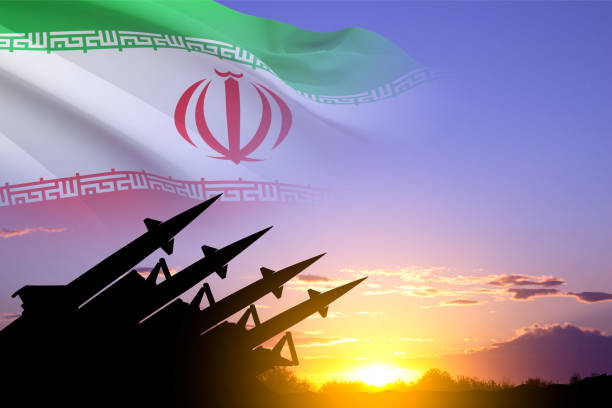

June 18, 2025 – Tehran — As tensions continue to escalate in the Middle East, Iran has reportedly used its domestically-produced Sejjil missile in the latest phase of Operation True Promise III, marking the first known deployment of the advanced weapon in an active conflict.
The Islamic Revolutionary Guard Corps (IRGC) announced the use of the Sejjil, a two-stage, solid-fuel medium-range ballistic missile (MRBM), during a series of retaliatory strikes against Israeli military targets on Wednesday. The launch signals a significant leap in Iran’s strategic missile capabilities and has drawn global attention to the country’s rapidly advancing missile technology.
What Is the Sejjil Missile?
According to the Missile Defense Project at the Center for Strategic and International Studies (CSIS) in Washington, the Sejjil is one of Iran’s most formidable missile systems. It is:

18 meters (59 feet) in length
Has an operational range of 2,000 kilometers (1,242 miles)
Can deliver a warhead weighing up to 700 kilograms (1,543 pounds)
Powered by solid propellant, allowing for quicker launch times and increased mobility compared to liquid-fueled missiles

These features make the Sejjil a potent weapon capable of reaching targets as far away as Israel, southeastern Europe, and U.S. military bases in the Gulf.
Why Is the Sejjil Missile Significant?
The use of solid-fuel technology marks a major advancement in Iran’s indigenous missile program. Solid-fuel missiles are generally easier to transport and faster to launch, making them harder to detect and intercept. This makes the Sejjil particularly difficult for missile defense systems, such as Israel’s Iron Dome or U.S.-backed THAAD systems, to neutralize in time.


Military analysts also point out that the Sejjil missile’s range and payload make it a strategic asset in Iran’s arsenal, allowing the country to project power far beyond its borders and challenge regional adversaries.
Iran’s Missile Strategy and Regional Impact
Iran’s latest strike comes in the context of heightened regional tensions, following deadly Israeli airstrikes that Tehran claims targeted high-ranking Iranian military personnel and scientists. The IRGC has warned that the recent missile launches are only a “deterrent phase,” with more severe responses possible if hostilities continue.
By unveiling the Sejjil in an operational capacity, Iran appears to be sending a clear message about its growing ballistic missile capabilities and its willingness to use new missile technology in direct military confrontations.
Global Reaction and Concerns
Western defense analysts have expressed concern over Iran’s ability to produce such advanced systems domestically despite years of international sanctions. The United States and its allies have long warned that Iran’s missile program poses a threat to regional stability, particularly if paired with nuclear ambitions—an allegation Tehran strongly denies.
Meanwhile, Israeli media reported that air defenses were overwhelmed during the latest barrage, with air raid sirens sounding across major cities including Tel Aviv and Haifa. The Israeli government has not officially confirmed the extent of the damage from the Sejjil strike.
Conclusion:
As the situation continues to evolve, Iran’s deployment of the Sejjil missile marks a turning point in the region’s military dynamics. Whether this represents the beginning of a broader conflict or a calibrated show of strength remains to be seen. However, one thing is clear: Iran’s new missile capabilities are reshaping the strategic equation in the Middle East.