


In an age of hyper-consumerism, relentless pursuit of status, and digital saturation, a centuries-old Islamic concept offers a strikingly resonant framework for introspection: the concept of Dunya. For Muslims and non-Muslims alike, understanding what Dunya represents provides not just theological insight, but a profound lens through which to examine our priorities, values, and the very nature of a life well-lived.
This exploration moves beyond a simple definition to unpack the nuanced Islamic perspective on the material world—its uses, its perils, and its ultimate purpose in the human journey.
The Arabic word Dunya (الدُّنْيَا) is linguistically derived from the root *d-n-w*, which carries meanings of “closeness,” “lowness,” and “inferiority.” This etymology is deeply instructive. It signifies the life that is nearest to us, the immediate, tangible reality we experience. However, its “lowness” is not a moral judgment on creation itself, which Islam views as inherently good, but on its relative value when weighed against the eternal, transcendent life of the hereafter (Akhirah).

Thus, Dunya in Islam refers to the temporal, material dimension of existence—a phase of life defined by its impermanence. It encompasses everything from wealth, possessions, and social status to desires, ambitions, and the physical realm itself.
The Theological Framework: Dunya vs. Akhirah in Qur’an and Hadith
Islamic scripture consistently presents Dunya and Akhirah in a dialectical relationship, urging believers to understand the former in the context of the latter.
In the Qur’an:
The Qur’an offers a clear-eyed perspective on the nature of worldly life. In Surah Al-Hadid (57:20), Allah provides a powerful metaphor:


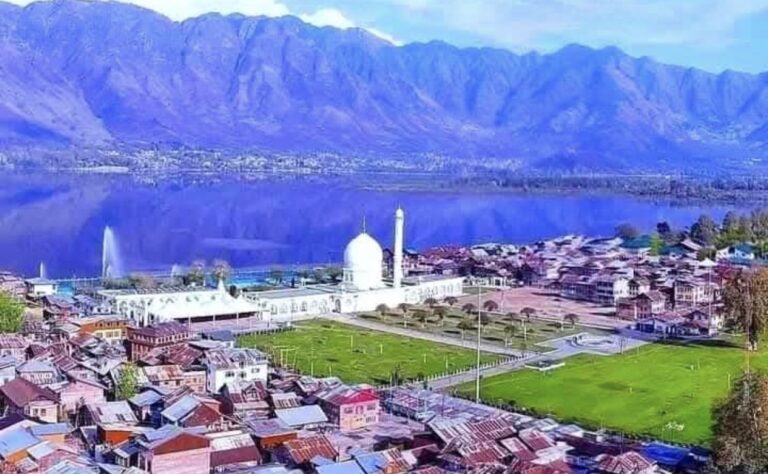
“Know that the life of this world is but play, amusement, diversion, embellishment, and boasting among yourselves, and rivalry in wealth and children. It is like a rain whose vegetation pleases the tillers; then it withers, and you see it turn yellow; then it becomes straw. But in the Hereafter there is severe punishment and forgiveness from Allah and His pleasure. And the life of this world is not but a delusory enjoyment.”
This verse does not deny the beauty or pleasure of Dunya but frames it as a temporary and ultimately fleeting phenomenon, much like crops that flourish after rain only to fade away. The ultimate success lies in seeking what is permanent: divine pleasure and forgiveness.
In the Prophetic Tradition (Hadith):
The Prophet Muhammad (peace be upon him) used vivid imagery to contextualize the value of Dunya.
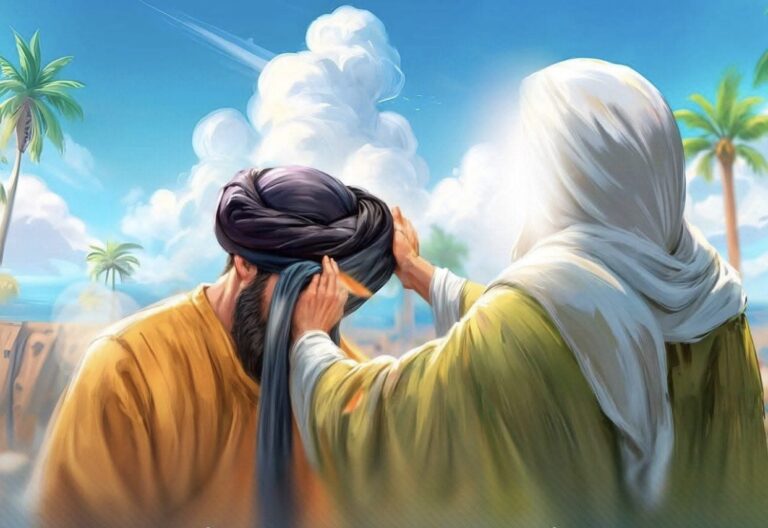

A Traveller’s Rest: He said, “Be in this world as if you were a stranger or a traveler along a path.” (Sahih al-Bukhari). A traveler does not settle permanently; they take what is necessary for their journey and keep their eyes fixed on the final destination.
A Prison for the Believer: In a famous narration, he stated, “The Dunya is a prison for the believer and a paradise for the disbeliever.” (Sahih Muslim). For the believer, the comforts of this world are limited and temporary compared to the eternal bliss of Paradise that awaits. For those who disbelieve, this world is the pinnacle of their enjoyment.
The Balanced Path: Rejecting Asceticism and Materialism
A common misconception is that Islam preaches a complete renunciation of the world. This is inaccurate. Islamic theology advocates for a purposeful and balanced engagement with Dunya.
The Qur’an explicitly condemns monasticism that was not prescribed by God (Surah Al-Hadid 57:27). Instead, Muslims are encouraged to:
Enjoy the Permissible (Halal): “O mankind, eat from whatever is on earth [that is] lawful and good…” (Qur’an 2:168). The blessings of Dunya—good food, family, beauty, and lawful wealth—are to be enjoyed with gratitude.
View Wealth as a Trust (Amanah): Material possessions are not inherently evil; they are a test and a responsibility. The question is not if one has wealth, but how it is acquired and spent. Is it earned ethically? Is it used to support one’s family, help the needy, and contribute to society?
Integrate Worldly Actions with Spiritual Intentions: The pursuit of a livelihood, caring for one’s family, and even enjoying a moment of rest can become acts of worship if done with the right intention—to fulfill God’s commandments and maintain oneself to do good.
The ideal Muslim is not a hermit but a responsible steward, someone who walks firmly on the earth, engages with it fully, yet whose heart is not attached to it to the detriment of their spiritual health.
Contemporary Lessons from the Concept of Dunya
In our modern context, the Islamic perspective on Dunya is profoundly relevant. It serves as an antidote to:
The Anxiety of Consumerism: In a world shouting “Buy more! Achieve more! Own more!”, the concept of Dunya whispers: “It is all temporary. Find contentment not in possession, but in gratitude and purpose.”
The Burnout Culture: The relentless grind for professional and social status is reframed. Our work is important, but it is a means to a higher end—sustaining ourselves and doing good—not the ultimate goal of existence.
Digital Distraction: The curated highlights of “influencer” lives on social media represent a hyper-real, seductive version of Dunya. Recognizing this as a “delusory enjoyment” can liberate one from the cycles of comparison and envy.
Environmental Consciousness: Viewing the world’s resources as a trust (amanah) fosters a sense of responsibility. We are not owners to exploit, but custodians tasked with preserving and protecting the planet for future generations.
Conclusion: Dunya as a Field for Harvest
So, what is Dunya in Islam? It is not a curse to be endured nor a prize to be won. It is best understood as a testing ground and a field of cultivation.
It is the place where our choices, actions, and intentions are sown. Every interaction, every transaction, every moment of patience, and every act of compassion is a seed planted. The harvest of these seeds will be reaped in the Akhirah, the life that is truly everlasting and real.
Understanding Dunya in this way does not lead to passivity; it leads to purposeful action. It invites a life lived with mindfulness, gratitude, and ethical integrity, where the temporary comforts of the world are enjoyed without ever allowing them to obscure the path to eternal peace.