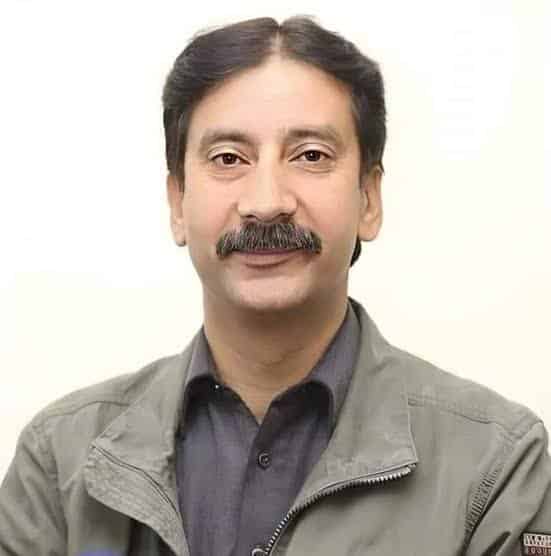

Muzaffarabad, Pakistan administered Kashmir – Shaukat Nawaz Mir, a key leader of the Jammu Kashmir Joint Awami Action Committee (JKJAAC), has sharply criticized the misuse of public resources under the pretext of development projects in Rawalpindi, calling it “functional corruption” and a “double standard” that violates citizens’ rights.
Allegations of Misallocated Funds
Mir alleges a local project claimed to have drilled 250 boreholes across 200 households, effectively draining Rawalpindi’s (Pakistan) water supplies. “They fabricated 200 bogus beneficiaries on paper, recorded boreholes in 250 places—yet nothing was delivered,” he charged, estimating the scandalous cost at Rs. 500–600 million. He also emphasized that those responsible secured “500–700 votes at a time” and “spent crores,” while neglecting genuine public welfare.
“Are these people not entitled to rights? Are they not citizens of the state? This is functional corruption—and it’s happening before our eyes.”
AJK Legislative Seats: Diaspora vs Local
Azad Jammu Kashmir (AJK) Legislative Assembly comprises 53 seats 45 directly elected seats, including 33 within AJK territory and 12 reserved for refugees from Jammu and Kashmir settled across Pakistan (six from Jammu Province, six from Kashmir Valley). There are also five women’s seats, one each for Ulema, Technocrats, and Overseas Kashmiris.
The 12 refugee seats, constitutionally protected since 2018, are a flashpoint: representatives from these seats draw state funding and enjoy job quotas, despite not residing in AJK.
JKJAAC’s Opposition and UN-Endorsed Charter
In its 16‑point Charter of Demands, JKJAAC—under Mir’s leadership—calls for the abolition of the 12 refugee seatsand associated job quotas, accusing them of undermining democratic representation and enabling corruption.

The group also points out that these demands are aligned with the UN Charter, particularly the principle of self-determination. Its latest rally asserted, “lasting peace… remains unattainable until the Jammu and Kashmir issue is resolved in line with the aspirations… of the Kashmiri people,” clearly referencing UN guidelines.
Mir’s Call to Action
Mir has urged immediate government action, warning that if his June 8 deadline wasn’t met, JKJAAC would intensify its protest campaign. The group rejects perks lavished on elites, accuses them of aiding “RAW-funded narratives,” and vows to uphold public rights and institutional integrity.
The 12 diaspora seats have been contentious since their introduction, with critics arguing they fuel political manipulation, especially as elected holders allocate budgetary funds across Pakistan rather than within Azad Jammu Kashmir (AJK). Meanwhile, JKJAAC’s alignment with UN principles underscores the global dimension of Kashmir’s governance challenges.


Responding to Mir’s allegations could prompt serious reform within AJK’s political structure ahead of upcoming electoral events. Observers expect increased scrutiny from civil society, UN-aligned bodies, and media watchdogs.