No state backing. No paywalls. Just truth. Support Kashmir's independent voice. Join 2,400+ patrons who fund independent voices.
Zero Paywalls
Reader Funded
Award Winning
Secure Payment
Encrypted
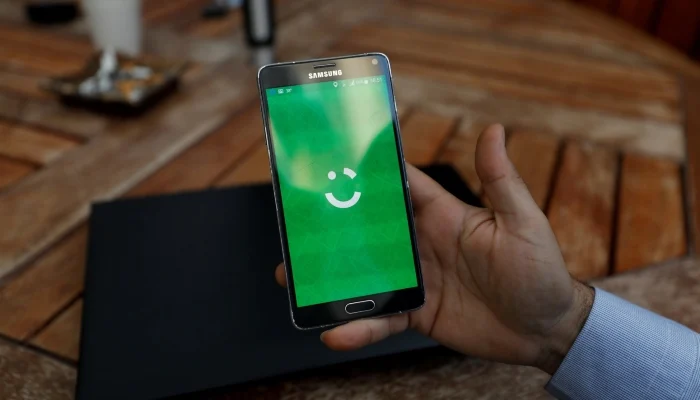
KARACHI – Ride-hailing pioneer Careem has announced it will suspend its services in Pakistan from July 18, 2025, ending a transformative 10-year presence that reshaped urban mobility in one of South Asia’s largest markets.
In a statement shared on LinkedIn, Careem CEO Mudassir Sheikha described the decision as “incredibly difficult”, citing macroeconomic instability, intensifying competition, and global capital reallocation as key drivers behind the company’s exit.
“It’s the end of an iconic chapter – one built with purpose, grit and a ton of relentless hustle,” Sheikha wrote.
Launched in 2015, Careem was a first mover in Pakistan’s then-nascent ride-hailing industry. The Dubai-based company rapidly scaled across major cities including Karachi, Lahore, Islamabad, and beyond, providing affordable, app-based transport in a country where public mobility options have long been limited.
No state backing. No paywalls. Just truth. Support Kashmir's independent voice. Join 2,400+ patrons who fund independent voices.
Over the years, Careem has not only helped millions of users commute daily, but also created thousands of flexible income opportunities for drivers—locally referred to as “Captains.”
Sheikha reflected on the early days of skepticism, particularly over cultural and gender norms, where the idea of women commuting alone or using smartphones for daily mobility met resistance.
“They [Careem Pakistan team] did not just build a service… they delivered public goods: digital infrastructure, trust, regulation, capability, and confidence,” he said.
The announcement comes against the backdrop of a broader crisis in Pakistan’s tech and startup ecosystem, which has been under stress since 2022. That year marked a sharp downturn in venture capital flows, soaring inflation (peaking at a record 38%) and a significant drop in consumer spending.
Prominent startups such as Airlift, Swvl, VavaCars, and Truck It In have either shut down or drastically scaled back operations amid these conditions.
Careem’s exit mirrors that of its parent company Uber, which ceased operations in Pakistan in 2022. Globally, mobility firms like Uber, Lyft, and Grab have retrenched from markets where profitability proved elusive, choosing instead to focus on adjacent sectors like food delivery, digital payments, and logistics.
As digital transformation accelerates worldwide, emerging markets face a double burden: the pressure of scaling infrastructure and the need to absorb global shocks like funding freezes and currency volatility.
For Careem, which was acquired by Uber in 2020, the strategic shift away from unprofitable markets aligns with broader trends in the tech mobility sector — prioritizing leaner operations, sustainable growth, and market consolidation.
Uber still maintains its presence in parts of the Middle East and North Africa, but has pulled out of other South Asian and African regions where returns have been marginal.
Careem’s withdrawal raises new questions about the future of ride-hailing and digital entrepreneurship in Pakistan. While the company is suspending ride-hailing, its super app operations — which include food and parcel delivery services — remain unaffected as of now, though their future is also uncertain.
The void left by Careem may create space for local players or new entrants to innovate, albeit in a much tougher economic environment. It also signals a need for regulatory support and public-private partnerships to build long-term resilience in the country’s digital economy.
Trending Topics


The Azadi Times is an independent digital news platform based in Muzaffarabad, Kashmir, dedicated to credible journalism, in-depth reporting, and global analysis. We cover Kashmir, South Asia, and international affairs with a commitment to truth, editorial integrity, and public accountability.
Get important news delivered directly to your inbox and stay connected!
© 2026 The Azadi Times. All Rights Reserved.