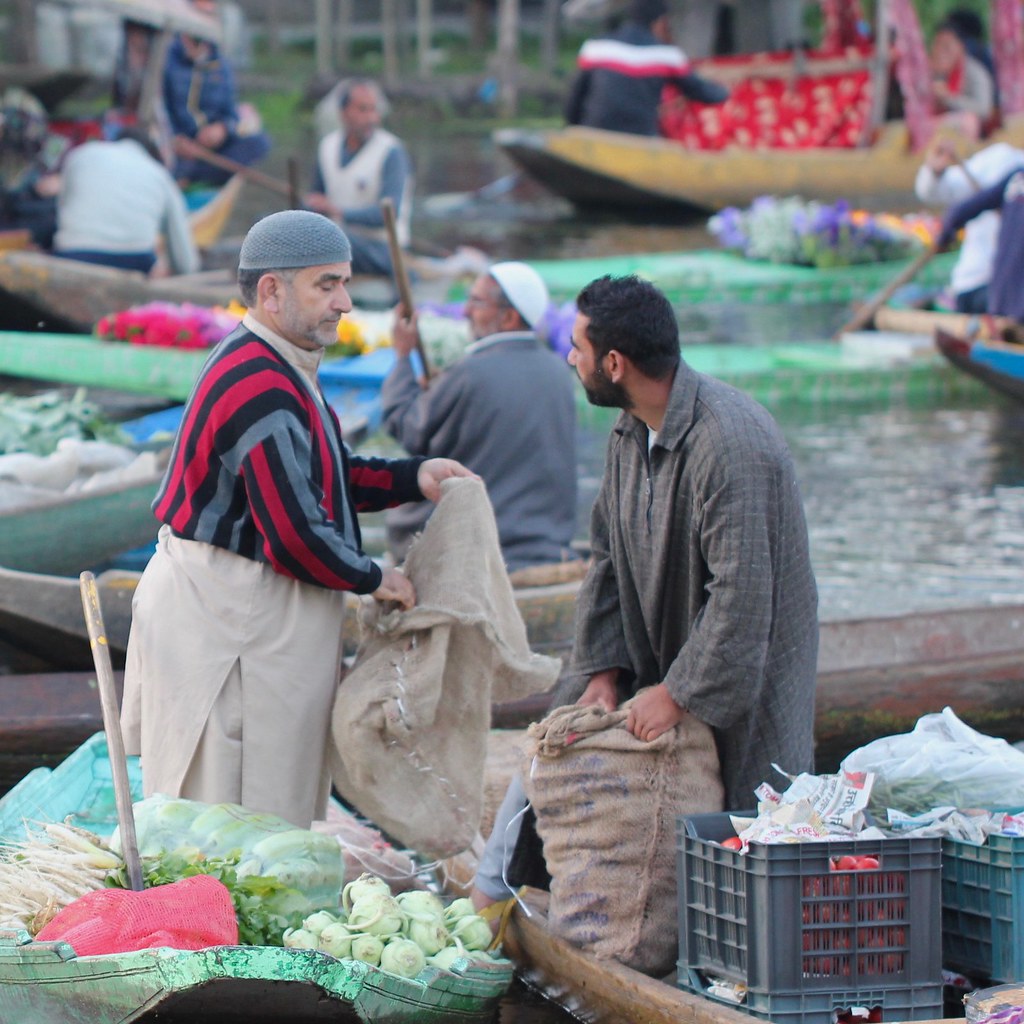

The picturesque landscapes of Kashmir, nestled amidst the majestic Himalayas, are unfortunately marred by a long history of conflict between India and Pakistan.
However, a glimmer of hope flickers in the form of cross-LoC (Line of Control) trade, a limited but significant initiative facilitating commerce across the heavily militarized border. This article delves into the intricacies of this trade, exploring its history, permitted items, potential impact, challenges it faces, and prospects.
A Seed of Hope: The Origins of Cross-LoC Trade
The concept of cross-LoC trade emerged in the late 2000s as a confidence-building measure between India and Pakistan. Recognizing the potential for economic cooperation and dialogue, both sides agreed to establish two trading points in 2008: Salamabad-Chakoti and Poonch-Rawalakot. These designated locations became the stage for a unique barter system, allowing for the exchange of specific items between registered traders.

A List of Permitted Items for Cross-LoC Trade
The list of items permitted for cross-LoC trade is carefully regulated and primarily focuses on agricultural produce, handicrafts, and handloom products. This deliberate selection aims to:
- Boost local economies: By allowing the trade of locally produced goods, the initiative empowers local communities and fosters economic activity on both sides of the LoC.
- Minimize security risks: The restricted list helps mitigate concerns about the potential misuse of the trade for unauthorized activities.
- Promote cultural exchange: The inclusion of handicrafts and handloom products allows for the exchange of cultural artifacts, fostering understanding and appreciation between the communities.
Some of the commonly traded items include:
Items Permitted for Cross-LoC Trade in Kashmir:
| From India | From Pakistan |
|---|---|
| Onions | Apples |
| Spices | Almonds |
| Coconuts | Walnuts |
| Dry fruits | Carpets |
| Life-saving drugs | Shawls |
It’s important to note that this list is subject to change based on agreements between the two sides, and both India and Pakistan have the authority to add or remove items as deemed necessary.


Beyond Commerce: The Multifaceted Impact of Cross-LoC Trade
While the economic benefits of cross-LoC trade are undeniable, its impact extends beyond mere financial gains. The initiative has demonstrably contributed to:
- Promoting people-to-people contact: The interaction between traders, albeit limited, fosters dialogue and understanding, chipping away at the barriers erected by years of conflict.
- Building trust and confidence: The successful operation of the trade mechanism, despite the volatile political climate, serves as a confidence-building measure, paving the way for future cooperation between India and Pakistan.
- Enhancing regional stability: By fostering economic interdependence and promoting dialogue, cross-LoC trade can contribute to creating a more stable and peaceful environment in the region.
The Road Ahead for Cross-LoC Trade
Despite its potential, cross-LoC trade faces several challenges that hinder its full potential:
- Limited scope: The restricted list of tradable items significantly limits the economic benefits that could be reaped from this initiative.
- Infrastructure bottlenecks: Inadequate infrastructure at trading points, such as limited storage facilities and poor transportation links, hampers the smooth flow of goods.
- Political volatility: The ever-present political tensions between India and Pakistan can disrupt trade activities, impacting the sustainability of the initiative.
The Future of Cross-LoC Trade In Jammu Kashmir
The future of cross-LoC trade hinges on the ability of India and Pakistan to address these challenges and work towards expanding the scope of the initiative. Key steps include:


- Expanding the list of tradable items: This would allow for a wider range of goods to be exchanged, boosting economic benefits for both sides.
- Investing in infrastructure development: Upgrading infrastructure at trading points would facilitate smoother movement of goods and reduce logistical bottlenecks.
- Maintaining a conducive political environment: Fostering dialogue and de-escalating tensions are crucial for ensuring the long-term sustainability of cross-LoC trade.
In conclusion, cross-LoC trade in Kashmir, while limited in its current form, offers a beacon of hope for economic development, people-to-people contact, and potential conflict resolution.
By addressing existing challenges and fostering cooperation, this initiative can evolve into a significant contributor to peace and prosperity in the region.
It serves as a reminder that even amidst the complexities of conflict, opportunities for collaboration and progress can emerge, paving the way for a brighter future.