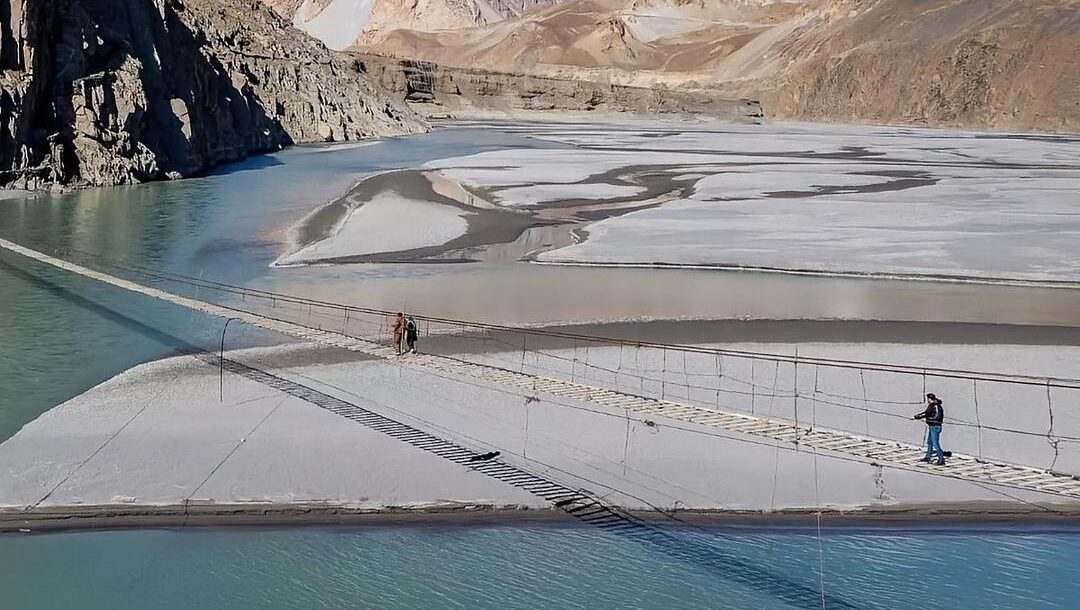

Hunza Valley, nestled in the northern reaches of Gilgit-Baltistan, is often described as paradise on earth. Snow-clad peaks, glacial rivers, apricot blossoms, and winding mountain roads make it one of South Asia’s most photographed destinations. But for travelers, whether Pakistani families escaping the chaos of cities or international visitors exploring the Himalayas and Karakoram, Hunza is far more than a scenic backdrop.
The heart of Hunza’s experience lies in its hospitality and food. Where you stay and what you eat become part of the story. From the luxury of heritage forts and boutique resorts to the warmth of family-run guesthouses, the Hunza Valley offers options for every budget and every kind of traveler. Meanwhile, its cuisine — shaped by centuries of survival in the mountains — remains simple, organic, and deeply rooted in community traditions.
This guide explores the best hotels, guesthouses, and restaurants in Hunza, while also reflecting on the opportunities and challenges of sustainable tourism in this fragile Himalayan frontier.
The Azadi Times
No state grants. No corporate lobby. Just ground‑truth reporting from Kashmir & beyond
You make this possible.
Luxury Hotels in Hunza
For those who wish to experience Hunza without compromising on comfort, a few establishments have become landmarks in themselves.
Serena Altit Fort Residence: Adjacent to the centuries-old Altit Fort, this hotel is not just a place to sleep, but a journey into Hunza’s history. The stone architecture, local woodwork, and curated cultural programs make it a living museum. Guests often describe it as a blend of “heritage and hospitality,” where every corner whispers stories of Hunza’s past.
PC Legacy Hunza (Pearl-Continental Group): Overlooking the mighty Rakaposhi and Ultar Sar, PC Legacy offers a more modern luxury. With conference halls, spas, and fine dining, it attracts business travelers, dignitaries, and high-profile guests. Yet beyond its glass windows and polished halls, the real attraction remains the awe-inspiring mountains that remind visitors of Hunza’s grandeur.


Mid-Range Hotels for Families and Groups
Most domestic tourists, especially families, prefer mid-range options where affordability meets comfort.
Hilltop Hunza Hotel: Perched above Karimabad, this hotel has long been a favorite. Its proximity to Baltit Fort and sweeping views of the valley make it a hub of activity. Travelers gather in its café, exchanging stories over cups of Hunza tea — a place where cultures meet and friendships are made.
Mulberry Hotel: A relatively new addition but already popular, the Mulberry blends modern amenities with local aesthetics. Families praise its cozy atmosphere, while younger travelers appreciate the balance between tradition and modernity.
Budget Hotels and Homestays in Hunza
Hunza’s heart beats strongest in its villages, and budget stays allow visitors to experience that authenticity.
Guesthouses in Gulmit and Passu: These family-run places are more than affordable accommodation; they are windows into Hunza’s daily life. Guests often share meals with hosts, learning about farming, traditions, and stories passed down for generations. Many international backpackers describe these stays as the most memorable part of their journey.
Community-led Eco-lodges: Especially in Upper Hunza, young entrepreneurs and activists have launched eco-tourism projects. These lodges focus on sustainability, using local materials and renewable energy. Visitors not only rest in comfort but also contribute to preserving Hunza’s fragile ecology.
👉 Travel Tip: Hunza’s popularity peaks from May to October. Hotels — from luxury resorts to village guesthouses — often book out weeks in advance. If you want to wake up to the sound
Hunza Valley hotels details
The experience of Hunza is never complete without choosing the right stay — because in this valley, accommodation is not just about a bed, it’s about stories, people, and views that linger long after the journey ends. Hunza’s hospitality is as diverse as its landscape; each place reflects a slice of local life history, tradition, and the resilience of its people.
| Category | Hotel/Guesthouse | Location | Key Features | Best For |
|---|---|---|---|---|
| Luxury Stays | Serena Altit Fort Residence | Altit, Karimabad | Heritage fort setting, curated dining, cultural programs | International tourists, heritage lovers |
| PC Legacy Hunza (Pearl-Continental) | Near Karimabad | Modern luxury, conference halls, spa, fine dining, views of Rakaposhi & Ultar Sar | Business travelers, high-profile guests | |
| Mid-Range Hotels | Hilltop Hunza Hotel | Karimabad | Panoramic view of Baltit Fort, on-site café | Families, groups |
| Mulberry Hotel | Karimabad | Modern rooms with local design elements, family-friendly | Domestic tourists, couples | |
| Budget & Homestays | Passu Guesthouses | Passu, Upper Hunza | Family-run, clean rooms, home-cooked food, community feel | Backpackers, students, researchers |
| Eco-Lodges (Community-Run) | Gojal & Upper Hunza | Youth-led eco-tourism, sustainable stays, cultural immersion | Eco-travelers, responsible tourism seekers |
Key Locations for Visitors in Hunza

Karimabad: The Heart of Hunza
If Hunza had a beating heart, it would be Karimabad. This small yet vibrant town is the cultural and tourism hub of the valley. With the majestic Baltit Fort and Altit Fort towering above, Karimabad tells stories of Hunza’s royal past while welcoming modern-day travelers. Its narrow lanes are dotted with hotels, cozy cafés, bookshops, and handicraft stores where visitors can purchase handmade shawls, carpets, and gemstones.
For many tourists, Karimabad is the first stop after entering Hunza — a place where history, hospitality, and breathtaking views of Rakaposhi and Ultar Sar blend together. Whether you’re staying in a luxury resort or a simple guesthouse, waking up to the sunrise over Karimabad’s snow-capped peaks is an experience you’ll never forget.
Gulmit and Passu: The Charm of Upper Hunza
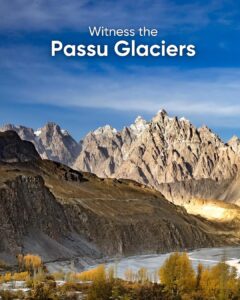
Heading deeper into Upper Hunza, Gulmit and Passu offer a quieter, more intimate experience compared to Karimabad. Popular among international backpackers and adventure travelers, these areas are surrounded by glaciers, suspension bridges, and of course, the iconic Passu Cones — a mountain formation that has become a symbol of Hunza.
Gulmit is also home to women-led initiatives and community-driven cafés where visitors can enjoy apricot tea or traditional chapshuro while learning about local culture. Staying in a homestay here allows you to experience genuine Hunza hospitality — families opening their doors, sharing stories, and serving food prepared from their own farms.
Attabad Lake and Beyond
Not too long ago, Attabad Lake was created by a devastating landslide in 2010. Today, it stands as one of Pakistan’s most photographed tourist destinations. The turquoise-blue water stretches across the valley, reflecting snow-capped peaks on calm days.
Around the lake, new hotels, restaurants, and even luxury resorts have sprung up, making it a favorite stop for families and honeymooners. Visitors can enjoy boating, jet skiing, or simply sitting by the water, soaking in the surreal beauty of a place that rose from tragedy. Attabad has truly transformed into a symbol of resilience and a must-visit on any Hunza itinerary.
Food in Hunza: A Taste of the Mountains
Hunza’s cuisine is not just food; it is heritage served on a plate. Rooted in centuries-old traditions, Hunza food reflects the valley’s mountain lifestyle — organic, simple, and nourishing. For travelers, tasting local dishes is as essential as visiting its forts or lakes.
Signature Dishes You Must Try
Chapshuro – Often called the Hunza pizza, this savory bread is filled with minced meat, onions, and spices, then baked on hot stones.
Dawdo Soup – A hearty noodle soup cooked with fresh vegetables and meat, perfect for cold mountain evenings.
Harissa – A slow-cooked blend of wheat and meat that locals enjoy in winter.
Molida – A festive dish made by mixing bread with apricot oil and butter, reflecting Hunza’s deep apricot culture.
Modern Adaptations
While Hunza’s traditional food continues to thrive, the valley’s growing tourism has introduced a wave of modern adaptations. Today, travelers can find restaurants serving everything from Italian pasta to Chinese noodles — often prepared alongside Hunza classics. Cafés in Karimabad and Gulmit now serve fusion menus, combining international flavors with local produce like apricot kernels and yak cheese.
👉 Travel Tip: Don’t leave Hunza without tasting dried apricots and walnut cakes. These organic snacks are not only delicious but also perfect souvenirs to carry back home.
Restaurants and Cafés Worth Visiting in Hunza
Hunza’s food culture is as colorful as its landscapes. Beyond traditional home kitchens, the valley is now home to restaurants and cafés that reflect both global flavors and local resilience. Dining here is not just about eating — it’s about experiencing stories of empowerment, community, and cultural pride.
Café De Hunza (Karimabad) – No trip to Hunza is complete without a stop at Café De Hunza. Famous for its walnut cake and freshly brewed coffee, it has become a landmark for both domestic and international travelers. Its cozy interior and terrace views of the valley make it a perfect spot to unwind after exploring Karimabad’s forts.
KhaBasi Restaurant (Altit Serena) – Located inside Serena’s Altit Fort Residence, KhaBasi is where tradition meets fine dining. The restaurant serves curated Hunza dishes with a modern touch, offering travelers a chance to taste authentic recipes in a heritage setting. Dinner here feels like stepping back in time, surrounded by centuries-old stone walls and mountain views.
Bozlanj Café (Gulmit) – A women-led initiative in Upper Hunza, this café is more than just a place to eat. Run by local Wakhi women, it serves traditional dishes like mamtu (dumplings) and sharbat (apricot drink). For international travelers, Bozlanj is not just about food — it’s about supporting empowerment and experiencing genuine hospitality.
Yak Grill (near Passu) – For adventurous foodies, Yak Grill offers something truly unique: dishes made from local yak meat. From burgers to traditional platters, this restaurant has gained popularity among travelers eager to taste something they won’t find elsewhere. Located near the dramatic Passu Cones, it pairs good food with unforgettable scenery.
👉 Travel Tip: Many of these cafés also sell locally produced goods — dried apricots, handmade crafts, or natural oils. Buying from them directly supports Hunza’s communities.
Hunza’s hospitality is not just about beds and meals — it is about heritage, resilience, and community. From luxury resorts to modest homestays, and from walnut cake to chapshuro, Hunza offers experiences that are deeply human.
For international visitors, it is a gateway into one of South Asia’s most breathtaking landscapes. For national travelers, it is a reminder of cultural pride. For Hunza’s people, it is home — a home they continue to protect against environmental threats and political uncertainties.
Hunza Valley remains more than a tourist destination; it is a living story of beauty, resilience, and hospitality at the edge of the Himalayas.