
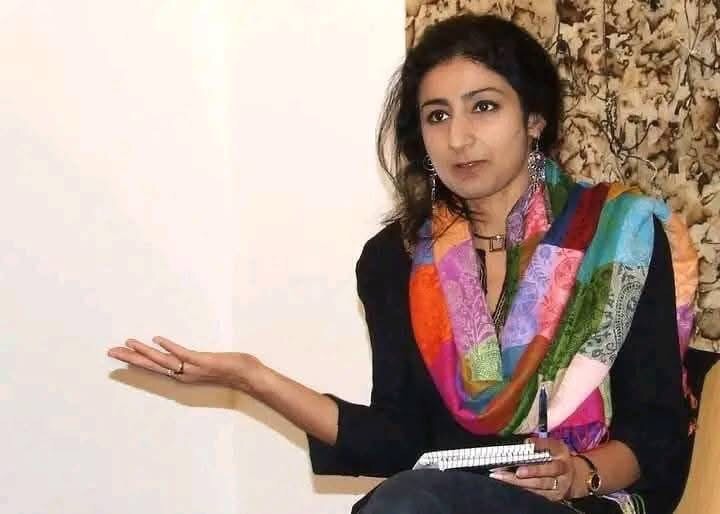
London/Srinagar – The Indian government has cancelled the Overseas Citizen of India (OCI) status of a British-Kashmiri academic, citing “anti-India activities,” in the latest case highlighting tensions between Delhi and diaspora critics.
Dr Natasha Kaul, a politics professor at the University of Westminster, told BBC she was “shocked but not surprised” by the move, which follows her being denied entry to India in February despite holding valid documents.
What happened?
The 44-year-old scholar – born in Kashmir but a British citizen since 2016 – received notification this week that her OCI card, which grants foreign nationals of Indian origin visa-free travel and work rights, had been revoked.
This comes four months after immigration officials at Bengaluru airport refused her entry, detaining her overnight before deporting her to London. At the time, she was invited to speak at a conference on Indian federalism.
Why was she targeted?
Government sources speaking anonymously to Indian media suggested Dr Kaul’s “consistent anti-India propaganda” on Kashmir motivated the decision.
The academic has been openly critical of:



- The 2019 revocation of Jammu and Kashmir’s special status
- Human rights violations in the region
- Democratic backsliding under Prime Minister Modi
In a statement to BBC, Dr Kaul said: “Criticising government policy is being framed as anti-national. This should worry anyone who cares about India’s democratic traditions.”
Wider pattern
The move fits an established pattern:
- 2022: OCI cancelled for Canadian doctor critical of Kashmir policy
- 2021: Pulitzer winner barred over citizenship law reporting
- Dozens of journalists, activists affected since 2019
Legal experts note OCI cards, introduced in 2005 to connect diaspora to India, increasingly function as “loyalty cards” under the current government.


Dr Kaul says she will challenge the decision legally, though precedents suggest slim chances. Meanwhile, the incident has sparked fresh debate about shrinking space for dissent in the world’s largest democracy.