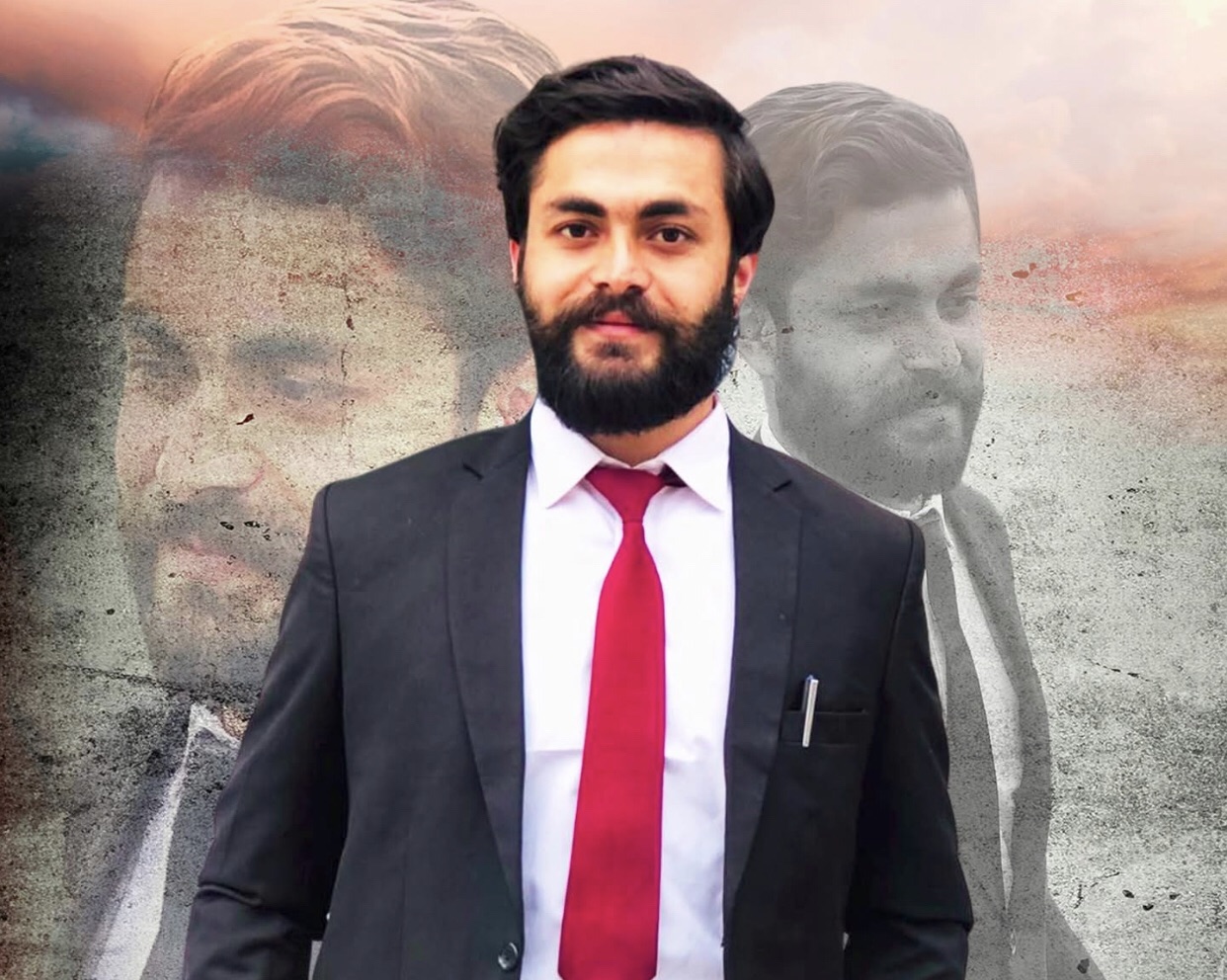

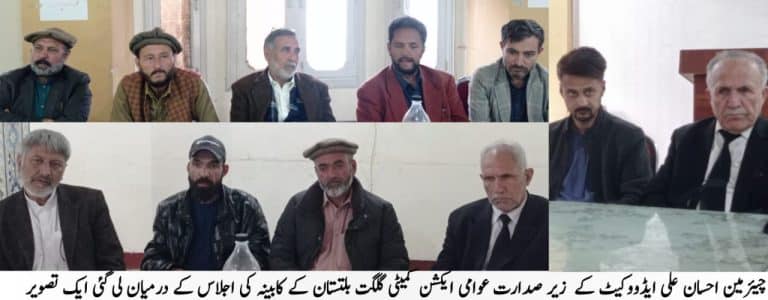
Gilgit, Gilgit Baltistan (Pakistan administrated Kashmir) – Widespread condemnation has erupted across Pakistan-administered Kashmir following the arrest of Irfan Azad, a prominent student activist and President of the Baltistan Front (BF). Human rights advocates, student leaders, and civil society groups have also denounced late-night raids on the homes of Manzar Maya and other senior leaders of the Awami Action Committee Gilgit Baltistan (AACGB), a grassroots movement known for its advocacy on local rights and resource sovereignty.
Azad’s arrest is being viewed as part of a broader crackdown on dissenting voices in Gilgit-Baltistan, amid growing tensions over controversial legislative measures related to land and natural resources.
Locals Raise Concerns Over Resource Control
Activists and locals allege that the current administration is attempting to silence voices of resistance to push through the Mines and Minerals Act and the Land Reforms Act, which many fear will allow the sale or lease of Gilgit-Baltistan’s mineral-rich lands to powerful corporate entities.

Speaking to VOI, student leaders claimed the state is using fear as a tool to weaken local opposition:
“These arrests and raids are not isolated incidents. They are aimed at creating a climate of fear so that natural resources can be handed over to non-local investors,” one youth activist said.
They further emphasized that the people of Gilgit-Baltistan—especially its youth—have historically protected their land, mountains, and minerals and will continue to resist any move to alienate them from their resources.
Long-Standing Demands for Autonomy and Resource Rights
The region of Gilgit-Baltistan, administered by Pakistan but claimed by India as part of the larger Kashmir dispute, has long been at the center of debates on autonomy, political representation, and control over its vast mineral wealth.
Local communities have repeatedly demanded that any development in the region be carried out with the consent of the people and ensure long-term benefits for the indigenous population.
“Our struggle is not just political—it is about survival, dignity, and the future of our generations,” said a community elder from Gilgit.


Religious Leaders, Students Call for Peaceful Resistance
Religious scholars and youth leaders have called on the people to remain calm but resolute in their struggle, urging unity and peaceful protest. The arrests, they say, are meant to provoke unrest and must be countered with discipline and solidarity.
Demands for the immediate release of Irfan Azad and an end to police raids have been echoed by political groups and civil society organizations, who argue that silencing democratic voices will only deepen the existing mistrust between the people and the state.
Broader Implications for the Region
Observers warn that continued suppression of political expression in Gilgit-Baltistan could have regional consequences. The disputed region, rich in resources and geopolitically sensitive, remains central to the aspirations of its people and the broader Kashmir issue.
As calls grow for inclusive governance and equitable development, the situation in Gilgit-Baltistan highlights the urgent need for transparency, accountability, and respect for local voices.