

Key Takeaways
- Deadliest fighting in over a decade near disputed ancient temples.
- Historic border dispute over Preah Vihear and surrounding areas.
- Thai PM suspended after leaked phone call with Cambodia’s Hun Sen.
- Over 100,000 displaced; trade and energy ties disrupted.
- Regional mediation efforts underway, but no clear resolution in sight.
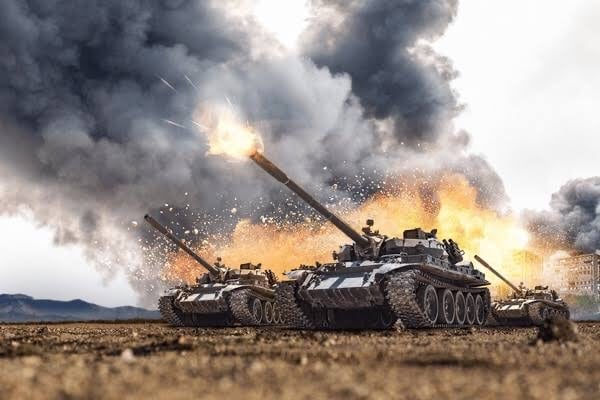
25 July 2025 – Bangkok/Phnom Penh: Fighting between Thai and Cambodian forces has intensified in recent days, with both sides trading artillery fire and conducting air operations near ancient Hindu temples located in a long-disputed border region.
The flare-up marks the worst violence between the Southeast Asian neighbours since 2011, raising fears of a prolonged conflict in the heart of mainland ASEAN.
What’s Happening?
On 24 July, Thai and Cambodian troops clashed near the Ta Muen Thom and Ta Muen Toch temples — sacred 11th-century sites located in a densely forested zone known as the Emerald Triangle, where Thailand, Cambodia, and Laos meet.

Military sources on both sides confirmed rocket fire, shelling, and drone surveillance in the area. Cambodia claims the Thai military violated its airspace and struck a forward outpost. Thailand accuses Cambodia of provoking conflict by reinforcing military presence near contested areas.
Casualty figures have not been independently verified, but local media report several soldiers killed and dozens wounded. Tens of thousands of civilians have fled surrounding districts, fearing a wider escalation.
A Dispute Rooted in Colonial Maps
The two countries have contested parts of their shared 800-km (500-mile) border for over a century. At the centre of the dispute is the 11th-century Preah Vihear Temple, which the International Court of Justice (ICJ) awarded to Cambodia in 1962. However, surrounding areas — especially buffer zones near temple complexes — remain disputed.

In 2013, the ICJ reaffirmed Cambodia’s sovereignty over the main temple, but Thailand rejected the ruling’s interpretation of adjacent territories. Since then, multiple flare-ups have occurred, most notably from 2008–2011, during and after the site’s controversial designation as a UNESCO World Heritage Site.
A Leaked Phone Call Sparks Political Crisis in Thailand
The most recent escalation has been compounded by domestic political turmoil in Thailand. A leaked phone conversation between Thai Prime Minister Paetongtarn Shinawatra and Cambodian Senate President Hun Sen ignited fierce debate.
In the recording, Paetongtarn is heard requesting leniency and referring to Hun Sen as “uncle,” a cultural term of respect. Critics in Bangkok viewed the exchange as “undermining national sovereignty.”

The fallout was swift: Paetongtarn was suspended from office, her coalition fractured, and Deputy PM Phumtham Wechayachai was appointed acting prime minister. Analysts say the controversy has weakened Thailand’s negotiating position and emboldened Cambodian officials.
Economic & Human Impact
Border towns like Poipet in Cambodia and Aranyaprathet in Thailand have seen a sharp drop in trade, tourism, and cross-border commerce. Cambodian authorities have banned Thai imports, while Thailand has closed key checkpoints and threatened to cut electricity and internet access to Cambodian provinces dependent on Thai infrastructure.
According to local humanitarian groups, over 100,000 civilians have been displaced. Schools and health centres along the border remain closed. Relief agencies warn of shortages in food, fuel, and clean water if fighting continues.
Regional and International Reactions
- The United Nations and ASEAN have urged both governments to “exercise maximum restraint.”
- Cambodia has submitted a new petition to the ICJ over four contested areas.
- Thailand continues to reject international mediation, instead calling for bilateral talks via the Joint Border Commission.
Neighbouring countries like Vietnam and Laos have tightened security along their borders. China and the United States have issued separate statements urging de-escalation.
What’s Driving the Conflict?
Experts cite a combination of historic grievances, political opportunism, and shifting regional power dynamics as key drivers of the renewed conflict:
- Territorial ambiguity due to colonial-era French maps.
- Personal rivalries between the Shinawatra and Hun political dynasties.
- Use of the conflict to divert attention from domestic crises, particularly in Bangkok.
- Rising military assertiveness across Southeast Asia.
What Happens Next?
With both countries locked in a blame game and diplomacy stalled, observers warn of a stalemate turning into a prolonged low-intensity conflict. ASEAN has offered to mediate, but no formal negotiations have been confirmed.
In the meantime, villagers continue to flee, border trade remains paralysed, and trust between two ASEAN founding members has eroded further.