
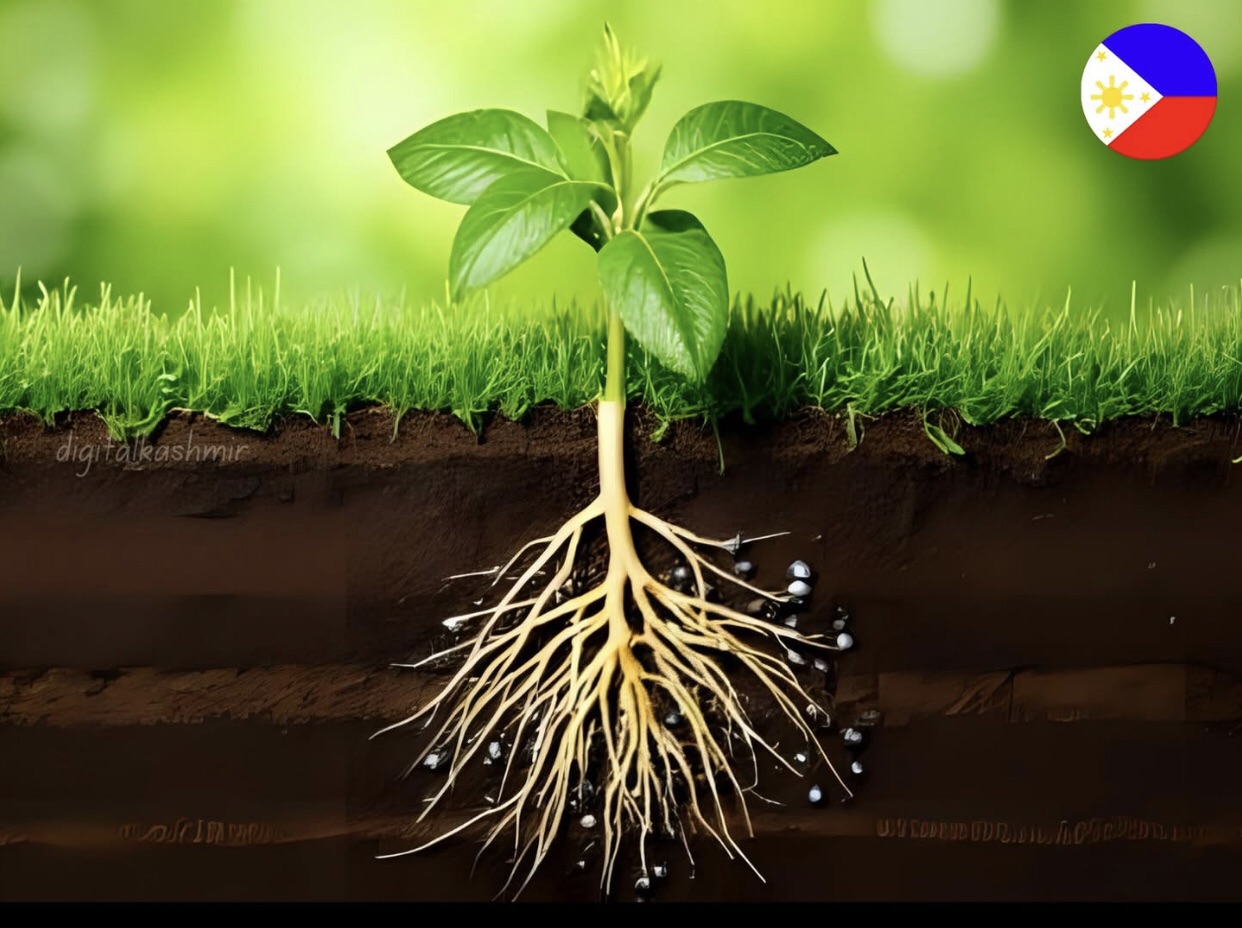

Newly identified “hyperaccumulator” plant offers eco-friendly solution to rehabilitate land polluted by mining and industrial waste.
Eco Breakthrough in the Philippines: Rare Plant Cleans Polluted Soil
In a major environmental breakthrough, researchers in the Philippines have identified a rare plant species capable of absorbing toxic heavy metals from contaminated soil. This natural detoxifier, classified as a “hyperaccumulator,” could revolutionize efforts to restore environments degraded by mining and industrial pollution.

The process used by the plant is known as phytoremediation—a green technology that uses living plants to clean up soil, air, and water tainted with hazardous contaminants.
A Natural Solution to a Growing Crisis
According to scientists from the University of the Philippines and the Department of Environment and Natural Resources (DENR), the newly discovered species has shown extraordinary abilities to extract high concentrations of nickel, cadmium, and lead from toxic land. The plant thrives in polluted soils and stores harmful metals in its leaves and stems without damaging itself.



“This discovery has immense potential for rehabilitating degraded ecosystems—particularly those affected by heavy mining activities in Southeast Asia,” said Dr. Eliza Ramos, lead environmental biologist on the study. “It offers a cost-effective, sustainable alternative to traditional soil-cleaning methods.”
What Is Phytoremediation?
Phytoremediation is an eco-innovative technique that uses plants to:


- Absorb and contain pollutants
- Stabilize toxic soil
- Prevent the spread of heavy metals into nearby waterways
- Improve biodiversity and land usability over time
Because it’s less invasive than mechanical excavation or chemical treatment, phytoremediation is increasingly being recognized as a vital tool in climate adaptation and land restoration efforts.
Hope for Post-Mining Communities
The implications are far-reaching. In the Philippines—where decades of extractive mining have left behind acres of unproductive, hazardous land—this discovery could aid communities struggling with environmental damage and health risks.
Government agencies are now assessing how to scale phytoremediation projects using this native plant, especially in affected provinces such as Palawan, Zambales, and parts of Mindanao.
Toward a Sustainable Future
This discovery joins a growing body of eco-innovations aimed at combating climate change and pollution. From bioengineered trees to microbial soil treatment, nature-based solutions are becoming essential tools in the global sustainability toolkit.
Environmental advocates have welcomed the find, calling it a “win-win for biodiversity and community resilience.”