

For centuries, Kashmir has drawn travelers with its snow-capped mountains, tranquil lakes, and vibrant culture. Yet, most guides on “how to go Kashmir from Delhi” offer only surface-level information, often echoing state tourism narratives. The reality of traveling to, within, and beyond Kashmir is more complex—and more beautiful—than official brochures suggest.
This comprehensive, independent guide from The Azadi Times is written for those who seek authentic experiences, practical travel advice, and an honest look at both the joys and challenges of reaching Kashmir from Delhi—whether you’re an Indian citizen or an international visitor.
We go beyond the usual by covering every transport mode, sharing voices of real travelers and locals, and shining light on the “unseen Kashmir” beyond curated tour packages.
The Azadi Times
No state grants. No corporate lobby. Just ground‑truth reporting from Kashmir & beyond
You make this possible.
Kashmir is divided by the Line of Control (LoC) into Indian-administered Jammu & Kashmir (including the Kashmir Valley, Jammu, and Ladakh) and Pakistan-administered Azad Jammu & Kashmir (AJK) and Gilgit-Baltistan. Both sides offer unique travel experiences, yet access and realities differ sharply.
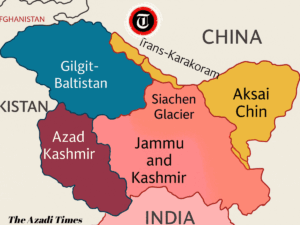
- Indian-administered Kashmir: Srinagar, Gulmarg, Pahalgam, Sonamarg, and the Mughal Road are the main tourist draws.
- Pakistan-administered Kashmir: Muzaffarabad, Neelum Valley, Rawalakot, and Gilgit-Baltistan (for the Karakoram mountains).
Most travelers from Delhi aim for Srinagar—the heart of the Valley. But with the right planning, you can see both sides of Kashmir’s story.
| Mode | Route | Price (INR/USD) | Duration | Highlights | Pros & Cons |
|---|---|---|---|---|---|
| Flight | Delhi → Srinagar | ₹6,000–₹14,000 ($70–$170) | 1.5 hrs | Fast, scenic aerial | Quick, but expensive |
| Train+Road | Delhi → Jammu (train), Jammu → Srinagar (road) | ₹1,000–₹2,500 ($12–$30) + road: ₹1,200–₹2,500 ($14–$30) | 8–14 hrs (train + road) | See Jammu, gradual approach | Longer, more connections |
| Bus | Delhi → Jammu (Volvo/Sleeper), Jammu → Srinagar (bus/shared taxi) | ₹1,200–₹2,500 ($14–$30) | 16–20 hrs | Budget, local flavor | Uncomfortable, slower |
| Car/Taxi | Delhi → Jammu → Srinagar | ₹12,000–₹20,000 ($140–$240) | 14–18 hrs | Flexible stops | Costly, tiring |
| International | Delhi → Lahore/Islamabad (flight/road), onward to AJK/Gilgit | ₹15,000–₹35,000 ($180–$420) | 6–14 hrs | Unique vantage points | Complex permits, border issues |
Rates updated July 2025. Prices may vary with season, airline, and fuel cost.
Delhi to Kashmir by Flight — The Fastest Option
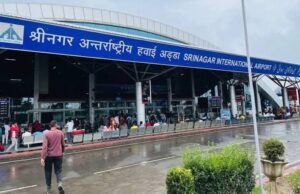
- Airlines: Air India, IndiGo, Vistara, GoFirst, and SpiceJet operate daily direct flights from Delhi (DEL) to Srinagar (SXR).
- Time: 1.5 hours in the air; add 1 hour for airport procedures.
- Cost: ₹6,000–₹14,000 ($70–$170) for a one-way ticket. Book early for best rates.
- Fastest, safest, most reliable.
- Breathtaking views of the Himalayas on descent.
- Good connectivity for Indian and foreign travelers.
- Flight delays during winter due to fog/snow.
- Security checks can be lengthy (especially for international travelers).
- Limited baggage allowance.
“Landing in Srinagar felt surreal—the mountains seemed to rise right out of the runway. But the airport felt tense, with security everywhere. I wished I’d known to keep my papers handy.”
— Sara M., traveler from Mumbai
You’ll need an Indian visa. Srinagar Airport has no direct international flights; connect via Delhi or Mumbai. Keep your passport, visa, and any travel permits ready for inspection.
Delhi to Kashmir by Train — The Scenic Route
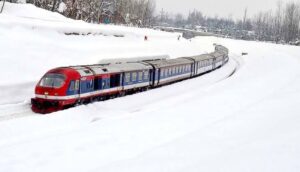
- Trains: Rajdhani Express, Shalimar Express, Jammu Mail, Vaishno Devi Express.
- Time: 8–12 hours (overnight options available).
- Cost: ₹1,000–₹2,500 ($12–$30) for sleeper or AC classes.
- Station: Jammu Tawi (JAT).
- Road: Shared taxis, buses, or private cars.
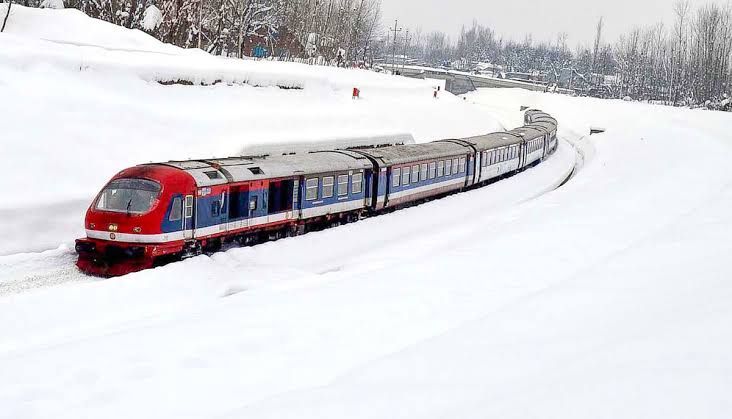
- New Rail Link: Udhampur–Banihal rail now connects parts of the route, but full train to Srinagar is still pending (as of July 2025).
- Time: 6–8 hours via road (NH44, Jawahar Tunnel).
- More affordable.
- See changing landscapes—plains, hills, tunnels.
- Chance to stop in Jammu for local food or Vaishno Devi pilgrimage.
- Train delays, crowded compartments.
- Road from Jammu to Srinagar can be affected by landslides or military convoys.
- No direct train all the way to Srinagar yet.
“I took the train to Jammu and then a shared taxi to Srinagar. It was a marathon trip—but the views of Pir Panjal mountains were worth it. Stopping for chai at roadside stalls gave me a feel for real Kashmir.”
— Rahul S., backpacker from Delhi
Delhi to Kashmir by Bus — Budget & Adventure
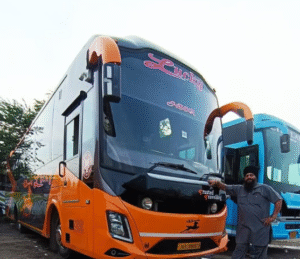
- Buses: Private Volvo, government roadways, sleeper options.
- Cost: ₹1,200–₹2,500 ($14–$30).
- Time: 12–16 hours (overnight buses available).
- Buses: JKRTC and private mini-buses, shared taxis.
- Cost: ₹500–₹1,000 ($6–$12).
- Time: 6–8 hours.
- Most affordable.
- Mix with locals, experience ground realities.
- Can be booked last-minute.
- Uncomfortable seats, limited amenities.
- Longer travel time.
- Security checks at checkpoints.
“Bus journeys are for those who want to see the real Kashmir—the chatter, the food, the patience. But be ready for delays and the unexpected.”
— Fayaz Ahmed, driver from Anantnag
Delhi to Kashmir by Road — Freedom and Flexibility
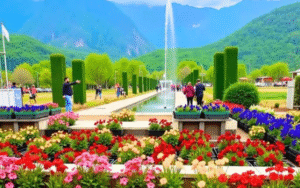
- Route: Delhi → Ambala → Ludhiana → Jalandhar → Pathankot → Jammu → Udhampur → Banihal → Srinagar.
- Distance: ~850 km.
- Time: 14–18 hours non-stop; better split into 2 days.
- Cost: ₹12,000–₹20,000 ($140–$240) for rental/self-drive, plus fuel.
- Permits: No special permits for Indian citizens. International travelers must carry original documents.
- Stop anywhere, choose your own pace.
- Visit smaller towns—Patnitop, Kud, Ramban.
- Good for families or groups.
- Road blocks due to weather or security.
- Tiring for solo drivers.
- Police and military checkpoints can be frequent.
- Avoid night driving in hilly stretches.
- Check weather forecasts, especially in winter.
- Keep emergency contacts handy.
- Visas: E-visa or sticker visa required; not available on arrival in Srinagar.
- Restricted Areas: Some border areas (e.g., Tangdhar, Gurez, Uri) require additional permits—usually not accessible to foreigners.
- Embassies: Register with your embassy/consulate; keep contact info ready.
- Visas: Pakistani visa required; entry points are Islamabad, Lahore, or Karachi.
- Access: Foreigners need no-objection certificates (NOC) for AJK/Gilgit, which must be arranged before arrival.
- LoC Crossing: No civilian crossings allowed except for rare family reunification cases (heavily restricted and bureaucratic).
- Tourism: Stunning places like Neelum Valley, Hunza, Skardu are open, but independent travel is advised due to periodic restrictions.
“Crossing the LoC is nearly impossible for tourists. I visited both sides over two trips—each offers a different story, and both are worth experiencing if you can.”
— Laila Q., journalist from London
Most tourism packages and advertisements focus on “safe” destinations—Dal Lake, Gulmarg’s ski slopes, Pahalgam’s meadows. These places are beautiful, but they represent only a fraction of Kashmir’s reality.
- State Curated: Security presence, sanitized itineraries, controlled routes.
- Unseen Kashmir: Village stays, Sufi shrines, old Srinagar bazaars, remote valleys like Gurez, Lolab, and Neelum (on the Pakistan side).
- Local Voices: Artisans, farmers, students, and elders have stories that never make it to government websites.
“Tourists come for the postcard views, but the real Kashmir is in small villages and quiet conversations. We wish more people came to listen, not just to sightsee.”
— Nusrat Jan, Srinagar resident
Tourism Highlights — What’s Accessible & What’s Hidden
- Accessible: Dal Lake, Gulmarg, Sonamarg, Pahalgam, Mughal Gardens.
- Hidden Gems: Gurez Valley (permit needed), Bangus Valley, Lolab Valley, Sufi shrines, old city of Srinagar.
- Culture: Sufi music, Kashmiri cuisine (wazwan), traditional crafts (papier-mâché, carpets).
- Accessible: Muzaffarabad, Rawalakot, Neelum Valley, Hunza, Skardu, Fairy Meadows.
- Hidden Gems: Shounter Lake, Leepa Valley, village stays, local festivals, mountain trekking.
Security restrictions, weather, and permits shape what’s possible. Always check local advisories and avoid political hotspots during unrest.
- Spring (March–May): Blossoms, mild weather; best for sightseeing.
- Summer (June–August): Cool in the hills; peak tourist season, crowded.
- Autumn (September–November): Golden chinar leaves, harvest festivals, fewer crowds.
- Winter (December–February): Snow sports in Gulmarg, magical landscapes; possible travel delays.
- Register with your embassy if you’re a foreigner.
- Keep local emergency numbers handy (police, hospital).
- Avoid large gatherings or protests.
- Respect local customs and dress modestly.
- Ask permission before photographing people.
- Stay updated on weather and security alerts.
- Carry extra cash—ATMs may be limited in remote areas.
- No special permit for Indian citizens for Srinagar, Gulmarg, Pahalgam.
- Permits needed for Gurez, Tangdhar, Uri: Apply via district administration or local travel agent.
- Foreigners: May be restricted from border areas.
- NOC required for foreigners in AJK and Gilgit-Baltistan.
- Domestic travelers: CNIC required; check for local festivals or closures.
- Book transport and accommodation in advance during peak seasons.
- Use local taxis for short trips; negotiate fares before boarding.
- Learn a few words of Kashmiri or Urdu—it helps break the ice.
- Try local cuisine: Rogan Josh, Gushtaba, Kahwa, Noon Chai.
- Respect local sensitivities around politics and religion.
- Support local crafts—visit cooperative shops, not just tourist markets.
Q1: Can foreigners travel freely in Kashmir?
A: Most tourist areas are open, but some border regions require permits. Always check latest advisories.
Q2: Is there a direct train from Delhi to Srinagar?
A: No, as of July 2025. Train goes to Jammu; onward journey is by road or limited railway to Banihal.
Q3: Is Kashmir safe for solo travelers?
A: Main tourist areas are generally safe; exercise caution during unrest or in remote regions.
Q4: Can I visit both Indian and Pakistan-administered Kashmir in one trip?
A: Not directly. Crossing the LoC is not permitted for tourists; separate visas and travel plans are needed.
Q5: What is the “unseen Kashmir”?
A: It refers to places and experiences beyond official tourism—village life, local festivals, crafts, personal stories.
Q6: How much does it cost to go from Delhi to Kashmir?
A: Flights: ₹6,000–₹14,000 ($70–$170), Train+Road: ₹2,500–₹5,000 ($30–$60), Bus: ₹1,200–₹3,500 ($14–$42), Taxi/Car: ₹12,000+ ($140+).
Traveling from Delhi to Kashmir is more than a journey—it’s an entry into a world shaped by history, politics, and resilient beauty. While official tourism offers comfort and security, the real Kashmir is found in hidden valleys, local conversations, and moments that transcend state narratives.
Whether you’re seeking adventure, reflection, or understanding, go beyond the usual. Listen to Kashmiri voices, respect local realities, and explore both the celebrated and unseen sides of this extraordinary land.
The Azadi Times is committed to honest journalism, amplifying stories that matter. For more on Kashmir’s travel, culture, and untold histories, follow us, and travel thoughtfully.