
Jammu: Jammu and Kashmir’s lone Aam Aadmi Party (AAP) legislator, Mehraj Malik, has been detained under the Public Safety Act (PSA), sparking days of protests in his home district of Doda and beyond.
Authorities say the detention, which allows imprisonment without trial for up to two years, was ordered on the grounds that Malik’s activities were “prejudicial to the maintenance of public order.”
Since his arrest on 8 September, demonstrations have continued in Doda and Jammu. Roads have been blocked, internet and mobile services suspended, and restrictions imposed under prohibitory orders to curb unrest.
The Azadi Times
No state grants. No corporate lobby. Just ground‑truth reporting from Kashmir & beyond
You make this possible.
Emotional plea from father
Malik’s father, Shamas Udin Malik, has publicly appealed for his son’s release.
“I have given my son to the people, but now I want him back,” he said in a statement. “I cannot keep running to the courts. My son’s mother and four sisters are in distress. We only want him home.”
Shamas Udin also met Chief Minister Omar Abdullah at his residence in Srinagar, urging him to intervene. He described the detention as a “personal vendetta,” alleging that the Deputy Commissioner of Doda acted with bias when recommending the PSA against his son.
Protests and political reactions
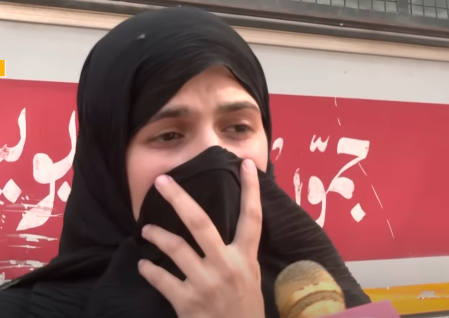
Reports from the ground suggest dozens of protestors have been detained, with at least 70 people picked up during clashes with security forces.
Political parties across the spectrum have criticised the government’s move, calling it an “erosion of democracy” to invoke PSA against an elected representative.
“This is not just about one MLA—it sends a message that dissent, even from within the legislature, can be criminalised,” a senior opposition leader told local media.
What is the PSA?
The Public Safety Act (PSA) is a preventive detention law unique to Jammu and Kashmir. It allows authorities to detain a person for up to six months without trial, extendable to two years in cases of national security.
The law has long been controversial. Human rights groups argue that it is frequently misused to silence political opponents, journalists, and activists. The government, however, insists that it is necessary to maintain order in a region prone to unrest.
Wider implications
Mehraj Malik, currently lodged in Kathua jail, was known for raising questions about local governance, including criticism of health infrastructure in his constituency.
His detention has not only mobilised local communities but also triggered a wider debate about the boundaries of political speech in Jammu and Kashmir.
As protests continue into a fourth day, families, supporters, and rights groups say the case could set a dangerous precedent for democracy in the region.