
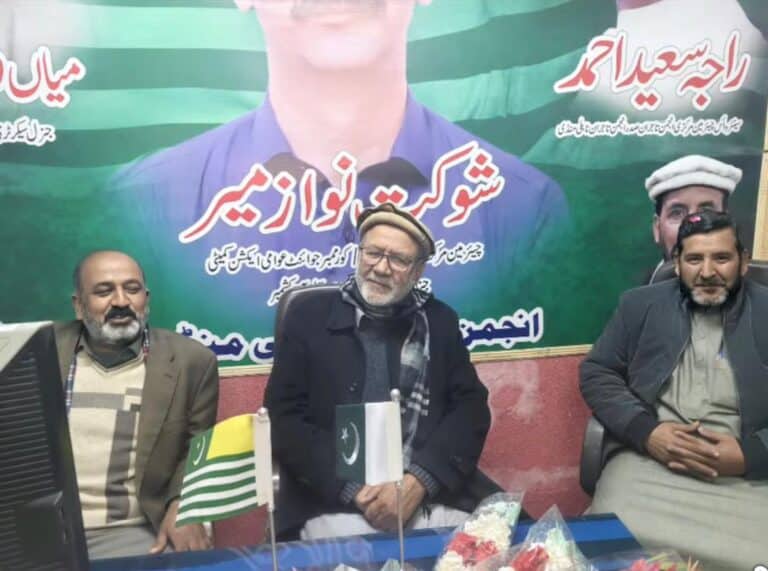
Thirteen hours of negotiations between the Jammu & Kashmir Joint Awami Action Committee (JKJAAC) and officials sent from Islamabad ended without agreement late Thursday night, keeping intact the JKJAAC’s call for a territory-wide lockdown on September 29.
Talks opened with long-standing demands that the Azad Jammu & Kashmir (AJK) authorities had previously accepted but failed to implement. JKJAAC leaders argued that without visible, time-bound action, verbal commitments were meaningless.
The discussions later turned to JKJAAC’s wider charter of demands, including reform of state institutions, fairer distribution of resources, and restrictions on elite privileges. But the talks collapsed over two unresolved issues: the 12 legislative seats reserved for Kashmiri refugees living in Pakistan, and what JKJAAC described as the “misuse of the state’s machinery against its own people.”

The Azadi Times
No state grants. No corporate lobby. Just ground‑truth reporting from Kashmir & beyond
You make this possible.
Following the collapse, JKJAAC leaders confirmed that the September 29 shutdown will go ahead, describing it as a peaceful civil response to years of unfulfilled promises.
Increased force deployment raises concerns
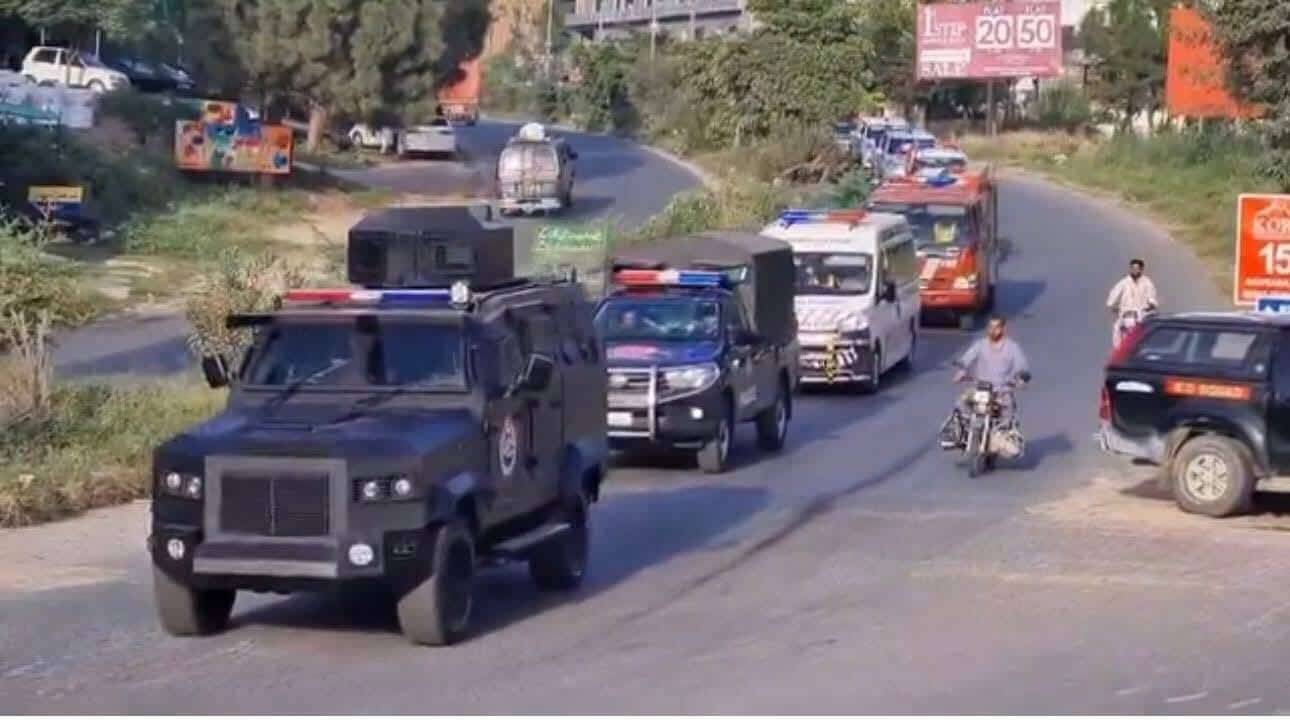
In response to the looming lockdown, Islamabad has ordered the deployment of nearly 2,000 police personnel into different districts of Pakistan-administered Kashmir. The forces — equipped with heavy weaponry and armoured vehicles were seen entering Muzaffarabad and surrounding areas, a move that JKJAAC condemned as “an attack on Kashmiri autonomy.”
“The arrival of non-local forces is an interference in the internal matters of Jammu & Kashmir,” the committee said in a statement, calling it a direct provocation at a time when dialogue should have been prioritised.
A looming standoff
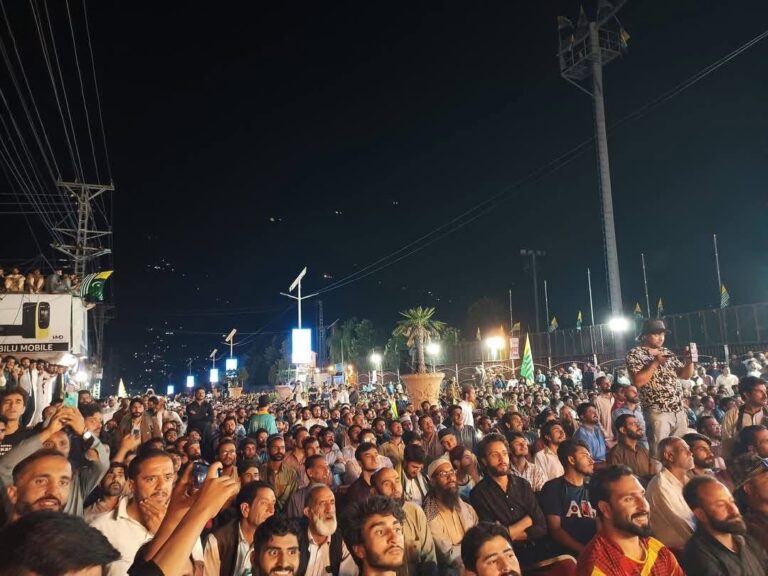
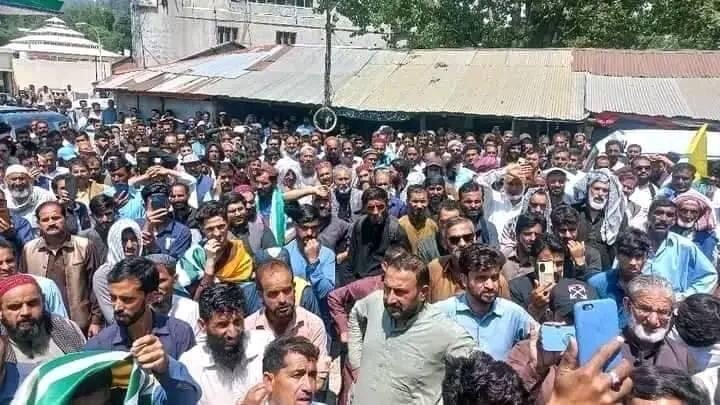
Civil society groups, traders and youth organisations have largely expressed support for JKJAAC’s call, raising the possibility of a complete shutdown across the territory. Analysts warn that the confrontation risks deepening political mistrust if authorities resort to force rather than addressing grievances.
With only days left before September 29, Kashmir faces a decisive moment: whether authorities will move towards meaningful concessions or escalate tensions by relying on outside deployments to contain popular dissent.