Choosing a name for your newborn is a significant decision for any parent, particularly in Islamic culture, where names hold great importance. A name is not just a label but a reflection of a child’s identity and values. If you are searching for a Muslim boy’s name with a deep meaning, this guide will help you discover some of the best and most unique names from the Quran and Islamic tradition.
This comprehensive guide will walk you through a list of Muslim boy names in Urdu, unique names, those with connections to Islam, and their meanings, helping you make an informed and meaningful choice for your child.
The Importance of Muslim Names
In Islam, a name carries great significance. It often reflects the qualities, values, or blessings that the parents hope to see in their child’s life. Many Muslim names are derived from the Quran, Hadith, or Arabic words that describe attributes such as kindness, strength, and wisdom. Some names are also chosen to honor great historical figures, while others may simply reflect the hope for a prosperous life.
Muslim Boy Name Meaning In Urdu
Urdu, being a language widely spoken among Muslims, holds a significant place when it comes to naming children. Many Muslim boy names are derived from the Arabic language but are written in the Urdu script. Below is a selection of beautiful Muslim boy names in Urdu, along with their meanings.
Popular Muslim Boy Names in Urdu:
- Ahmed (احمد)
- Meaning: “Highly praised” or “one who constantly thanks God.”
Origin: Arabic
A timeless name, Ahmed is closely associated with the Prophet Muhammad (PBUH), who is sometimes referred to by this name. It’s a popular choice among Muslim families worldwide. - Ali (علی)
- Meaning: “Exalted” or “noble.”
Origin: Arabic
Ali is a name of great significance, as it was the name of the fourth caliph and a cousin of the Prophet Muhammad. It is widely used and revered in Islamic culture. - Omar (عمر)
- Meaning: “Life” or “long-lived”
Origin: Arabic
Omar is a strong, traditional name that reflects vitality and longevity. It is also associated with the second caliph of Islam, Umar ibn al-Khattab. - Yusuf (یوسف)
- Meaning: “God increases” or “God will add.”
Origin: Arabic
Yusuf, the Arabic form of Joseph, is a name found in the Quran and has deep religious significance. It signifies beauty, strength, and patience. - Ibrahim (ابراھیم)
- Meaning: “Father of many nations.”
Origin: Arabic
Ibrahim, the Arabic form of Abraham, is a powerful name symbolizing faith and obedience. It is also one of the most respected names in Islam, associated with the great Prophet Ibrahim (Abraham).
List of popular Muslim boys’ names in Urdu
| Name | Meaning (English) | Meaning (Urdu) |
|---|
| Ali | Exalted, Noble | بلند مرتبہ، عظیم |
| Hasan | Beautiful, Doer of Good | خوبصورت، نیکی کرنے والا |
| Hussain | Handsome, Leader of the Youth of Paradise | خوبصورت، جنتی نوجوانوں کے سردار |
| Abbas | Brave, Lion-hearted | بہادر، شیر دل |
| Jafar | River, Flowing Water | ندی، بہتا پانی |
| Raza | Satisfaction, Pleasure of Allah | خوشنودی، اللہ کی رضا |
| Kazim | One who Controls Anger | غصے کو قابو رکھنے والا |
| Zain-ul-Abidin | Beauty of the Worshippers | عبادت گزاروں کی زینت |
| Taqi | Pious, Righteous | پرہیزگار، نیک |
| Mehdi | The Guided One | ہدایت دینے والا |
| Haider | Lion, Brave | شیر، بہادر |
| Murtaza | Chosen, Approved | پسندیدہ، منتخب شدہ |
| Baqir | Knowledgeable, One who Splits Knowledge | علم کا دروازہ، عالم |
| Sadiq | Truthful, Honest | سچا، ایماندار |
| Naqi | Pure, Virtuous | پاک، طاہر |
| Tayyib | Good, Pure | پاکیزہ، اچھا |
| Shabih | Resembling, Handsome | مشابہ، حسین و جمیل |
| Fida | Devoted, Self-sacrificing | قربان ہونے والا، ایثار کرنے والا |
These names not only carry religious significance but also have profound meanings, making them ideal choices for parents who want to bestow spiritual significance upon their sons.
Unique Muslim Boy Names
For those looking for something distinct yet deeply rooted in Islamic traditions, here is a list of unique and rare Muslim boy’s names that are both meaningful and beautiful:
- Azlan – Brave Lion (بہادر شیر)
- Rayyan – Gate of Heaven, Luxuriant (جنت کا دروازہ، سرسبز)
- Zavian – Bright, Radiant (روشن، چمکدار)
- Izaan – Obedience, Acceptance (فرمانبرداری، قبولیت)
- Nayel – Achiever, Winner (حاصل کرنے والا، کامیاب)
- Eshaal – Enlightenment, Kindling a Fire (روشنی، آگ جلانے والا)
These unique names are often chosen for their rarity, beauty, and spiritual depth, making them ideal for parents who wish to bestow something distinct and meaningful upon their sons.
Trending Muslim Boy Names with Meanings
| Name | Meaning (English) | Meaning (Urdu) |
|---|
| Ayaan | Gift of God, Blessing | اللہ کا تحفہ، نعمت |
| Rayyan | Gate of Heaven, Luxuriant | جنت کا دروازہ، سرسبز |
| Zayan | Beautiful, Bright | خوبصورت، چمکدار |
| Izaan | Obedience, Acceptance | فرمانبرداری، قبولیت |
| Azlan | Brave Lion | بہادر شیر |
| Eshaal | Enlightenment, Kindling a Fire | روشنی، آگ جلانے والا |
| Nayel | Achiever, Winner | حاصل کرنے والا، کامیاب |
| Daniyal | Intelligent, Wise | عقلمند، دانا |
| Taha | Name of a Surah in the Quran | قرآن کی ایک سورۃ کا نام |
| Mikail | Name of an Angel | ایک فرشتے کا نام |
Unique Muslim Boy Names With Meanings
If you’re looking for a unique name that isn’t overly common, these names are great choices. They are not only distinctive but also carry deep meanings.
- Rami (رامی)
- Meaning: “Archer” or “one who aims.”
Origin: Arabic
Rami is a unique name, symbolizing precision and focus. It evokes a sense of skill and purpose, ideal for a boy who will grow up to be determined and goal-oriented. - Zaheer (ظاہر)
- Meaning: “Helper” or “one who brings victory.”
Origin: Arabic
Zaheer is an uncommon name that conveys strength and victory. It’s a great choice for a boy you hope will be a beacon of success and support for others. - Jameel (جمیل)
- Meaning: “Beautiful” or “handsome.”
Origin: Arabic
Jameel is a soft, melodic name with a beautiful meaning. It’s ideal for parents who want to bless their child with a name that reflects inner and outer beauty. - Kamil (کامل)
- Meaning: “Perfect,” “complete,” or “flawless.”
Origin: Arabic
Kamil is a unique name symbolizing completeness. It is a name that reflects a sense of perfection, both physically and spiritually. - Zidan (زیدان)
- Meaning: “Growth,” “abundance,” or “to increase.”
Origin: Arabic
Zidan is a contemporary and distinctive name that connotes prosperity and growth. It’s perfect for parents hoping their child’s life will be full of blessings and success.
Muslim Boy Names Starting with “R” from the Quran
Choosing a name from the Quran is a beautiful way to bless your child with a meaningful identity rooted in faith. Here are some Muslim boy names starting with “R” that are mentioned in the Quran, along with their meanings:
| Name | Meaning (English) | Meaning (Urdu) | Quranic Reference |
|---|
| Rahman | Most Merciful (One of Allah’s names) | بےحد رحم کرنے والا (اللہ کے ناموں میں سے ایک) | Surah Al-Fatiha (1:3) |
| Rafi | Exalter, One who Elevates | بلند کرنے والا، عزت دینے والا | Surah Al-Waqia (56:3) |
| Raheem | Most Compassionate (One of Allah’s names) | نہایت مہربان (اللہ کے صفاتی ناموں میں سے ایک) | Surah Al-Baqarah (2:143) |
| Ridwan | Pleasure, Acceptance | رضا، خوشنودی | Surah Al-Tawbah (9:21) |
| Rashid | Rightly Guided, Wise | راستہ دکھانے والا، عقلمند | Surah Al-Kahf (18:66) |
| Raouf | Kind, Compassionate | شفقت کرنے والا، مہربان | Surah Al-Hadid (57:9) |
These names carry strong Islamic significance and are directly referenced in the Holy Quran, making them a great choice for Muslim boys.
Muslim Boy Names from the Quran
Many Muslim names have deep spiritual meanings and connections to the Quran. Here are some boy names derived from the Quran, along with their meanings.
- 11. Ibrahim (ابراھیم)
- As mentioned earlier, Ibrahim is one of the most revered names in Islam, named after the prophet and patriarch of many nations. It’s a popular Quranic name.
- 12. Yasin (یٰسین)
- Meaning: “The heart of the Quran.”
Origin: Arabic
Yasin is considered the “heart” of the Quran, and it is often associated with blessings and mercy. This name is revered for its spiritual depth. - 13. Taha (طٰہ)
- Meaning: “Pure” or “sinless.”
Origin: Arabic
Taha is a name that appears in the Quran and is often interpreted as a name denoting purity, strength, and innocence. - 14. Musa (موسی)
- Meaning: “Drawn out of the water” or “savior.”
Origin: Arabic
Musa, the Quranic form of Moses, is a name associated with great leadership, wisdom, and perseverance. - 15. Hassan (حسن)
- Meaning: “Handsome” or “good.”
Origin: Arabic
Hassan, the name of Prophet Muhammad’s grandson, signifies goodness and beauty. It is a beloved and spiritual name, often chosen by parents who want to instill virtues in their child.
List of Muslim Boy Names from the Quran
| Name | Meaning (English) | Meaning (Urdu) | Quranic Reference |
|---|
| Ayaan (أَيَّانَ) | Time, Era | وقت، زمانہ | Surah An-Nazi’at (79:42) |
| Rahman (الرَّحْمَٰنِ) | Most Merciful (One of Allah’s names) | بےحد رحم کرنے والا | Surah Al-Fatiha (1:3) |
| Raheem (الرَّحِيمِ) | Most Compassionate | نہایت مہربان | Surah Al-Baqarah (2:143) |
| Ridwan (رِضْوَٰنٌ) | Pleasure, Acceptance | رضا، خوشنودی | Surah Al-Tawbah (9:21) |
| Rashid (رَشِيدٌ) | Rightly Guided, Wise | راستہ دکھانے والا، عقلمند | Surah Al-Kahf (18:66) |
| Taha (طه) | Name of a Quranic Surah | قرآن کی ایک سورہ کا نام | Surah Taha (20:1) |
| Yasin (يس) | Name of a Quranic Surah | قرآن کی ایک سورہ کا نام | Surah Yasin (36:1) |
| Mikail (مِيكَائِيلَ) | Name of an Angel | ایک فرشتے کا نام | Surah Al-Baqarah (2:98) |
| Salih (صَالِحًا) | Righteous, Virtuous | نیک، صالح | Surah Hud (11:61) |
| Harun (هَٰرُونَ) | Name of Prophet Harun (Aaron) | حضرت ہارون علیہ السلام کا نام | Surah Maryam (19:53) |
These names have deep Quranic significance and can be a great choice for your baby boy.
Stylish & Modern Muslim Boy Names
Here are some stylish Muslim boy names with beautiful meanings:
List Stylish Muslim Boy Names
| Name | Meaning |
|---|
| Zayan | Bright, Beautiful |
| Rayyan | Gate of Heaven |
| Ayaan | God’s Gift, Destiny |
| Azlan | Brave Lion |
| Eshaal | Enlightenment, Kindness |
| Zavian | Radiant, Light |
| Sufyan | Fast-moving, Light |
| Mikael | Name of an Angel |
| Izaan | Obedience, Acceptance |
| Nayel | Achiever, Winner |
These names are modern, meaningful, and stylish while maintaining a strong Islamic identity.
Modern Muslim Boy Names
Choosing a modern yet meaningful Muslim boy’s name is important for parents who want a name that is both unique and rooted in Islamic heritage. Here are some trendy Muslim boy names with their meanings:
- Rayyan (ریان)
- Meaning: “Gates of Heaven” or “a name of a paradise gate.”
Origin: Arabic
Rayyan is a trendy yet meaningful name. It’s associated with the gates of Heaven in Islamic belief, making it a powerful choice for your son. - Zayd (زید)
- Meaning: “Growth” or “abundance.”
Origin: Arabic
Zayd is a popular modern name, often chosen for its short, sleek sound and its meaning of growth and prosperity. - Ayaan (عیان)
- Meaning: “Gift of God” or “blessing.”
Origin: Arabic
Ayaan is a modern name that has gained popularity due to its beautiful meaning and elegant sound. It’s a great choice for parents seeking something unique and divine. - Nashit (ناشِط)
- Meaning: “Energetic” or “lively.”
Origin: Arabic
Nashit is a fresh, modern name that signifies energy, vitality, and enthusiasm. - Zuhair (زهیر)
- Meaning: “Bright,” “radiant.”
Origin: Arabic
Zuhair is a modern and sophisticated name, often chosen for its association with light and brightness.
List of Modern Muslim Boys’ Names
| Name | Meaning (English) | Meaning (Urdu) |
|---|
| Aariz | Respectable, Intelligent | عزت دار، ذہین |
| Azlan | Brave Lion | بہادر شیر |
| Eshaal | Enlightenment, Kindling a Fire | روشنی، آگ جلانے والا |
| Rayyan | Gate of Heaven, Luxuriant | جنت کا دروازہ، سرسبز |
| Zayan | Beautiful, Bright | خوبصورت، چمکدار |
| Izaan | Obedience, Acceptance | فرمانبرداری، قبولیت |
| Nayel | Achiever, Winner | حاصل کرنے والا، کامیاب |
| Rafay | Exalted, High-ranking | بلند مرتبہ، اعلیٰ مقام والا |
| Zavian | Bright, Radiant | روشن، چمکدار |
| Daniyal | Intelligent, Wise | عقلمند، دانا |
These names combine modern appeal with Islamic values and are perfect for parents looking for a name that is both meaningful and trendy.
Muslim Boy Names Starting with ‘R’ and ‘M’
Muslim Boy Names with ‘R’
- Razaq (رزاق) – “Provider”
- Rashid (رشید) – “Rightly guided”
- Riyad (رياض) – “Gardens” or “meadows”
Muslim Boy Names with ‘M’
- Mahdi (مہدی) – “Guided one”
- Muneeb (منیب) – “Repentant”
- Musaab (مُصعب) – “A companion of the Prophet”
Muslim Boy Names Starting with “S”
Here is a list of Muslim boy names starting with “S”, along with their meanings:
List of Muslim Boys’ Names With S
| Name | Meaning (English) | Meaning (Urdu) |
|---|
| Saad (سعد) | Blessed, Happiness | برکت والا، خوشی |
| Salman (سلمان) | Safe, Healthy, Name of a Sahabi | محفوظ، صحابی کا نام |
| Sami (سامی) | Elevated, High, Lofty | بلند، عالی مقام |
| Shayan (شایان) | Worthy, Deserving | لائق، قابل |
| Shahzaib (شاہزیب) | Crown of a King | بادشاہ کا تاج |
| Sufyan (سفیان) | Fast-moving, Light | تیز رفتار، روشنی |
| Sarfaraz (سرفراز) | Honored, Dignified | معزز، سربلند |
| Suhail (سهیل) | Gentle, Easy-going | نرم مزاج، ملنسار |
| Saif (سیف) | Sword, Brave | تلوار، بہادر |
| Sibtain (سبطین) | Grandsons of Prophet Muhammad (Referring to Hasan & Husain) | نواسے رسول، حسن و حسین کی نسبت سے |
These names are meaningful, modern, and Islamic, making them a great choice for baby boys.
Best Muslim Boy Names for 2025
Here is a list of the best and most trending Muslim boy names for 2025, along with their meanings:
Best Muslim Boy Names for 2025
| Name | Meaning (English) | Meaning (Urdu) |
|---|
| Aariz | Respectable, Intelligent | عزت دار، ذہین |
| Azlan | Brave Lion | بہادر شیر |
| Eshaal | Enlightenment, Kindling a Fire | روشنی، آگ جلانے والا |
| Rayyan | Gate of Heaven, Luxuriant | جنت کا دروازہ، سرسبز |
| Zayan | Beautiful, Bright | خوبصورت، چمکدار |
| Izaan | Obedience, Acceptance | فرمانبرداری، قبولیت |
| Nayel | Achiever, Winner | حاصل کرنے والا، کامیاب |
| Rafay | Exalted, High-ranking | بلند مرتبہ، اعلیٰ مقام والا |
| Zavian | Bright, Radiant | روشن، چمکدار |
| Daniyal | Intelligent, Wise | عقلمند، دانا |
| Shayan | Worthy, Deserving | لائق، قابل |
| Saifan | Sword of Allah | اللہ کی تلوار |
| Mikael | Name of an Angel | ایک فرشتے کا نام |
| Sufyan | Fast-moving, Light | تیز رفتار، روشنی |
| Taha | Name of a Quranic Surah | قرآن کی ایک سورہ کا نام |
These names are modern, meaningful, and Islamic, making them perfect choices for newborn boys in 2025.
The Art of Choosing the Right Shia Girls’ Name
When selecting a Muslim boy’s name, it is essential to consider several factors:
- Meaning: Choose a name that holds personal or spiritual significance for your family. Whether it is a name that embodies strength, beauty, or piety, it should reflect values that are important to you.
- Cultural and Historical Significance: Many Muslim parents opt for names that reflect their rich Islamic heritage, with names tied to revered figures in Islam.
- Sound and Pronunciation: Consider how the name sounds when spoken in both Arabic and Urdu. Names should flow smoothly and be easy to pronounce in your local language.
- Uniqueness: If you prefer a unique name for your daughter, ensure it is not overly common but still carries deep meaning and respect.
Choosing the right name for your child is a beautiful and meaningful decision. Muslim boy names come in a vast range of styles and meanings, from Quranic names that connect to Islamic tradition to modern names that offer a fresh twist. May this guide help you in selecting a name that reflects both your faith and love for your precious child.
FAQs: Muslim Boy Names
Here are some frequently asked questions about Muslim boy names, including unique, Quranic, Arabic, and trending names.
Which Muslim boy’s name is best?
There are many beautiful Muslim boy names, but some of the best include Muhammad, Ali, Omar, Rayyan, Ayaan, and Zayan due to their deep Islamic significance.
Which is the best Muslim boy name from A to Z?
Here is a best name from A to Z for Muslim boys:
Aariz (Intelligent), Bilal (Companion of Prophet ﷺ), Cyrus (Strong), Daniyal (Wise), Eshaal (Enlightenment), Faris (Knight), Ghazi (Warrior), Hasan (Handsome), Ibrahim (Prophet’s Name), Jibran (Gift), Kareem (Generous), Luqman (Wise), Muhammad (Praised), Noman (Blessings), Omar (Flourishing), Parvez (Victorious), Qasim (Generous), Rayyan (Gate of Heaven), Saad (Blessed), Taha (Quranic Name), Uzair (Prophet’s Name), Viqar (Honor), Waleed (Newborn), Xavian (Radiant), Yaseen (Quranic Name), Zayan (Beautiful).
What is the best name for a Muslim boy?
The best names for Muslim boys are those that have Islamic and positive meanings, such as Muhammad, Ali, Hasan, Zayd, Rayyan, and Hamza.
What is a unique Arabic Muslim boy name?
Some unique Arabic Muslim boy names include Azlan (Lion), Zavian (Bright), Sufyan (Fast-moving), Mikael (Angel’s Name), and Nayel (Achiever).
Which name is best for a Muslim boy starting with A?
Some great Muslim boy names starting with A include Ayaan (God’s Gift), Aariz (Respectable, Intelligent), and Araf (Wisdom, Knowledge).
What Muslim boy name starts with “S”?
Some beautiful Muslim boy names starting with S include Saad (Happiness), Salman (Safe, Healthy), Shayan (Worthy, Deserving), and Sufyan (Fast-moving, Light).
What is the most popular Muslim boy’s name in the world?
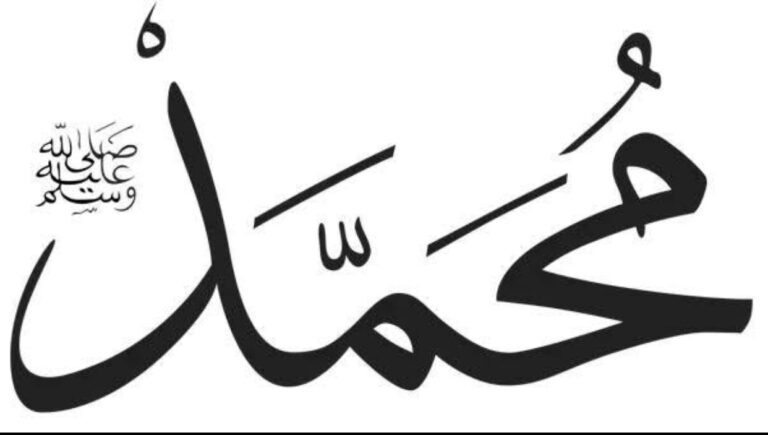
The most popular Muslim boys name in the world is Muhammad (محمد), as it is the name of Prophet Muhammad and is widely used by Muslims globally.
What is a Muslim king boy name?
Some Islamic names associated with kings and leaders are Sultan (King), Malik (King, Master), Shah (Ruler), and Khalid (Eternal, Leader of Armies).
What is the best Quranic Muslim boy name?
Some of the best Quranic names for boys include Taha, Yasin, Ibrahim, Yusuf, Musa, and Isa, as they are names of Prophets and Surahs.
What is a cool name for a Muslim boy?
Some modern and cool Muslim boy names include Zayan, Eshaal, Mikael, Rayyan, and Ayaan.
What are the new trending Muslim boy names?
The latest trending Muslim boy names for 2025 are:
- Azlan – Brave Lion
- Rayyan – Gate of Heaven
- Izaan – Obedience
- Zavian – Radiant, Bright
- Nayel – Achiever