Advocate Nabila Irshad was reportedly taken from her Islamabad residence, while police raided the Rawalpindi home of vlogger and activist Azra Alam, according to family and local reports. Jammu and Kashmir Democratic Party Chairperson and lawyer Nabila Irshad was reportedly detained by police from her residence in Islamabad late last night, while security personnel also […]
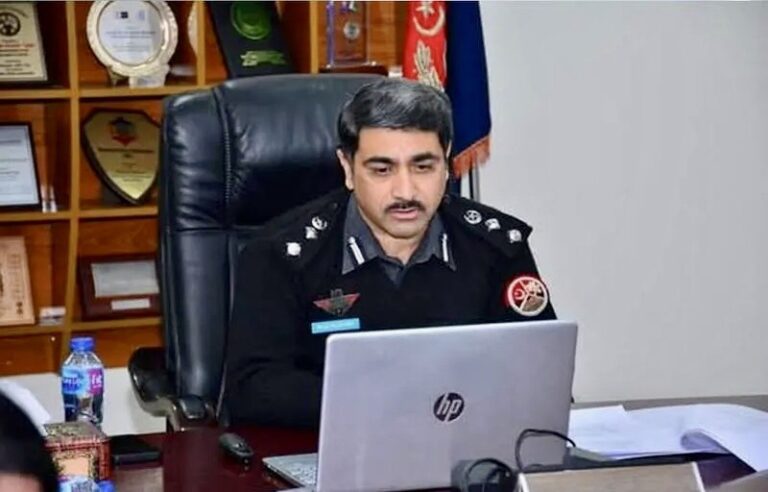
Muzaffarabad, Pakistan administrated Jammu and Kashmir: In a sweeping administrative overhaul, Senior Superintendent of Police (SSP) Muzaffarabad the capital of Pakistan administrated Kashmir Riaz Haider Bukhari has ordered the transfers of 12 senior police officers, including Station House Officers (SHOs), signaling a major shake-up within the region’s law enforcement hierarchy. The move, announced on Friday, has sparked discussions about potential restructuring aimed at improving operational efficiency.
Key Transfers and Postings
According to official notifications issued by the SSP’s office, prominent officers affected by the reshuffle include:
Raja Suhail Khan, SHO City Police Station, transferred and replaced by Inspector Ansar Sajjad, who was previously posted at Garhi Dupatta Police Station.
Raja Zahid Omar, SHO Civil Secretariat Police Station, reassigned as SHO Garhi Dupatta.
Liaquat Hameed, Sub-Inspector (SI) SHO Gohri Police Station, moved to Garhi Dupatta as Additional SHO.
Mohsin Ali Awan, SI SHO Chhattar Class Police Station, posted as SHO Khori Police Station.
Adeel Akhtar, SI City Police Station, reassigned as SHO Chhattar.
Other notable changes include the transfer of Shaukat Jameel from Muzaffarabad Police Lines to Chhattar Class Police Station and the reassignment of Shafqat Hussain Naqvi, ASI Chowki Officer Abrar Kot, to Phatak Nasirabad.
Restructuring Across Stations
The reshuffle spans multiple police stations and units, with officers rotated across key posts in Muzaffarabad’s City, Civil Secretariat, Jalalabad, and suburban areas. For instance:
Shahid-ur-Rehman, SI In-Charge Bat Jalalabad, shifted to Civil Secretariat.
Raja Basharat Hussain, SI Civil Secretariat, moved to Bat Jalalabad.
Ali Asghar, SI Muzaffarabad Police, posted at City Police Station.
Authorities confirmed that a second phase of transfers targeting Assistant Sub-Inspectors (ASIs) is under preparation, though no timeline has been disclosed.
Context and Reactions
While the SSP’s office has not publicly clarified the reasons behind the abrupt reshuffle, sources within the department suggest it aligns with broader efforts to address administrative challenges, optimize resource allocation, or respond to performance reviews. Such large-scale transfers are uncommon in AJK’s police framework and have drawn mixed reactions.
Critics argue that frequent postings disrupt institutional continuity, while supporters claim fresh appointments can reinvigorate accountability. “Rotation of officers can prevent complacency, but stability is equally vital for community policing,” remarked a retired AJK police official, speaking anonymously.
The reshuffle comes amid heightened public scrutiny of law enforcement in AJK, where security dynamics remain complex due to the region’s geopolitical sensitivities. Observers note that SSP Bukhari, known for his proactive stance, may be positioning the force to tackle emerging challenges, from urban crime to cross-border security concerns.
Mirpur, Pakistan administrated Jammu and Kashmir: In a landmark move toward environmental sustainability, Azad Kashmir’s bustling city of Mirpur has launched its first electric cart service, marking the region’s inaugural step into eco-friendly public transportation. The stop-to-stop service, designed to curb carbon emissions and reduce reliance on fossil fuels, promises affordability and convenience for residents amid rising global fuel prices and climate concerns.
A Climate-Conscious Initiative
The electric carts, equipped with solar panels and battery-powered engines, began operating on Monday, offering fixed-route connectivity across key areas of Mirpur. Priced at just PKR 30 for shorter routes (e.g., Kaliyar to Chowk Shaheedan) and PKR 60 for longer stretches (e.g., Kaliyar to Thoothal), the service is significantly cheaper than traditional public transport. Each cart can travel 100–130 kilometers on a single charge, with solar panels providing supplementary power during sunny weather. During overcast conditions, the vehicles automatically switch to battery reserves, ensuring uninterrupted service.
Public Reaction: “A Lifeline for Workers and Commuters”
Residents praised the initiative as both economical and environmentally transformative. “This feels almost free compared to other options. For daily wage workers like us, PKR 30 is a huge relief,” said Mohammad Arif, a laborer who commutes daily between Kaliyar and Chowk Shaheedan. Other commuters highlighted the dual benefits of reduced travel costs and cleaner air. “It’s not just affordable—it’s a breath of fresh air for our city,” remarked college student Ayesha Khan.
Local authorities emphasized the project’s alignment with global climate goals. “Transitioning to electric mobility is critical for regions like ours, which face acute air quality challenges,” said environmental officer Farhan Ahmed. “Solar integration makes this a model for rural and urban areas alike.”
Broader Implications for South Asia
The launch comes as South Asia grapples with climate vulnerabilities, from melting glaciers to extreme weather. Initiatives like Mirpur’s electric carts are seen as vital to achieving this target, particularly in regions where fossil fuel-dependent vehicles dominate.
While electric vehicle (EV) adoption remains slow across Pakistan due to high costs and infrastructure gaps, Mirpur’s project—a collaboration between local entrepreneurs and the AJK Transport Department—offers a scalable blueprint. “If successful, this could inspire similar services in Muzaffarabad, Kotli, and beyond,” said Transport Minister.
Challenges and Future Prospects
Despite enthusiasm, challenges persist. Limited charging stations and reliance on solar energy during monsoon seasons may test the service’s reliability. However, innovators are optimistic. Engineer Saad Malik, part of the cart’s design team, noted, “We’re exploring partnerships to expand charging infrastructure and battery-swapping stations.”
Citizens have urged the government to replicate the model. “Why stop here? Every city needs this,” said shopkeeper Rahimullah Khan, echoing a widely held sentiment.
A Step Toward Greener Horizons
Mirpur’s electric carts symbolize more than just a transportation upgrade—they represent a growing public demand for climate resilience in marginalized regions. As global leaders push for greener economies, Azad Kashmir’s small but significant leap highlights the power of localized solutions in the fight against climate change.
The Azadi Times is an independent news platform covering socio-economic, political, and environmental developments in Kashmir and world.
Muzaffarabad, Pakistan administrated Kashmir: Tania Khan, a prominent leader of the United Kashmir People’s National Party (UKPNP), narrowly escaped harm after unidentified assailants opened fire on her parked vehicle in Rawalpindi on Monday. The attack, captured on CCTV footage, occurred near her residence in the New Town area while she was briefly inside a local bakery in Rawalpindi, Pakistan.
Key Details of the Incident
According to Khan’s police complaint, the attackers targeted her car in a parking area, shattering the front windshield with gunfire. She emphasized that she had exited the vehicle moments before the shooting, averting potential injury. CCTV footage reviewed by authorities confirmed the attack, though the perpetrators remain at large.
Khan, a vocal advocate for Kashmiri rights, revealed this was not the first time she had been targeted. In her statement, she cited two prior incidents where her car tires were slashed under suspicious circumstances. “This is a clear attempt to intimidate me and silence my work,” she said, urging Pakistani authorities to guarantee her safety and investigate the attacks.
Political and Human Rights Reactions
The Human Rights Council of Azad Jammu and Kashmir (AJK) condemned the attack, calling it a “brazen act of violence” against a political activist. The group demanded immediate action from Punjab’s provincial government and federal law enforcement agencies to apprehend the culprits and ensure Khan’s protection.
“Such attacks undermine democratic freedoms and the right to dissent,” the council stated, stressing the need for Pakistan to safeguard political and social activists, particularly those from marginalized communities like Kashmiris.
Broader Context
The UKPNP, a political party advocating for the rights of Kashmiris across divided territories, has frequently highlighted threats against its members. Pakistan-administered Kashmir remains a sensitive region, with activists often caught in the crossfire of geopolitical tensions between Pakistan and India.
This incident has reignited concerns about the safety of political dissidents and minority voices in Pakistan, where violence against activists and journalists has drawn international criticism. Human rights organizations have repeatedly urged the government to address impunity for such attacks.
Calls for Accountability
Tania Khan’s case underscores broader challenges faced by Kashmiri leaders operating in Pakistan. While no group has claimed responsibility for the shooting, critics allege a pattern of harassment against those advocating for Kashmiri self-determination or criticizing state policies.
Authorities in Rawalpindi have launched an investigation, but activists demand transparency and swift justice. “If the government fails to act, it sends a dangerous message that violence against dissenters is tolerated,” said a spokesperson for the UKPNP.
International Implications
The attack is likely to draw attention from global human rights watchdogs, particularly amid ongoing scrutiny of Pakistan’s treatment of political minorities. For Kashmir-focused groups, the incident highlights the precarious position of leaders navigating complex geopolitical narratives while advocating for their communities.
The Azadi Times is an independent news platform covering socio-political developments in Kashmir and related regional issues.
SRINAGAR: Muslim communities across Jammu and Kashmir, Ladakh, Gilgit-Baltistan, and parts of Pakistan commemorated the birth anniversary of Imam Hasan ibn Ali (AS), the eldest son of Hazrat Ali (AS) and grandson of Prophet Muhammad (PBUH). This year’s observance saw heightened enthusiasm, with devotees organizing religious gatherings, cultural events, and a flood of social media tributes transcending geopolitical divides.
Imam Hasan (AS), revered for his wisdom and role in Islamic history, holds a special place in Shia tradition. His birth anniversary, marked annually according to the Islamic lunar calendar, brought together followers in Indian-administered Jammu and Kashmir, Ladakh, Pakistani-administered Kashmir, and Gilgit-Baltistan. Despite the region’s political complexities, the day underscored a collective cultural and spiritual identity among Shia communities.
In Gilgit and Srinagar, processions illuminated with green flags and banners quoting Imam Hasan’s teachings wound through streets, while mosques and Imambargahs hosted majlis (religious assemblies) emphasizing peace and justice. Similar scenes unfolded in Kargil and Muzaffarabad, where scholars highlighted Imam Hasan’s legacy of reconciliation.
Social Media
This year, digital engagement added a new dimension to the celebrations. Hashtags like #ImamHasan and #KashmirUnity trended on Twitter, Facebook, and Instagram, with users sharing artwork, historical excerpts, and videos of devotional hymns (nohas). A post by Gilgit-based activist Fatima Zaidi, showcasing intergenerational participation in a local procession, went viral, amassing thousands of likes.
“Social media lets us connect with fellow believers across borders. Today, we’re not divided by boundaries but united by Imam Hasan’s message,” said Arif Hussain, a Srinagar-based student who shared a photo essay on Imam Hasan’s life.
Voices from the Community
Religious leaders emphasized the day’s contemporary relevance. Maulana Syed Ahmed Alvi of Jammu noted, “Imam Hasan’s teachings on patience and dialogue are a beacon for today’s turbulent world.” In Gilgit, scholar Dr. Sabiha Katoch added, “This anniversary reminds us that our faith transcends politics.”
Historical Context and Modern Resonance
Imam Hasan (AS), born in 625 CE, is celebrated for his commitment to preventing bloodshed during early Islamic conflicts. His emphasis on peace resonates deeply in Kashmir, where communities have endured decades of strife. This year’s events also included interfaith dialogues in Ladakh, promoting harmony between Shia Muslims and Buddhist residents.
Faith Beyond Frontiers
As night fell, illuminated shrines and candlelit vigils marked the anniversary’s close. For the Shia communities of Kashmir and beyond, the day was not just a religious observance but a testament to enduring unity in a fractured region. “Our love for the Ahl al-Bayt [Prophet’s family] binds us together, no matter where we live,” said Lahore-based poet Zehra Naqvi, capturing the spirit of a celebration that bridged borders, both physical and digital.
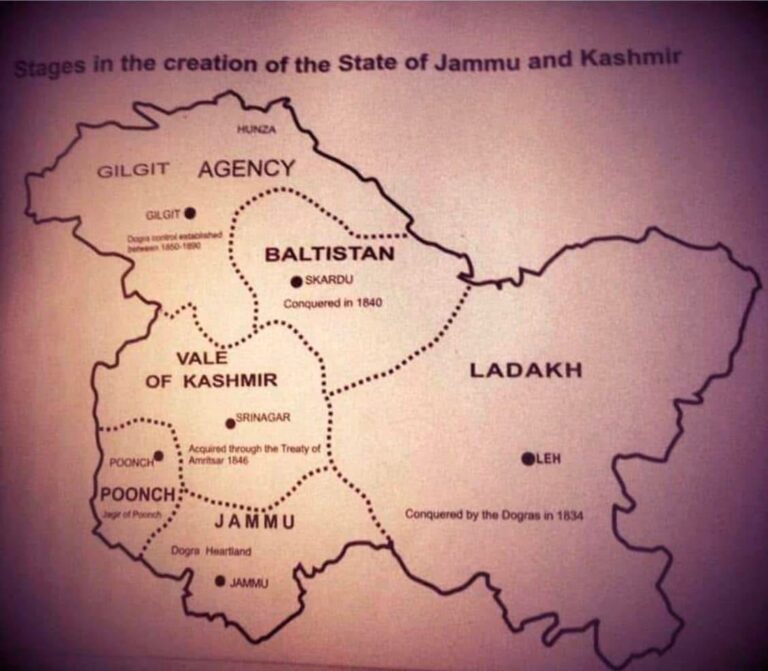
March 16, 2024: Today marks the commemoration of Jammu Kashmir Foundation Day, recalling the historic establishment of the princely state of Jammu and Kashmir on March 16, 1846. The day holds profound significance for residents of the region, as well as the global Kashmiri diaspora, who reflect on its complex history, cultural heritage, and ongoing political discourse.
Historical Context
On this day in 1846, the Treaty of Amritsar was signed between the British East India Company and Maharaja Gulab Singh of Jammu, formalizing the transfer of Kashmir Valley and surrounding territories to the Dogra dynasty for 7.5 million Nanakshahee rupees. This treaty laid the foundation for the princely state of Jammu and Kashmir, a geopolitical entity that would shape the region’s identity for centuries. While some view the day as a marker of administrative unity, others associate it with the colonial-era power dynamics that continue to influence Kashmir’s contested status.
Celebrations and Contested Narratives
Across Jammu and Kashmir, residents marked the day with mixed emotions. Many took to social media platforms like Facebook and Twitter to share nostalgic posts, historical photos, and messages celebrating the region’s cultural legacy. Local events, including seminars, cultural exhibitions, and traditional music performances, highlighted Kashmir’s rich heritage.
However, the occasion also reignited debates about identity and self-determination, with some groups framing it as a reminder of historical grievances and unresolved political aspirations.
In Srinagar and Jammu, government-led functions emphasized the region’s integration with India, while civil society organizations hosted discussions on Kashmir’s historical autonomy. Meanwhile, the Kashmiri diaspora in countries like the UK, US, and Canada organized virtual gatherings, underscoring the global connection to this pivotal date.
Voices from the Ground
“Today is a day to remember our shared history, but also to reflect on the struggles that persist. For some, it’s a celebration; for others, a call to reclaim agency,” said Ayesha Khan, a Srinagar-based academic. On social media, user @Arifurfi shared archival images of 19th-century Kashmir with the caption: “1846 – A turning point that still defines us.”
Political Dimensions
The commemoration comes amid heightened sensitivities following the Indian government’s 2019 decision to revoke Jammu and Kashmir’s special constitutional status and bifurcate the state into two union territories.
Proponents of the move argue it integrates the region more closely with India, while critics label it an erosion of Kashmiri identity. International observers, including human rights groups, continue to monitor developments in the region, urging dialogue to address longstanding disputes.
Global Kashmiri Response
For the international Kashmiri community, Foundation Day serves as a moment to reaffirm cultural pride and advocate for peaceful resolutions. “Our history is not just about borders—it’s about people, art, and resilience,” remarked London-based activist Zubair Mir.
As Jammu and Kashmir observes Foundation Day, the occasion underscores the interplay of history, identity, and politics. While celebrations highlight unity and cultural vibrancy, they also reveal the layered narratives of a region seeking to reconcile its past with aspirations for the future. For now, the day remains a poignant reminder of Kashmir’s enduring quest for peace, dignity, and self-expression.
Mirpur, Azad Kashmir: Azad Kashmir police brutally assaulted dozens of young civilians, including protesters, traders, and journalists, during a protest against rising tailoring costs in Mirpur. The incident, which took place at Chowk Shaheedan, the central place of the Mirpur city has sparked widespread outrage and calls for accountability.
The protest, organized by local tailors demanding fair pricing for sewing services, turned chaotic when police resorted to baton charges, kicks, and punches to disperse the crowd. Eyewitnesses reported that the police showed no restraint, targeting even elderly citizens and unarmed protesters. A video circulating on social media shows a defenseless protester being violently beaten by police officers instead of being lawfully arrested.
The violence did not spare traders’ representatives and journalists covering the event, raising concerns about press freedom and the safety of civilians in the region. The incident has drawn sharp criticism from human rights activists and local leaders, who have condemned the administration’s heavy-handed approach.
In response to the crackdown, the Awami Action Committee Mirpur has issued a stern ultimatum to the local administration. The committee has demanded the immediate release of all detained protesters and the filing of First Information Reports (FIRs) against the officers responsible for the violence. They have set a 4 PM deadline, warning that if their demands are not met, a massive protest will be held at Chowk Shaheedan.
The situation in Mirpur remains tense as residents await the administration’s response. The use of excessive force against peaceful protesters has reignited debates about governance and human rights in Azad Kashmir, with many calling for an independent investigation into the incident.
Kotli, a prominent city in Azad Jammu and Kashmir (Pakistan-administered Kashmir), holds historical significance and a strategic location. Whether you’re a resident, traveler, or businessperson, knowing the postal code of Kotli Azad Kashmir is crucial for seamless mail, package deliveries, and official correspondence. The postal system ensures efficient communication and trade, making accurate postal codes essential for businesses and individuals.
What is a Postal Code?
A postal code, also known as a ZIP code in some countries, is a numerical code assigned to specific geographic regions to streamline the process of mail distribution. In Pakistan and Azad Kashmir, postal codes ensure the accurate and timely delivery of letters, parcels, and other correspondence.
Kotli Azad Kashmir Postal Code
The postal code (ZIP code) of Kotli, Azad Jammu and Kashmir, is 11100. This code helps postal services and courier companies ensure precise and prompt mail distribution.
Postal Codes of Kotli District Areas
Below is a table detailing the postal codes of various areas within the Kotli district:
Area Name
Postal Code
Kotli City
11100
Sehnsa
11200
Nakyal
11300
Khuiratta
11400
Charhoi
11500
Importance of Knowing the Postal Code
Efficient Mail Delivery – Ensures that your letters and parcels reach the correct destination without delays.
Online Shopping & Courier Services – Most e-commerce platforms and courier companies require a postal code for accurate delivery.
Official Documentation – Government offices, banks, and other institutions often require a postal code for address verification.
Emergency Services – Helps in locating areas quickly in case of emergencies.
How to Use the Postal Code Correctly?
When writing an address, always include the correct postal code at the end.
Ensure the postal code matches the specific location you are sending mail to.
Verify postal codes using official sources such as Pakistan Post.
Understanding the postal code of Kotli Azad Kashmir is crucial for smooth communication and logistical operations. Whether you are a resident or a visitor, using the correct postal code ensures efficient mail delivery and transaction processing. For more information, you can check with local post offices or visit official postal websites.
For the latest updates on postal codes and services in Azad Kashmir, stay connected with The Azadi Times.
Keran, located in the Azad Jammu Kashmir region of Kashmir, is one of the hidden gems that is fast gaining attention from both local and international travelers. This small but beautiful town, nestled in the Neelum Valley, is renowned for its serene environment, breathtaking landscapes, and welcoming hospitality. When planning a trip to this scenic paradise, choosing the best Keran Azad Kashmir hotels is essential to ensuring an unforgettable experience.
In this guide, we’ll take you through the top hotels in Keran Valley, Azad Kashmir, where you can experience unmatched comfort, local culture, and natural beauty. Let’s dive in and explore the best places to stay in this charming town.
Overview of Keran, Azad Kashmir
Keran is a serene town located in the heart of the Neelum Valley, just a short drive away from Muzaffarabad, the capital of Azad Kashmir. Known for its lush green valleys, crystal-clear rivers, and towering mountains, Keran offers a peaceful retreat from the bustling city life. It’s an ideal destination for nature lovers, adventure seekers, and anyone looking to enjoy the rich cultural heritage of the Kashmir.
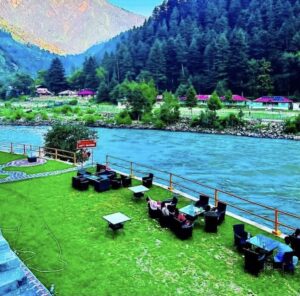
A beautiful hotel near the bank of Neelum River in Keran, Azad Kashmir, with stunning views and a serene atmosphere.
The town is situated on the banks of the Neelum River, providing mesmerizing views of the surrounding mountains and forests. The region’s moderate climate makes it an attractive year-round destination, although the best time to visit is during the spring and summer months when the valleys are in full bloom.
Keran has recently gained popularity among domestic and international tourists, thanks to its natural beauty, serene environment, and the growing number of quality accommodations. The town now boasts a variety of hotels and resorts that cater to different tastes and budgets.
Best Hotels in Keran Azad Kashmir for Your Stay
When visiting Keran, choosing the right hotel is key to maximizing your experience. From luxurious resorts to cozy guesthouses, there are a variety of options that offer comfort, stunning views, and access to the area’s top attractions. Here are some of the best hotels in Keran:
1. Keran Resorts: A Luxury Experience in the Heart of Nature
Keran Resorts stands out as one of the finest luxury accommodations in the area. Located in a prime spot along the Neelum River, this resort offers an unparalleled view of the valley, making it a perfect choice for nature lovers and those seeking a peaceful retreat.
Highlights:
Spacious and elegantly designed rooms with modern amenities.
Access to guided treks, nature walks, and fishing spots.
High-end dining experiences with local and international cuisine.
Spa and wellness services to unwind after a day of exploration.
Personalized services, including room service and private tours.
Price Range: On the higher end, Keran Resorts is ideal for travelers seeking luxury and comfort in a beautiful setting.
Customer Reviews: Visitors often rave about the breathtaking views, excellent hospitality, and the overall peaceful ambiance. The resort is highly recommended for those looking to escape the stresses of everyday life.
2. Neelum View Hotel: Scenic Views and Cozy Comfort
For a more mid-range option, the Neelum View Hotel offers a charming stay with stunning panoramic views of the Neelum Valley. This hotel is a favorite among families and couples who want to enjoy the beauty of Keran while staying in a comfortable setting.
Highlights:
Large rooms with balcony views of the valley and Neelum River.
Family-friendly facilities, including spacious rooms and kid-friendly meals.
Easy access to popular trekking routes and nearby tourist attractions.
Affordable pricing without compromising comfort.
Price Range: Mid-range. Ideal for those looking for value without sacrificing quality.
Customer Reviews: Guests love the cozy ambiance, friendly staff, and proximity to natural attractions. It’s an excellent choice for travelers looking to stay close to Keran’s scenic spots.
3. Riverside Guest House: Budget-Friendly with a Local Touch
If you’re traveling on a budget, the Riverside Guest House is an excellent option. Located near the river, this guesthouse offers affordable rates while providing a taste of local Kashmiri hospitality. It’s perfect for those who want a no-frills stay without breaking the bank.
Highlights:
Simple, clean rooms with essential amenities.
Walking distance to popular spots along the river.
Homemade Kashmiri meals served with local flavors.
Friendly and welcoming staff who offer insights into the local culture.
Price Range: Budget-friendly. Great for backpackers, solo travelers, or those on a tight budget.
Customer Reviews: Guests appreciate the warm hospitality, cleanliness, and the quiet atmosphere. It’s perfect for those who don’t mind a more basic yet comfortable stay.
4. Valley Side Inn: Where Local Hospitality Meets Comfort
The Valley Side Inn offers a blend of comfort and traditional Kashmiri hospitality. Located just outside the main town, this inn offers an ideal location for tourists who want to explore Keran and the surrounding area while enjoying a peaceful retreat.
Highlights:
Traditional Kashmiri architecture with modern touches.
Rooms with wooden interiors and cozy, comfortable furnishings.
Local dishes served in the restaurant, offering a true taste of Kashmir.
Great for small groups or families who want a homely atmosphere.
Price Range: Mid-range. It’s ideal for travelers who appreciate the charm of local culture and value traditional hospitality.
Customer Reviews: Visitors often highlight the authenticity of the experience, with many noting that the staff makes them feel at home. It’s a great place for those looking to immerse themselves in the local way of life.
5. The Blue Moon Hotel: A Family-Friendly Option
For families visiting Keran, The Blue Moon Hotel offers a welcoming and safe environment with a variety of amenities designed to keep everyone entertained. Whether you’re visiting for a short weekend or an extended stay, this hotel ensures a comfortable experience for all ages.
Highlights:
Spacious family rooms and suites.
Kids’ play areas and recreational activities for children.
Proximity to local markets and nature reserves.
On-site dining with a variety of international and local cuisine.
Price Range: Mid to upper-mid-range. It’s a great option for families who want a comfortable and fun stay.
Customer Reviews: Guests love the family-friendly atmosphere, clean facilities, and convenient location. It’s particularly praised for its attentive staff and recreational options for children.
Neelum Elites Hotel: A Premium Stay in the Heart of Keran
Neelum Elites Hotel is one of the finest Keran Azad Kashmir hotels, offering a blend of modern luxury and natural beauty. Situated along the Neelum River, this hotel provides breathtaking views, world-class hospitality, and a relaxing environment for travelers seeking comfort and adventure.
Highlights:
Stunning river and valley views from every room.
Spacious, elegantly designed rooms with modern amenities.
A mix of local and international cuisine served fresh.
Easy access to trekking, fishing, and sightseeing.
24/7 room service, guided tours, and a relaxing ambiance.
Price Range: Ideal for those seeking a comfortable stay with premium services.
Customer Reviews: Visitors love the peaceful atmosphere, exceptional service, and stunning views. It’s a highly recommended choice for families, honeymooners, and nature lovers looking to experience the best of Keran, Azad Kashmir.
Hotels in Keran, Azad Kashmir
Keran, Azad Kashmir offers a range of hotels catering to travelers seeking comfort and adventure. Below is a table listing some of the popular hotels in Keran, along with their key details.
List of Keran Azad Kashmir Hotels
Hotel Name
Location
Price Range (PKR/USD)
Amenities
Keran Residency Hotel
Near Neelum River
6,000 – 12,000 PKR ($21 – $42)
River view, Free WiFi, Room Service, Parking
Pine View Guest House
Main Keran Road
4,500 – 9,000 PKR ($16 – $32)
Family Rooms, Hot Water, Breakfast
Neelum Valley Inn
Close to River
5,500 – 11,000 PKR ($19 – $39)
BBQ, Bonfire, Scenic View, Free Parking
Green Valley Resort
Hillside Keran
7,000 – 14,000 PKR ($25 – $49)
Luxury Suites, 24/7 Service, Hiking Access
Riverside Cottage Stay
Neelum Bank
6,500 – 13,000 PKR ($23 – $46)
Cottage-style rooms, Riverfront, WiFi
These hotels provide a perfect stay for nature lovers, adventure seekers, and families visiting Keran.
What Makes Keran’s Hotels Unique?
Keran’s hotels stand out because they offer more than just a place to sleep. The natural beauty of the Keran is woven into the fabric of these accommodations, allowing visitors to truly immerse themselves in the landscape and local culture. Here’s what makes hotels in Keran unique:
Breathtaking Views: Most hotels offer stunning views of the surrounding mountains, rivers, and forests, allowing guests to wake up to the beauty of nature every morning.
Cultural Experience: Staying at a local hotel means you get to experience the rich cultural heritage of Kashmir. From the traditional Kashmiri architecture to the local cuisine, every aspect of the hotel stay reflects the region’s unique charm.
Range of Options: Whether you’re looking for luxury, mid-range, or budget accommodation, Keran has something for every traveler. This range ensures that everyone can enjoy the beauty of the valley, no matter their budget.
Proximity to Attractions: Many hotels in Keran are strategically located near popular attractions, making it easy for visitors to explore the valley’s natural and cultural landmarks.
Things to Do in Keran, Azad Kashmir (for Hotel Guests)
Keran isn’t just a place to relax it’s a hub for outdoor activities and cultural exploration. Here are some must-do activities for those staying in Keran:
Trekking and Hiking: Explore the picturesque valleys, lush forests, and scenic trails around Keran. Popular routes include the hike to Sharda and Ratti Gali Lake.
Fishing and Boating: Enjoy peaceful moments by the Neelum River, trying your hand at fishing or taking a boat ride.
Cultural Exploration: Visit historic sites like Sharda Peeth and the ancient ruins of the Sharda University.
Shopping for Handicrafts: Local markets are filled with handwoven shawls, carpets, and other traditional Kashmiri crafts.
Best Time to Visit Keran for Hotel Stays
The best time to visit Keran is from April to October, during which the weather is pleasant and perfect for outdoor activities. Spring and summer bring the valley to life with blooming flowers and lush greenery, while autumn offers vibrant hues of orange and red.
Winter, although cold and snowy, attracts visitors who want to experience the winter beauty of the region. However, not all hotels remain open during the off-season, so it’s essential to check in advance.
Tips for Booking Hotels in Keran
Book Early: If you plan to visit during peak season (summer), it’s best to book your accommodation early to secure a spot.
Compare Prices: Check different booking platforms to compare prices and find the best deal. Local agents can sometimes offer better rates than international websites.
Ask About Special Packages: Many hotels offer adventure packages, including trekking, fishing, and cultural tours, which can enhance your stay.
Why Choose Keran for Your Next Holiday?
Keran offers a combination of natural beauty, rich culture, and a range of accommodation options, making it an ideal destination for a relaxing yet adventurous vacation.
FAQs About Hotels in Keran, Azad Kashmir
1. What are the best hotels in Keran, Azad Kashmir?
Some of the best hotels in Keran include Neelum Elites Hotel, Keran Resorts, Neelum View Hotel, and Valley Side Inn. These hotels offer breathtaking views, modern amenities, and easy access to the Neelum River.
2. How much does it cost to stay in a hotel in Keran, Azad Kashmir?
The price of hotels in Keran varies based on amenities and location. Budget hotels start from PKR 4,500 ($16) per night, while mid-range hotels range from PKR 6,000 to 12,000 ($21 – $42). Luxury accommodations can go up to PKR 14,000 ($49) per night.
3. Which hotel in Keran offers the best river view?
Hotels like Neelum Elites Hotel, Keran Resorts, and Riverside Cottage Stay provide stunning views of the Neelum River. These hotels are located right on the riverbank, offering a serene and picturesque stay.
4. Are there budget-friendly hotels in Keran for travelers?
Yes, Riverside Guest House and Pine View Guest House are budget-friendly options in Keran. They offer basic amenities, clean rooms, and a cozy atmosphere at affordable rates.
5. What facilities do Keran hotels offer?
Most hotels in Keran provide facilities such as free WiFi, parking, room service, hot water, local and international cuisine, guided tours, and bonfire arrangements. Some high-end hotels also offer BBQ areas, hiking access, and spa services.
6. What is the best time to book a hotel in Keran?
The best time to visit Keran is April to October, when the weather is pleasant, and the valley is lush green. If you’re planning a winter trip, check hotel availability in advance, as some accommodations close during heavy snowfall.
7. Are hotels in Keran family-friendly?
Yes, most hotels in Keran cater to families. Hotels like The Blue Moon Hotel and Neelum Valley Inn provide spacious family rooms, kids’ play areas, and family-friendly dining options.
8. Do hotels in Keran offer adventure activities?
Many hotels in Keran arrange trekking, fishing, boating, and sightseeing tours. Luxury hotels often provide customized adventure packages for guests who want to explore the Neelum Valley.
9. How can I book a hotel in Keran, Azad Kashmir?
You can book a hotel in Keran through online travel websites, hotel websites, or local travel agencies. Booking in advance, especially during peak season, ensures the best prices and availability.
10. Is it safe to stay in hotels in Keran, Azad Kashmir?
Yes, Keran is a safe and peaceful destination for tourists. Hotels prioritize guest safety with 24/7 security, surveillance, and guided tours for a secure stay.
Leepa Valley: Residents of Leepa Valley in Azad Jammu and Kashmir (AJK) are grappling with prolonged electricity shortages, sparking outrage and threats of mass protests. Local political leader and businessman Aftab Hussain Qureshi, a candidate of local body elections, has issued a stern warning to authorities to resolve the crisis or face widespread unrest.
The 1.6 MW Power House Leepa, a key electricity source for the remote valley, has reportedly seen improved water flow from the Nala Qazi Nag stream in recent days. However, locals claim erratic load shedding continues unabated, disrupting daily life and Ramadan rituals. Qureshi, a prominent advocate for infrastructure development, accused the Power Development Department (PDD) of negligence, stating, “The water shortage excuse no longer holds. Authorities must explain why load shedding persists despite adequate resources to end it.”
Ramadan Hardships Amplify Frustration
With families preparing pre-dawn sehri meals and night prayers extending into late hours, uninterrupted power supply is critical. “Students study by candlelight, businesses suffer, and elderly residents endure unbearable conditions,” Qureshi lamented. He emphasized the plant’s operational capacity, urging officials to prioritize Leepa’s needs and permanently halt load shedding.
Political Pressure Mounts
Qureshi, leveraging his dual role as a businessman and politician, has positioned himself as a community spokesperson. He warned of an imminent “full-scale protest movement” if demands are ignored, reflecting broader discontent in the region. Leepa Valley, is located approximately 90 km from Muzaffarabad, AJK, near the Line of Control (LoC) in Kashmir’s mountainous terrain, has long faced infrastructural neglect, with residents citing poor road connectivity and unreliable utilities.
Context: A Valley in the Shadows Leepa’s 1.6 MW power plant, though modest, is a lifeline for its scattered villages. Seasonal water shortages historically limited output, but recent snowmelt has bolstered the Nala Qazi Nag stream, making the ongoing outages inexplicable to locals. The PDD has yet to respond publicly, fueling speculation about mismanagement or resource diversion.
International Implications As Kashmir remains a focal point of geopolitical tensions, grassroots issues like Leepa’s power crisis highlight the human impact of administrative bottlenecks. Observers note that unmet basic needs risk deepening alienation in marginalized communities.
With Ramadan’s end approaching, the clock is ticking for authorities to address Leepa’s grievances. Qureshi’s ultimatum underscores a broader demand for accountability in AJK’s rural heartlands. For now, residents brace for either resolution or revolt, their patience worn thin by darkness in a month of light.
Srinagar, India-administered Kashmir: Deputy Chief Minister Surinder Kumar Chaudhary recently announced that the administration has identified 5,000 kanals of land in various districts of Kashmir for the establishment of industrial estates. In Jammu, a total of 9,661 kanals of land has been allocated to the Revenue Department for the same purpose. This is part of an ambitious push to boost industrial development in the region, but the move has raised concerns among critics about its potential impact on the local population and its compliance with international laws regarding the disputed territory.
Aiming to Boost Industrial Development
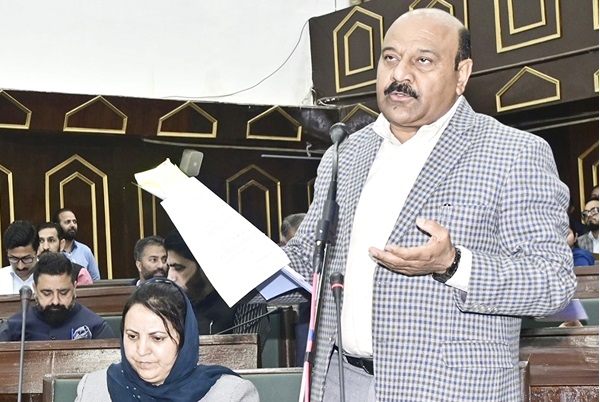
The Deputy Chief Minister made these statements in response to a question posed by Rajiv Jasrotiya, a Member of the Legislative Assembly, regarding the allocation of land for industrial development. According to Chaudhary, under the Jammu and Kashmir Industrial Policy 2021-30, the focus is on boosting a range of industries, including manufacturing, IT and IT-enabled services (ITES), agriculture and food processing, pharmaceuticals, infrastructure and real estate, skill development, tourism, and renewable energy.
In addition, the Industrial Land Allotment Policy and various investment-friendly schemes, including those promoting handloom and handicrafts, have been rolled out as part of an effort to transform the region into a more investor-friendly destination.
Land Allocations and Shifting Demographics
While the announced land allocations are part of an effort to modernize Kashmir’s economy, the policy has raised alarm bells, particularly regarding the growing involvement of non-local entities in the region. Of particular concern is the 5532.19 kanals of land in Kashmir that has been transferred over the past two years, mainly to large corporations from outside the region.
The Jammu and Kashmir Industrial Land Allotment Policy, which has been met with mixed reactions, outlines a framework aimed at incentivizing investment from both Indian and international firms. However, critics argue that the surge in non-local land allotments risks altering the region’s demographic makeup, something that is already a highly sensitive issue due to Kashmir’s disputed status.
Priority Given to Women Entrepreneurs
In an effort to promote gender inclusion, the Deputy Chief Minister emphasized that women would be given priority in land allotments for industrial purposes. He stated that the administration had placed special focus on ensuring that women are able to participate equally in the industrial development process and receive preferential treatment in the allotment of land.
In an important move, the administration also approved the creation of a women-centric industrial estate in Udhampur district. The estate will cover 329 kanals of land out of a total of 1,347 kanals allocated in the region. This initiative is designed to encourage female entrepreneurs to actively participate in the economic transformation of the region.
Legal Concerns and International Scrutiny
Kashmir, under Indian administration, remains a disputed territory according to United Nations resolutions, which recognize the region as subject to a final settlement based on the wishes of its people. The international community has long called for a plebiscite to resolve the Kashmir dispute, but India’s ongoing policies, including large-scale land allocations, continue to violate UN resolutions, according to many critics.
The UN Security Council has made it clear that any unilateral actions taken by India to alter the status of Jammu and Kashmir are illegal under international law. This latest push for industrial expansion is seen by some as an attempt to consolidate India’s control over Kashmir through economic means, which many argue will further marginalize the local Kashmiri population and undermine their rights.
Economic Growth vs. Sovereignty: A Delicate Balance
The current push to transform Kashmir into an industrial hub is welcomed by those who view it as an opportunity for economic prosperity and job creation. However, for many Kashmiris and international observers, it is a reminder of India’s occupation of the region, which has long been contested by local resistance movements and the broader Kashmiri self-determination movement.
The administration’s focus on attracting foreign investment, while promising economic growth, risks exacerbating the already volatile situation in Kashmir. By diverting resources and opportunities to non-local businesses, critics argue, the government is deepening its control over the region, undermining the rights of the indigenous Kashmiri people, and making it harder for them to shape their own future.
With India’s policies in Kashmir continuing to come under scrutiny, the international community is urged to take a more active role in ensuring that international law is respected and that the Kashmiri people’s rights to self-determination are upheld. United Nations bodies and human rights organizations must scrutinize the ongoing developments in the region, particularly the policies surrounding land and economic control.






![Top Keran Azad Kashmir Hotels: Best Stays, Attractions & Travel Guide [2025]](https://azaditimes.com/wp-content/uploads/2025/03/img_6333-1-e1749287768809-768x663.jpg "Top Keran Azad Kashmir Hotels: Best Stays, Attractions & Travel Guide [2025]")